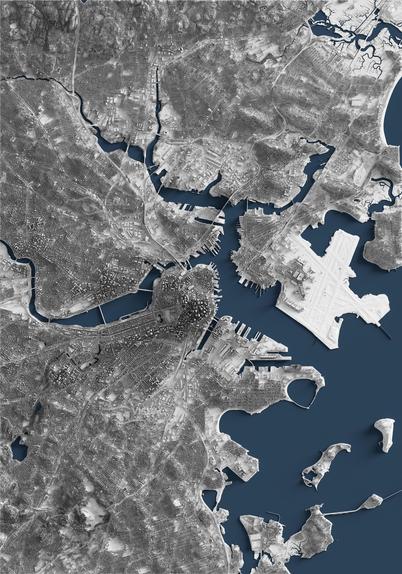
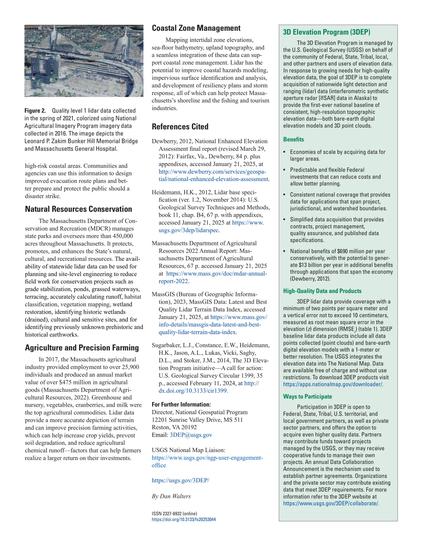
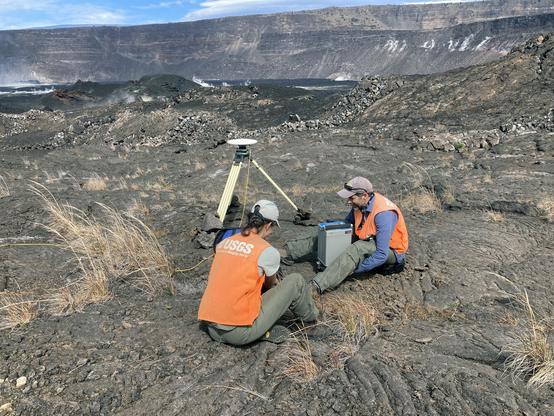
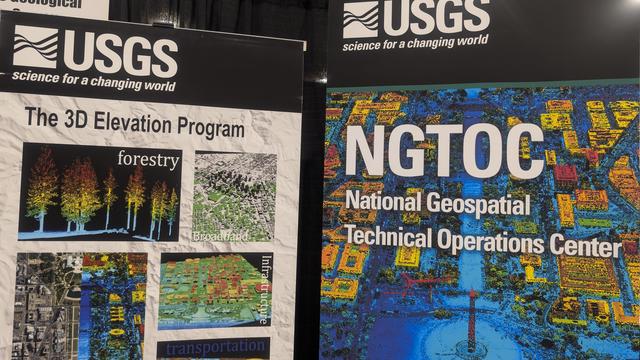
Good To Be (Back) At #GeoWeek
--
https://www.geo-week.com/
--
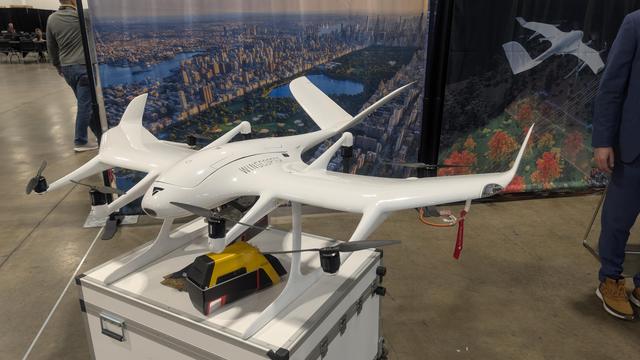
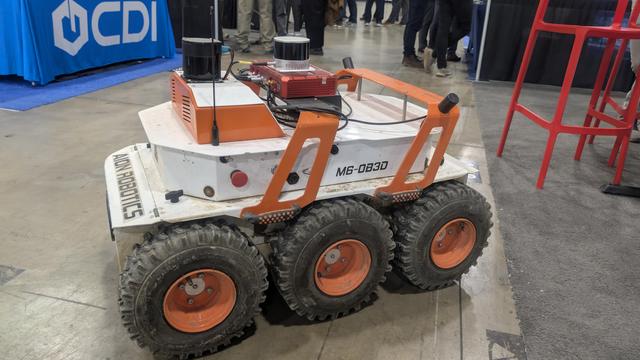
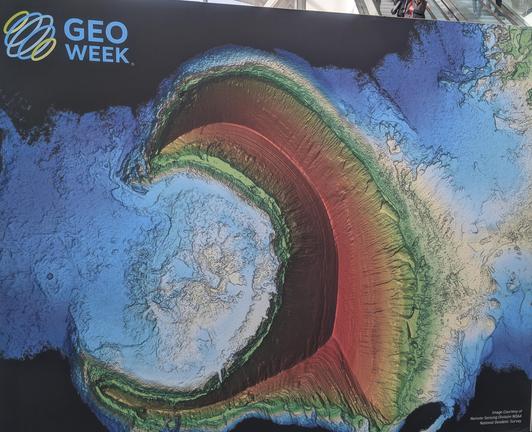
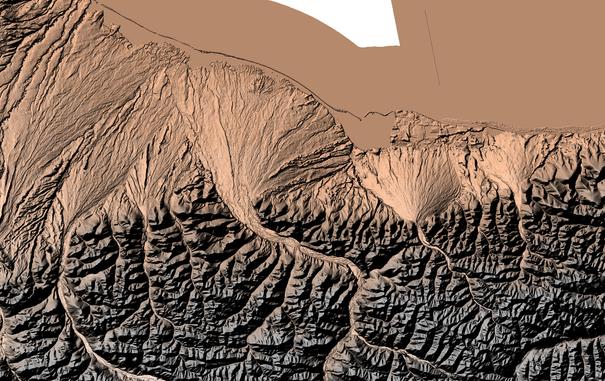
Volunteering at the #USGS booth, meeting & re-meeting fellow spatial professionals, seeing all the sweet hardware, and more...
(moving next year, so taking advantage of it being local to me...)
#GIS #spatial #mapping #conference #Denver #professional #hardware #professional #NGTOC #3DHP #3DEP #opendata #fedscience #fedservice
@GeoWeeK
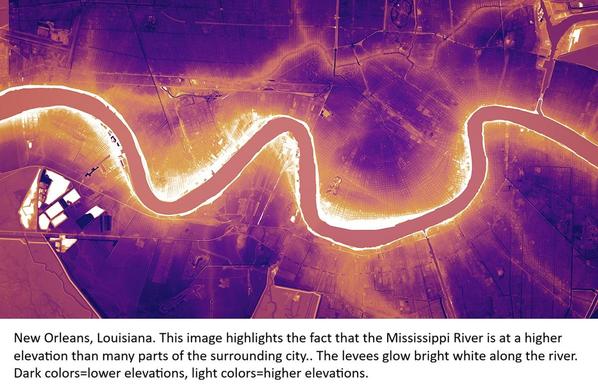
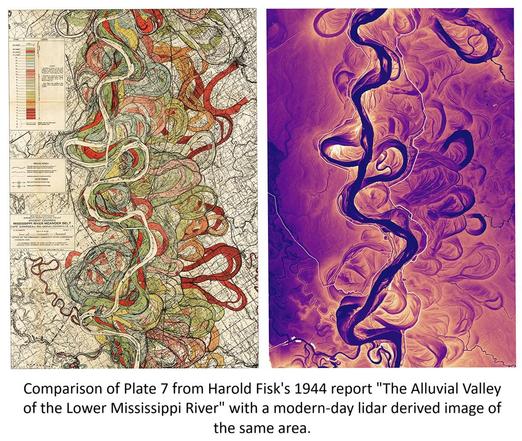
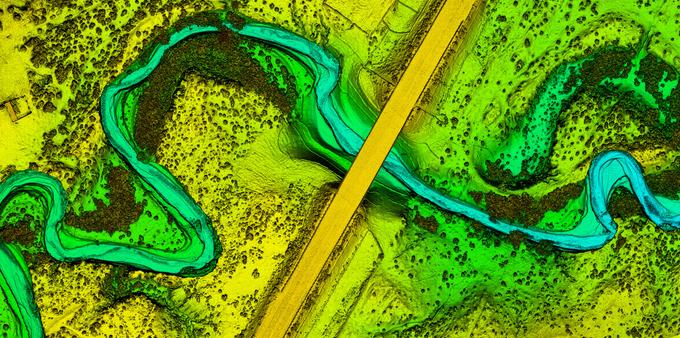
See The Mississippi River’s Hidden History, Uncovered By Lasers
Using hyperprecise LiDAR data,. a cartographer [well, hydrographer!] maps the river’s bend and channels over time with mesmerizing results…
--
https://www.nationalgeographic.com/science/article/mississippi-rivers-hidden-history-uncovered-by-lidar <-- shared technical / media article
--
https://dancoecarto.com/ <-- shared @Daniel Coe portfolio and more
--
https://usace.contentdm.oclc.org/digital/collection/p266001coll1/id/10015/ <-- shared Harold Fisk's 1944 USACE report, “The Alluvial Valley of the Lower Mississippi River”
--
#GIS #spatial #mapping #water #hydrography #hydrology #LiDAR #remotesensing #spatialanalysis #spatiotemporal #hydrogeomorphology #Mississippi #River #Fiske #cartography #visualisation #meandering #channels #landforms #floodplains #opendata #3DEP #topography #geomorphology #levees #dikes #oxbows #channel #paleohydrology
#DanielCoe | @nationalgeographic | #USGS | #USACE
Processing 3DEP LiDAR Point Clouds with Purdue's Data to Science Open Source Pipelines | 11/21/2025

YouTube
Need A Tech Colouring Book?
--
https://a.co/d/5UuAIPU <-- link to Amazon source
--
[note that I am in NO way associated with the publisher or 'author'...]
"This coloring book was assembled using high resolution topography data from the United States Geological Survey’s 3D Elevation Program to create detailed contour maps for each US State and the District of Columbia.
Each State's contour interval (the vertical distance between elevation lines on a map) was selected to preserve the topographic details the State’s inhabitants know and love. Specifically major mountain ranges and river valleys."
#GIS #spatial #mapping #3dep #USGS #elevation #oldschool #coloringbook #colouringbook #contour #contor #relaxation #landform #geology
The Feasibility Of Using LiDAR-Derived Digital Elevation Models [DEMs] For Gravity Data Reduction
--
https://www.usgs.gov/3d-elevation-program/news/feasibility-using-lidar-derived-digital-elevation-models-gravity-data <-- shared article
--
https://pubs.usgs.gov/publication/ofr20251019 <-- shared report
--
“A nice report from our colleagues in the USGS Mineral Resources Program on the feasibility of lidar-derived DEMs, including 3DEP data, for gravity data reduction…”
#GIS #spatial #mapping #3dep #elevation #fedscience #remotesensing #earthobservation #gravity #submetre #accuracy #precision #dGNSS #GNSS #global #navigation #satellite #GPS #LiDAR #DEMs #gravimetrics #milligals #Bouguer #anomaly #monitoring #corrleation #refinement #datareduction #appliedscience #usecases
@USGS
The Feasibility of Using Lidar-Derived Digital Elevation Models for Gravity Data Reduction

Learn about the Feasibility of Using Lidar-Derived Digital Elevation Models for Gravity Data Reduction

USGS
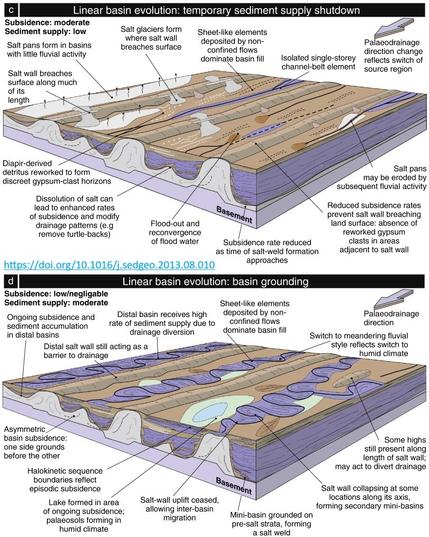
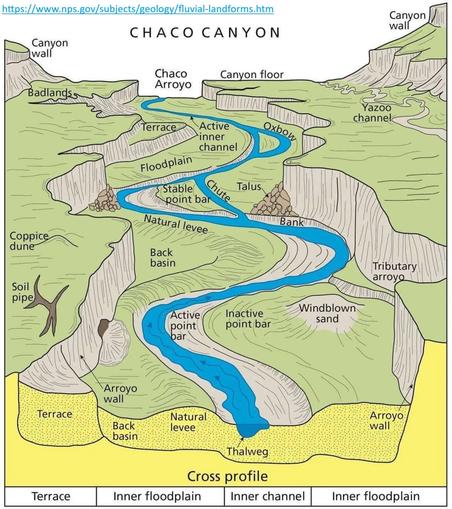
Fluvial System Block Diagrams
--
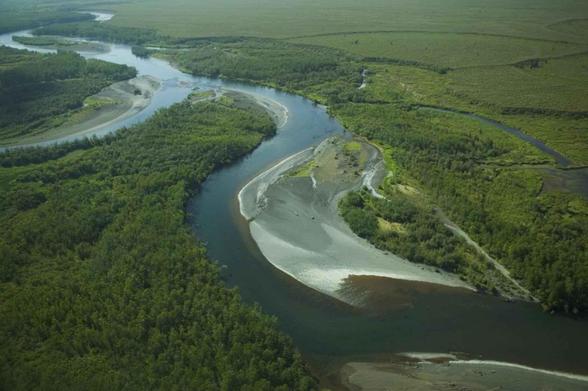
I was looking to understand a fluvial system the other day, up in the high Arctic, as I looked at 3DEP remote sensed elevation data… I have always been fascinated by the how geology, water, weather shapes a landscape, including erosion (aka geomorphology if you will) – and realized how very much value fluvial block diagrams have as we try to conceptualise what has, is and will happen(ed.)
#spatial #spatiotemporal #morphology #meander #levee #understanding #oxbow #pointbar #river #water #hydrology #landform #geomorphology #geomorphometry #geology #fluvial #riverine #weather #climate #erosion #sediment #sedimentation #Arctic #3dep #opendata #DEM #BeringSea #northslope #opendata #fedservice
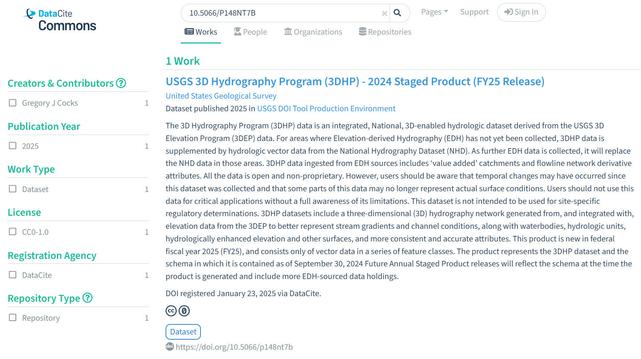
I Am Proud To Be Part Of The Integrated Team Generating and Publishing An Open Data 3DHP Hydrology Spatial Data Product For The Nation At The USGS
--
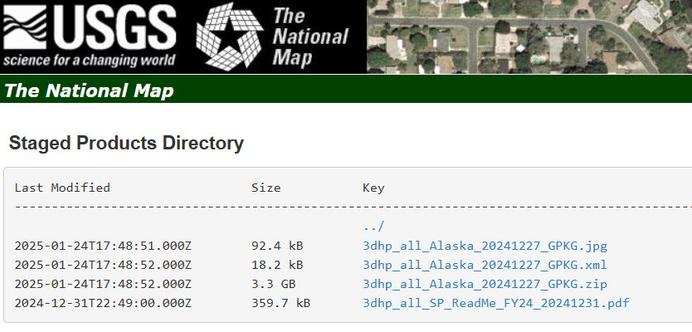
https://doi.org/10.5066/P148NT7B <-- shared product DOI
--
https://commons.datacite.org/doi.org?query=10.5066%2FP148NT7B <-- shared DateCite repository record
--
https://3dhp.nationalmap.gov/ <-- 3DHP data is also available via a USGS spatial data service (with select & export capability)
--
[‘my’ first product DOI generation & publication as well ~smile~]
#GIS #spatial #mapping #data #water #hydrology #LiDAR #EDH #elevationderivedhydrography #3DHP #opendata #publicdata #DOI #stagedproducts #3DTNM #3DEP #NHD #national #USA #nonproprietary #waterresources #spatialanalysis #model #modeling #3d #vector #schema #DOI#geopackage #filegeodatabase #metadata #XML
@USGS
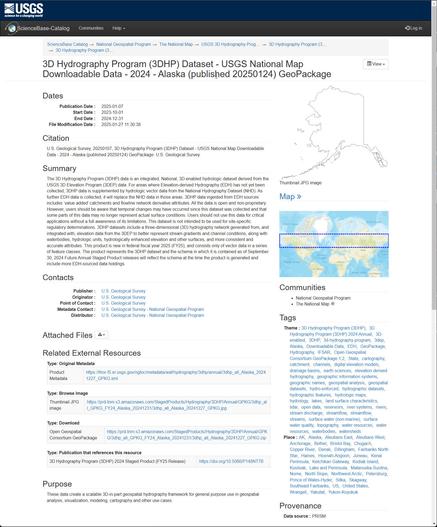
3D Hydrography Program (3DHP) 2024 Staged Product (FY25 Release) - ScienceBase-Catalog

This product is new in federal fiscal year 2025 (FY25), and consists only of vector data in a series of feature classes. The product represents the 3DHP dataset and the schema in which it is contained as of September 30, 2024 Future Annual Staged Product releases will reflect the schema at the time the product is generated and include more EDH-sourced data holdings.

Happy New Year and Happy Mapping in 2025!

I plan to boost some #introductions over the next few weeks. It's exciting to see a new wave and I hope that you enjoy the Fediverse!

In the meantime, I've been working on refining a recipe for relative elevation models (REMs) using Dan Coe's methods. My 2025 goal is to cover most of the #Virginia rivers, but we'll see.

Check out @FediTips for tips on how to use Masto.

#GIS #gischat #3DEP #Rappahannock #RVA

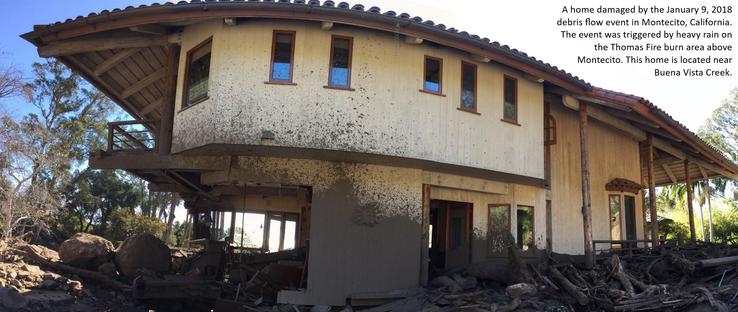
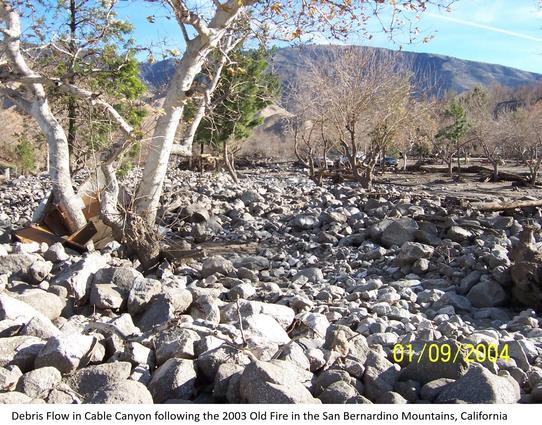
Postfire debris-flow hazards | U.S. Geological Survey

Estimates of the probability and volume of debris flows that may be produced by a storm in a recently burned area, using a model with characteristics related to basin shape, burn severity, soil properties, and rainfall.Wildfire can significantly alter the hydrologic response of a watershed to the extent that even modest rainstorms can produce dangerous flash floods and debris flows. The USGS conducts post-fire debris-flow hazard assessments for select fires in the Western U.S. We use geospatial data related to basin morphometry, burn severity, soil properties, and rainfall characteristics to estimate the probability and volume of debris flows that may occur in response to a design storm.