 biohacks
 KillBait News
Study suggests melatonin may enhance DNA repair in night shift workers
📰 Original title: Repairing DNA damage: Scientists discover a surprising new benefit of melatonin
🤖 IA: It's not clickbait ✅
👥 Users: It's not clickbait ✅
View full AI summary https://en.killbait.com/study-suggests-melatonin-may-enhance-dna-repair-in-night-shift-workers.html?utm_source=mastodon_world&utm_medium=social&utm_campaign=killbait.mastodon_world

Study suggests melatonin may enhance DNA repair in night shift workers
A recent small clinical trial suggests that melatonin supplementation may help improve the body’s ability to repair oxidative DNA damage in night shift workers. The study, published in Occupational & Environmental Medicine, investigated whether taking melatonin could counteract some of the biological effects associated with working overnight shifts, which are known to disrupt the body’s natural circadian rhythm. Researchers focused on 40 healthcare workers who regularly worked night shifts. Participants were randomly assigned to receive either a 3 mg melatonin supplement or a placebo for four weeks. The supplement was taken about one hour before daytime sleep, following night work schedules. The study measured levels of 8-OHdG, a biomarker found in urine that reflects oxidative DNA damage and repair activity. Results showed that participants who took melatonin had approximately 80% higher urinary 8-OHdG levels during daytime sleep compared to those in the placebo group, suggesting increased DNA repair activity during rest periods. However, no significant differences were observed during subsequent night shifts, indicating that the effect may be limited to sleep periods following nighttime work. Researchers believe that melatonin may help restore disrupted circadian signaling, which plays a key role in coordinating DNA repair mechanisms. Night shift work suppresses natural melatonin production, potentially reducing the body’s ability to repair cellular damage linked to long-term health risks, including cancer. Despite these promising findings, the study was small, short in duration, and did not measure long-term health outcomes. Scientists emphasize that larger and longer trials are needed before melatonin can be recommended as a preventive strategy for night shift workers. They also note that environmental factors such as light exposure were not fully controlled, which could influence results.
 KillBait
 Perry Hamilton ✪
 lifestylebeauty
 NEW MEN MAG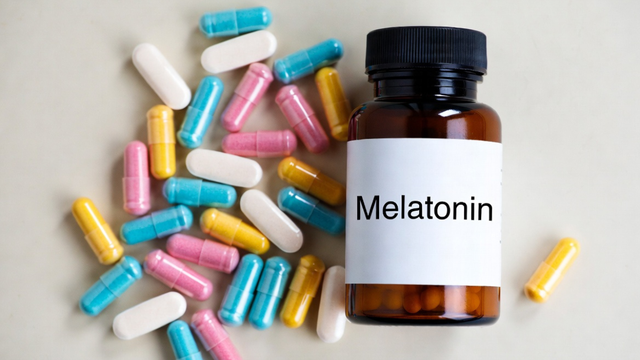
 WPS News
 Peter Spork