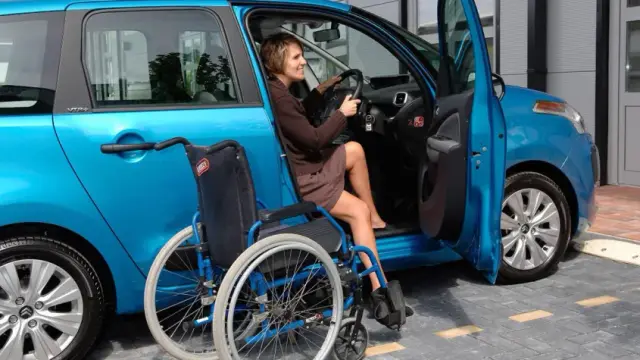
Heute bin ich bei der #Fachtagung "Free as a bird - mehr als man sieht, #Frauen und #Mädchen mit nicht sichtbaren #Behinderung (-en), in Herne.

https://www.herne.de/PDF/Frauen/flyer_free_as_a_bird4_web_bf_ua.pdf

Ich bin gespannt :)

#Mentalhealth
#ADHS
#ASS
#Medizin
#Psychiatrie
#hiddenDisabilities

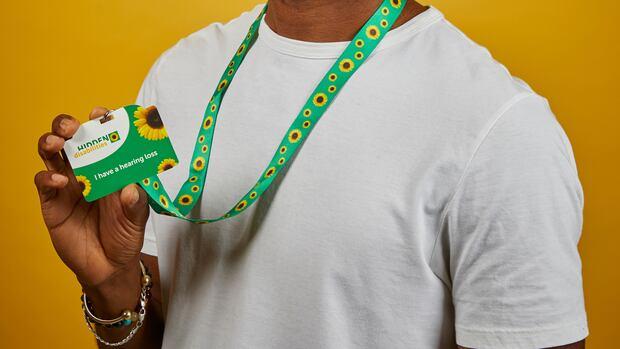
Ich bin durch den Hashtag #unsichtbarebehinderung bzw #HiddenDisabilities auf das entsprechende Symbol gestoßen – eine Sonnenblume auf grünem Grund. Die Initiative kommt aus UK. Aus deutscher Sicht ist das Symbol nicht vom Symbol der Partei „die Grünen“ zu unterscheiden. Das macht die Verwendung des Symbols hierzulande mehr oder weniger zunichte. Gibt’s noch weitere verbreitete Projekte in die Richtung?

https://hdsunflower.com/row/

Supporting people with non-visible disabilities (ROW)

The Hidden Disabilities Sunflower is a discreet sign that the wearer has a hidden disability and may need additional support

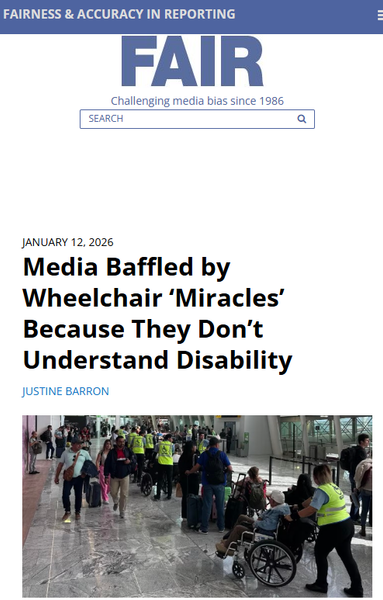
"Media Baffled by Wheelchair ‘Miracles’ Because They Don’t Understand Disability"

https://fair.org/home/media-baffled-by-wheelchair-miracles-because-they-dont-understand-disability/

"The distance from the entrance to the gate at larger airports is about a mile, an impossible distance for many with #MECFS"

#LongCovid & the Covid pandemic is mentioned as is #POTS

#spoonie #Disability #CFS #PwME #MyalgicEncephalomyelitis
@mecfs
#invisibleillness #Hiddendisabilities @longcovid
#PASC #PwLC #postcovid #postcovid19 #LC #PostCovidSyndrome #chronicillness @pots

Years of scapegoating rhetoric & politicians casting #disabled people as “scroungers” have reinforced prejudices about the blue badge parking scheme & led to “envy & resentment” instead of equal access, according to a 4-year research project

https://www.disabilitynewsservice.com/years-of-scapegoating-rhetoric-has-led-to-envy-and-resentment-of-those-with-blue-badges-research-finds/

#chronicillness #hiddenillness #invisibleillness #Spoonies #Hiddendisability #Hiddendisabilities @mecfs
#MEcfs #CFS #PwME @longcovid
#LongCovid #PosturalOrthostaticTachycardiaSyndrome #POTS @pots

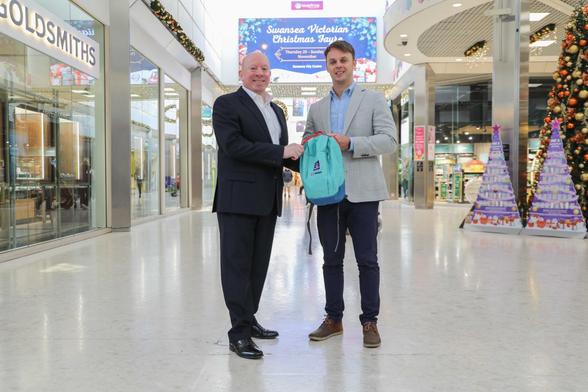
Swansea’s Quadrant rolls out sensory packs for shoppers

Packs to calm the chaos of shopping

The busy city centre shopping centre has introduced Sensory Packs containing noise‑reducing headphones, fidget tools and calming aids to help visitors who struggle with sensory overwhelm, anxiety or stress in crowded spaces.

The packs are available on request from the security team and are designed to make shopping trips less daunting for families and individuals who might otherwise avoid the Quadrant.

The centre has also signed up to the Hidden Disabilities Sunflower scheme, meaning shoppers wearing the sunflower lanyard can discreetly signal they may need extra support.

Training to tackle hidden barriers

Centurion, who own the Quadrant, say every front‑of‑house worker has now undergone specialist training with Wales‑based diversity experts Delsion, giving them the confidence to support neurodivergent customers and those with non‑visible disabilities.

The move comes against a stark backdrop. Research shows that three‑quarters of disabled shoppers have walked out of a store because of poor accessibility or service, while seven in ten never return after a negative experience. Campaigners say this underlines the importance of centres making visits easier and more spontaneous, without the need for detailed planning.

Adam Gibbons, Property Director at Centurion, said:

“Making sure our shoppers feel supported, understood, and genuinely welcomed is central to who we are. By equipping all our front‑of‑house team with disability inclusion training and introducing Sensory Packs, we are taking meaningful action to improve the experience of neurodivergent customers.”

“Positive example” for UK centres

Julian John, CEO of Delsion, added:

“It’s essential that shopping centres take proactive steps towards neurodiversity inclusion, especially as many neurodivergent needs are not immediately visible. The Quadrant is setting a positive example for centres across the UK.”

How to get a pack

Shoppers can request a Sensory Pack by approaching a security team member or visiting the control room on the first floor, near the lift and customer toilets.

#CenturionGroup #Delsion #disabledShoppers #featured #HiddenDisabilities #neurodivergence #Quadrant #QuadrantShoppingCentre #retail #SensoryPacks #SunflowerScheme #Swansea #SwanseaQuadrant

One in three new cars in Wales now taxpayer‑funded Motability vehicles

South West Wales hotspots

Wales has emerged as the UK’s Motability capital, with one in three new cars registered in 2024–25 leased through the taxpayer‑funded scheme.

In Neath Port Talbot, nearly seven per cent of residents are entitled to a Motability car — that’s one in fourteen people.

Swansea has the largest absolute number of awards, with 13,536 residents entitled, representing 5.4 per cent of the city’s population.

Carmarthenshire records 10,807 awards, or 5.7 per cent of its population. Bridgend has 8,484, equal to 5.8 per cent.

Pembrokeshire shows the lowest rate locally, but still 4.8 per cent of residents — one in twenty‑one — qualify for a Motability vehicle.

A lifeline for independence

Campaigners say the scheme is not a perk but a lifeline. It enables disabled people to live independently, access work, and participate fully in society.

Kat Watkins, from Disability Wales, warned that the proposed changes could isolate disabled people and make them feel like “second class citizens.”

She said reforms risk preventing people from accessing work and could lead to social exclusion. “Without reliable transport, disabled people are cut off from employment, education and even basic social contact. The Motability scheme is not a luxury — it is a necessity.”

Local voices echo that concern. Derrick Farr, from Barry, who had a leg amputated, described his Motability car as a “lifeline” to independence and said he would be “lost” without it.

Budget reforms spark controversy

The debate has intensified following the Government’s Autumn Budget. Chancellor Rachel Reeves confirmed that tax breaks available to Motability will be reduced from July 2026.

VAT relief will be removed for “top‑up” payments made to lease more expensive vehicles. Insurance Premium Tax will be applied at the standard rate to Motability insurance contracts.

Luxury marques such as BMW, Audi and Mercedes‑Benz have already been removed from the scheme. The Treasury says the changes will save more than £1 billion over five years and ensure Motability continues to deliver for its customers.

But young disabled people have reacted angrily, saying the new charges add hefty and unfair costs. Disability Wales criticised the Chancellor’s use of the phrase “generous taxpayer subsidies,” arguing it fuels misunderstanding of how the scheme works.

Claimants do not receive cars for free. They surrender their mobility allowance — a benefit designed to offset the extra costs of disability — to lease a vehicle. “Framing the scheme as a hand‑out undermines public support and stigmatises disabled people,” Watkins said.

Political battle lines

Conservative leader Kemi Badenoch has pledged to tighten eligibility further, arguing that cars should be reserved for those with serious physical disabilities.

The party has gone further by promising to block access to Motability for people whose entitlement is based on mental health disorders, claiming the scheme was never intended to cover psychological conditions.

Welsh Conservative MS James Evans welcomed reforms, saying the scheme’s “explosive growth and spiralling costs” must be contained.

But disability advocates strongly oppose restricting eligibility to physical conditions only. They argue that severe anxiety, PTSD, autism or ADHD can make public transport impossible, and that cars are essential for daily life.

Disability Rights UK and more than forty charities warned the Chancellor that cuts announced in the Budget will have “dire consequences” and risk “pricing disabled people out of the scheme.”

Disability Wales added that the focus on “luxury” cars ignored functional needs, noting that larger vehicles are often required to accommodate equipment such as wheelchair hoists. “What looks like a luxury badge to the Treasury may be the only practical option for a disabled family,” Watkins said.

Disability Wales warns of wider impact

Disability Wales has described the reforms as being driven more by negative media rhetoric than by consultation with disabled people.

The organisation fears the changes will make life more expensive and more difficult for those who already face barriers to independence.

Campaigners highlight that the removal of premium brands ignores the reality that bigger, solid‑built cars are often necessary to carry medical equipment.

They also warn that taxing insurance and advance payments will hit younger disabled people hardest, adding costs at a time when they are trying to build independent lives.

Watkins said: “The danger is that disabled people are being punished for political headlines, and that risks turning a lifeline into a battleground.”

Disability Wales argues that reforms must recognise the diversity of disability, including mental health and neurological conditions, and ensure that independence is not sacrificed for the sake of savings.

Watching the road ahead

Across Wales, the figures underline the scale of reliance on Motability. With 33 per cent of new car sales linked to the scheme, Wales stands apart from other regions such as the North East of England, where the figure is 26 per cent, and London at 24 per cent.

As reforms loom in 2026, South West Wales will be watching closely to see whether changes to tax reliefs and vehicle choice reduce access — or whether the scheme can continue to meet the needs of thousands of local residents who depend on their cars for independence, dignity and daily life.

Related stories from Swansea Bay News

Autumn Budget 2025: Westminster leak, Welsh impact
Rachel Reeves’s Autumn Budget sparked fierce clashes and revealed tax changes set to hit households across Wales.

Disabled people react with ‘fear and anger’ to cuts bill
Campaign groups warn of growing anxiety as Westminster pushes ahead with controversial disability benefit reforms.

Disability activists stage protest outside Swansea DWP office
Local campaigners rallied against welfare changes, saying reforms risk isolating disabled people in South West Wales.

#Conservatives #disability #disabilityAccess #DisabilityWales #HiddenDisabilities #KemiBadenoch #Motability #motoring #PhysicalDisabilities #politics

Meine Behinderungen sind unsichtbar; darum trage ich das Sonnenblumenband, das international anerkannte Zeichen für "Hidden Disabilities" – und nein, ich bin nicht bei den Grünen.
In einer Welt für nicht-behinderte, allistische Menschen, die Inklusion nur in wenigen Bereichen mitdenkt, werde ich stark behindert.
Vom 19. - 25. Oktober ist die Woche der unsichtbaren Behinderungen.
#unsichtbarebehinderung #sonnenblumenband #sunflowerlanyard
#hiddendisabilities #HiddenDisabilitiesSunflower

LEGO is making the invisible seen, inclusion built brick by brick.

LEGO Group has launched initiatives supporting fans and employees with non-visible disabilities, including collaboration with Hidden Disabilities Sunflower, minifigure sunflower ribbon accessories, inclusive LEGO sets, and sensory-friendly stores.

👉 What’s one change you’d love to see LEGO make next? https://brick.news/en/blog/building-inclusive-play-lego-groups-new-initiatives-for-fans-and-colleagues-with-non-visible-disabilities

#LEGO #Inclusion #Accessibility #HiddenDisabilities #BrickNews #PlayForAll #LEGOCommunity

Headline: How can HR reduce hidden disability discrimination at work?

Source: HRMagazine
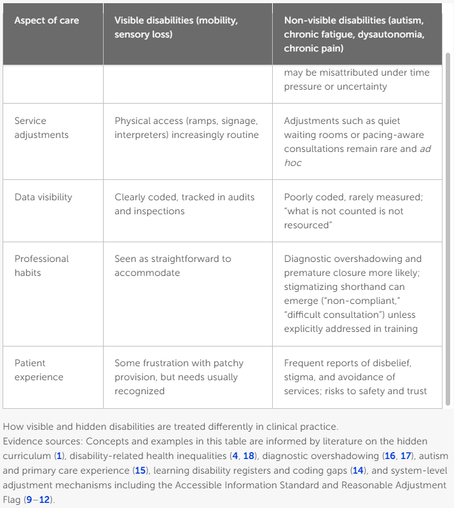
From the article: “Educating staff on how to be allies, hearing from others what it is like to live with a given hidden disability, and fostering a more psychologically safe environment will go a long way to improving the conditions for staff to feel able to share their disability. There needs to be greater education, understanding and empathy towards colleagues, customers and visitors who may use disabled toilets, or ask for help due to their unseen disability or condition. Staff need to understand that, just because the person isn’t in a wheelchair, it doesn’t mean that they aren’t struggling, in pain, or in need of help.”

#HiddenDisabilities #Disabled #Workplace #HumanResources

https://www.hrmagazine.co.uk/content/news/how-can-hr-reduce-hidden-disability-discrimination-at-work

How can HR reduce hidden disability discrimination at work? - HR Magazine

Greggs, the food retailer, has issued an apology after an employee reportedly stopped a customer from using the disabled toilet unless she proved she was disabled.

HR Magazine