Inclusive Collections, Inclusive Libraries is an RLUK programme of events that aims to foster conversation around decolonisation and inclusive practice in collecting, describing, presenting, and engaging with content in research library collections. It seeks to raise awareness about the opportunities and challenges of dealing with, contextualising, and engaging with offensive collections while also identifying and sharing examples of good practice.
On Hello Computer newsletter this week: "Does my walking stick help more with being autistic than it does with chronic fatigue?"
Read and sign up: https://pete.news/hellocomputer/can-my-walking-stick-be-my-hidden-disabilities-stick/
Years of scapegoating rhetoric & politicians casting #disabled people as “scroungers” have reinforced prejudices about the blue badge parking scheme & led to “envy & resentment” instead of equal access, according to a 4-year research project
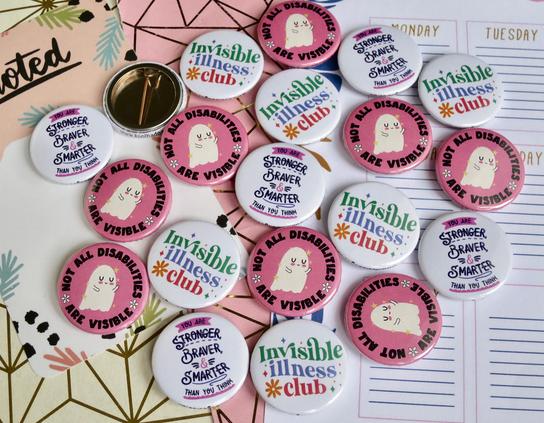
#chronicillness #hiddenillness #invisibleillness #Spoonies #Hiddendisability #Hiddendisabilities @mecfs
#MEcfs #CFS #PwME @longcovid
#LongCovid #PosturalOrthostaticTachycardiaSyndrome #POTS @pots
Blue Badge* Myths – Busted
*a blue badge is what a disabled parking badge/permit is called in the UK
https://x.com/DRDisabilityReb/status/2003444813694116345?s=20
#Disabled #Disability #Hiddendisability #Invisibledisability #chronicillness #hiddenillness #invisibleillness #Spoonie
@mecfs
#MEcfs #CFS #PwME @longcovid
#LongCovid #POTS @pots
This practical guide, written from different perspectives and applying to all library types, explains how to create healthy library workplaces.While library work is often imbued with a strong sense of purpose and mission, it's still work-messy, rewarding, complicated. This book explores the five factors that influence both workplace engagement and job satisfaction for library workers: · culture and work environment· leadership· workload· recognition· meaningLearn how to critically examine these five factors and understand meaningful ways to positively implement them. The expert contributors to this volume represent many types of libraries and points of view, including BIPOC writers and those from other marginalized groups as well as librarians from small and large libraries, rural and urban libraries, and academic, public, and school libraries. This book is written for everyone in a library-leaders, librarians, and other staff can all contribute to making their library a better workplace. Readers will appreciate the hands-on guidance for improving not only the organizational functioning of the library, but the human functioning as well.