Low Contribution Of Livestock In The Grey Wolf Diet In The Area With High Availability Of Free-Ranging Cattle And Horses
--
https://doi.org/10.1007/s10344-025-01926-3 <-- shared paper
--
[not my usual fare (word play very much intended), but a fascinating and data-driven study; the study is not definitive, of course, but it adds to the scientific knowledge base, including with the socio-economic considerations…]
#wolf #predator #apexpredators #livestock #predation #depredation #death #cow #horse #greywolf #casestudy #Poland #cattle #horses #ecosystems #socioeconomic #forests #humanimpacts #conflicts #WartaRiver #genetic #fingerprinting #tracking #GIS #spatial #spatialanalysis #spatiotemporal #cameratraps #scat #fecal #feces #wildanimals #ungulates #deer #mammals #rabbits #domesticanimals #foodsource #cost #economics #dogs #population #impacts #conflict #landscape #wildprey #prey #trophiccascade #herds #vegetation
Low contribution of livestock in the grey wolf diet in the area with high availability of free-ranging cattle and horses - European Journal of Wildlife Research

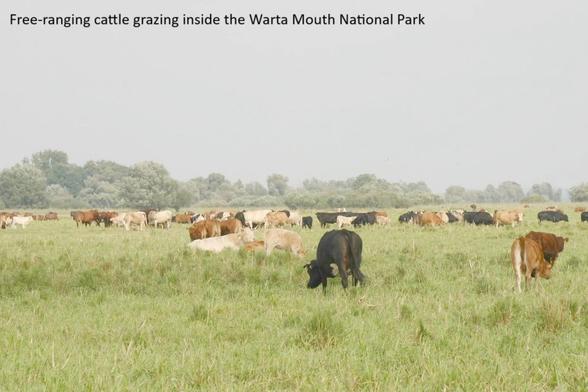
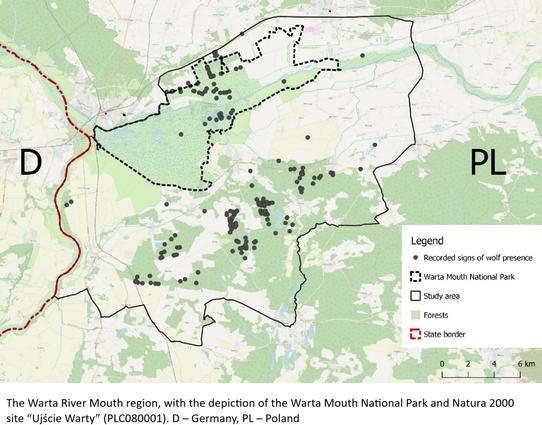
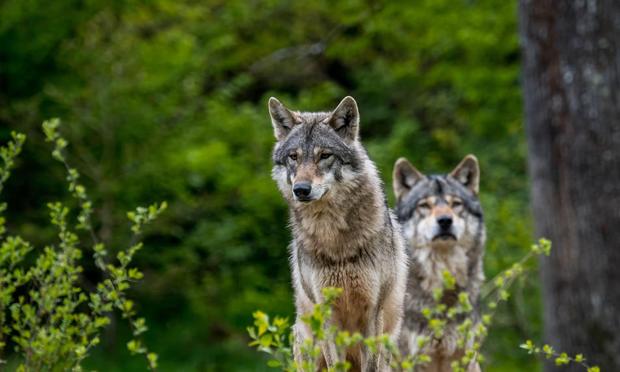
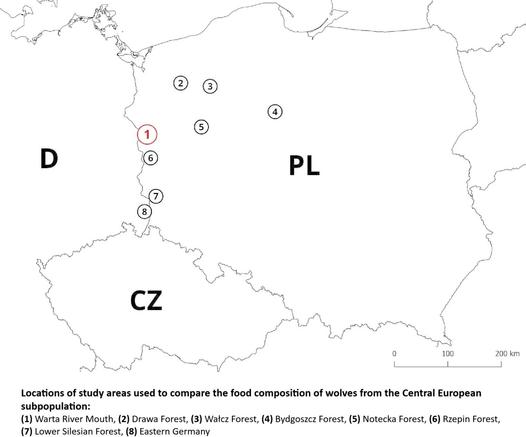
The recovery of the wolf (Canis lupus) population in Europe is progressing, and predators settle in vast forests as well as in areas intensively used for agriculture, where interactions between wolves and livestock are frequent, often leading to conflicts with local communities. In 2020–2022, we studied the wolf diet composition in the Warta River Mouth (WRM hereinafter) region (western Poland), where herds of cattle (ca. 4,000) and horses (ca. 700) are freely grazed. Using genetic fingerprinting based on microsatellite DNA markers, tracking, and camera trapping, we confirmed that the area is used by two wolf family groups. Through the analysis of scat content (n = 109), we found that in the WRM, wolves feed primarily on wild ungulates (81.9% of the consumed food biomass) and wild medium-sized mammals (14.5%). Domestic animals were eaten rarely, and cattle and dogs comprised 3% and 0.4% of the consumed food biomass, respectively. During these two years of research, only three cattle calves consumed by wolves were found. The diet of wolves in the WRM did not significantly differ from the food composition of these predators in six other study areas within the Central European wolf population. Our research shows that despite the high availability of unguarded herds of cattle and horses, wolves prey mainly on wild mammals. Managers searching to solve wolf-livestock conflicts should consider that wolf depredation is not a simple function of livestock availability but is also influenced by other factors, such as the species and breed of livestock, grazing methods, landscape, and availability of wild prey.

SpringerLink

Food Quality and Sourcing 📊🥦

Food quality and sourcing matter significantly for muscle gain and overall health

🥗 Prioritize Whole, Minimally Processed Foods

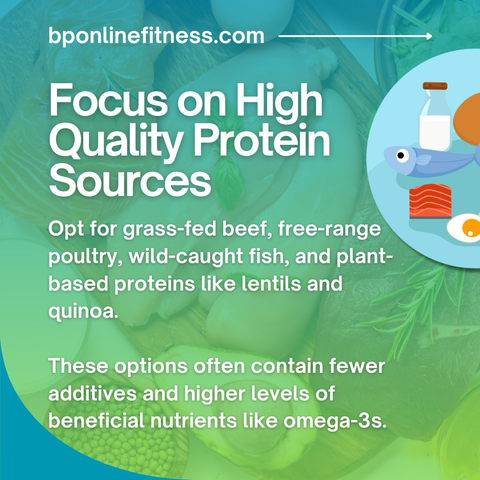
🍗 Focus on High-Quality Protein Sources

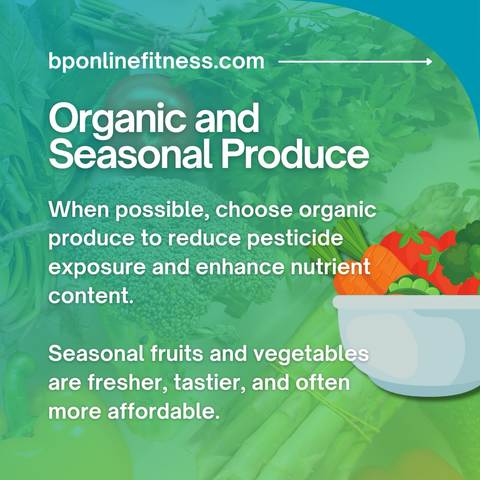
🍎 Organic and Seasonal Produce

🫒 Healthy Fats from Natural Sources

#foodsource #foodquality #wholefood #processedfood #qualityprotein #organic #seasonal #healthyfats #naturalsources #nutrition #onlinecoach #onlinepersonaltrainer

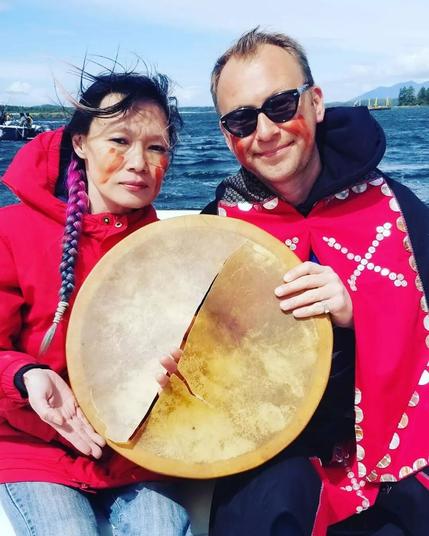
The #ClamGardens #RestorationProject has reclaimed #W̱SÁNEĆ knowledge, improved #ecosystems and provided the W̱SÁNEĆ Nation with additional funding.

From 2014 to 2019, #ParksCanada, the #W̱SÁNEĆNation and the #Hulquminum #FirstNations participated in the Clam Garden Restoration project.

Clam gardens are #AncientSites along shorelines in W̱SÁNEĆ territory that #Indigenous people tended for thousands of years to enhance the production of #clams and related sea creatures. Clams were an important source of protein for W̱SÁNEĆ people. The Clam Restoration project spent 5 years working to restore clam gardens in W̱SÁNEĆ territory. In addition to improving the #ecology of two clam gardens, the project also aimed to reclaim W̱SÁNEĆ knowledge, practices and culture related to clam gardens.

Learn more & sign up to help out:
https://wsanec.com/the-clam-garden-restoration-project/

#LandBack #NativeKnowledge #Nature #Shellfish #Seafood #Saanich #IndigenousKnowledge #NativeWisdom #BritishColumbia #Canada #Cascadia #conservation #sustainability #VancouverIsland #decolonization #VanIsle #PacificNorthwest #PNW #photography #YYJphotographers #DisabledPhotographers #Naturalist #environmental #IndigenousLedProject #reclamation #decolonialism #FoodSecurity #FoodSource #Restoration #YYJ #VictoriaBC

The Clam Garden Restoration Project

The Clam Garden Restoration Project has reclaimed W̱SÁNEĆ knowledge, improved ecosystems and provided the W̱SÁNEĆ Nation with additional funding. From 2014 to 2019, Parks Canada, the W̱SÁNEĆ Nation and the Hul’q’umi’num Nations participated in the Clam Garden Restoration project.  Clam gardens are ancient sites along shorelines in W̱SÁNEĆ territory that Indigenous

W̱SÁNEĆ Leadership Council

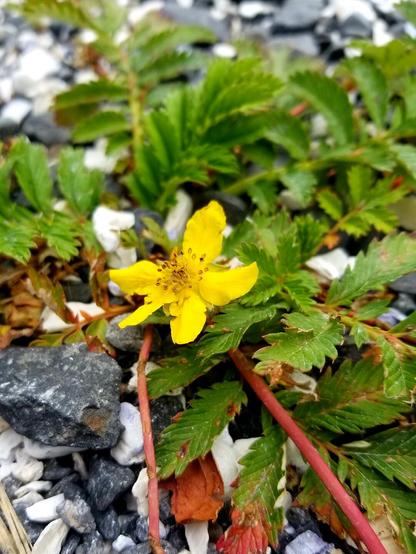
#PacificSilverweed is abundant throughout #PNW into Alaska & Arctic. Longtime important #FoodSource for #PacificNorthwest #Indigenous peoples. In BC, patches of them were protected under #potlatch #FirstNations family law.

You can note patch locations when flowers appear & then dig up roots in late Fall & Winter. The roots taste like bitter sweet potatoes.

#nature #VictoriaBC #VanIsle #GetOutside #CoastalPlants #YYJ #Cascadia #WildFoods #FoodForagers #PlantIdentification #FlowersIdentification

Interactive map shows where your food comes from

With the holiday season upon us and the United Nations Climate Change Conference, or COP28, kicking off this month, researchers launched Food Twin to show where crops come from—and how climate change could impact this fragile network.

CU Boulder Today

Solanum jamesii #flowers 👩‍🌾

This wild #potato was used by #ancestral #Puebloans as a #FoodSource . It's being grown by the #Navajo as a specialty #food as well as a #FoodCrop . In the #nightshade family.

#IndigenousFoodPlants #NativeFoodPlants #GrowFood #BloomScrolling #florespondence

The #Na̱mǥis #FirstNation located in #AlertBay on #BritishColumbia #WestCoast has relied on #salmon as a main #FoodSource for thousands of years.
Salmon are #sacred for #Indigenous people living there, but that #legacy is now #threatened by long-term consequences of #industrial #FishFarms over the last 3 decades.

https://www.theweathernetwork.com/en/news/climate/impacts/power-to-the-people-alert-bay-salmon-impacts

Namgis are one of several BC native ppls I've worked w/ to #ProtectWildSalmon over many yrs. #WildSalmon are #KeystoneSpecies & are #AtRisk

#PNW #SaveSalmon

How the loss of West Coast salmon impacts First Nations far beyond just food

Coastal communities are reeling as industrial fish farms put increased pressure on wild salmon populations already under stress from climate change.

The Weather Network

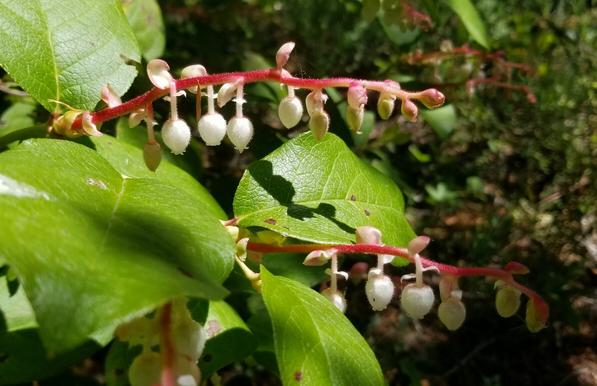
#Salal #flowers will become #food #berries soon 🥰

#SalalBerries are a major #FoodSource for #BritishColumbia #FirstNations - can be dried & made into cakes. Fruit leathers can be made by blending berries & spreading flat in a pan & drying in sun or oven. Berries can also be used to create a dark blue or purple dye. Branches & leaves of salal are used to line cooking pits & provide flavour. Leaves are used to cover cuts and wounds.

#NativePlants #medicinal #WildFood #Wsanec #lekwungen #vanisle