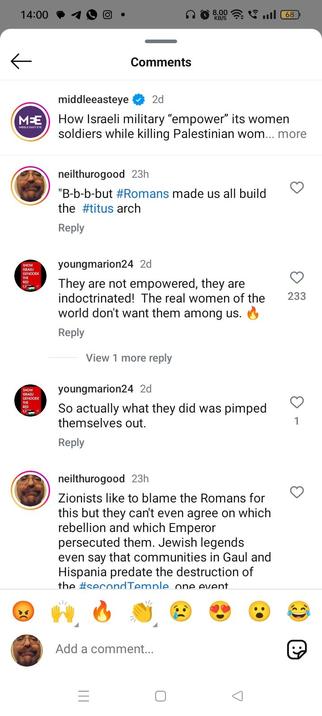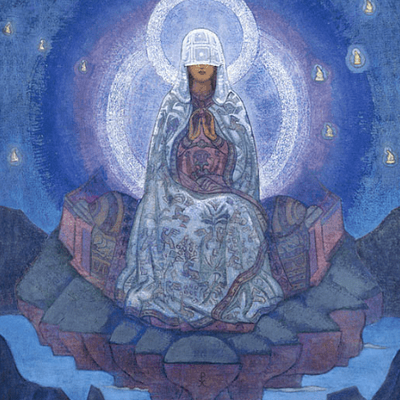
Samael

Also spelled Smil, Samil, or Samiel.

He’s an archangel in Talmudic & post-Talmudic tradition. He’s a figure who is the accuser or adversary (Satan in the Book of Job), seducer, & destroying angel (in the Book of Exodus).

Although many of his functions resemble the Christian idea of Satan, to the point of being sometimes classified as a fallen angel. He’s not necessarily evil, since his functions also result in good, like destroying sinners.

In Midrashic texts, he’s considered to be a member of the heavenly host, often with grim & destructive duties. 1 of Samael’s most significant roles in Jewish lore is that of the main angel of Death & the head of satans. He appears frequently in the story of the Garden of Eden & engineered the Fall of Adam (& Eve) with a snake in writings, during the Second Temple period. However, the serpent isn’t a form of Samael. But a beast he rode, like a camel.

In a single account, he’s also believed to be the father of Cain. As well as the partner of Lilith.

In early Talmudic & Midrashic literature, he hasn’t yet been associated with Satan. Only in later Midrashim is he given the title “head of satans.”

As a guardian angel & prince of Rome, he’s Israel’s archenemy. By the beginning of Jewish culture in Europe, Samael had been established as a representative of Christianity due to his identification with Rome.

In some Gnostic cosmologies, Samael’s role as a source of evil became identified with the Demiurge, the creator of the material world.

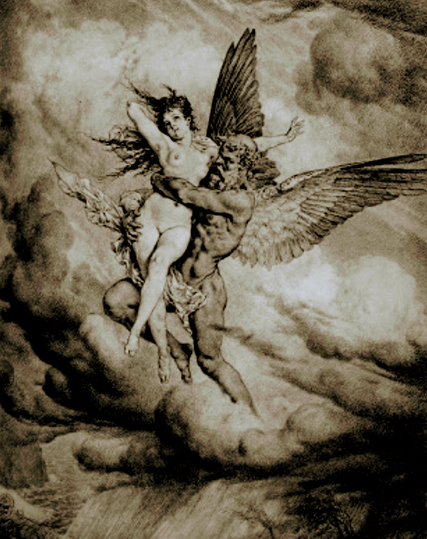
Samael was 1st mentioned during the Second Temple period & immediately after its destruction. He’s 1st mentioned in the Book of Enoch, which is a part of the Jewish apocrypha, along with other rebellious angels. In 1 Enoch, he’s 1 of the Watchers who descended to Earth to have adult spicy time with human women. Although he’s not their leader. Samayaza is their leader. (A post about Samyaza is coming soon. Research on him is ongoing, right now.)

In the Greek Apocalypse of Baruch, he’s the dominant evil figure. Samael plants the actual Tree of the Knowledge of Good & Evil. He’s then banished & cursed by God. To take revenge, he tempts Adam & Eve into sin by taking the form of the serpent.

He further appears as the embodiment of evil in the Ascension of Isaiah & is called by various names:

  • Melkira, “King of evil/wicked.”
  • Malkira/Malchira, “Messenger of evil.”
  • Belkira, “Lord of the Wall.”
  • Bechira, “Elect/Chosen of evil.”

The names Belial & Satan are also applied to him. He gains control of King Manasseh to accuse Isaiah of treason.

In Talmudic & Midrash, Samael’s role as an agent of evil is relatively marginal. From the 5th or 6th century onward, he becomes 1 of the most prominent among the demonic entities. Samael hasn’t been identified with the angel of Death in the Talmud.

In the Exodus Rabbah (the Exodus Midrash), Samael is pictured as the accuser in the heavenly court & tempter to sin, while Michael defends Israel’s actions. Here, Samael is identified with Satan. While “Satan” describes his function as an “accuser,” Samael is considered his real/proper name.

He also fulfills the role of the Angel of Death when he comes to take the body of Moses & is called the leader of Satan.

The title of “satan” is also applied to him in the Midrash Pirkei De-Rabbi Eliezer, where he was the chief of the fallen angels, & a 12-winged seraph. According to the text, Samael opposed the creation of Adam & descended to Earth to tempt him into evil.

Riding the serpent, he convinces Eve to eat the Forbidden Fruit. His role here might be inspired by the Islamic idea of Iblis, who refused to prostrate himself before Adam because he consists of fire & Adam merely of dust. This Midrash also reveals that Samael sired Cain with Eve.

In the smaller Midrash, he’s the ruler of Hell. Several sources (like Yalkut Shimoni) describe him as the guardian angel of Esau, relating him to Rome, the 1 who wrestled with Jacob, the angel who ordered Abraham to sacrifice Isaac, & a patron of Edom. Which makes sense because Esau was the “father” of Edom.

In Kabbalah, Samael is described as the “severity of God.” He is listed as 5 of the archangels of the world of Beri’ah. Among his portions are Esau, the people who inherit the sword & bring war; the goats & se’irim (demons); & the destroyer angel.

Both Samael & Lilith are major demons in earlier Jewish literature traditions. They don’t appear paired together until the 2nd half of the 13th century, when they’re introduced together. Lilith is a demon created alongside Adam. She wasn’t originally created as a demon. She morphed into a demoness down the road. She was originally created as Adam’s (1st) wife. Lilith then becomes Samael’s bride. With her, Samael created a host of demon kids, including a son, the “Sword of Samael” (or of Asmodai).

In the Kabbalistic work Treatise on the Left Emanation, Samael is part of the qlippoth (Qlippoth is the representation of evil/impure spiritual forces in Jewish mysticism), prince of all demons, & husband of Lilith. The 2 are said to parallel Adam & Eve being emanated together from the Throne of Glory as a counterpart. Asmodeus is also mentioned to be subservient to Samael & married to a young (or alternate), lesser Lilith.

In the Zohar (1 of Kabbalah’s principal works), Samael is described as a leader of the divine forces of destruction, part of the qlippoth. He’s mentioned again as the serpent’s rider. He’s also described as having mated with Eisheth Zenunim (a princess of the qilppoth); Na’amah (She originated from & is often mixed with another Naamah, sister to Tubal-Cain); & Agrat bat Mahlat (a demoness), all being “angels” of sacred prostitution.

It’s also said that the founder of Hasidic Judaism, Baal Shem Tov, summoned Samael to make him do his bidding.

Samael is also pictured as the angel of Death & 1 of the 7 archangels, the ruler over the 5th Heaven (This refers to 1 of the 7 firmaments, or physical layers, located above the open sky.) & commander of 2 million angels, such as the chief of all destroying angels. Think about the angel(s) who destroyed the Egyptians who didn’t have the lamb’s blood on their doorframes (Exodus 11).

In 3 separate Gnostic texts (found in the Nag Hammadi library), Samael is 1 of the 3 names of the Demiurge. He had 2 other names in these texts: Yaldabaoth & Saklas. After Yaldabaoth claims sole divinity for himself, the voice of Sophia (“wisdom,” the personification of wisdom) comes forth calling him Samael, due to his ignorance.

In Hypostasis of the Archons, Samael is the 1st sinner. The First Epistle of John calls the devil a sinner from the beginning. His appearance is that of a lion-faced serpent.

Make a one-time donation

Your contribution is appreciated.

Donate

Make a monthly donation

Your contribution is appreciated.

Donate monthly

Make a yearly donation

Your contribution is appreciated.

Donate yearly #1Enoch #13thCentury #5thCentury #5thHeaven #6thCentury #7Firmaments #Abraham #Accuser #Adam #Agrat #AngelOfDeath #ApocalypseOfBaruch #Apocrypha #Archangel #AscensionOfIsaiah #Asmodai #Asmodeus #BaalShemTov #Baruch #Bechira #Belkira #BeriAh #BookOfEnoch #BookOfExodus #BookOfJob #Cain #Christian #Christianity #Demiurge #Demon #Demoness #Earth #Edom #EishethZenunim #Esau #Eve #Exodus #Exodus11 #ExodusMidrash #ExodusRabbah #FallOfMan #FallenAngels #FirstEpistleOfJohn #ForbiddenFruit #GardenOfEden #Gnosticism #Greek #GuardianAngel #HasidicJudaism #Hell #HypostasisOfTheArchons #Iblis #Isaac #Isaiah #Islam #Israel #Jacob #JewishApocrypha #JewishMysticism #Judaism #Kabbalah #KingManasseh #Lilith #Mahlat #Malkira #Melkira #Michael #Midrash #Moses #Mysticism #NaAmah #Naamah #NagHammadi #NagHammadiLibrary #PirkeiDeRabbiEliezer #PostTalmudic #Qlippoth #Rome #SacredProstitution #Saklas #Samael #Samiel #Samil #Samyaza #Satan #SeIrim #SecondTemple #SecondTemplePeriod #Seraph #serpent #Smil #Sophia #Talmud #ThroneOfGlory #TreatiseOnTheLeftEmanation #TreeOfTheKnowledgeOfGoodEvil #TubalCain #Watchers #Wisdom #Yaldabaoth #YalkutShimoni #Zohar
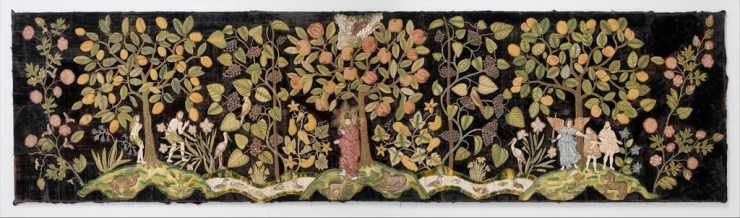
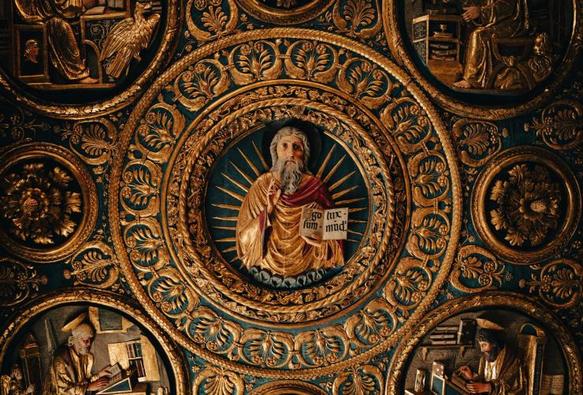
Book of Enoch

This is an ancient Jewish apocalyptic religious text. The author of this book, by tradition, is the patriarch Enoch. Enoch was the dad of Methuselah (the oldest man in the Christian & Hebrew Bible) & the great-grandpa of Noah.

The Book of Enoch has some quite unique passages on the origins of demons & the Nephilim, why some angels fell from Heaven, an explanation of why the Genesis Flood was morally necessary, & a prophetic explanation of the 1,000-year reign of the Messiah.

3 books are traditionally attributed to Enoch, including the distinct works of 2 Enoch & 3 Enoch.

1 Enoch isn’t considered to be canonical Scripture by most sects of Judaism & Christianity. Although it’s a part of the biblical canon used by the Ethiopian Jewish community, Beta Israel. As well as the Ethiopian Orthodox Tewahedo Church & the Eritrean Orthodox Tewahedo Church.

The older section of 1 Enoch is dated to circa 300-200 BCE. The latest part (Book of Parables) is probably from circa 100 BCE. It’s believed that Enoch was originally written in either Aramaic or Hebrew. The 1st languages used for Jewish texts. No Hebrew version is known to have survived.

Copies of the earlier sections of 1 Enoch were preserved in Aramaic among the Dead Sea Scrolls in the Qumran Caves. The full Book of Enoch survives in its entirety only in the Ge’ez translation. Ge’ez is an ancient South Semitic language. The language originated from what’s known as Ethiopia & Eritrea.

The 1st part of the Book of Enoch describes the fall of the Watchers, the angels who sired angel-human hybrids called the Nephilim. The rest of the book describes Enoch’s revelations & his visits to Heaven in the form of travels, visions, & dreams.

The book consists of 5 major sections:

  • The Book of the Watchers (1 Enoch 1-36)
  • The Book of Parables of Enoch (1 Enoch 37-71; sometimes called the Similitudes of Enoch)
  • The Astronomical Book (1 Enoch 72-82; sometimes called the Book of the Heavenly Luminaries or Book of Luminaries)
  • The Book of Dream Visions (I Enoch 83-90; sometimes called the Book of Dreams)
  • The Epistle of Enoch (1 Enoch 91-108)

The most extensive surviving early manuscripts of the Book of Enoch are in Ge’ez. Also, there are manuscripts used by the Ethiopian Orthodox Tewahedo Church to prepare the deuterocanonicals from Ge’ez into the targumic Amharic in the bilingual Haile Selassie Amharic Bible.

Judging by the number of copies found in the Dead Sea Scrolls, the Book of Enoch was widely read during the Second Temple period. Today, the Ethiopian Beta Israel community of Haymanot Jews is the only Jewish group that accepts the Book of Enoch as canonical & still preserves it in its liturgical language of Ge’ez. It plays a central role in worship.

However, the Book of Enoch was excluded from both the formal canon of the Tanakh (the Jewish/Hebrew Bible) & the Septuagint (the Greek Old Testament, the earliest Greek translation of the Hebrew Bible from the original Biblical Hebrew). Also from the writings known today as the Deuterocanon.

By the 5th century, the Book of Enoch was mostly excluded from Christian biblical canons. It is now regarded as Scripture only by the Ethiopian Orthodox Tewahedo Church & the Eritrean Orthodox Tewahedo Church.

The Book of Enoch was considered as Scripture in the Epistle of Barnabas & by some of the early Church Fathers (like Clement of Alexandria & Tertullian) who wrote circa 200 that the Jews had rejected the Book of Enoch because it purposely contained prophecies about Jesus.

The Church of Jesus Christ of Latter-day Saints (Mormons) don’t consider 1 Enoch to be part of its standard canon. Although it believes that a purported, “original” Book of Enoch was an inspired book.

The Book of Moses (1st published the 1830s by the Mormon Church) is part of its standard works & has a section that claims to contain extracts from the “original” Book of Enoch.

This section has a number of similarities to 1 Enoch & other Enoch texts, including 2 Enoch, 3 Enoch, & The Book of Giants. The Enoch section of the Book of Moses is believed by the Church to contain extracts from “the ministry, teachings, & visions of Enoch.”

Though it doesn’t have the entire Book of Enoch itself. The Mormon Church considers the potions of the other texts that match its Enoch excerpts to be inspired while not rejecting but withholding judgment on the remainder.

Make a one-time donation

Your contribution is appreciated.

Donate

Make a monthly donation

Your contribution is appreciated.

Donate monthly

Make a yearly donation

Your contribution is appreciated.

Donate yearly #1830s #5thCentury #Amharic #Aramaic #AstronomicalBook #BetaIsrael #bible #BookOfDreamVisions #BookOfDreams #BookOfEnoch #BookOfGiants #BookOfLuminaries #BookOfMoses #BookOfParables #BookOfParablesOfEnoch #BookOfTheHeavenlyLuminaries #BookOfTheWatchers #Christianity #ChurchFather #ChurchOfJesusChristOfLatterDaySaints #Circa100BCE #Circa200 #circa200BC #Circa300BCE #ClementOfAlexandria #DeadSeaScrolls #Deuterocanon #Deuterocanonicals #Enoch #EpistleOfBarnabas #EpistleOfEnoch #Eritrea #EritreanOrthodoxTewahedoChurch #Ethiopia #EthiopianOrthodoxChurch #GeEz #Genesis #GreekOldTestament #HaileSelassieAmharicBible #Hebrew #Jesus #Jewish #Judaism #Messiah #Methuselah #MormonChurch #Mormons #Nephilim #Noah #NoahSFlood #OrthodoxTewahedoChurch #Patriarch #Qumran #SecondTemple #Septuagint #SimilitudesOfEnoch #SouthSemitic #Tanakh #Tertullian #Watchers

Nephilim

The Nephilim are mysterious beings or humans mentioned in the Bible. Traditionally understood as beings of great size & strength, or alternatively as beings of great power & authority.

The 1st biblical reference to them happens in Genesis 6:4. According to Numbers 13:33, 10 of the 12 spies reported the existence of Nephilim in Canaan before its conquest by the Israelites.

Interpretations vary vastly across traditions. Second Temple texts like 1st Enoch & Jubilees picture the Nephilim as offspring of fallen angels (Watchers) & of human women, portraying them as evil giants whose corruption led to the flood that’s told in the book of Genesis.

Some viewed the Nephilim as the descendants of Seth intermarrying with Cain’s lineage. Just to put this into perspective, Seth & Cain are biological brothers (half or whole, depending on the story). Their descendants married each other. It would be like marrying your cousins. Not 1st or 2nd cousins. But cousins nonetheless.

While others support the fallen angel theory. This was later supported by the Dead Sea Scrolls. Islamic tradition links them to the giant tribe of ‘Ad. While other theories link them with the Sumerian Apkallu myths or elite Canaanite warriors.

Over time, the Nephilim have been reimagined in popular culture: they appear in novels, films, video games, & conspiracy theories unrelated to religion. They are often pictured as powerful hybrids, ancient gods, or remnants of a lost superhuman race. Or the race of giants that Goliath descended from.

In the Bible, 3 interconnected passages refer to the Nephilim. 2 of them are in the Torah (Old Testament). The 1st appearance in Genesis 6:1-4. This is immediately before the Noah’s Ark story. Genesis 6:4 says: The Nephilim were in the earth in those days, & also after that when the sons of God came in unto the daughters of men & they bore children to them; the same were the mighty men that were of old, the men of renown.

A few things hit differently in this passage:

  • Heavenly beings can have biological human children? How is this physically possible? If, after all, they’re spiritual beings?
  • Why would God give/allow these “angels” the ability to even have kids in the 1st place? In modern times, we don’t think of angels as having the ability to have kids. Even the fallen ones. We do tend to think that Satan himself is the only 1 that can somehow have kids (the Antichrist).
  • Who, exactly, were these “men of renown”? Like we, personally, just want 2-3 of the names. Is it some guys we’ve never even heard of? Or would it confirm some names we already know? Like yep, our fav demigod Hercules made the short list. But some decisions happened on the editing room floor. Sorry Herc!

“Those days” were a period when the human population on the earth had started to really take off. This was when people began “to be plentiful on the Earth.”

The 2nd is Numbers 13:32-33, where 10 of the 12 spies describe the Anakites (a Rephaite tribe) as descendants of the Nephilim. Outside the Pentateuch, there are 1 more passage indirectly referencing nephilim & this is Ezekiel 32:17-32.

The earliest translation of the Bible (the Septuagint), which was composed in the 3rd or 2nd century BC, gives the said word as gigantes. In Greek mythology, the gigantes were beings of great strength & aggression. But not necessarily of great size.

The Vulgate (compiled in the 4th or 5th century AD) transcribes the Greek term rather than translating the Hebrew nefilim. From there, the tradition of the giant progeny of the sons of God & the daughters of men spread to later medieval translations of the Bible.

From the 3rd century onwards, references are found in Enochic literature, the Dead Sea Scrolls, the Jubilees, the Testament of Reuben, 2 Baruch, Josephus, & the Book of Jude.

The New American Bible commentary draws parallels between the Epistle of Jude & the statements in Genesis. This suggests that Jude refers implicitly to the paternity of the Nephilim as heavenly beings who came to earth & had spicy adult time with human women.

The story of the Nephilim is elaborated in the Book of Enoch. The Greek, Aramaic, & main Ge’ez manuscripts of 1 Enoch & Jubilees acquired in the 19th century (held in the British Museum & the Vatican Library) connect the origin of the Nephilim with the fallen angels, & in particular with the egregoroi (watchers).

In this tradition, the kids of the Nephilim are called the Elioud. They’re considered a separate race from the Nephilim. But they end up sharing the same fate as the Nephilim.

Some believe the fallen angels who sired the Nephilim were cast into Tartarus (II Peter 2:4, Jude 1:6), a place of “total darkness.” An interpretation is that God granted 10% of the disembodied spirits of the Nephilim to remain after Noah’s deluge, as demons, to try to lead the human race astray until the Final Judgment.

The Book of Jubilees also says that ridding the Earth of these pesky Nephilim was 1 of God’s purposes for flooding the Earth in Noah’s day. It describes the Nephilim as being evil giants.

A long-held view in some Christian sects is that the “sons of God” were the formerly righteous descendants of Seth (Adam & Eve’s 3rd kid) who rebelled. While the “daughters of men” were the unrighteous descendants of Cain. The Nephilim were their offspring. This view dates to at least the 1st century AD in Jewish literature. It was found in Christian sources from the 3rd century.

Some individuals & groups (including St. Augustine, John Chrysostom, & John Calvin) take the view of Genesis 6:2 that the “angels” who fathered the Nephilim referred to certain human males from Seth’s lineage. They were called sons of God in reference to their prior covenant with Yahweh (Deut. 14:1, 32:5). In these sources, these men had begun to pursue bodily interests, & so took wives of “the daughters of men.”

This view is also held by the Ethiopian Orthodox Church. This is supported by their own Ge’ez manuscripts & Amharic translation of the Haile Selassie Bible (1 Enoch & Jubilees also), which count as canonical by this church. The “Sons of Seth” view is the view presented in a few extra-biblical, yet ancient texts.

In these sources, these kids of Seth were said to have disobeyed God by breeding with the Cainites & producing wicked kids “who were all unlike.” This angered God into bringing about our boy Noah’s flood.

If you subscribe to the ancient alien theory, then you’ll be familiar with Zacharia Sitchin. In his The Earth Chronicles series, Mr. Sitchin makes the claim that the Nephilim were an extraterrestrial race called the Anunnaki. The Anunnaki came down from the 12th Planet (Nibiru) & mated with (or at least genetically messed with) human women. They also gave humanity a few things: civilization, makeup, weapons, warfare, & farming. (Our founder is currently reading The 12th Planet right now, as of the date this posts. They are about done with it, like 2 more chapters!)

Make a one-time donation

Your contribution is appreciated.

Donate

Make a monthly donation

Your contribution is appreciated.

Donate monthly

Make a yearly donation

Your contribution is appreciated.

Donate yearly #Ad #19thCentury #1stCenturyAD #2Baruch #2ndCenturyBC #3rdCentury #3rdCenturyBC #4thCenturyAD #5thCenturyAD #Amharic #Anakites #Apkallu #Aramaic #bible #BookOfEnoch #BookOfJude #BritishMuseum #Cain #Cainites #Canaan #Canaanite #DaughtersOfMen #DeadSeaScrolls #Deluge #Deuteronomy141 #Deuteronomy325 #Egregoroi #Elioud #EpistleOfJude #EthiopianOrthodoxChurch #Eve #Ezekiel321732 #FinalJudgment #GeEz #Genesis #Genesis614 #Genesis62 #Genesis64 #giants #Goliath #GreatFlood #Greek #HaileSelassieBible #Hebrew #Hercules #IIPeter24 #Islam #Israelites #JohnCalvin #JohnChrysostom #Josephus #Jubilees #Jude16 #Nephilim #NewAmericanBible #NoahSArk #Numbers133233 #Numbers1333 #OldTestament #Pentateuch #Rephaites #SecondTemple #Septuagint #Seth #SonsOfGod #StAugustine #Sumeria #Sumerian #Tartarus #TestamentOfReuben #The12thPlanet #Torah #VaticanLibrary #Vulgate #Watchers #ZechariaSitchin

Elcesaites

Also known as Elkasaites, Elkesaites, or Elchasaites. The name comes from the alleged founder, Elkhasai, Elksai, or Elkesai.

They were an ancient Jewish Christian sect in Lower Mesopotamia. Then the province of Asoristan in the Sasanian Empire, which was active between the early 2nd century & the 5th century CE. The members of this sect, which began in the Transjordan, performed frequent baptisms for purification & had a Gnostic orientation.

The movement blended elements of Second Temple Judaism, early Jewish Christianity, Gnosticism, & apocalyptic mysticism. It’s mainly known through the writing of early Church Fathers such as Hippolytus of Rome, Origen, & Epiphanius of Salamis.

The sect is mentioned directly only in the commentaries on “heresies” by the Early Church Fathers. Hippolytus of Rome records that, in the time of Pope Callixtus I, a Jewish Christian named Alcibiades of Apamea came to Rome, bringing a book that he said had been received in Parthia by a just man named Elchasai.

According to Alcibiades, the book had been revealed by an angel 96 miles (154 km; 337,920 cubits) high, 16 miles (26 km; 56,230 cubits) broad, & 24 miles (39 km; 84,480 cubits) across the shoulders, whose footprints were 14 miles (23 km) long, 6 miles (9.7 km) wide & 2 miles (3.2 km) deep.

This giant angel was the “Son of God,” who was accompanied by his sister, the Holy Ghost/Spirit, of the same dimensions. Alcibiades announced that a new remission of sins had been proclaimed in the 3rd year of Trajan (100 AD). He described a baptism which should impart this forgiveness even to the grossest sinners.

Hippolytus says that Alcibiades teaches the natural birth, preexistence, & reincarnation of Jesus. Also, Alcibiades teaches circumcision & the Law of Moses. Hippolytus then goes on at length to describe the group’s teaching on baptism. For all sins of impurity, even against nature, a 2nd baptism is enjoined “in the name of the great & most high God & in the name of His Son the great King,” with a plea of the 7 witnesses written in the book (sky, water, the holy spirits, the angels of prayer, oil, salt, & earth).

One who has been bitten by a mad dog is to run to the nearest water & jump in with all his clothes on, using the foregoing formula, & promising the 7 witnesses that he’ll abstain from sin. The same treatment – 40 days consecutively of baptism in cold water – is recommended for consumption & for the possessed. Hippolytus discusses in more detail the teaching of the book, including Elchasai’s Sabbatarian teaching & the instruction not to baptize under certain astrological stars.

Eusebius records a summary of a sermon of Psalm 82 delivered in Caesarea by Origen circa 240-250 AD, which warns his audience against the doctrine of “the Elkesaites.” Eusebius’ record of this sermon forms the 2nd source on the group.

150 years later, Epiphanius of Salamis ground it into use among the Sampsaeans (descendants of the earlier Elceasites). Also among the Essenes & many other Ebionite communities. Epiphanius also mentions that the book condemned virginity & continence & made marriage obligatory.

It allowed the worship of cult images to escape persecution, provided the act was merely an external one, disavowed in the heart. Prayer was to be made to the East. But always towards Jerusalem. He also records that the saints of Elcesaites were 2 women: Martha (“mistress”) & Marthana (“our mistress”).

All animal sacrifice was condemned, with a denial that it had been offered by the Patriarchs or in the Torah. The Prophets & the Christian Apostles were rejected. As well as Paul the Apostle & all his writings.

The Cologne Mani-Codex (dated from the 4th century) describes the parents of Mani (founder of Manichaeism) as “followers of the prophet Alchasaias.” Scholars have identified with Elchasai. Alchasaios is stated to be a prophet also honored by Mani. His name appears in several other sources on Manichaeism. But in such an altered form that the identification with Elchasai was clear only with the publication of the Cologne Codex.

The Codex deals with the Elceasites extensively and confirms some of the Church Fathers’ statements about them. It pictures Mani as a “reformer” with the purpose to “restore” the true doctrine of the prophet Alchasaios, which his followers had “misunderstood.” In particular, Mani criticizes their repeated baptism rituals.

Make a one-time donation

Your contribution is appreciated.

Donate

Make a monthly donation

Your contribution is appreciated.

Donate monthly

Make a yearly donation

Your contribution is appreciated.

Donate yearly #100AD #4thCentury #5thCentury #Alchasaias #AlcibiadesOfApamea #Angel #Apostles #Asoristan #bible #Caesarea #Christianity #ChurchFathers #CologneManiCodex #Cubits #Early2ndCentury #Ebionite #Elcesaites #Elchasai #Elchasaites #Elkasaites #Elkesai #Elkesaites #Elkhasai #Elksai #EpiphaniusOfSalamis #faith #Gnostic #God #Heresy #HippolytusOfRome #Jerusalem #Jesus #JewishChristian #Judaism #LawOfMoses #LowerMesopotamia #Mani #Manichaeism #Origen #Parthia #Patriarchs #PaulTheApostle #PopeCalixtusI #Prophets #Psalm82 #Rome #Sabbatarian #Sampsaeans #SasanianEmpire #SecondTemple #Torah #Trajan #Transjordan

Why does the Book of Haggai begin with such a precise historical date?

“In the second year of King Darius, on the first day of the sixth month…”

This small detail opens an important question about how prophecy in the Hebrew Bible becomes anchored in historical time.

A short exploration here:
https://medium.com/prophetic-texts-biblical-history/haggai-begins-with-a-date-4e903489ac5c

#BiblicalStudies #HebrewBible #SecondTemple

Hello Mastodon.

I am an independent researcher focusing on Biblical studies,
particularly the prophetic period after the exile.

My current work explores the sequence:
Haggai → Zechariah → Malachi
and their reception in early Christian interpretation.

Articles and research notes are published on my Medium page.

Let’s begin this research journey into Biblical prophecy and reception history.

#BiblicalStudies
#SecondTemple
#BiblicalScholarship
#Haggai
#Zechariah
#Malachi

The Perfect among the Imperfect

https://youtu.be/CGw–ZXxT_E

“‘Dear Lord God, I wish to preach in your honor. I wish to speak about you, glorify you, praise your name. Although I can’t do this well of myself, I pray that you may make it good.’”[1]

Introduction

Our lives are filled with incongruity and dissonance. What should be, isn’t; what is, shouldn’t be. Daily we experience discrepancies in what we thought we’d get done and what we did get done. Sometimes those discrepancies are okay because we were able to do more than we expected; at other times, those incongruities make us feel like we’ve failed to live up to our self-idealized potential. We find ourselves saying one thing and then doing another. We make vows to ourselves, only to break them the next moment. Finding personal alignment between our outer and inner natures seems to be the hardest thing to do; I’m not surprised that, as a discipline of our discipleship, aligning ourselves is a daily deed, a process always in process.

Sometimes, though, the incongruity and dissonance aren’t relegated to our own personal experience in the world but lives outside of us in the world. We see things that shouldn’t be and things could be. We see things that are and the way it should be. We want to do something to rectify the discrepancy between what we see and we want to see, but then we freeze because we realize we cannot rectify the issue in the way we imagine we should. So, rather than try we quit before we’ve even started. Our hearts burn with desire, but the flesh is bogged down with woulds and coulds and shoulds. If I had x, I would… If I had y, I could… I should… but I won’t because … and on and on the excuses go forever letting our minds off the hook of even trying. We seem to be plagued by the idea of perfectionism that plagues humanity. Perfectionism is not always doing everything perfect but believing that when one does something it has to be perfect and, thus, if it can’t be done perfectly than why try…I might as well quit now. In this space, nothing ever gets done, our dreams whither, and our desire fizzles out.

While we might feel that perfectionism is a noble trait, indicative of someone who tries to excel and do well, it’s rather a sign that we are convinced that we don’t need God in the things we do (whether small or big). It’s a symptom of our autonomy that convinces us we need no help at all. And in this state we miss that God meets us directly in the process of working through and with the dissonance and incongruities.

Haggai 1:15b-2:9

The book of Haggai is made up of four divine reports given to the people of Judah still awaiting the rebuilding of the second temple and the restoration of Jerusalem and Judah.[2] In 539 BCE, God’s people had been liberated from the rule of Babylon by Cyrus II the king of Persia.[3] In 538 BCE, Cyrus II declared to the people that God had commanded him to rebuild the temple and (thus) restore Jerusalem.[4] The people to whom Haggai speak have been waiting for the temple to be rebuilt for 18 years (it’s now 520 BCE); they have seen Cyrus’s rule be handed over to Darius I.[5] In the absence of action, Haggai comes to exhort the Judeans to rebuild the temple and to consider[6] what a fitting location for God’s presence is.[7] (vv.1:15-2:1).

What type of encouragement is the prophet Haggai to bring to God’s people? Through Haggai, God exhorts God’s people not to be consumed by fear and continue to cling to the promises God has made. God exhorts them to faith even when everything seems to be going in the wrong direction. In the prompting of the divine Spirit, Haggai says to both the leader and high priest of Judah as well as the remnant of the people,[8]

Who is left among you that saw this house in its former glory? How does it look to you now? Is it not in your sight as nothing? Yet now take courage, O Zerubbabel, says God; take courage, O Joshua, son of Jehozadak, the high priest; take courage, all you people of the land, says God; work, for I am with you, says God of hosts, according to the promise that I made you when you came out of Egypt. My spirit abides among you; do not fear. (vv.3-5)

What is the fear that is plaguing the people? Why does God swoop in to comfort these afflicted few? Because they are troubled by the dissonance between what they want to do—build a grand and wonderful temple, fit for a king—and what they can do—not that.[9] These few being addressed by Haggai have neither wealth nor power, neither strength nor might to build the second temple like the first one was built, planned by David and completed by David’s son, Solomon. At that time, Israel and Judah were at a high of power and presence and could provide such splendor for their God;[10] here, in 520 BCE, those who are left are but a meager group of people comprising a poor province of Persia.[11]

What God intends to do through Haggai is to not only exhort the people toward comfort but to also exhort them to depend on God and God alone to make God’s dwelling rich and kingly. Haggai tells us more,

For thus says God of hosts: Once again, in a little while, I will shake the heavens and the earth and the sea and the dry land; and I will shake all the nations, so that the treasure of all nations shall come, and I will fill this house with splendor, says God of hosts. The silver is mine, and the gold is mine, says God of hosts. The latter splendor of this house shall be greater than the former, says God of hosts; and in this place I will give prosperity, says God of hosts (vv.6-9)

God will dwell with the faithful who love God in whatever temple they can build. God by God’s self, by God’s own power and might, will make that humble house a castle fit for a king. It is not up to the people to expend energy and resources they don’t have; rather, they are to do what they can and God will show up because God is already among them. This God in whom the people believe, whom they follow and trust, and whose promises are the very life breath of their existence (corporately and individually) is the same God who flung the stars, the moon, and the sun into the sky when there was yet nothing. It is this same God who will shake the nations and will cause all the wealth of these nations to flow into God’s domain.[12] In other words, God will—through the people and their humility and solidarity—be glorified; God will glorify God’s self through God’s people even in their meek and humble estate. And maybe even especially because of their meek and humble estate. In other, other words, the people should build from faith working itself out in love and not be concerned with silver or gold because God will take care of God’s own glory because God can and God will. [13]

Conclusion

Haggai’s words to a people long ago are words to us, today. Haggai addresses the incongruity and dissonance in our lives[14] and exhorts and encourages us to do what we can, as we can, in any way, shape, or form we can.

This isn’t about “God helping those who help themselves.” It’s about God being and dwelling among those who depend on God from day to day to day. According to Haggai, being the wealthiest, strongest, most powerful, or mightiest person isn’t a sure-fire way to bring God glory. Rather, according to Haggai, it’s about the humility of knowing our own human limits and what we can and cannot do and being faithful in the things we can do which is a faithfulness to God. In this humble action, God meets us because God is with those who are dependent on God, those who are doing what they can to bring God glory in the world. It’s not about having fancy ministries or flashy events for God, it’s about walking humble with God, loving righteousness and mercy, and seeking divine justice in the world for the wellbeing of the neighbor.

And, for us Christians, it’s about our dependence on the one who died for us, the one who loved us so much that he shrugged off his mighty and powerful status and became like us. We get lost in our desires to bring God glory according to the standards of the kingdom of humanity. We forget that Jesus came to show us a humbler and simpler way of dependence on God who always shows up, even in the presence of death.

Beloved, we do not need to be perfect to bring God glory; we just need to be who we are as we are, leaning on our beloved, Christ, and watch as the Holy Spirit works through us. Therein is God glorified, there in is perfect done.

[1] LW 54:157-158; Table Talk 1590.

[2] Ehud Ben Zvi, “Haggai,” 1243. The four reports, altogether, “address the restoration of the Temple, Judah, and Jerusalem in the Persian period.”

[3] Ehud Ben Zvi, “Haggai,” The Jewish Study Bible Jewish Publication Society Tanakh Translation, eds. Adele Berlin and Marc Zvi Brettler (Oxford: OUP, 2004), 1243. “The rebellion of Judah against the Babylonian empire led to the fall of Jerusalem (586 BCE),  the destruction of the Temple, a severe decrease in population due to death and deportation, and the end of monarchy in Judah. The Babylonian empire fell at the hands of a Persian dynasty (the Achaemenid dynasty) in 539. As a result, the Babylonian province of Judah became the Persian or Achaemenid province of Yehud. According to 2 Chronicles 36.22-23, the Persian conqueror of Babylon, Cyrus II (reigned 559-530) issued a proclamation in his first year after the conquest of Babylon (538) that stated, ‘The Lord, God of Heaven, has given me all the kingdoms of the earth and He has commanded me to build Him a Temple in Jerusalem, which is in Judah. Whoever is among you of his entire people, may the Lord be with him, and let him go up [to Jerusalem, to build the Temple]’ (cf. Ezra 1. 1-4).”

[4] Ehud Ben Zvi, “Haggai,” 1243. See quote in fn 3.”

[5] Ehud Ben Zvi, “Haggai,” 1243. Book is made of four reports all related to Haggai and occur in the second year of Darius (520) and “specifically, the first day of the sixth month, the twenty-first day of the seventh month, and the twenty -fourth day of the ninth month.”

[6] Ehud Ben Zvi, “Haggai,” 1244. “The divine message reported here does not deal with the construction of the temple per se, but with the question of whether the new Temple is an appropriate Temple for the Lord.”

[7] Ehud Ben Zvi, “Haggai,” 1243. “The book of Haggai is set about eighteen years later, in the second year of Persian king Darius I, that is, 520 BCE, and clearly implies that the Temple was still not rebuilt at that time. The book contains reports of theologically based exhortation to undertake the work of reconstruction and discusses the central role of the Temple in the life of the community.”

[8] Ehud Ben Zvi, “Haggai,” 1244. “The divine message here is addressed to both the two leaders and all the people. It is set on the 21st of Tishri, about a month since the leaders and the people took action, and in the last day of a festival, Sukkot.”

[9] Ehud Ben Zvi, “Haggai,” 1244. “…it was the Lord who answered these questions and legitimized the readership’s Temple. Still the text recognizes the incongruity and maintains that in the future it will be rectified. At that time the wealth of the world would flow to the house of the Lor d of all (vv. 7-8).”

[10] Ehud Ben Zvi, “Haggai,” 1244. “Can this temple be appropriate? May they expect such a temple to be pleasing to the Lord, even if it has not received the type of legitimating sign seen at the completion of the first Temple (1 kings 8.10-11)? Would the Lord be with them in such a case?”

[11] Ehud Ben Zvi, “Haggai,” 1244. “The underlying issue is the plain incongruity between the expected glory of the house of a king who is sovereign over all and the absolute lack of splendor or a relatively small temple of a minor, poor province (cf. Ezra 3.12-13).”

[12] Ehud Ben Zvi, “Haggai,” 1244. “Here the text assumes common, ancient Near Eastern concepts, namely that the wealth of a dominion should flow to the house of the ruler of the dominion, and that the manifestation of the glory of a king relates to the wealth flowing to him form the different nations and places under his dominion.”

[13] Ehud Ben Zvi, “Haggai,” 1244. “The expression silver is Mine and gold is Mine was taken by the Rabbis as teaching that gaining silver or gold is not an appropriate goal for mortals. Instead they stressed that Torah and good deeds are such goals.”

[14] Ehud Ben Zvi, “Haggai,” 1244.

#Dissonance #EhudBenZvi #GodSDwelling #Haggai #HolySpirit #Jesus #Perfection #Perfectionism #SecondTemple #Temple

November 9th 2025 Sermon

YouTube
More #screenshots of text
#israel
#palestine
#spqr
#titus
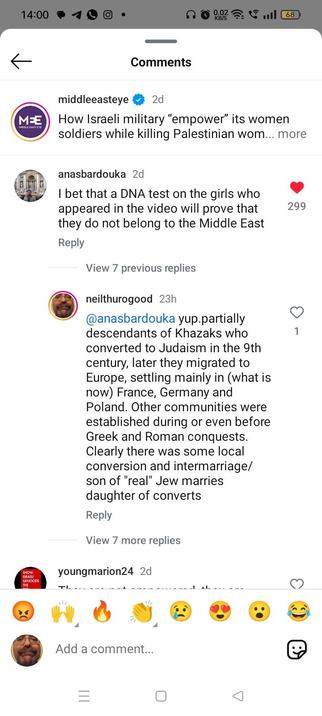
Note that #wikipedia seems to be #censoring the #khazak origins of #AskenaziJews
Titus was the emperor during the destruction of the #secondtemple in #jerusalem
The Wonder At The Well

The content describes an illustration for Redemption Press, depicting Jews going to pray at The Second Temple in Jerusalem. The artist used historical references to recreate the temple’s appe…

Karen B. Jones - Illustrator