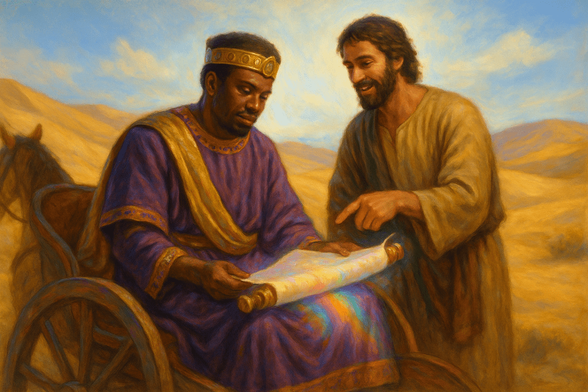
Looking Back: 30 Years of Shame and Finally Understanding My Experience

I’ve lived with this illness for over 30 years, and for most of that time I was ashamed of it.

Doctors kept telling me it was all in my head.

They said I was depressed, anxious, or that I just didn’t want to work hard enough. They usually prescribed antidepressants and anti-anxiety medications, claiming these drugs would fix me. While the medication may have helped my emotional state somewhat, it did nothing to fix the physical symptoms.

Thankfully, I eventually stopped letting them gaslight me into taking more and different medications.

Every time I tried to explain how my body would completely crash after doing normal things, I was met with skepticism or pity.

So I started doubting myself.

I felt weak.
I felt crazy.
I carried a lot of shame for something I couldn’t control.

The fatigue and exhaustion that comes with this illness is crushing.

It’s not normal tiredness. It’s a deep, heavy exhaustion that sleep doesn’t fix. Even the smallest activities can leave me completely wiped out for days.

My sleep tracker consistently shows that I get adequate deep sleep and REM sleep, yet I still wake up exhausted. That helped me understand something important:

The problem isn’t simply how much I sleep.

It’s that my dysautonomia prevents the sleep from being restorative.

In the early years, the emotional side of it felt a lot like PMS — that same sudden emotional dysregulation, irritability, and feeling completely off — except instead of happening once a month, it could hit at any time.

Only recently have I finally understood what’s really happening.

What I have is dysautonomia.

My autonomic nervous system doesn’t regulate properly anymore.

That’s why I can suddenly feel freezing cold in a warm room. That’s why I’m much more comfortable lying down than sitting or standing. And that’s why even mild activity can make my whole system short-circuit — suddenly bringing on intense brain fog, overwhelming exhaustion, headaches, insomnia, anxiety, and sometimes depression all at once.

ME/CFS always felt like an incomplete label to me.

Yes, I crash after exertion.
Yes, sleep doesn’t fix it.
Yes, my body has never functioned the way people expect it to.

But understanding it as dysautonomia finally explains the day-to-day reality of living in a body whose nervous system breaks down so easily.

The only thing that actually helps is pacing — staying within my energy envelope.

I try to live as close to the edge as I can, but carefully. Migraines and tinnitus have become warning signs for me. If I respect those early signals, I can often avoid triggering insomnia, which is far worse than a regular crash and completely throws me off balance.

After 30 years, I’ve finally stopped blaming myself.

That alone has been healing.

I’m sharing this journal entry in case it gives someone else a little more language for their own experience.

And for family members, friends, and doctors: please know that when we keep turning down invitations, or seem withdrawn, or disappear for long stretches of time, it’s not because we don’t want to be around you.

Our energy is extremely limited.

We have to be very careful to avoid crashes.

Even now, I keep a little journal between doctor visits so I can clearly communicate what I’ve been experiencing. If you’re struggling to explain this illness during appointments, writing things down and bringing it with you can be incredibly helpful.

Sometimes understanding does not cure the body.

But it can begin to release the shame.

And after so many years of being misunderstood, that matters.

#30YearsOfIllness #AnxietyAndChronicIllness #AutonomicDysfunction #AutonomicNervousSystem #brainFog #chronicFatigue #chronicFatigueSyndrome #chronicIllness #ChronicIllnessAndShame #ChronicIllnessAwareness #ChronicIllnessBlogger #chronicIllnessJourney #chronicIllnessSupport #ChronicIllnessValidation #CrashPrevention #DepressionAndChronicIllness #disability #DisabledLife #DoctorVisits #Dysautonomia #DysautonomiaAwareness #energyEnvelope #Exhaustion #Fatigue #HealingShame #health #HealthJournal #insomnia #InvisibleDisability #invisibleIllness #life #LifeWithDysautonomia #ListeningToTheBody #livingWithChronicIllness #livingWithMECFS #LongTermIllness #MECFS #MECFSAwareness #MedicalGaslighting #mentalHealth #MigraineWarningSigns #MyalgicEncephalomyelitis #NervousSystemDysfunction #nervousSystemRegulation #NonRestorativeSleep #OrthostaticIntolerance #pacing #pacingWithMECFS #patientAdvocacy #PEM #postExertionalMalaise #postViralIllness #rest #RestorativeRest #selfCompassion #ShameAndIllness #Spoonie #SpoonieLife #symptomTracking #tinnitus #UnderstandingChronicIllness #wellness #writing

God Meets You Where You Are — And Gives You a New Heart

973 words, 5 minutes read time.

Introduction:

Have you ever felt like faith isn’t for people like you? Like God must surely be looking for someone more perfect, more put together, more acceptable? Pride Month can stir up a lot of feelings for LGBTQ+ Christians — from celebration to pain. Many have been told that God is far away from them, or worse, that they must change who they are before they’re even welcome in His presence. But the truth of Scripture tells a different story — a story of a God who always meets people exactly where they are. Whether you’re in a desert, at a well, up a tree, or in the middle of an identity that others don’t understand — He comes to you. He sees you. And He loves you enough not just to meet you, but to transform your heart with His love.

Scripture:

“I will give you a new heart and put a new spirit in you; I will remove from you your heart of stone and give you a heart of flesh.”
Ezekiel 36:26 (NIV)

Reflection/Teaching:

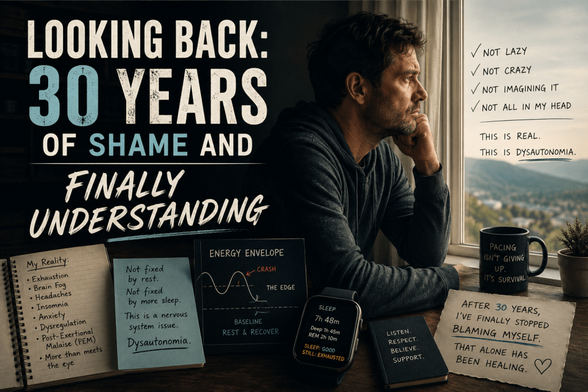
In Acts 8, we meet someone society wouldn’t expect to be central to a divine encounter: a Black, foreign, likely queer-coded Ethiopian eunuch. According to Jewish law (Deuteronomy 23:1), he would have been excluded from the temple, despite making a long journey to worship in Jerusalem. Yet he’s reading the prophet Isaiah in his chariot — hungry for God, even if unsure of his place in the story. That’s when God sends Philip, a follower of Jesus, directly into the eunuch’s path.

Philip doesn’t correct him or question his identity. Instead, he asks a question: “Do you understand what you are reading?” The eunuch answers honestly: “How can I, unless someone explains it to me?” What happens next is profound: Philip climbs into the chariot and explains the Scripture, pointing him to Jesus — a Savior who understands rejection, who suffered unjustly, and who brings people into a new kind of family. When they come upon water, the eunuch asks, “What can stand in the way of me being baptized?” The answer is nothing. He is baptized immediately, and the Bible says he went on his way rejoicing.

This story, tucked into the early chapters of the Church’s history, is a radiant declaration that the Kingdom of God makes room for the excluded — and not just room, but celebration. God met the eunuch in his search, in his difference, and in his questions — and gave him the joy of full belonging.

Jesus did this again and again. He met the woman at the well in John 4, a woman excluded by society and religion, and instead of condemning her, He revealed who He truly was — maybe for the very first time. He met Zacchaeus, a corrupt tax collector hiding in a tree, and invited Himself to his home before Zacchaeus had done a single thing to change. And in Matthew 19:12, Jesus even acknowledges eunuchs — people who didn’t fit into typical gender or sexual norms — and affirms that some were born that way, some made that way, and some chose it for the Kingdom of Heaven. It wasn’t rejection. It was recognition.

These stories all echo the same divine heartbeat we hear in Ezekiel 36:26. When God meets us, He doesn’t meet us to erase us — He meets us to transform our hearts. The heart of stone — hardened by rejection, shame, or self-protection — is replaced with a heart of flesh, capable of receiving love and giving it back.

Application:

If you’ve been told your identity disqualifies you from God’s love, hear this clearly: God meets you where you are. You don’t have to hide. You don’t have to fix yourself first. What He asks is your openness — your willingness to say, like the eunuch, “I want to understand,” or like the woman at the well, “I want living water.” When God meets you, He brings more than just comfort — He brings transformation. Not to take away who you are, but to restore who you were created to be: fully alive, fully loved, and fully known.

So ask yourself today: Am I willing to let God meet me here? Am I open to the work of love that softens what shame has hardened? God doesn’t need you to be more religious — He just wants you to be real.

Prayer:

God of welcome and wonder, thank You for meeting me in my realness — in my doubts, my questions, my identity, and my desire to be loved. Thank You that I don’t have to be perfect for You to draw near. Soften my heart, God. Where there has been hardness from pain, replace it with a heart that can feel again, hope again, believe again. Teach me to trust that Your love is not a trap, but a promise. Walk with me as I grow in grace and in truth. I belong to You. Amen.

Closing Thoughts:

This Pride Month, let this be your reminder: God is not waiting at a distance. He’s already walking your way. Whether you’re in the chariot or on the roadside, in a church pew or walking away from one — He’s already beside you. And He’s ready to give you a new heart — not to erase you, but to revive you. You are loved. You are seen. You are not too far gone.

Want more devotionals like this in your inbox?

Subscribe to our newsletter for weekly encouragement rooted in Scripture and love — especially for those who’ve ever been told they don’t belong. Because you do.

D. Bryan King

Disclaimer:

The views and opinions expressed in this post are solely those of the author. The information provided is based on personal research, experience, and understanding of the subject matter at the time of writing. Readers should consult relevant experts or authorities for specific guidance related to their unique situations.

Related Posts

#Acts8Devotional #baptizedWithJoy #biblicalAcceptance #ChristianLGBTHope #ChristianLGBTQAcceptance #ChristianPride #churchAndPride #devotionForPride #EthiopianEunuch #eunuchInScripture #eunuchPrideMonth #eunuchsInTheBible #Ezekiel3626 #faithAndIdentity #faithForAll #genderAndFaith #GodIncludesEveryone #GodLovesLGBTQ #GodMeetsYouWhereYouAre #GodSeesYou #gospelAndInclusion #healingShame #heartOfFlesh #inclusiveDevotional #inclusiveFaith #inclusiveGospel #inclusiveGospelTeaching #intersectionalFaith #JesusAndOutsiders #JesusMeetsUs #JesusWelcomesOutsiders #LGBTQChristian #LGBTQFaithJourney #LGBTQSpirituality #loveAndIdentity #marginalizedInTheBible #modernFaithMessage #newHeartBibleVerse #PhilipAndEunuch #PhilipTeachesEunuch #PrideAndChristianity #prideAndScripture #PrideMonthDevotional #progressiveChristianity #progressiveFaithDevotion #queerBibleDevotion #queerBibleStories #queerChristianMessage #queerTheology #queerCodedCharactersBible #safeSpaceChurch #spiritualRenewal #transformativeLoveOfGod #WomanAtTheWell #ZacchaeusStoryDevotional