Il Foglio RSS: I buoni risultati di Ita: 3,2 miliardi di euro di ricavi

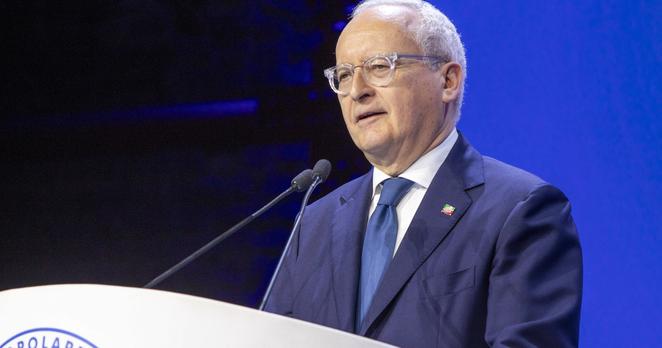
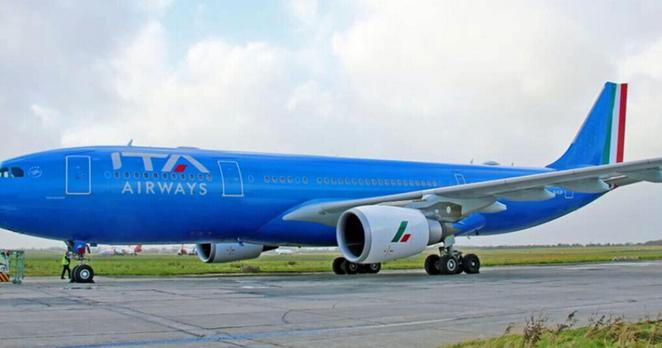
Ita Airways – la compagnia nata dalle ceneri della vecchia Alitalia – ha chiuso il 2025 con 3,2 miliardi di euro di ricavi (di cui 2,8 dal trasporto passeggeri) e 209 milioni di utile. Si tratta di un risultato incoraggiante per la nuova compagnia, che l’anno scorso è entrata nell’orbita di Lufthansa con l’acquisto del 41 per cento del capitale da parte del vettore tedesco (il restante 59 per cento rimane in pancia al Tesoro). Ma è un risultato impressionante in prospettiva storica: è la prima volta in trent’anni che il bilancio della compagnia di bandiera non finisce in rosso. Ita non ha toni celebrativi e mette le mani avanti di fronte alle difficoltà economiche e geopolitiche (che si sono aggravate nel corso del 2026). Inoltre, l’amministratore delegato, Joerg Eberhart, avverte che “per raggiungere una profittabilità pienamente sostenibile dobbiamo ridurre il peso degli oneri legati ai leasing della flotta”.
Eppure, prudenza a parte, non può sfuggire che Ita oggi opera in condizioni radicalmente diverse da quelle del passato. In primo luogo, nonostante la presenza ancora ingombrante del Mef, dal punto di vista industriale agisce come un’azienda privata, poiché quella di Lufthansa è una partecipazione industriale, non finanziaria. Ma anche in passato Alitalia è stata privata, per esempio all’epoca dei “capitani coraggiosi” o con Etihad. L’altra grande differenza, allora, è la piena integrazione in un grande vettore europeo, che ha saputo valorizzarne i punti forti, emancipandola dalla sua condizione penalizzante di essere troppo piccola per essere grande e troppo grande per essere piccola. Questo risultato rende anche giustizia alla scelta di Giancarlo Giorgetti di accettare l’offerta di Lufthansa, abbandonando la strada tracciata da Draghi che avrebbe portato Alitalia tra le braccia di AirFrance. Il progetto francese, diversamente da quello tedesco, non era di integrazione, bensì di partnership, e assegnava un ruolo più ampio all’azionista pubblico. E’ presto per dire come andrà a finire, ma i primi segnali suggeriscono – e non ci stupisce – che la rotta della privatizzazione era quella giusta.

Ita’s good results: €3.2 billion in revenue

Ita Airways – the airline born from the ashes of the old Alitalia – closed 2025 with revenues of €3.2 billion (of which €2.8 billion from passenger transport) and a profit of €209 million. This is an encouraging result for the new airline, which last year entered Lufthansa’s orbit with the German carrier’s purchase of 41 percent of the capital (the remaining 59 percent remains in the Treasury’s possession). But it’s an impressive result in historical perspective: it’s the first time in thirty years that the airline’s balance sheet doesn’t end in the red. Ita doesn’t have celebratory tones and warns of the economic and geopolitical difficulties (which have worsened throughout 2026). Furthermore, CEO Joerg Eberhart warns that “to achieve fully sustainable profitability, we must reduce the weight of liabilities related to fleet leasing.”

However, despite caution, it cannot be denied that Ita operates today under conditions radically different from those of the past. Firstly, despite the still cumbersome presence of the Ministry of Economy and Finance, from an industrial point of view it operates as a private company, as Lufthansa’s is an industrial, not financial, participation. But even in the past, Alitalia was private, for example during the times of the “bold captains” or with Etihad. The other major difference is the full integration into a large European carrier, which has been able to value its strengths, emancipating it from its penalizing condition of being too small to be great and too great to be small. This result also does justice to Giancarlo Giorgetti’s choice to accept Lufthansa’s offer, abandoning the path traced by Draghi, which would have brought Alitalia into the arms of AirFrance. The French project, unlike the German one, was not of integration, but of partnership, and assigned a broader role to the public shareholder. It’s too early to say how it will end, but the first signals suggest – and we are not surprised – that the privatization route was the right one.

#ItaAirways #Lufthansa #German #41percent #59percent #Treasury #first #JoergEberhart #Firstly #Alitalia #Etihad #European #Draghi #AirFrance #French

https://www.ilfoglio.it/economia/2026/03/26/news/i-buoni-risultati-di-ita-3-2-miliardi-di-euro-di-ricavi-8834471/

I buoni risultati di Ita: 3,2 miliardi di euro di ricavi

I primi segnali incoraggianti di una privatizzazione difficile ma necessaria. È la prima volta in trent’anni che il bilancio della compagnia di bandiera non finisce in rosso

La Stampa - News, inchieste e approfondimenti La Stampa: Meloni, la prima sconfitta che incrina l'immagine di leader del popolo: addio al premierato

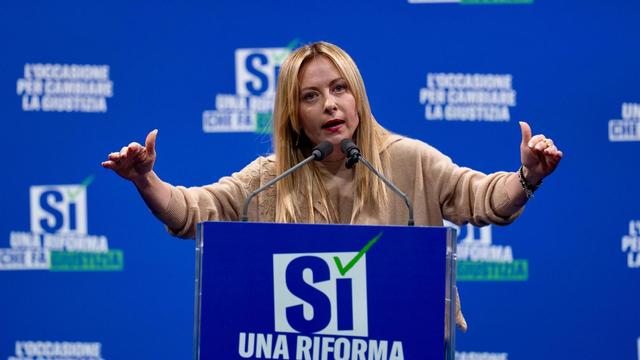
È il primo rovinoso inciampo della premier da quando è al potere. E così si incrina, innanzitutto, la sua narrazione di leader del popolo

Meloni, the first defeat that undermines the image of the people’s leader: goodbye to the premiership.

It is the premier’s first disastrous stumble since she took power. And so, firstly, her narrative of leader of the people cracks.

#Meloni #first #firstly

https://www.lastampa.it/politica/2026/03/23/news/meloni_referendum_sconfitta_premierato-15557046/

Meloni, la prima sconfitta che incrina l'immagine di leader del popolo: addio al premierato

È il primo rovinoso inciampo della premier da quando è al potere. E così si incrina, innanzitutto, la sua narrazione di leader del popolo

La Stampa

Agi: Consiglio Ue, Kallas: Abbiamo bisogno di uscire da guerra nel Golfo, non di un'escalation

AGI/Vista - (Agenzia Vista) Bruxelles19 marzo 2026 "Naturalmente oggi abbiamo un lungo ordine del giorno, argomenti molto importanti come l'energia. E il mercato unico, ma per quanto mi riguarda è ovviamente ciò che sta accadendo in Medio Oriente e in Ucraina. Quindi, innanzitutto in Medio Oriente, gli attacchi dell’Iran alle infrastrutture energetiche del Qatar creano ulteriore caos ed è chiaro che abbiamo bisogno di un’uscita da questa guerra, non di un’escalation", lo ha detto l'Alta rappresentante dell'Unione per gli affari esteri Kallas al Consiglio Ue . Ebs Fonte: Agenzia Vista / Alexander Jakhnagiev

Council of the EU, Kallas: We need to get out of the war in the Gulf, not an escalation.

AGI/Vista - (Agenzia Vista) Brussels 19 March 2026 “Naturally today we have a long agenda, very important topics such as energy. And the single market, but as far as I’m concerned it’s what’s happening in the Middle East and in Ukraine. So, firstly in the Middle East, Iran’s attacks on the Qatar energy infrastructure are creating further chaos and it’s clear that we need an exit from this war, not an escalation,” said the High Representative of the Union for Foreign Affairs Kallas to the EU Council. Ebs Source: Agenzia Vista / Alexander Jakhnagiev

#Kallas #AgenziaVista #Brussels #theMiddleEast #Ukraine #firstly #Qatar #theEUCouncil

https://www.agi.it/vista-tv/video/2026-03-19/consiglio-ue-kallas-abbiamo-bisogno-di-uscire-da-guerra-nel-golfo-non-di-un-escalation-36190980/

Il Fatto Quotidiano: Cuore bruciato, la Regione dispone ispezione nell’azienda ospedaliera: “Quadro di gravi criticità”

La Regione Campania ha disposto un’ispezione nell’azienda ospedaliera dei Colli, da cui dipende l’ospedale Monaldi, la struttura dove è stato effettuato il trapianto di cuore del piccolo Domenico Caliendo. “L’accertamento avviato nelle scorse settimane ha restituito un quadro estremamente preoccupante”, ha spiegato il presidente della Regione, Roberto Fico, annunciando un primo pacchetto di misure. Anzitutto, come detto, una “ispezione straordinaria” nell’azienda ospedaliera, che si avvarrà anche di professionalità esterne e dovrà verificare l’organizzazione e l’operato dell’azienda, per accertare “se le condizioni che hanno reso possibile il tragico evento fossero note o conoscibili e siano state poi adottate le misure necessarie più opportune”.
L’istruttoria condotta nelle scorse settimane dalla Direzione generale per la Tutela della Salute della Regione “ha accertato un quadro di criticità più grave di quanto inizialmente emerso”. Innanzitutto, spiega la Regione, “protocolli di trasporto e conservazione” degli organi “non aggiornati”, quindi il “mancato utilizzo di dispositivi di conservazione disponibili in Azienda” e “formazione del personale inadeguata”. Inoltre sono emersi “un clima relazionale interno gravemente deteriorato e preesistente all’evento del 23 dicembre 2025”, data del trapianto, nonché “significativi ritardi nelle comunicazioni alle autorità sanitarie regionali e nazionali”.
L’insieme di questi elementi “configura una problematicità organizzativa sistemica preesistente”, rileva la Regione. “Voglio ribadire la più sentita vicinanza alla famiglia del piccolo Domenico. Questa vicenda dolorosissima ha stravolto le loro vite e ha segnato una comunità intera – ha detto il presidente Fico – E ci impone di intervenire con la massima determinazione, serietà e senso di responsabilità affinché eventi del genere non abbiano più a ripetersi. Ringrazio infine anche il personale medico e paramedico che continua ad assicurare con spirito di servizio le cure dovute ai cittadini campani”.
L'articolo Cuore bruciato, la Regione dispone ispezione nell’azienda ospedaliera: “Quadro di gravi criticità” proviene da Il Fatto Quotidiano.

Burned heart, the Region is ordering an inspection at the hospital: “A picture of serious critical issues.”

The Campania Region has ordered an inspection of the Colli hospital complex, from which the Monaldi Hospital depends, the facility where the heart transplant of young Domenico Caliendo was performed. “The investigation, initiated in recent weeks, has yielded an extremely worrying picture,” explained the President of the Region, Roberto Fico, announcing a first package of measures. Firstly, as stated, a “special inspection” of the hospital complex, which will also utilize external professionals and must verify the organization and operations of the company, to ascertain “whether the conditions that made the tragic event possible were known or could have been known and whether the necessary and appropriate measures were then taken.”

The investigation conducted in recent weeks by the General Direction for Health Protection of the Region “has ascertained a more serious picture of criticalities than initially emerged.” Firstly, the Region explains, “transport and storage protocols” of the organs “were not updated,” therefore the “failure to use available conservation devices within the Company” and “inadequate staff training.” Furthermore, “a seriously deteriorated and pre-existing internal relational climate” emerged prior to the December 23, 2025 event (the date of the transplant), as well as “significant delays in communications to the regional and national health authorities.”

The combination of these elements “constitutes a systemic organizational problem,” the Region notes. “I want to reiterate my deepest sympathy to the family of the young Domenico. This incredibly painful affair has overturned their lives and marked an entire community – said President Fico – and it imposes on us the need to intervene with the utmost determination, seriousness and sense of responsibility so that events of this kind do not happen again. I finally thank the medical and paramedic staff who continue to provide care to the citizens of Campania with a spirit of service.”

The article “Burned Heart, the Region Orders Inspection of Hospital Complex: ‘Picture of Grave Criticalities’ ” comes from Il Fatto Quotidiano.

#Region #Colli #MonaldiHospital #DomenicoCaliendo #RobertoFico #first #Firstly #Domenico #Campania #BurnedHeart #IlFattoQuotidiano

https://www.ilfattoquotidiano.it/2026/03/16/cuore-bruciato-domenico-regione-ispezione-azienda-ospedaliera-news/8326404/

Cuore bruciato, la Regione dispone ispezione nell’azienda ospedaliera: “Quadro di gravi…

Dall'istruttoria sono emersi "protocolli di trasporto e conservazione" degli organi "non aggiornati" e il "mancato utilizzo di dispositivi di conservazione" e "formazione inadeguata"

Il Fatto Quotidiano

Il Fatto Quotidiano: Modello Venezuela e rischi per i Paesi del Golfo: perché Trump ha chiesto a Israele di non colpire gli impianti energetici in Iran

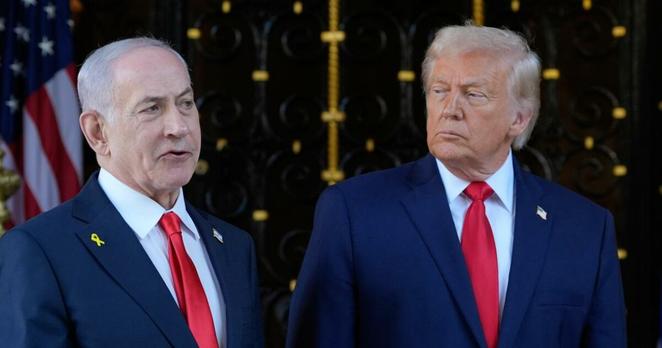
Per la prima volta dall’inizio degli attacchi contro l’Ira gli Stati Uniti richiamano Israele provando a porre delle restrizioni alle azioni dell’alleato. Gli Usa, secondo quanto riporta Axios, hanno infatti chiesto al governo guidato da Benjamin Netanyahu e all’esercito di fermare gli attacchi alle infrastrutture energetiche iraniane.
Il messaggio di Washington, scrive Axios citando tre fonti a conoscenza della questione, è stato recapitato a un alto livello politico e al capo di stato maggiore delle Idf, Eyal Zamir. Una richiesta argomentata con tre motivazioni. L’amministrazione guidata da Donald Trump, innanzitutto, pensa già al dopoguerra: l’obiettivo Usa è quello di cooperare con il settore petrolifero iraniano. In pratica applicare il modello Venezuela dove il petrolio, nell’era del dopo Nicolàs Maduro, è direttamente controllato dagli Stati Uniti.
Il secondo motivo è sia quello di evitare attacchi che possano danneggiare la popolazione iraniana e il timore di un incontrollato aumento dei prezzi del petrolio. Anche perché gli Stati Uniti temono – e questo è il terzo punto – che i raid contro gli impianti petroliferi iraniani possano innescare una potente rappresaglia dei Pasdaran contro le infrastrutture energetiche dei vicini Paesi del Golfo.
Proprio oggi (martedì 10 marzo), all’undicesimo giorno di guerra in Medio Oriente, il Qatar ha affermato che l’Iran continua gli attacchi contro le sue infrastrutture civili e ha messo in guardia sulle conseguenze economiche globali dei raid, anche di quelli di Usa e Israele: “Gli attacchi contro gli impianti energetici che hanno avuto luogo da entrambe le parti costituiscono un precedente pericoloso e avranno ripercussioni in tutto il mondo”, ha sottolineato il portavoce del ministero degli Affari esteri del Qatar, Majed al-Ansari.
L'articolo Modello Venezuela e rischi per i Paesi del Golfo: perché Trump ha chiesto a Israele di non colpire gli impianti energetici in Iran proviene da Il Fatto Quotidiano.

Venezuela Model and Risks for Gulf Countries: Why Trump Asked Israel Not to Strike Iranian Energy Facilities

For the first time since the attacks against Iran began, the United States is calling Israel, attempting to impose restrictions on the actions of the ally. The US, according to Axios, has asked the government led by Benjamin Netanyahu and the Israel Defense Forces army to halt attacks on Iranian energy infrastructure.

The message from Washington, Axios writes, citing three sources familiar with the matter, was delivered at a high political level and to the Chief of Staff of the IDF, Eyal Zamir. A request based on three justifications. The administration led by Donald Trump, firstly, is already thinking about the post-war period: the US goal is to cooperate with the Iranian oil sector. In practice, applying the Venezuela model, where oil is directly controlled by the United States in the era of Nicolás Maduro.

The second reason is to avoid attacks that could damage the Iranian population and the fear of an uncontrolled increase in oil prices. This is also because the United States fears – and this is the third point – that raids against Iranian oil facilities could trigger a powerful retaliation by the Basij against the energy infrastructure of neighboring Gulf countries.

Just today (Tuesday, March 10th), on the eleventh day of war in the Middle East, Qatar stated that Iran continues to attack its civilian infrastructure and warned about the global economic consequences of the raids, including those by the US and Israel: “The attacks on energy facilities that have taken place on both sides constitute a dangerous precedent and will have repercussions worldwide,” said the spokesman for the Qatari Foreign Ministry, Majed al-Ansari.

The article Venezuela Model and Risks for Gulf Countries: Why Trump Asked Israel Not to Strike Iranian Energy Plants comes from Il Fatto Quotidiano.

#first #theUnitedStates #Israel #Axios #BenjaminNetanyahu #Iranian #Washington #EyalZamir #DonaldTrump #firstly #Venezuela #NicolásMaduro #second #third #theMiddleEast #Qatar #Majedal-Ansari #IlFattoQuotidiano

https://www.ilfattoquotidiano.it/2026/03/10/usa-israele-iran-petrolio-raid-stop-trump-notizie/8319866/

Modello Venezuela e rischi per i Paesi del Golfo: perché Trump ha chiesto a Israele di non colpire gli…

Secondo quanto riporta Axios, il messaggio di Washington è stato recapitato a un alto livello politico e al capo di stato maggiore delle Idf, Eyal Zamir, fornendo tre motivazioni

Il Fatto Quotidiano

[03:26] Outpouring of grief as mourners gather to pay respects

Grief is often characterised in three stages. Firstly, shock and denial; followed by processing the loss; and finally, trying to move forward. RTÉ's Social Affairs and Religion Correspondent Ailbhe Conneely divulges how Rome and the catholic community reached the second stage yesterday.

https://www.rte.ie/news/analysis-and-comment/2025/0424/1509180-pope-grief-analysis/

#three #Firstly #RTÉ #SocialAffairsandReligion #AilbheConneely #Rome #second #yesterday

Dear Friends of #strong, medium, weak, no #resolve, 🦞
How goes forth the #New #Age Year?
Good, bad, or blame ... Dr Who?
https://youtu.be/TsFBHA-AusY

Using my new age #siddha (super pow-wows), ☯️ I am now #deciding to use AI #piracy, contention, reintention and a #flock of #flowers. #Firstly, I need a breakfast ... and I know #homemade #gugelhupf is on the #menu.

I may make some #grape gruel/ehanced #porridge and have #seeded #bread toast.

I like food. 

I try to eat at least once a #week on a #daily basis. Otherwise, my #thinking goes #awry, which is a #great #place for memes ... 💫

7 Life Lessons to Learn as Soon as Possible 2024

YouTube