 Denise G
 WINGS_radio
#Reflections on the #value of #boredom
#bored in a #digital #age
(This is from a #Christian #religious #perspective but worth the read.)
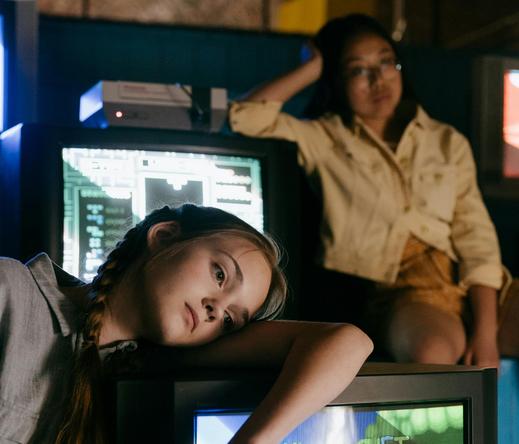
Bored in a Digital Age | Intersections | The Center for Bioethics & Human Dignity
Boredom is not merely neutral but potentially generative: It is the gateway to mind-wandering, the cognitive state in which the brain forms new connections, solves problems, and generates creative ideas. On this account, the real danger of the digital age is not boredom itself but our refusal to tolerate it. We have a self-defeating habit of reaching for the phone at the first twinge of discomfort, crowding out the very mental space in which our best thinking happens.
 Richard Michael Blaber
https://www.theguardian.com/politics/live/2026/may/29/labour-welfare-youth-unemployment-living-wage-milburn-starmer-burnham-blair-latest-news-updates. "Labour will also make sure the #minimum #wage is a genuine #living wage. We will change the remit of the independent Low Pay Commission so for the first time it accounts for the #cost of #living. #Labour will also remove the #discriminatory #age bands, so all #adults are entitled to the same minimum wage, delivering a #pay rise to hundreds of thousands of #workers across the #UK." (2024 Labour #Manifesto.) It was a LIE!

https://theconversation.com/heatwaves-older-people-less-likely-to-follow-safety-advice-283931. Not THIS old person, @ConversationUK! I nearly collapsed because of the #heat the other day, & would have done, had it not been for the #intervention of some very kind people - so I've taken care to stay #indoors during the #heatwave, for fear of another such episode. People my #age (65+) should heed #safety #advice very carefully.
 Osna.FM
Bastian Ernst, the President of the Reserve Association, has welcomed the proposals put forth by Defense Minister Boris Pistorius (SPD), which include making tr... https://news.osna.fm/?p=48237 | #news #age #association #backs #bolster

 Kathy Bryson
"It's not that the #brain is failing, It's not being given enough to do"
Feeling of #time speeds up with #age can be shaped by fewer temporal landmarks — small disruptions to routine that give the brain something worth remembering https://spacedaily.com/t-research-suggests-that-people-who-feel-time-slipping-away-faster-every-year-arent-losing-their-minds-theyve-just-stopped-creating-what-neuroscientists-call-temporal-landmarks-the-small-disruptions/

Research suggests the feeling that time speeds up with age can be shaped by fewer temporal landmarks — the small disruptions to routine that give the brain something worth remembering
Almost everyone over thirty has had the same disorienting thought. The year is ending again. The summer is gone. The decade just turned over and somehow nothing about the calendar feels like it lines up with how much actually happened. Time, the inner monologue insists, is moving faster than it used to. The unsettling part […]
 FJ!!
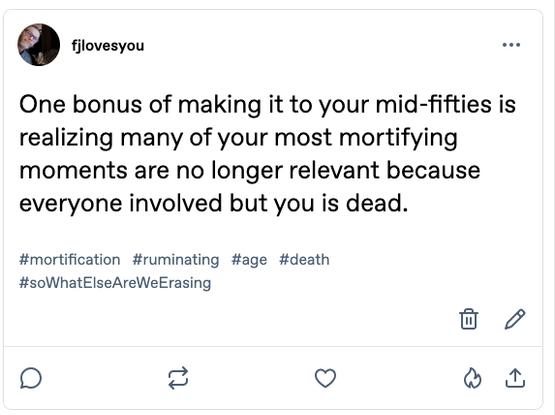
FJ!!One bonus of making it to your mid-fifties is realizing many of your most mortifying moments are no longer relevant because everyone involved but you is dead.
#mortification #ruminating #age #death #soWhatElseAreWeErasing
 The Skeptic's Kaddish
Perspective, or: Perception
A Sijo
mother says I am still young though my scalp shines through thinning hair; white threads gather in my beard while softness settles at my waist; yet from seventy years she sees whole decades yet untraveledReena’s Xploration Challenge 431
For Reena’s RXC prompt, she invites us to compose ‘age-ing’-themed poems.
Sijo?
A Korean verse form related to haiku and tanka and comprised of three lines of 14-16 syllables each, for a total of 44-46 syllables. Each line contains a pause near the middle, similar to a caesura, though the break need not be metrical. The first half of the line contains six to nine syllables; the second half should contain no fewer than five. Originally intended as songs, sijo can treat romantic, metaphysical, or spiritual themes. Whatever the subject, the first line introduces an idea or story, the second supplies a “turn,” and the third provides closure. Modern sijo are sometimes printed in six lines.
Let’s write poetry together!
When it comes to partnership, some humans can make their lives alone – it’s possible. But creatively, it’s more like painting: you can’t just use the same colours in every painting. It’s just not an option. You can’t take the same photograph every time and live with art forms with no differences.
–Ben Harper (b. 1969)Would you like to create poetry with me and have a completed poem of yours featured here at the Skeptic’s Kaddish? I am very excited to have launched the ‘Poetry Partners’ initiative and am looking forward to meeting and creating with you… Check it out!
#Age #Life #MiddleAge #Perspective #Poem #Poetry #Potential #Relativity #Shadows #Sijo #Youth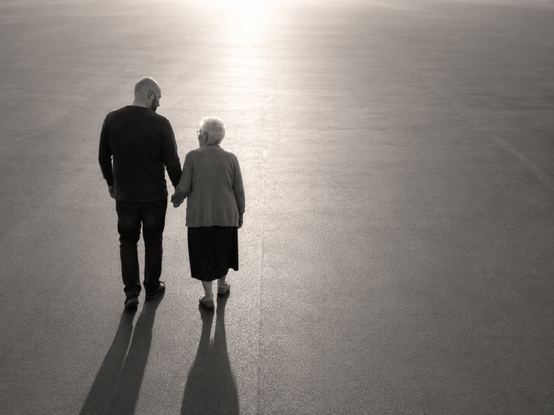
 Ham on Wry