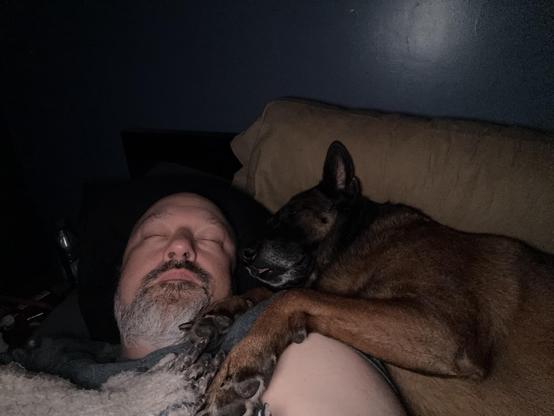
Supposed to be up in an hour and a half but the Belgian Malinois activated lockdown mode and turned my chest into government property. Alarm’s gonna go off, dog won’t move, and somehow I’ll still be expected to function like a responsible adult in late-stage civilization.
#GenX #Malinois #SleepDebt #Dogs #dogsofmastodon

🧭 Section 3 — Stabilization Protocol (Ideal-in-Real Conditions)

🎯 Goal

eliminate loss-of-consciousness episodes

stabilize the autonomic nervous system

reduce panic spikes

restore baseline cognitive function

maintain work functionality in real conditions

#stabilization #healthRecovery #burnoutRecovery #neurostability

---

1. 🧱 Core layer (mandatory — nothing works without this)

💤 Sleep (foundation of recovery)

Goal is not “ideal”, but exiting collapse mode

2–3h → 4–5h (first 3–5 days)

then → 6h stabilization

then → 7h target baseline

⚠️ Without this, any medication layer only masks symptoms temporarily

#sleepRecovery #sleepDebt #recoveryCycle

---

⚡ Nervous system load control

caffeine: drastically reduce (or temporarily remove if tachycardia present)

screen load: breaks every 45–60 min (5–10 min reset)

avoid sudden standing (orthostatic collapse risk)

#nervousSystem #autonomicBalance #loadManagement

---

2. 🧠 Neuro layer (panic / overload)

Symptoms: → panic disorder

Clinical approach (real medicine):

short-term anxiolytics / SSRIs / beta-blockers — ONLY under physician supervision

goal: suppress spikes, not “mute emotions”

⚠️ Self-medication here can worsen blood pressure, heart rate, and cognition

#panicDisorder #anxiety #mentalHealth #clinicalApproach

---

3. ❤️ Cardiovascular risk layer (syncope)

Symptom: → syncope

Critical exclusion: → cardiac arrhythmia

Required diagnostics:

ECG / Holter monitoring

orthostatic blood pressure checks

electrolytes + glucose tests

💊 Any “energy/stimulant correction” without this is unsafe

#syncope #cardiology #riskControl #diagnostics

---

4. 🔋 Metabolic layer

regular meals (prevents “wobbly legs”)

hydration + electrolytes

stable glucose levels

#metabolism #energyBalance #fatigueControl

---

5. 👁️ Vision (not root cause, but amplifier)

→ Computer Vision Syndrome

reduce continuous visual focus

apply 20–20–20 rule

control lighting and contrast

#digitalEyeStrain #screenFatigue #visionStress

---

6. 💊 Pharmacological layer (strict separation)

❌ NOT allowed:

stimulants “to push through”

sleeping pills without diagnosis

mixing sedatives intuitively

self-prescribed beta-blockers / SSRIs

#noSelfMedication #pharmaSafety #riskControl

---

⚠️ ONLY under medical supervision:

short-term anti-anxiety treatment

long-term anxiety disorder management

cardiovascular regulation if diagnosed

#medicalSupervision #psychiatry #evidenceBased

---

7. 🧩 Realistic operational mode

Day (working cycle)

45–60 min work blocks

5–10 min recovery breaks

no skipped meals

controlled standing/movement

Evening

aggressive reduction of stimulation

screen off 60–90 min before sleep

Night

fixed sleep window (not “when possible”)

#workRhythm #deepWork #recoveryBreaks

---

🚨 RED LINE

If:

repeated loss of consciousness

chest pain / severe palpitations

confusion episodes

→ this is no longer stabilization mode, but urgent medical evaluation

#emergency #redFlag #medicalUrgency

---

🧠 Conclusion

This is not simple fatigue. It is systemic autonomic decompensation driven by severe sleep deprivation.

Pharmacology here:

not the base

not a workaround

but a secondary layer after proper diagnosis

#burnout #systemFailure #sleepCollapse #healthSystem

---

If you want the next section:

“Work Survival Architecture (how to function without relapsing into collapse)”
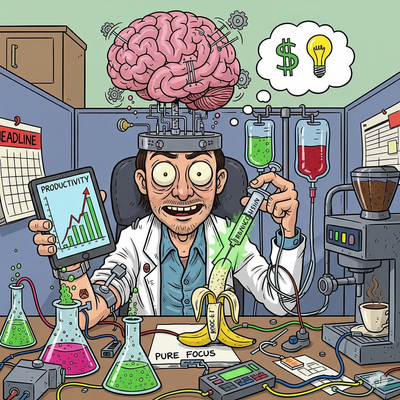
🧭 Recovery Protocol – Decision Meeting

🎯 Objective

Reduce:

risk of loss of consciousness

panic episodes

cognitive breakdown
while maintaining operational productivity

---

📊 Input Constraints

Current sleep: 2–3 hours

Workload: high, cannot be fully removed

No option for long-term leave

Symptoms already at clinical threshold (presyncope + panic episodes)

#sleepCrisis #workload #healthConstraints #burnoutRisk

---

🧩 Protocol Options

🅰️ Protocol A — “Hard Stop”

Core idea: immediate shutdown of load + sleep recovery

Sleep immediately raised to 7–9 hours

Sharp reduction in workload

Medical evaluation prioritized

Pros:

fastest systemic stabilization

reduces syncope risk rapidly

Cons:

often not operationally feasible

work disruption

Risk tradeoff: short-term productivity loss for health recovery

#hardStop #recovery #medicalFirst #sleepRecovery

---

🅱️ Protocol B — “Stabilization Mode” (controlled survival)

Core idea: stabilize critical failure points without stopping work

Gradual sleep increase (2–3 → 5 → 6.5+ hours)

Strict micro-break enforcement

Remove major triggers (caffeine, night peaks)

Reduce orthostatic stress (avoid sudden standing, overload spikes)

Pros:

realistic under work constraints

reduces acute collapse risk

stabilizes autonomic system

Cons:

slower recovery curve

requires strict discipline

Risk: non-compliance leads to deterioration or escalation to A

#stabilization #harmReduction #sleepDebt #controlledRecovery

---

🆎 Protocol C — “Ignore / Push Through”

Core idea: no behavioral change

Pros:

no workflow disruption

Cons:

progressive symptom escalation

increased syncope frequency

worsening panic disorder

potential abrupt systemic collapse

Risk level: high (medically unsafe trajectory)

#ignoreRisk #burnoutAcceleration #healthRisk

---

⚖️ Decision Matrix

Criterion A B C

Speed of recovery ★★★★★ ★★★ ★
Real-world feasibility ★ ★★★★ ★★★★★
Medical safety ★★★★★ ★★★★ ★

---

🧠 System Recommendation

Default selection: Protocol B (Stabilization Mode)
as the only viable balance between safety and operational continuity.

---

🚨 Red Line Condition

If:

recurrent loss of consciousness occurs

cardiovascular symptoms intensify
→ immediate escalation to Protocol A + medical assessment required

---

🟢 Decision point

Choose:

A — hard stop recovery

B — controlled stabilization (recommended baseline)

C — no changes (risk acceptance path)

Daylight saving feels less like gaining an hour and more like borrowing it with steep, unforeseen interest.
#DaylightSaving #SleepDebt #TimeChange

I went to bed around 10 p.m. last night and woke up at midnight, realizing I had forgotten to take the trash out for pickup. After handling that task, I returned to bed a few minutes later, and fell asleep again, only to wake up at 4:49 p.m. today. I hadn't intended to sleep the entire day—typically, I wake up naturally around 6 a.m. to let the dogs out and then return to bed until my alarm goes off at 9 a.m.

— (1/2) #Sleep #SleepDebt

Them: You need to take your sleep debt seriously.

Me: Is it possible for me to declare sleep bankruptcy?

Them: Yes. It's called "You die.”


#sleep #SleepDebt #SelfCare

🤔 Ever heard of "Sleep Debt"? It's more than missing a few Z's—it affects your fitness, mood, and overall health! Learn how to tackle it with our blog post.

You don't want to miss this! ⬇️

#SleepDebt #WellnessJourney #FitnessGoals
https://fitwoody.camp/mental-health/sleep-debt-the-real-cost/

Sleep Debt: The Real Cost - FitWoody

Learn about the true cost of "Sleep Debt" and its impact on wellness. Get tips and use FitWoody to track and improve sleep.

FitWoody

Sufficient sleep is essential to your mind and brain!

While caffeine may help you stay awake and feel more alert, it likely won’t help you with tasks that require complex thought.

#health #sleepdebt
https://theconversation.com/can-coffee-or-a-nap-make-up-for-sleep-deprivation-a-psychologist-explains-why-theres-no-substitute-for-shut-eye-206847

Can coffee or a nap make up for sleep deprivation? A psychologist explains why there's no substitute for shut-eye

While a cup of joe or a brief nap during an all-nighter might help you feel a little more alert, it won’t offset cognitive impairments from sleep deprivation when you’re performing complex tasks.

The Conversation