It’s Not an Attitude, It’s My Nervous System
Hey everyone, Tina here. Pull up a chair—but maybe don’t sit too close, because if your sleeve brushes against mine right now, I might actually evaporate into thin air.
I recently shared a post that said, “I don’t even be having an attitude, I just be overstimulated,” and the sheer volume of “Amen” and “I’ve never felt more seen” in my DMs told me one thing: I am definitely not alone in this sensory circus.
Welcome to the Sensory Circus
We’ve all been there. You start the day as a functional, polite member of society. You’re making eye contact, you’re saying “please” and “thank you,” and you’re navigating the world like a pro. But then? The world starts “world-ing” a little too hard.
The Slow Build of Overstimulation
For me, it’s usually a slow build. It’s the sound of the refrigerator humming in a key that hasn’t been discovered by musicians yet. It’s the flickering light in the hallway that feels like a personal attack on my eyeballs. It’s the person in the grocery store who decides to have a family reunion right in front of the oat milk.
By the time I get home, I’m not “grumpy.” I’m not “mad at you.” I am simply full. My brain is a browser with 74 tabs open, 3 of them are playing music I can’t find, and the whole system is spinning that little rainbow wheel of death.
Why Overstimulation Looks Like a “Jerk” Phase
Here is the struggle: to the outside world, overstimulation looks suspiciously like I’m being a jerk.
- The “Tone”: When I give a one-word answer, it’s not because I’m being short; it’s because my brain doesn’t have the bandwidth to construct a complex sentence with adjectives and appropriate inflection.
- The Face: If I’m staring blankly or looking slightly annoyed, I’m actually just trying to filter out the sound of the neighbor’s lawnmower so I don’t lose my mind.
- The Escape: If I suddenly leave a party to sit in a dark bathroom for twenty minutes, I’m not “stuck up.” I’m just performing a hard reset so I don’t accidentally bark at someone for asking me what I do for a living.
3 Strategies for Managing the Sensory Overload
I’ve had to learn (the hard way) how to manage this without losing all my friends. If you’re a fellow “easily buzzed” human, here’s what helps me:
1. The Silent Drive
I used to feel the need to blast music or a podcast. Now? If the day was loud, the drive home is a sensory deprivation chamber. No radio. Just me and the hum of the tires.
2. The “Texture” Check
Sometimes the “attitude” is actually just my bra strap or a scratchy tag. If I’m feeling snappy, I change into the softest, ugliest oversized T-shirt I own. Instant mood shift.
3. Communication (The “I’m Peaked” Warning)
I’ve started telling my inner circle, “Hey, my sensory bucket is full right now. I need 30 minutes of quiet so I don’t say something I regret.” It sounds a lot better than just glaring at them when they ask what’s for dinner.
Grace for Your High-Definition Brain
At the end of the day, we live in a world that is loud, bright, and constantly demanding our attention. If you find yourself feeling like a raw nerve ending, give yourself some grace. You don’t have a “bad personality”—you just have a high-definition brain that’s taking in too much data at once.
It’s All About the Reset
So, to my friends, family, and that poor barista who probably thought I was judging her soul: I promise I wasn’t. My sweater was just too itchy, the steamer was too loud, and I forgot how to be a person for a second.
Who else is in the “Overstimulated Club” with me today? What’s the one sound or feeling that sends you over the edge?
#Emotionalhealth #bloganuary #BurnoutPrevention #mentalHealthTips #nervousSystemHealth #neurodiversity #overstimulation #protectingYourPeace #selfCareForOverstimulation #sensoryOverloadInAdults #sensoryProcessing Jessica
 BabyYumYum
 The Harmony Seeker
 Chinyere Okoli-Azzalarab
 DigitalCortex.io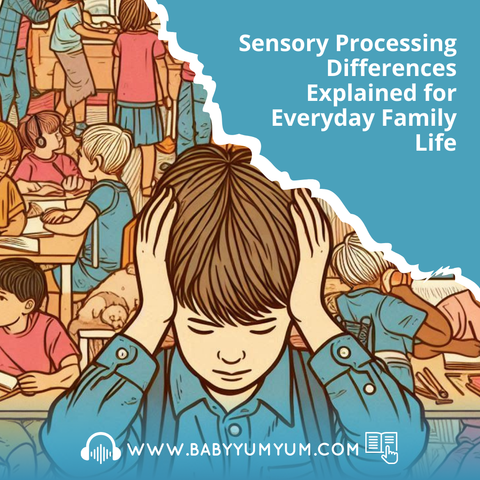
 Psychotherapy Commission ACPE
 STEAM Powered
 Colorado Authors League