Latest Senedd poll puts Reform and Plaid neck and neck as South West Wales emerges as decisive battleground

The fresh Beaufort Research poll for Nation.Cymru puts Reform on 27% (down three points since September), Plaid Cymru on 26% (up four), Labour on 21% (down two), Conservatives on 12%, Greens on 9% and Liberal Democrats on 3%.

Seat projections show Reform and Plaid neck‑and‑neck on 30 seats each, Labour on 24, Conservatives on 9, Greens on 2 and Lib Dems on just 1. That would almost certainly see Plaid leader Rhun ap Iorwerth installed as First Minister — either through a coalition with Labour or a looser cooperation deal.

But the real drama lies in the constituency breakdown.

South West Wales on a knife‑edge

The updated projections show how finely balanced the region has become:

Senedd ConstituencyComposed of Parliamentary SeatsProjected MSs (by party)Gŵyr AbertaweSwansea West + Gower3 Reform, 2 Labour, 1 PlaidBrycheiniog Tawe NeddBrecon, Radnor & Cwm Tawe + Neath & Swansea East3 Reform, 1 Labour, 1 Plaid, 1 Lib DemAfan Ogwr RhonddaAberafan Maesteg + Rhondda and Ogmore3 Reform, 2 Labour, 1 PlaidSir GaerfyrddinLlanelli + Caerfyrddin3 Plaid, 2 Reform, 1 LabourCeredigion PenfroCeredigion Preseli + Mid and South Pembrokeshire3 Plaid, 2 Reform, 1 LabourPen‑y‑bont Bro MorgannwgBridgend + Vale of Glamorgan2 Reform, 2 Labour, 1 Conservative, 1 Plaid

In Gŵyr Abertawe, Reform, Labour and Plaid split the six seats, with Reform edging ahead on three. In Sir Gaerfyrddin, Plaid takes control with three seats, leaving Reform on two and Labour squeezed down to one. Brycheiniog Tawe Nedd is even more fragmented, with Reform on three, Labour and Plaid on one each, plus single seats for the Conservatives and Lib Dems. And in Pen‑y‑bont Bro Morgannwg, Reform and Labour again take two apiece, leaving Plaid and the Conservatives with one each.

This mirrors the trend Swansea Bay News has tracked for months: Reform surging in working‑class valleys and coastal towns, Plaid consolidating its Carmarthenshire and Ceredigion heartlands, and Labour squeezed from both sides. The new numbers show Plaid clawing back ground, especially among younger voters and Welsh speakers, while Reform’s momentum has slowed.

Demographic divides deepen

The poll highlights stark splits:

  • Men lean Reform (29%), while women lean Plaid (27%).
  • Young voters (16–34) back Plaid (31%) and Labour (28%), leaving Reform trailing at 14%.
  • Middle‑aged voters (35–54) give Reform a commanding 36%.
  • Welsh speakers overwhelmingly back Plaid (41%), while non‑Welsh speakers put Reform ahead (31%).

These divides underline the cultural and generational fault lines running through South West Wales, with Reform strongest among older, non‑Welsh‑speaking voters and Plaid dominant among younger, Welsh‑speaking communities.

From landslide to stalemate

Just months ago, Reform were riding high in South West Wales, with polls showing them pulling ahead while Plaid slipped and Labour edged back. Warnings from the First Minister that a Reform or Plaid victory could plunge Wales into “chaos” reflected that momentum. Now, the picture is more complicated: Reform’s surge has stalled, Plaid has recovered, and Labour remains stuck in third place.

The result? A looming stalemate. With no party anywhere near a majority, South West Wales’ six‑seat constituencies could decide whether Wales ends up with a Reform‑dominated Senedd, a Plaid‑Labour coalition, or another fragile cooperation deal.

Related stories from Swansea Bay News

From Westminster landslide to Senedd stalemate
Polling shows contrasting futures for South West Wales between Westminster and Senedd elections.

Reform still leading in South West Wales
Labour makes gains but Reform UK remains ahead in the latest Senedd polling snapshot.

Reform surge redraws political map
Reform UK’s rise reshapes the electoral landscape across South West Wales constituencies.

Reform pulls ahead as Plaid slips
Reform UK takes the lead while Plaid Cymru loses ground and Labour edges back.

First Minister warns of chaos
Mark Drakeford warns Wales could face chaos if Plaid or Reform win the Senedd election.

Plaid and Reform neck and neck
Labour slumps to a historic low as Plaid Cymru and Reform UK tie in the polls.

Two‑thirds think politicians are out for themselves
A YouGov poll finds widespread distrust, with most believing politicians act in self‑interest.

#AfanOgwrRhondda #BeaufortResearch #BrycheiniogTaweNedd #Caerfyrddin #CeredigionPenfro #GreenParty #GŵyrAbertawe #PenYBontBroMorgannwg #PlaidCymru #politics #ReformUK #SeneddElection #SeneddElections2026 #SirGaerfyrddin #WelshConservatives #WelshLiberalDemocrats

Autumn Budget 2025: Welsh parties clash over Reeves’s plans

Labour claims progress, opposition cries foul

Welsh Labour were quick to claim victory on one of their long‑standing demands: the scrapping of the two‑child benefit cap. First Minister Eluned Morgan said the change would lift support for 69,000 children in Wales, describing it as “helping to tackle the scourge of child poverty.” Labour also pointed to nearly £1bn in additional funding for the Welsh Government, which ministers say will bolster public services and allow investment in steel transition at Port Talbot, AI Growth Zones, and nuclear energy at Wylfa.

Plaid Cymru, however, accused Westminster of once again failing to deliver fair funding. Treasury spokesperson Ben Lake MP said the Budget “proves that when Westminster does the counting, Wales always loses out,” highlighting the absence of Barnett consequentials from major rail projects and warning that employer National Insurance increases would hit Welsh services hard. Plaid also criticised the First Minister’s response, claiming she had “no influence” over the UK Government’s decisions.

Conservative leader Kemi Badenoch responds to the Autumn Budget 2025 in the House of Commons, accusing the Chancellor of breaking promises and delivering a “circus.”
(Image: UK Parliament)

Conservatives, Reform and Lib Dems sharpen attacks

The Conservatives seized on the Budget’s chaotic delivery and its tax implications. UK leader Kemi Badenoch told MPs there was “no growth and no plan,” branding the episode a “circus” and accusing Reeves of breaking promises by extending the freeze on tax thresholds. Welsh Conservatives echoed the criticism, calling for a review of Wales’s fiscal framework and warning that inheritance tax changes and higher employer National Insurance would damage family farms and businesses.

Reform UK Wales went further, describing the Budget as proof that “having Labour Governments at both ends of the M4 has been a disaster.” The party said Reeves’s measures would take taxes to “post‑WW2 highs,” framing the upcoming elections as a choice between Plaid Cymru, whom they accused of backing Labour’s tax rises, and Reform as “a new hope for left behind communities.”

Liberal Democrat leader Ed Davey addresses the House of Commons during the Autumn Budget 2025, criticising the Chancellor’s approach to growth and taxation.
(Image: UK Parliament)

The Liberal Democrats also joined the chorus of criticism. Party leader Ed Davey said Reeves “has diagnosed the disease but not administered the cure,” arguing that “you can’t tax your way to growth” and calling for a new trade deal with Europe. Former pensions minister Steve Webb added that the extended tax threshold freeze would drag hundreds of thousands more pensioners into paying income tax, warning of a growing burden on older households.

Together, the reactions underline how Reeves’s Budget has become a political battleground in Wales: Labour presenting it as a progressive step for families and public services, while opposition parties line up to portray it as chaotic, unfair, and economically damaging.

For a full breakdown of the Budget measures and their impact in Wales, read our explainer here.

#autumnBudget2025 #benLakeMp #budget #edDavey #kemiBadenoch #plaidCymru #rachelReeves #rachelReevesBudget #rachelReevesMp #reformUk #ukBudget2025 #ukParliament #welshConservatives #welshLabour #welshLiberalDemocrats

No plans to use Castlemartin camp for asylum accommodation, says Home Office

Local concerns over defence and services

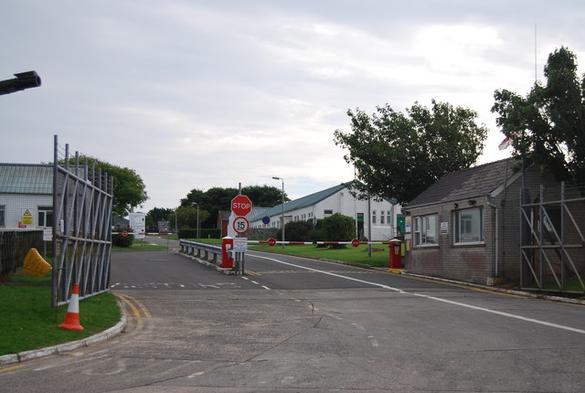
Samuel Kurtz MS wrote to Home Secretary Shabana Mahmood MP seeking urgent assurances after reports suggested the west Wales military site could be used for accommodation. He also raised the issue directly with Welsh Ministers in the Senedd, who confirmed the Welsh Government has had “no contact” with Westminster regarding any such proposals.

In his letter, Mr Kurtz warned that any move to repurpose Castlemartin would have serious implications for national defence and local services:

“Castlemartin is one of the United Kingdom’s few facilities capable of hosting live firing exercises at battlegroup level. It provides vital training for our armed forces, and any restriction on its use would represent a serious loss of national defence capability at a critical time.”

He also questioned the suitability of the location for residential use, citing limited infrastructure and stretched health services.

UK Government rules out immediate plans

A Home Office spokesperson responded to the concerns with a short statement:

“There are no current plans to use the site.”

The confirmation has eased fears locally, though campaigners and representatives continue to press for clarity on future use of military and public land in Pembrokeshire.

Penally precedent still fresh in memory

Pembrokeshire has previously seen military facilities repurposed for asylum seekers. Penally Camp, near Tenby, became the centre of controversy between October 2020 and March 2021 when it housed up to 250 asylum seekers.

Swansea Bay News reported at the time that then Welsh Secretary Simon Hart MP confirmed the camp would close by March 2021, following months of protests and criticism of living conditions. Inspectors highlighted serious shortcomings, prompting the Police and Crime Commissioner to call for its immediate closure. A subsequent panel also sought answers over the costs of running the facility.

The camp was eventually handed back to the Ministry of Defence and closed in late 2022.

Related articles

#asylumAccommodation #asylumSeekers #castlemartin #castlemartinTrainingCamp #homeOffice #homeSecretary #illegalImmigration #immigration #pembroke #pembrokeshire #samuelKurtzMs #shabanaMahmoodMp #ukGovernment #welshConservatives

ONS figures show Wales unemployment at highest level since 2015

A sharp rise that puts thousands out of work

The ONS labour market release for September 2025 shows unemployment in Wales climbing from 4.9% in August to 5.7%, meaning around 88,000 people are now out of work.

Employment has also slipped. Just over 70% of working‑age adults in Wales are in jobs, compared with a UK average of 75%. The Welsh Government’s own overview confirms Wales has the lowest employment rate of any UK nation.

One in four adults missing from the workforce

The figures also show Wales continues to have the highest economic inactivity rate in Great Britain. Nearly one in four adults of working age — around 482,000 people — are not working and not looking for work.

The ONS bulletin cautioned that while quarterly changes may not be statistically significant, the overall trend shows Wales lagging behind the UK average in both employment and inactivity.

An economy built on public services and shops

The ONS breakdown of jobs by sector shows where the pressure is falling.

Health and social care remains Wales’ biggest employer with more than 430,000 jobs, followed by education with 220,000. Retail still accounts for around 355,000 jobs, but manufacturing has slipped to 195,000 and construction to 158,000.

Hospitality employs about 247,000, a sector that grew after the pandemic but is now vulnerable as households cut back on spending. Transport and storage jobs remain steady at around 124,000, while professional and technical services employ about 221,000 — far fewer than in regions with stronger private‑sector growth.

The figures underline Wales’ reliance on public services and consumer‑facing industries, leaving the economy exposed when budgets tighten or demand falls.

Political blame game meets expert warnings

The figures have sparked a political row.

Samuel Kurtz MS, Welsh Conservative Shadow Cabinet Secretary for Economy and Energy, said: “Unemployment is at crisis levels in Wales after 26 years of anti‑business Labour, propped up by Plaid and compounded by Rachel Reeves’ economic mismanagement. Unemployment levels didn’t even hit these heights during the pandemic.”

He called for tax cuts and business rate reductions to help high streets and encourage growth.

Welsh Liberal Democrat Westminster Spokesperson David Chadwick MP said: “Surely the writing is on the wall now for the Chancellor’s jobs tax.

“Everyone except Rachel Reeves seems to have woken up to the fact that forcing small businesses to pay more in tax for giving people jobs would damage job opportunities. Now the proof is staring her in the face.

“The UK Labour Government must reverse their damaging National Insurance hike at the Budget, and commit to saving the small businesses that employ thousands in Wales and are at risk of collapse, if they’re to have any hope of reversing today’s concerning trend.”

Experts have also warned of wider risks. Yael Selfin, Chief Economist at KPMG UK, told Sky News the rise in unemployment “shows the labour market is loosening faster than expected” and said households would feel the squeeze as job security weakens.

Paul Nowak, General Secretary of the TUC, told the Guardian the government must act to protect jobs and invest in skills, warning that “otherwise communities will be left behind.”

And Ruth Gregory, Deputy Chief UK Economist at Capital Economics, told the Financial Times the figures “reinforce the case for the Bank of England to cut interest rates sooner rather than later.”

What it means for families and communities

For ordinary people, the statistics translate into fewer job opportunities, more competition for vacancies, and greater uncertainty heading into winter. Families may find it harder to budget, while communities could see more pressure on public services and local shops.

Economists warn that unless Wales can attract more private‑sector investment and reduce inactivity, the gap with the rest of the UK will continue to grow.

#Business #Economy #employment #OfficeForNationalStatistics #ONS #SamuelKurtzMS #unemployment #WelshConservatives #WelshGovernment

Llongyfarchiadau Caerffili!

#PlaidCymru has decisively won the #Caerphilly #Senedd by-election, with 47.4% of votes. It's a 27% swing from #WelshLabour and 11% margin over #ReformUK. The collapse of Welsh #Labour in its heartland is devastating, as is the wipeout of the #WelshConservatives.

Plaid is confurmed as the leading force to oust the disgraced so-called "Labour Party" in #Senedd26, and Labour has lost its majority in the Senedd.

100 years of Labour dominance in #Wales #Cymru is over

Reform UK pulls ahead as Plaid slips and Labour edges back in new Senedd poll

From three‑way squeeze to Reform lead

Just a month ago, Swansea Bay News reported on a YouGov survey that suggested a three‑way squeeze at the top of Welsh politics, with Plaid Cymru and Reform UK neck‑and‑neck and Labour slumping to a historic low. The latest Barn Cymru/Beaufort Research poll, however, points to a decisive shift.

Reform UK has surged to 30% of the vote, pulling clear of its rivals and establishing itself as the largest party in Wales. Labour has edged back to 23%, recovering some ground but still far from its traditional dominance, while Plaid Cymru has slipped into third place on 22%. The Conservatives continue their downward slide, now on just 11%, while the Greens have quietly climbed to 9% — enough for a projected foothold in the Senedd under the new system.

When translated into seats under the new 96‑member system, the numbers would give Reform 37, Plaid 25, Labour 24, the Conservatives 7, the Greens 2 and the Liberal Democrats 1. That leaves no party close to the 49 seats needed for a majority.

Coalition arithmetic

The most likely outcome on these figures would be a Plaid‑led coalition with Labour, which together would command 49 seats — just enough for a working majority. By contrast, a Reform‑Conservative bloc would fall short, with only 44 seats between them, leaving Reform as the largest party but unable to govern without further partners.

A Plaid‑Labour‑Green arrangement would be more comfortable at 51 seats, but it’s worth stressing that the Greens currently hold no seats in the Senedd — so any such deal would only be possible if they do indeed win representation next May.

Updated Senedd projections for South West Wales

Senedd ConstituencyComposed of Parliamentary SeatsProjected MSs (by party)Gŵyr AbertaweSwansea West + Gower3 Reform, 2 Labour, 1 PlaidBrycheiniog Tawe NeddBrecon, Radnor & Cwm Tawe + Neath & Swansea East3 Reform, 1 Labour, 1 Plaid, 1 Lib DemAfan Ogwr RhonddaAberafan Maesteg + Rhondda and Ogmore3 Reform, 2 Labour, 1 PlaidSir GaerfyrddinLlanelli + Caerfyrddin3 Plaid, 2 Reform, 1 LabourCeredigion PenfroCeredigion Preseli + Mid and South Pembrokeshire3 Plaid, 2 Reform, 1 LabourPen‑y‑bont Bro MorgannwgBridgend + Vale of Glamorgan2 Reform, 2 Labour, 1 Conservative, 1 Plaid

Compared with our September projections, Reform strengthens in Swansea‑based constituencies, gaining an extra seat in both Gŵyr Abertawe and Brycheiniog Tawe Nedd. Labour weakens in Brycheiniog Tawe Nedd, dropping from two seats to one, while Plaid picks up in Afan Ogwr Rhondda. The most dramatic change is in Ceredigion Penfro, where Plaid is now projected to take three seats, wiping out the Conservatives’ Pembrokeshire foothold.

Regional and demographic divides

The Beaufort poll also highlights sharp contrasts beneath the headline numbers. Reform’s surge is concentrated in Cardiff and South East Wales, where it polls 37%, while Plaid remains competitive in North and Mid Wales. In the South West and Valleys, the three main parties are tightly bunched, with Reform on 28%, Labour 26% and Plaid 25%.

Demographically, Reform’s support skews older and working‑class: it leads by a wide margin among voters aged 55+ and among those in the C2DE social grades. Labour and Plaid perform better among younger and professional voters, while the Greens’ rise is driven in part by stronger support among women.

Language also plays a role. Welsh speakers overwhelmingly back Plaid Cymru (45%), while non‑speakers tilt towards Reform (33%). This cultural divide underlines the different electoral coalitions each party is trying to build.

Caerphilly by‑election

The timing of the poll is significant. On Thursday, voters in Caerphilly will choose a new MS following the death of Labour’s Hefin David. Labour currently holds 30 of the 60 Senedd seats, relying on support from other parties — particularly the sole Liberal Democrat, Jane Dodds — to pass legislation and the annual budget.

If Labour were to lose Caerphilly, its total would fall to 29 seats, making it much harder to govern. Even with Lib Dem support, the party would fall short of a working majority, forcing it to seek wider co‑operation with Plaid Cymru or others to get bills through. Local polling suggests the contest is shaping up as a two‑horse race between Reform and Plaid, underlining the scale of the threat to Labour’s hold on the seat.

Polling caveats

As with all opinion polls, these figures come with a margin of error — typically around three percentage points either way. Different polling companies also use different methods of weighting and sampling, which can produce variations in headline numbers. The contrast between September’s YouGov poll (which had Plaid narrowly ahead) and October’s Beaufort poll (which puts Reform clearly in front) is a reminder of that.

And, crucially, the next Senedd election is not until May 2026. With more than six months to go, voter sentiment can and will shift. These polls are a snapshot of opinion today, not a prediction of the final result.

Outlook: a fragmented Senedd ahead

Taken together, the September YouGov poll and the October Beaufort figures chart a rapid evolution in Welsh politics: from a three‑way squeeze to a Reform‑led race, with Plaid and Labour battling for second place and the Conservatives reduced to the margins. With no party projected to govern alone, the next Senedd looks set to be defined by coalition deals — and by whether Labour can steady its position in the months ahead.

Related stories from Swansea Bay News

Plaid Cymru and Reform UK neck‑and‑neck as Labour slumps to historic low in new Senedd poll
Our September analysis of YouGov figures showed a three‑way squeeze at the top of Welsh politics.

Senedd votes to increase number of members to 96
Explainer on the reforms that will reshape the electoral system ahead of the 2026 election.

Reform projected to have most Senedd seats – but Plaid and Labour coalition most likely government
Previous projection analysis showing why coalition arithmetic will define the next Senedd.

#Election #GreenParty #PlaidCymru #polling #ReformUK #SeneddElection #SeneddElections2026 #WelshConservatives #WelshLabour #WelshLiberalDemocrats

Tories dangle Senedd budget talks with Labour – with a big tax‑cut catch

The move, announced in a letter from opposition leader Darren Millar MS, comes as Labour faces a tight Senedd arithmetic and the looming Caerphilly by‑election, but is widely seen as unlikely to lead to a deal.

Conservatives say they are “responsible opposition”

In his letter, Millar said the Conservatives could not support a “business as usual” budget that simply rose with inflation, but suggested an agreement “may be possible” if the Welsh Government considered some of their priorities.

Chief among those is the scrapping of Welsh Stamp Duty (Land Transaction Tax) for all primary residential properties. Millar argued this would help first‑time buyers onto the housing ladder, improve mobility in the market and boost the economy.

He said:

“While the Welsh Conservatives fundamentally disagree with the Welsh Labour Government on many things, we are a responsible opposition that will always strive to put the people of Wales first.”

A tax power at the heart of the row

The focus on Land Transaction Tax is significant. It is one of the few tax‑raising powers devolved to the Welsh Government, alongside income tax variation and landfill disposals. That makes it a symbolic battleground: Conservatives want to use it to cut the cost of buying homes, while Labour has historically defended it as a tool to raise revenue for public services.

By putting Stamp Duty abolition at the centre of their offer, the Conservatives are effectively using the budget talks to promote a flagship policy that Labour is highly unlikely to accept.

Political arithmetic and the Caerphilly by‑election

The Welsh Government does not hold a majority in the Senedd, meaning it must secure support from at least one other party to pass its spending plans. That task has become even more precarious following the death of Labour MS Hefin David in August, which triggered a by‑election in Caerphilly later this month.

While Labour has held the seat since the Senedd was established, both Plaid Cymru and Reform UK are mounting strong challenges. If Labour were to lose, the balance of power in Cardiff Bay would tilt further away from the government, making deals with opposition parties even more essential.

Most observers believe Labour is far more likely to seek support from Plaid Cymru or the Welsh Liberal Democrats — both of whom have previously struck budget agreements — than to enter into talks with the Conservatives.

More PR than negotiation?

That context makes Millar’s letter look less like the start of genuine negotiations and more like a political manoeuvre. By offering talks on the budget, the Conservatives can present themselves as constructive while simultaneously pushing their tax‑cutting agenda into the headlines.

Whether or not the First Minister responds, the Conservatives have already succeeded in framing Stamp Duty abolition as part of the budget debate — even if the chances of Labour taking them up on the offer remain slim.

#Budget #DarrenMillarMS #ElunedMorganMS #landTransactionTax #stampDuty #taxCut #WelshConservatives #WelshGovernment #WelshLabour

Welsh Lib Dems call on One‑Nation Conservatives to join them as party pitches to be new home of business

David Chadwick MP, speaking at the Welsh Liberal Democrat conference in Wrexham, accused the Conservatives of “disintegrating before our eyes” and abandoning their traditions of responsibility in favour of Reform UK‑style populism.

Chadwick attacks Conservatives over rule of law

In his keynote address, Chadwick pointed to Trade Secretary Kemi Badenoch’s call for the UK to withdraw from the European Convention on Human Rights as proof that the Conservatives had “turned their backs on the rule of law and international cooperation.”

He also criticised talk of dismissing judges for supposed “activism”, describing it as “a government veering into anarchy while wearing a blue rosette.”

Pitch to business and entrepreneurs

Chadwick told delegates that as the Conservatives collapse, many moderate voters and entrepreneurs are searching for a political home that values both enterprise and fairness.

He argued that the Welsh Liberal Democrats are now the party of business and the economy, committed to free markets, free trade, and supporting small firms that drive local prosperity. The party, he said, would focus on cutting bureaucracy and post‑Brexit red tape, backing exporters, and creating conditions where innovation and investment can thrive alongside strong public services.

Call for ‘decent’ One‑Nation Conservatives to switch sides

Chadwick said the party would welcome anyone “who believes in decency, responsibility and a thriving private sector that serves communities, not just shareholders.”

“The Conservative Party that once stood for stability, enterprise and community no longer exists,” he said.

“It has been reduced to a hollow slogan machine, obsessed with culture wars, blind to community, and utterly lost on the economy.

“The Welsh Liberal Democrats are ready to take up that mantle. We are the new party of business; pro‑market, pro‑enterprise, pro‑community.

“To every decent, One‑Nation Conservative in Wales: You don’t have to choose between extremism and irrelevance. If you still believe in fairness, in community, in the rule of law and responsibility, in building a Wales with a thriving private sector, there is a home for you here.”

Related stories from Swansea Bay News

Plaid Cymru pledges independence plan but rules out referendum in first term
Party outlines its roadmap for independence while delaying a public vote until after its first Senedd term.

Llanelli councillor clashes with Reform and Conservative figures over nation of sanctuary policy
Heated exchanges highlight divisions over Wales’ approach to supporting asylum seekers and refugees.

First Minister warns Wales will ‘fall into chaos’ if Plaid or Reform win Senedd election
Mark Drakeford warns of instability if opposition parties take power in 2026.

Farage promises reindustrialisation of Wales, reopening coal mines and restoring steel production
Reform UK leader sets out controversial plans for Wales’ economic future.

#CentristPolitics #conference #DavidChadwickMP #LibDems #LiberalDemocratPartyConference #OneNationConservatives #WelshConservatives #WelshLiberalDemocrats

Digital ID plans spark political row in Wales

UK Government sets out plan for smartphone IDs

The UK Government confirmed last week that a digital ID scheme will be rolled out before the next general election, due by 2029. Under the plans, every adult working in the UK will be required to hold a digital ID card stored on their smartphone.

The IDs will include details such as name, residency status, date of birth, nationality and a photo. Ministers argue the system will make it harder for people without legal status to work, while also simplifying everyday checks for services such as driving licences, childcare and welfare.

Prime Minister Sir Keir Starmer said the scheme would “make our borders more secure.”

🖥️ What is a digital ID?

Digital ID card
Stored on smartphones, showing name, residency status, date of birth, nationality and a photo.

Purpose
Used for Right to Work checks and access to services like driving licences and childcare.

Rollout
UK Government says it will be introduced before the next general election, due by 2029.

Concerns
Critics warn of costs, civil liberties risks, and digital exclusion for those without smartphones.

First Minister backs rollout and demands Welsh flag on IDs

In Wales, First Minister Eluned Morgan has given her backing to the policy, telling BBC Wales she wants the Welsh flag to appear on IDs issued here.

“That is something that I’m definitely going to be pushing with the UK government,” she said.

Morgan added that she is pressing for additional funding to ensure the rollout does not disadvantage Wales.

Opposition brands digital ID a ‘red line’ for civil liberties

The proposals have been met with fierce criticism from opposition benches.

David Chadwick MP, who represents Brecon, Radnor and Cwm Tawe for the Welsh Liberal Democrats, described the idea of a mandatory digital ID as “crossing a red line.” He warned it risked undermining long‑standing civil liberties while doing little to fix problems in the immigration system.

Chadwick argued that the billions earmarked for the scheme would be better spent on clearing the asylum backlog through properly resourced processing centres, or on improving the NHS.

Welsh Conservatives have also voiced strong opposition. In the Senedd, Darren Millar MS challenged the First Minister to justify her support, claiming the scheme would cost Wales up to £1 billion in lost funding.

“Labour’s plans for digital IDs will not stop illegal migration and will come at an unacceptable cost to taxpayers,” he said.

Poll shows Wales more opposed than rest of UK

The debate comes against a backdrop of divided public opinion. A YouGov poll published on 26 September found 42% of people across Britain supported the introduction of digital ID cards, while 45% opposed them.

In Wales, opposition was stronger, with 35% of respondents saying they were “strongly opposed” compared to just 13% who strongly supported the idea.

Rollout due before 2029 with consultation promised

The UK Government insists the scheme will be free to download, with alternatives for those without smartphones, and says a public consultation later this year will help shape the design.

For now, though, the announcement has opened up a new political fault line in Wales, with the First Minister pressing for a Welsh‑branded rollout while her opponents warn of costs, risks and a loss of civil liberties.

Related stories from Swansea Bay News

Clash over £20m Carmarthenshire ‘Pride of Place’ funding
Labour and Plaid leaders trade blows over how regeneration money should be spent across the county.

“Shameful” answer from First Minister on Swansea Valley school
Plaid MS Sioned Williams accuses the First Minister of playing politics over Godre’r Graig Primary’s replacement.

Wetsuit jibe lands Swansea MP in hot water with Lib Dems
Swansea West MP Torsten Bell criticised after mocking Ed Davey in a doorstep exchange caught on camera.

Llanelli councillor clashes over Nation of Sanctuary policy
Labour’s Shaun Greaney defends refugee support scheme against calls from Reform and Conservatives to scrap it.

#CivilLiberties #DavidChadwickMP #DigitalID #ElunedMorganMS #FirstMinister #IDCard #KierStarmer #polling #PrimeMinister #UKGovernment #WelshConservatives #WelshFlag #WelshLabour #WelshLiberalDemocrats #YouGov

Llanelli councillor clashes with Reform and Conservative figures over Nation of Sanctuary policy

Labour councillor Shaun Greaney said comments made by Reform’s Carmarthenshire chair Gareth Beer and former Welsh Conservative leader Andrew RT Davies calling for the policy to be scrapped were “morally indefensible”.

The Welsh Government’s Nation of Sanctuary programme was launched to support people seeking refuge, including those displaced by the war in Ukraine. Social Justice Minister Jane Hutt told the Senedd in January 2024 that more than 7,000 Ukrainians had found sanctuary in Wales, with funding used to help them move into longer‑term accommodation and integrate into communities.

At the time, Ms Hutt’s statement was welcomed across the chamber, with Conservative MS Darren Millar posting on X that his party stood “full square behind Ukraine”.

However, earlier this month Mr Davies said the £55 million scheme should be scrapped, while Mr Beer also called for its end during a BBC Wales interview.

“Hypocrisy” claim

Cllr Greaney said:

“The official record shows there was no criticism of the policy from Mr Davies or any other members of the Conservative group at the Senedd when Ms Hutt welcomed the Ukrainians and outlined the measures helping them settle here. It is hypocritical of them now to turn around and take the appalling view they have.”

He added that more than £45 million of the scheme’s cost had gone directly to supporting Ukrainian refugees, and accused opponents of “stirring things up” for political gain.

“What would they and Reform do? Turn away Ukrainians fleeing the horrors of the war inflicted upon them by Putin? Because ending the Nation of Sanctuary policy would mean just that,” he said.

Reform’s position

Reform’s Carmarthenshire chair Gareth Beer, who stood in Llanelli at the 2024 General Election, said the policy was unsustainable and unfair to local people struggling with housing and healthcare.

In a recent interview, he argued:

“If we advertise the fact that people will get free housing, free healthcare and all the rest of it, we’re basically putting up a flag to say come here when our own people can’t get housing, can’t get healthcare, and everything is at the bottom of the league tables.”

Mr Beer said Reform supported helping “genuine asylum seekers” but opposed what he described as “open‑door policies” that acted as a “pull factor” for migration.

Reform UK nationally has pledged to pursue “net zero immigration” and has made scrapping the Nation of Sanctuary one of its key policies in Wales.

Wider debate on refugees

The row comes as a new poll revealed that almost two‑thirds of people in Wales oppose plans to strip Indefinite Leave to Remain (ILR) from migrants already living here.

The survey found strong resistance to removing ILR from those who hold it, with campaigners pointing to Wales’ reliance on international workers in the NHS, care homes and universities. In Swansea Bay alone, more than 560 internationally educated nurses have been recruited in recent years to fill long‑standing vacancies.

Critics of Reform’s immigration stance say the findings show most people in Wales do not want to see families uprooted or vital staff driven away.

Welsh Government position

First Minister Eluned Morgan has defended the Nation of Sanctuary policy, saying she is “proud” Wales has “given full support to Ukraine, from the moment Ukraine was illegally and brutally invaded by Vladimir Putin”.

She said Wales had offered the “hand of friendship” to those who had lost their homes as a result of Russian aggression.

Conservative response

While Conservatives initially welcomed the policy, some members have since questioned its cost. Last week Mr Millar asked the First Minister to “scrap the wasteful policy and put the people of Wales first”.

The Welsh Conservatives and Reform UK have both argued that the money could be better spent on domestic priorities, though they continue to express support for Ukraine in principle.

Related articles

#AndrewRTDaviesMS #asylumSeekers #CllrShaunGreaney #GarethBeer #ILR #immigration #IndefiniteLeaveToRemain #LlanelliTownCouncil #NationOfSanctuary #netZeroImmigration #ReformUK #Ukraine #WelshConservatives #WelshGovernment #WelshLabour