The art of mindful living: Transform Your Routine with Mindfulness
In today’s fast-paced world, where distractions are abundant and stress is a constant companion, the art of mindful living or mindfulness offers a way to slow down, reconnect with the present moment, and improve mental well-being. This article will explore mindfulness’s benefits and practical techniques for incorporating mindfulness into everyday life. At its core, mindfulness is about paying attention to the here and now without judgment. It is a practice that can help people develop greater self-awareness, reduce stress, and find peace in their everyday lives. Adopting simple mindfulness techniques can cultivate a more present and fulfilling life.
What is Mindfulness?
The Art of Mindful Living and Mindfulness is not a practice reserved for a select few. It is a practice that anyone, regardless of their circumstances, background, or beliefs, can cultivate. In other words, it is about fully engaging with the present moment. Rather than dwelling on the past or worrying about the future, it focuses on being aware of your current thoughts, feelings, and surroundings. As a result, this mindful approach can bring clarity and calmness to everyday life. Ultimately, this practice encourages mindfulness and presence. This inclusivity of mindfulness means that everyone has the potential to benefit from it.
Studies demonstrate the transformative power of mindfulness, offsetting anxiety, depression, and stress. It encourages a greater sense of emotional balance, enhances focus, and even improves physical health by lowering blood pressure and enhancing defenses against disease. This evidence of the profound impact of mindfulness can inspire hope and motivation for those seeking to improve their well-being.
Techniques for Mindful Living
This might seem like a lofty goal, it is a practice done in simple, practical ways that fit into your daily routine. Here are techniques that can help you stay present in everyday life:
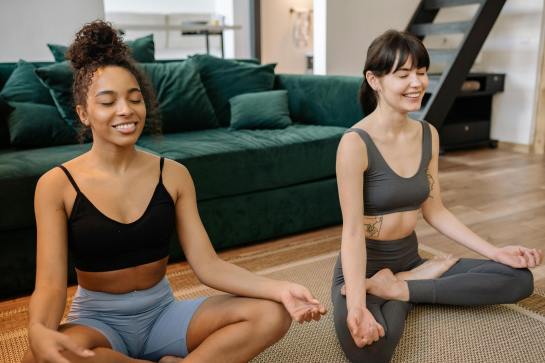
1. Mindful Breathing: an essential aspect of mindfulness is focusing on the breath. It can be as easy as taking a few minutes. First, slowly exhale through the mouth after holding your breath for a while. Inhaling deeply through your nose. Concentrating on the rhythm of your breath brings your attention away from external distractions and anchors you in the present. Practicing The Art of Mindful Living includes mindful breathing for even a few minutes each day can help you reset your mind, especially during stressful moments.
2. Body Scan Meditation The body scan method entails scanning each part of your body mentally, from your toes to your head. As you do this, pay close attention to any sensations, tension, or discomfort you may feel. This exercise aims to bring awareness to your physical self. Release tension you may not have realized you were holding. This method helps you connect with your body and cultivates a sense of relaxation and calm.
3. Mindful Eating In a multitasking world, some of us eat while distracted, whether scrolling through our phones or watching TV. Mindful eating is about savoring each bite and appreciating your food’s texture, taste, and aroma. It enhances your enjoyment, helps with digestion, and prevents overeating. Additionally, Mindful eating is an excellent way to ground yourself in the present moment, especially during mealtimes.
4. Walking Meditation: This technique involves focusing on the sensations of walking and how your feet feel against the ground, The rhythm of your walk, and your body’s motion. Walking meditation can be practiced anywhere, whether in nature or in your car. For instance, you can find mindfulness in a park or while commuting. Similarly, the practice is adaptable and can integrate into various environments and routines. It is a terrific way to turn an everyday activity into an opportunity for mindfulness.
5. Gratitude Journaling Another way to cultivate The Art of Mindful Living and mindfulness is through journaling. Writing down the things you must be thankful for daily might help you change your perspective from what is lacking to what is abundant in your life. This practice encourages positive thinking and enhances emotional well-being.
The Benefits of Mindfulness
The mental health benefits of mindfulness are profound. By staying present, you reduce stress and anxiety as your focus shifts away from past regrets or future worries. It allows for a calmer mind, improved concentration, and better decision-making. The Art of Mindful Living and Mindfulness also promotes emotional regulation, helping individuals respond to challenging situations more calmly rather than reacting impulsively. These benefits make mindfulness a powerful tool for enhancing mental well-being and living a more fulfilling life.
Moreover, mindfulness can foster self-compassion by cultivating a non-judgmental awareness of your thoughts and feelings. Non-judgmental awareness means observing your thoughts and feelings without labeling them as ‘good’ or ‘bad.’ Instead of reacting to your thoughts, you acknowledge them and let them pass without attaching any value. This practice leads to a more balanced and peaceful state of mind.
Conclusion
The art of mindful living is not about eliminating stress or distractions but learning how to navigate them with a sense of presence and calm. Integrating simple mindfulness practices such as mindful breathing, body scan meditation, and mindful eating into your daily routine allows you to experience greater mental clarity, reduced stress, and a more profound connection with the present moment. This article aims to provide you with the skills and knowledge necessary for a fulfilling life. Embracing each moment with awareness and compassion through the practice of mindfulness.
Our Score
Click to rate this post!
[Total: 0 Average: 0]
Related Posts
Related posts:
6 Things To Avoid If You Want Your Goals AchievedHow Does Your Upbringing Still Affect Your Action Today?Ability To Do Things We Least ExpectTo Feel Loved By Family On Christmas Day https://boyalasco.blog/the-art-of-mindful-living/
#DailyMindfulness #EverydayMindfulness #InnerPeace #MindfulLiving #MindfulnessPractices #MindfulnessTips #PresentMomentAwareness #SelfAwareness #StayingPresent #StressReduction
 Keano
Keano Kristen M. Simonds
 Rumpy
Rumpy Kristen Simonds
 Nicole L. Parker
 formuchdeliberation
 boyalasco


 Stoicminds Channel