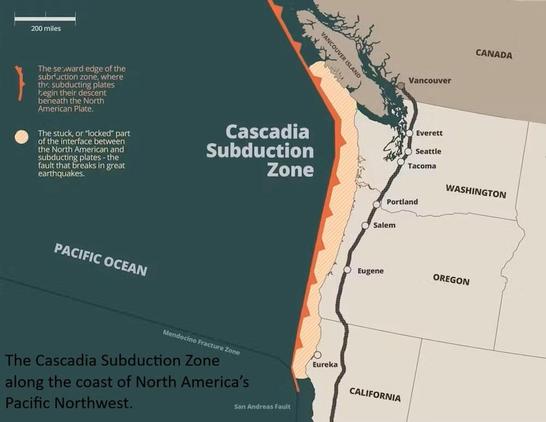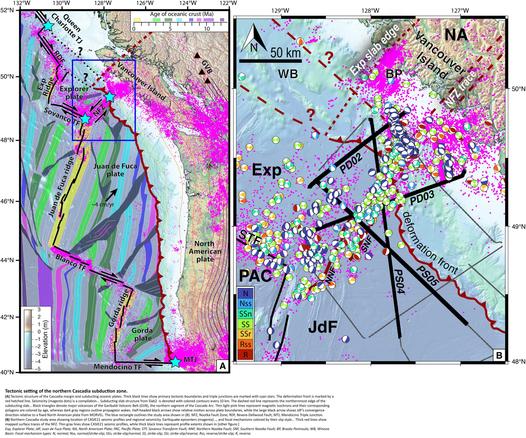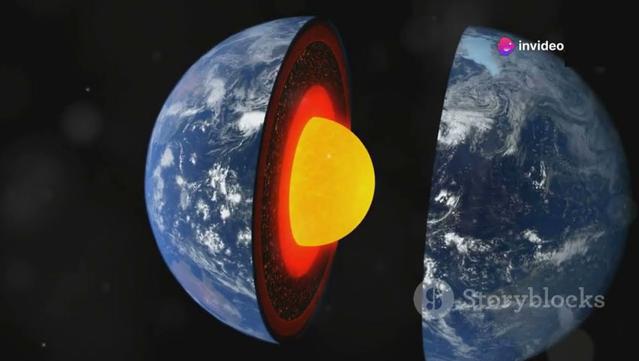
LA TECTONIQUE DES PLAQUES 1/2

PeerTube
* précision, les 3 autres: #acquasphère, #atmosphère #lithosphère

8/
This is equally true in the #biotic environment (the “#biosphere”), consisting of microorganisms, plants, animals, and the human body; in #abiotic (lifeless) environments, such as the #geosphere, the #lithosphere, the #hydrosphere, and the #atmosphere; and in the entire #ecosphere, comprising ecosystems composed of biotic and abiotic elements in complex interrelationships. Such ecosystems, large and small, for all their components, also interact in intricate mutual relationships.

#ecology

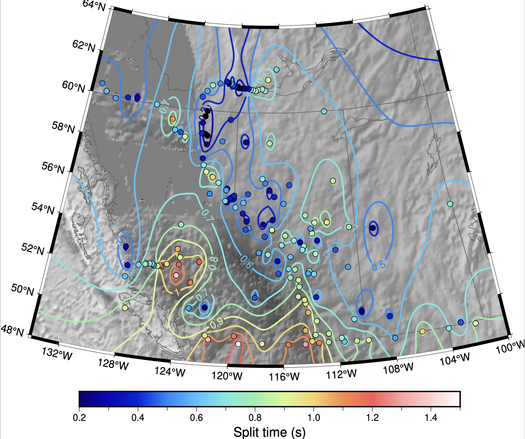
Andrew Frederiksen (U. Manitoba) gave us a very clear explanation of a better way to analyze shear-wave splitting as a way to probe the fabric (heterogeneities) of the upper mantle under continents.

The red and orange contours of large split times in British Columbia represent aligned olivine from present-day horizontal mantle flow. Splitting in Alberta represents fabrics formed and preserved from the Precambrian.

#UManitoba #McGillUniversity #Seismology #Lithosphere #Mantle #Olivine

Aufeis (Earth sciences 🌍)

Aufeis is a sheet-like mass of layered ice that forms from successive flows of ground or river water during freezing temperatures. This form of ice is also called overflow, icings, or the Russian term, naled. The term "Aufeis" was first used in 1859 by Alexander von Middendorff following his observations of the phenomenon in northern Siberia. When t...

https://en.wikipedia.org/wiki/Aufeis

#Aufeis #WaterIce #Glaciology #Lithosphere #EarthSciences #GeographyOfTheArctic

Aufeis - Wikipedia

How did the Great Lakes form? Scientists think they figured it out

New research suggests an ancient hotspot helped shape the Great Lakes, challenging traditional formation theories.

Earth.com
Deep beneath California's Sierra Nevada, Earth's lithosphere may be peeling away

The processes that form continental crust from the denser basaltic rocks of the upper mantle may make the lower lithosphere denser than the underlying mantle. One theory holds that the lower lithosphere splits away and sinks into the mantle in a process called foundering. Conclusive evidence of foundering, however, has been hard to come by.

Phys.org
These Revolutionary Maps Are Revealing Earth's Geological Secrets

This work paves the way for more precise and comprehensive geological models

ZME Science
Himalayas formation may have destroyed at least 30% of continental crust in collision zone

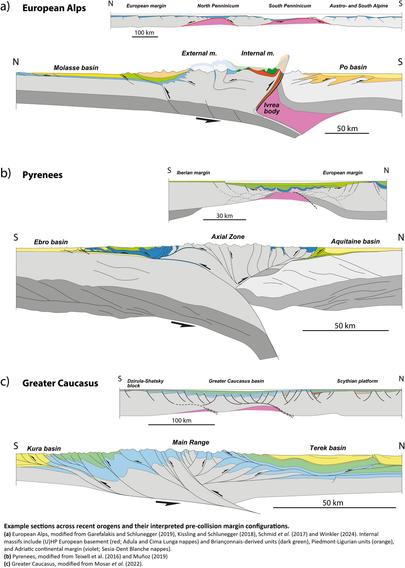
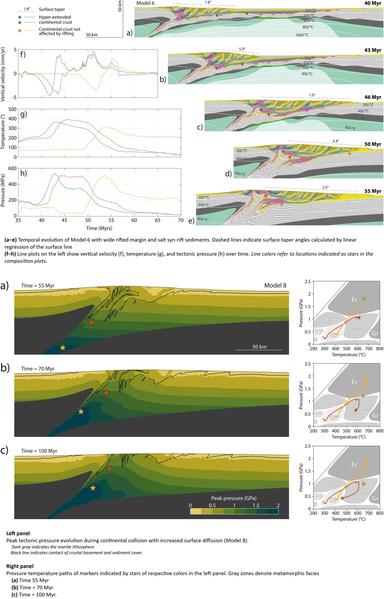
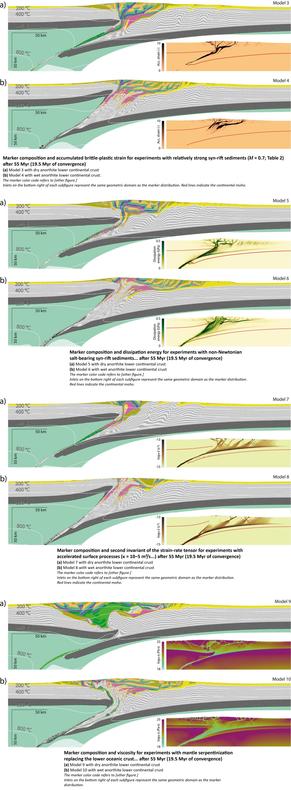
Earth's continents are slowly moving across the planet's surface due to plate tectonics, culminating in regions of crustal expansion and collision. In the latter case, high temperatures and pressures lead to the reworking of the crust, affecting its composition, as well as that of the underlying mantle. Furthermore, when two continental plates collide, distinct topographic features are produced, namely mountain ranges, which are surficial manifests of Earth's thickened crust.

Phys.org