Hey #USGov, maybe you should prevent #economic development on the #ContinentalShelf so that nobody can #exploit it for #profit. Instead of bending over and servicing the #corrupt #FossilFuel industry again.
We don't want it, we don't need it, and we're only fucking ourselves if we try to get it.

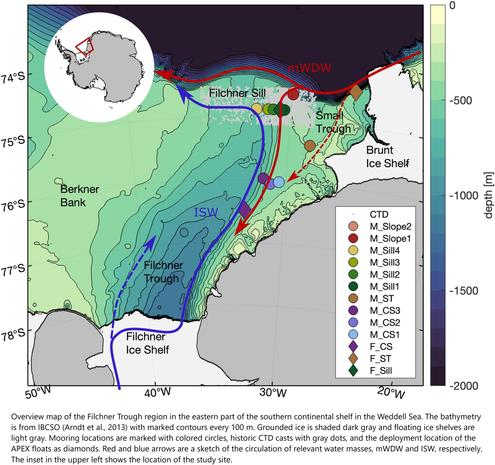
Warm seawater encroaches on major Antarctic ice shelf, raising sea level concerns
The vast Antarctic Ice Sheet holds more than half of Earth's freshwater. In several places around the continent, the ice extends over the ocean, where it forms large floating shelves. Observations suggest many of these ice shelves are thinning as they melt from below, with implications for ocean dynamics, global sea level, and Earth's climate.
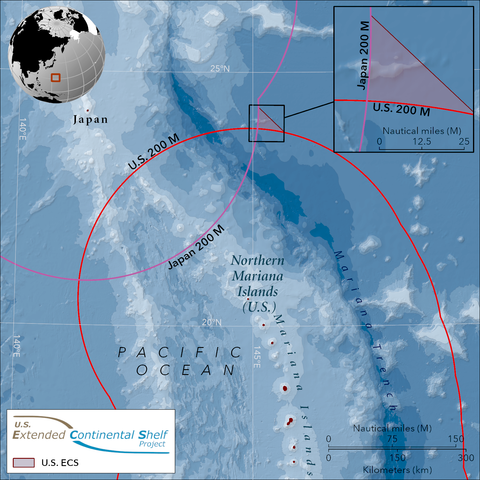
Japan's continental shelf expanded in July by 120,000 square kilometers with the addition of an area in Pacific waters east of Chichijima, part of the Ogasawara island chain.
https://www.japantimes.co.jp/news/2024/10/27/japan/continental-shelf-expansion/ #japan #continentalshelf #land #ogasawaraislands
Professor helps discover global gap in geologic record
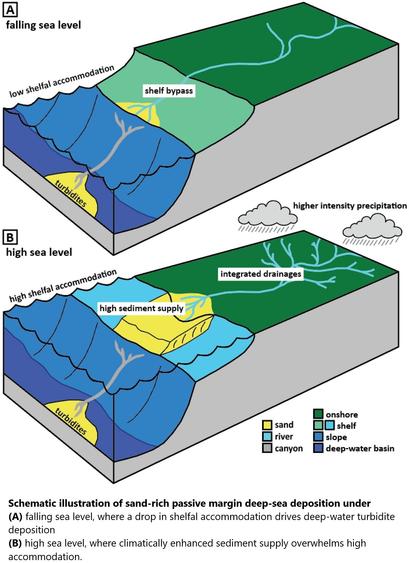
About 34 million years ago, Earth began to cool dramatically, transforming the climate from greenhouse to icehouse and causing sea levels to fall. As more land was exposed to weathering forces, copious amounts of sediment likely sloughed off continents into the oceans, bound for the deep seafloor.
BTW, we are working on a follow-up to the
#allochem assemblages paper (
https://www.nature.com/articles/s41598-023-47029-4). If you know about any paper about the (dead/fossil) assemblage in the
#sediment of a modern
#ContinentalShelf we might missed - hit me up!
We would happily expand the database.

Availability and type of energy regulate the global distribution of neritic carbonates - Scientific Reports
The study of carbonate rocks is primarily reliant on microfacies analysis, which is strongly based on the comparison with modern allochem assemblages. Despite the existence of several models aimed at comprehensively explaining, on the bases of abiotic factors, the distribution of carbonate-producing organisms, a global, quantitative and standardized overview of the composition of shallow-water carbonate sediments is still missing. Aiming to address this gap in knowledge, the current study provides a global database of the available quantitative data on neritic carbonate sediments. This is paired with satellite-based observations for the abiotic parameters. The results highlight a non-linear, multi-variable, dependence in the distribution of allochems and suggest that depth, temperature, and trophic state are, to a certain extent, interchangeable. The implication of which is a level of non-uniqueness for paleoenvironmental interpretation. The resulting distribution is rather continuous and stretches along an energy gradient. A gradient extending from solar energy, with autotrophs and symbiont-bearing organisms to chemical energy with heterotrophs. Further, quantitative data from modern oceans are still required to disentangle the remaining elements of uncertainty.

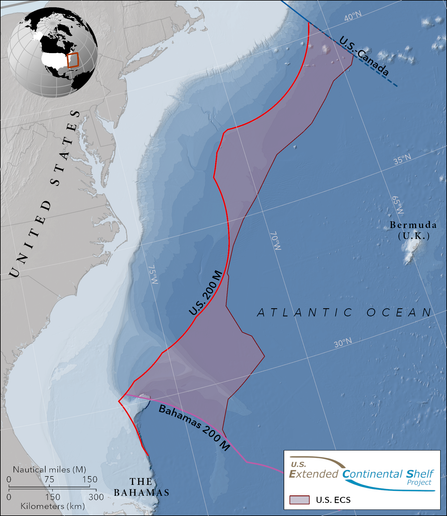
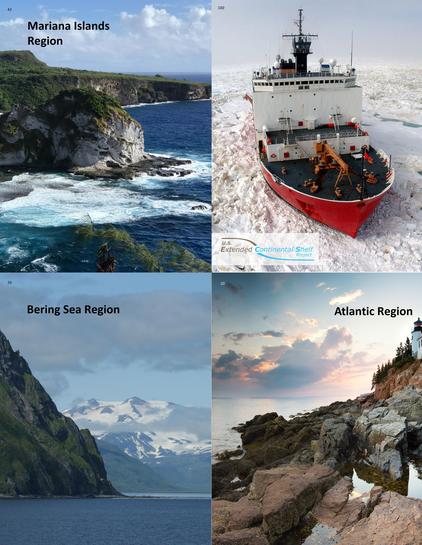
Five Takeaways from the US Continental Shelf Announcement

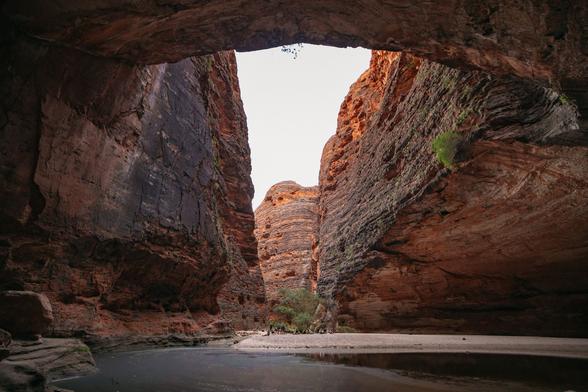
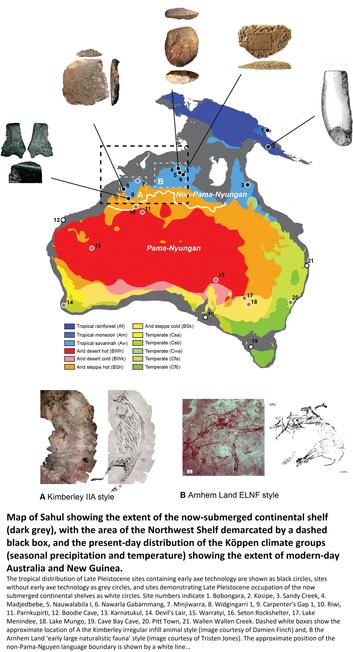
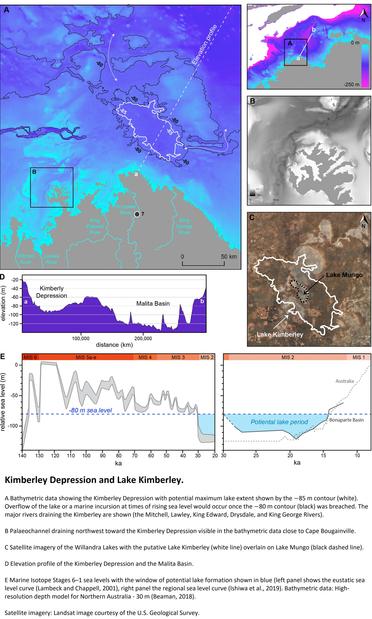
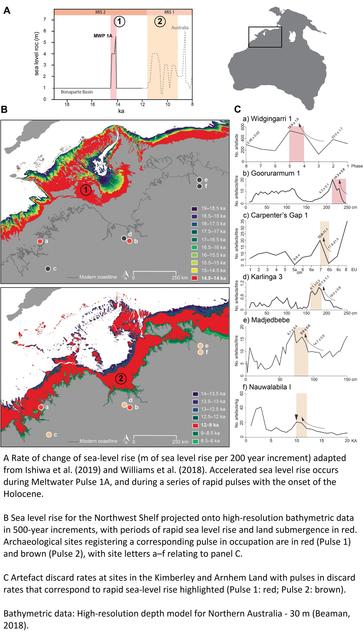
People once lived in a vast region in north-western Australia – and it had an inland sea
Our new study reveals a mosaic of habitable landscapes – now submerged by the ocean – once supported up to 500,000 people living in Australia’s northwest.
 Vexatious Vegetable
 💧🌏 Greg Cocks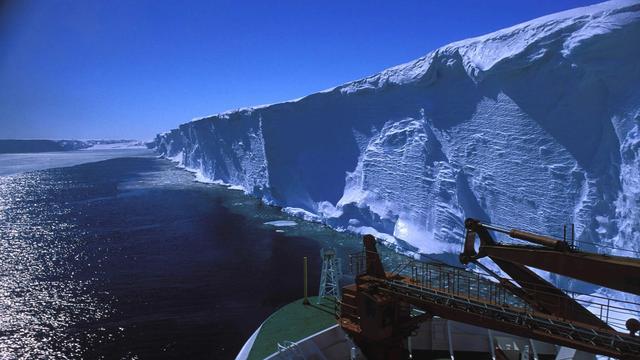


 The Japan Times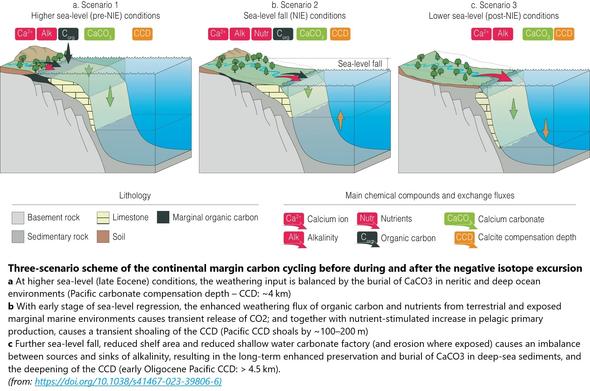
 Dr. Or M. Bialik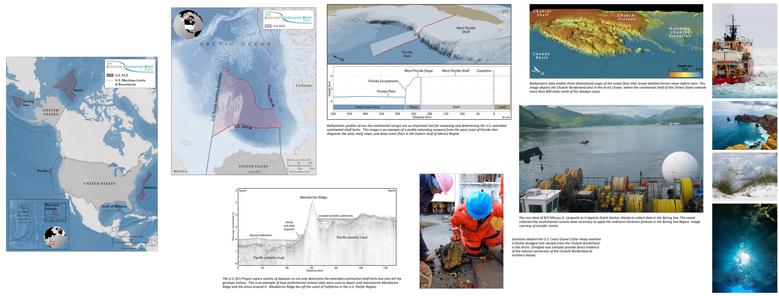
 Matt Willemsen
 Polar Observer