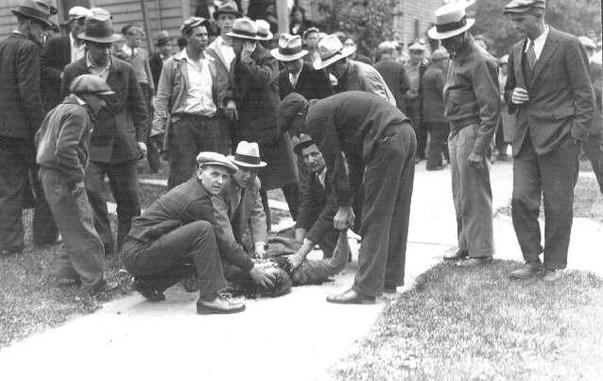
Today in Labor History April 12, 1934: The Toledo (Ohio) Auto-Lite General Strike began on this day. Initially, 6,000 workers struck for union recognition and higher pay. In late May, police beat an elderly picketer, infuriating the crowd, which began hurling stones, bricks and bottles at the cops. When the police had the fire department try to hose down the crowd, they seized the firehose and turned it back on the police. The cops fled inside the company gates and began firing so much tear gas and vomit gas (DM gas) that they were unable to enter the riot zone and make any arrests. Strikers continued hurling projectiles, overturning cars, setting them on fire. They used car tire inner tubes as giant slingshots to launch bricks into the company grounds. Later, the strikers busted through police lines and entered company grounds, engaging in hand-to-hand combat with the police. The next day, 1,300 Ohio National Guard arrived, leading to a five-day running battle between them and roughly 10,000 strikers. During the Battle of Toledo, the militia fired on workers. They shot tear gas, which the workers threw back at them. They attacked with bayonets and the workers retaliated with bricks, injuring several soldiers. Two strikers were killed and over 200 injured. The strike lasted for two months and resulted in a win for the union. It was one of the most important labor struggles of the 20th century. During that same spring, there were also General Strikes in San Francisco and Minneapolis.

The strike was led by the American Workers Party (AWP), a short-lived Marxist party that lasted from December 1933 through December 1934. The AWP also organized the unemployed, who were plentiful during the Great Depression, so that they would not scab on the striking workers. The AWP ringed the Auto-Lite plant with picketing workers to prevent strikebreakers from entering. Auto-Lite won a court injunction limiting where they could picket, opening up gaps through which they could get scabs inside. The AWP then instructed members to violate the injunction, leading to repeated mass arrests. Strikers and supporters packed the courtrooms, singing and generally disrupting the trials, leading to the release of all members. In 1934, the AWP merged with the Communist League of America to form the Workers Party of the U.S.

#workingclass #LaborHistory #generalstrike #toledo #union #militia #nationalguard #wages #police #policebrutality #strike #communism #scab
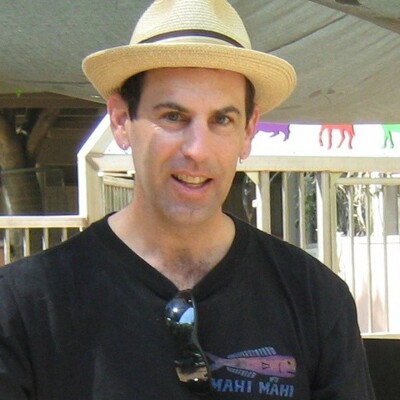
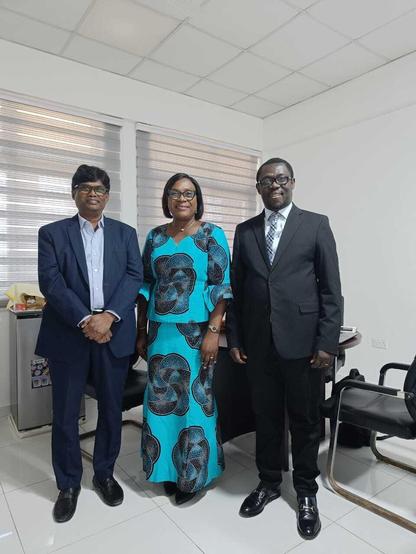
On behalf of our CEO (Dr Stephen Clark Bandoh), honored to be part of the White Coat Ceremony at the University of Health and Allied Sciences (@UHAS), Ho on Tuesday, 24th March, 2026.

Witnessed the next generation of healthcare professionals take their first step into the noble medical profession was truly inspiring. Moments like these reinforce the importance of leadership, responsibility, and purpose in healthcare.

Catch couple of appearances here 👇
⏱ https://www.youtube.com/watch?v=pOq8JvJl6A8&t=4080s (time stamp 1:08:00)
⏱ https://www.youtube.com/watch?v=pOq8JvJl6A8&t=9960s (time stamp 2:46:00)

Grateful to be part of such a meaningful occasion shaping the future of healthcare in Ghana.

#UHAS #WhiteCoatCeremony #HealthcareLeadership #MedicalEducation #FutureDoctors #GhanaHealthcare #Leadership #PharmaIndustry #Impact #scabpharmacy #scab #academyindustry

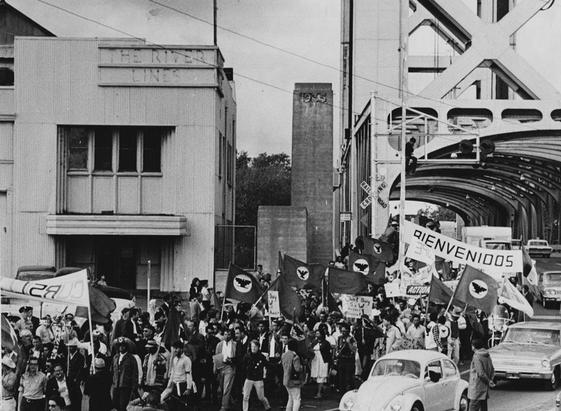
Today in Labor History March 17, 1966: 100 striking Mexican American and Filipino farmworkers marched from Delano, California to Sacramento to pressure the growers and the state government to answer their demands for better working conditions and higher wages, which were, at the time, below the federal minimum wage. By the time the marchers arrived, on Easter Sunday, April 11, the crowd had grown to 10,000 protesters and their supporters. A few months later, the two unions that represented them, the National Farm Workers Association, led by César Chávez, and the Agricultural Workers Organizing Committee, joined to form the United Farm Workers. The strike was launched on September 8, 1965, by Filipino grape pickers. Mexicans were initially hired as scabs. So, Filipino strike leader Larry Itliong approached Cesar Chavez to get the support of the National Farm Workers Association, and on September 16, 1965, the Mexican farm workers joined the strike. During the strike, the growers and their vigilantes would physically assault the workers and drive their cars and trucks into the picket lines. They also sprayed strikers with pesticides. The strikers persevered nonviolently. They went to the Oakland docks and convinced the longshore workers to support them by refusing to load grapes. This resulted in the spoilage of 1,000 ten-ton cases of grapes. The success of this tactic led to the decision to launch a national grape boycott, which would ultimately help them win the struggle against the growers.

#workingclass #LaborHistory #cesarchavez #ufw #delano #grapestrike #mexican #filipino #union #strike #boycott #protest #scab #farmworkers #vigilantes #larryitliong #sacramento

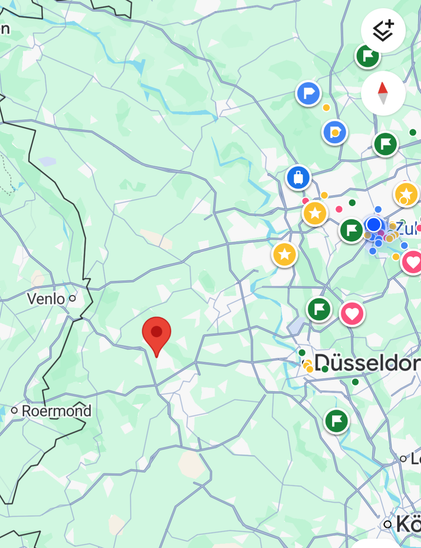
Viersen, Niederrhein
besser als manche so denken! #scab
some cops might be bastards

@CTVNews @edmonton-CTVNews

I am sure every Edmonton resident is looking forward to west bank style policing coming to their neighbourhood.

#scab #israel #apartheid #policebrutality #Edmonton

Crossing picket lines is bad enough, but #strikebreakers are the worst. One #scab drove a tractor over striking #sugarcane workers in #BritishGuiana on #ThisDayInHistory in 1964, breaking the backs of two women and killing a third, Kowsilla. The driver was acquitted of any crime.

Today in Labor History March 2, 1990: Over 6,000 bus drivers went on strike against Greyhound Lines. The company declared an “impasse” in negotiations and fired nearly every one of the drivers, who they replaced with scabs. During the strike, there were numerous reports of sniping incidents, with unknown assailants shooting at, or into, Greyhound buses that were being driven by scabs. The bosses, to no ones surprise, blamed the union leaders for orchestrating the shootings.

#workingclass #LaborHistory #greyhound #strike #union #scab #solidarity #union #bus #police #shooting

Today in Labor History February 26, 1941: 14,000 workers struck at Bethlehem Steel’s Lackawanna mill in Buffalo, New York. As a defense contractor, the company had $1.5 billion worth of armament orders, but refused to pay the minimum wage mandated for government contracts. Furthermore, they had recently fired 1,000 workers, blaming their last work stoppage for damaging some coke ovens. The pickets effectively stopped scabs from getting in. After less than 2 days, the company agreed to rehire the fired men and began talks on a raise and union recognition. However, a month later, they reneged.

#workingclass #LaborHistory #strike #bethlehem #steel #minimumwage #scab #wwii #newyork #buffalo #union #wages

Today in Labor History February 14, 1949: Canadian asbestos workers began a six-month strike. It also marked the beginning of the Quiet Revolution, a period of intense socio-political change in Quebec. The strike began at midnight on February 14, when miners walked off the job at four asbestos mines. Most of the mines were owned by American or English-Canadian companies, but most of the workers were francophones. The largest company was the American Johns-Manville firm. The workers’ demands included the elimination of asbestos dust inside and outside of the mill and a small raise. Six weeks into the strike, Johns-Manville hired scabs to keep the mines open. 5,000 strikers attacked the scabs, destroying their property and intimidating them through force. Miners and police fought on the picket line. They arrested hundreds of miners. On March 14, someone blew up a part of a railroad track leading into the Johns-Manville property. On May 5, the strikers barricaded a mine and every road into and out of town. They only backed down when the police pledged to open fire on them. The next day, the police beat miners and began mass-arresting them. This intimidated the union leadership to the point that they gave in and agreed to return to work with few gains.

#workingclass #LaborHistory #PoliceBrutality #strike #scab #asbestos #quebec #mining

Today in Labor History January 25, 1915: The Supreme Court upheld "yellow dog" contracts, which forbid membership in labor unions. The United Mine Workers Journal wrote, in 1921: “This agreement has been well named… It reduces to the level of a yellow dog any man that signs it, for he signs away every right he possesses under the Constitution and laws of the land and makes himself the truckling, helpless slave of the employer.” Yellow dog contracts remained valid until the Norris-LaGuardia Act of 1932.

#workingclass #LaborHistory #union #unionbusting #scab #mining