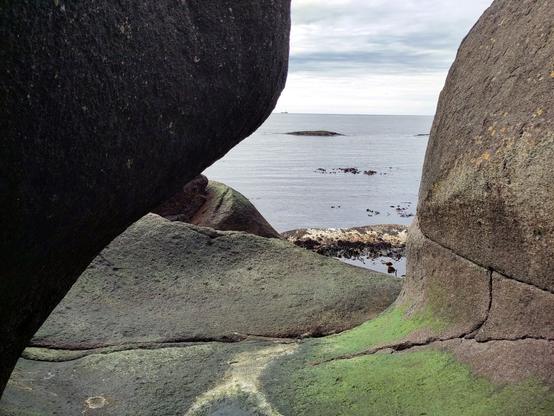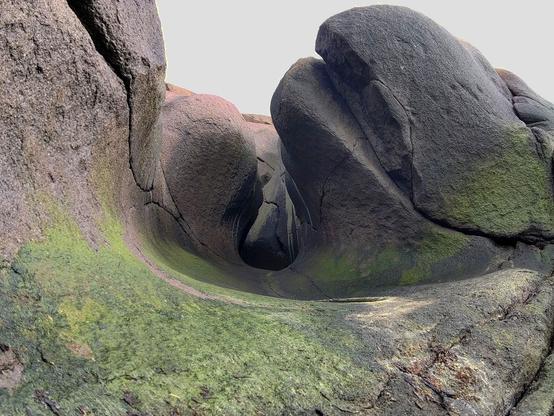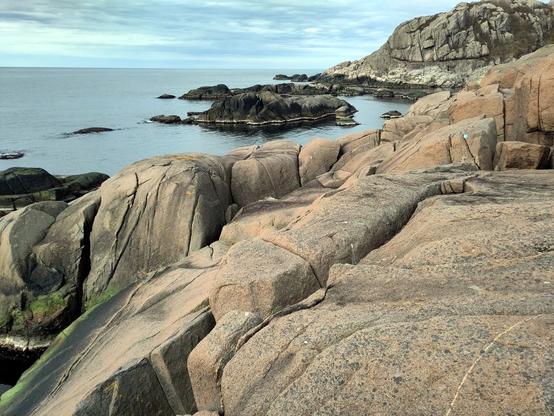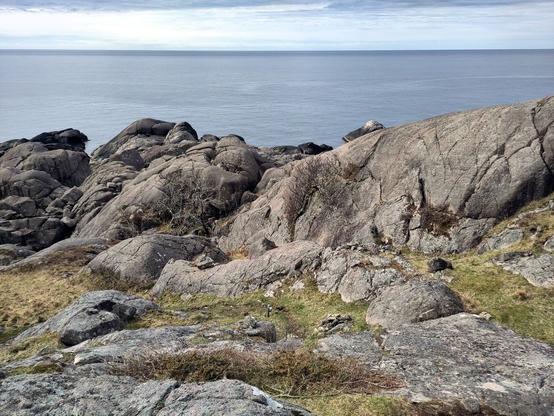
Glaciál (Glaciologie 🗻)

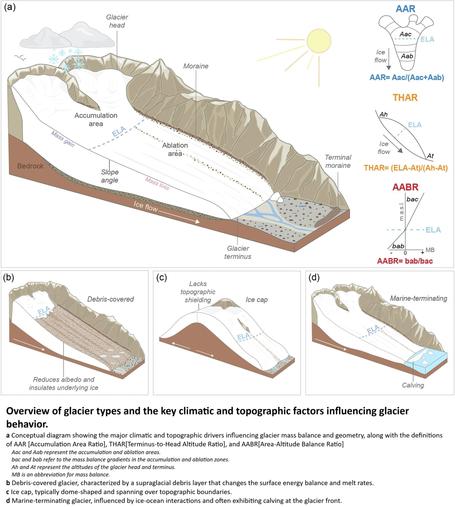
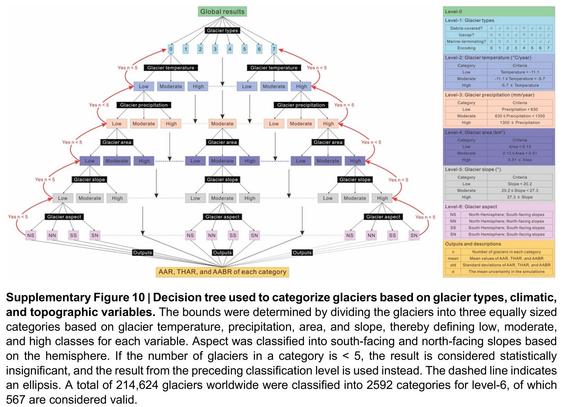
Glaciál je časový úsek v rámci doby ledové, který se vyznačuje nižšími teplotami a rozšířením ledovců. Interglaciály jsou naopak období teplejšího klimatu mezi glaciály. Poslední glaciál skončil přibližně 15 000 B.P. Holocén je současný interglaciál. Doba, kdy na Zemi není žádný ledovec, je považována za skleníkový stav klimatu.

https://cs.wikipedia.org/wiki/Glaciál

#Glacial #Glaciologie #Klimatologie #GeologickyCas

Glaciál – Wikipedie

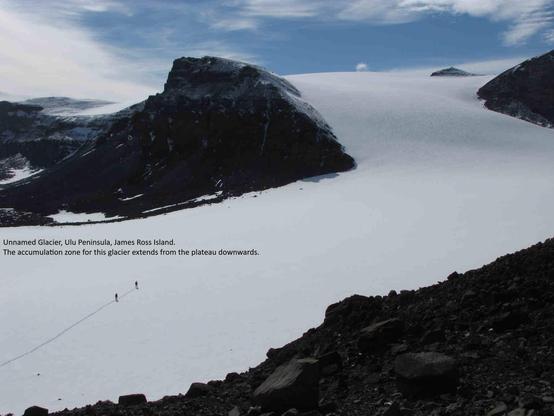
#KnowledgeBit: A #Nunatak (from Inuit nunataq) is the summit or ridge of a mountain that protrudes from an ice field or glacier that otherwise covers most of the mountain or ridge. They often form natural pyramidal peaks.

Isolated nunataks are also called #Glacial #Islands, and smaller nunataks rounded by glacial action may be referred to as rognons.

https://knowledgezone.co.in/kbits/652e0d6f46d13e2a48ca58bc

Because this keeps coming up, and it's good to have a reference: there was never, ever a time when #climatologists were predicting #globalcooling on a human scale.

There was a brief time in the '70s when it looked like we might be headed into another #glacial period of the current ice age (yes) a little faster than expected, which got a lot of media attention. If this had actually happened, it would have been over centuries rather than the usual millennia, but of course that wasn't sensationalist enough, so there was considerable hype.

Meanwhile, researchers in the then-young science of #climatology accurately predicted continued #warming and the accompanying #climatechange: https://journals.ametsoc.org/view/journals/bams/89/9/2008bams2370_1.xml

"Scientists used to warn us about global cooling, now they say it's #globalwarming! Make up your minds, stupid scientists!"

Of course, even if there had been legitimate fears about global cooling fifty years ago, that wouldn't invalidate modern concerns about warming. One of the most fundamental principles of science is updating your knowledge base when new information comes along.

As it happens, this isn't even an example of that. Just another lie from the anti-#science loons. You won't convince them with the above link, but the lurkers might take note.

THE MYTH OF THE 1970s GLOBAL COOLING SCIENTIFIC CONSENSUS

Climate science as we know it today did not exist in the 1960s and 1970s. The integrated enterprise embodied in the Nobel Prizewinning work of the Intergovernmental Panel on Climate Change existed then as separate threads of research pursued by isolated groups of scientists. Atmospheric chemists and modelers grappled with the measurement of changes in carbon dioxide and atmospheric gases, and the changes in climate that might result. Meanwhile, geologists and paleoclimate researchers tried to understand when Earth slipped into and out of ice ages, and why. An enduring popular myth suggests that in the 1970s the climate science community was predicting “global cooling” and an “imminent” ice age, an observation frequently used by those who would undermine what climate scientists say today about the prospect of global warming. A review of the literature suggests that, on the contrary, greenhouse warming even then dominated scientists' thinking as being one of the most important forces shaping Earth's climate on human time scales. More importantly than showing the falsehood of the myth, this review describes how scientists of the time built the foundation on which the cohesive enterprise of modern climate science now rests.

AMETSOC
Eine meiner Lieblingsenten, die Eisente. Im Winter taucht sie an den südlichen Nord- und Ostseeküsten auf (und ab, sie ist die kleinste der tauchenden Meerenten), wenn sie nach der Brutperiode am Polarkreis wärmere Gewässer aufsuchen. Hier ein Weibchen
#glacial #ducks in #watercolour für #SciArtSeptember
How 'glacial outburst' flooding was averted in Alaska's capital city

A 'glacial outburst' – a burst of water from a glacial lake – threatened to engulf residents of Juneau, Alaska.

USA TODAY