This week's #NewBooks at the library: Who is excited about the next few books he will be reviewing?

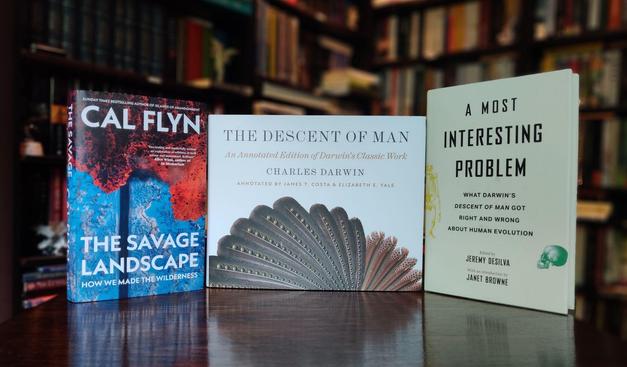
- After an impressive debut, I am looking forward to reading Cal Flyn's second book, The Savage Landscape: How We Made the Wilderness, published by HarperCollins.

- Time for another deep dive into the history of my favourite discipline, #EvolutionaryBiology. I really enjoyed Costa's annotated version of Wallace's notebook, and am very excited about delving into this annotated version of #CharlesDarwin's The Descent of Man, beautifully published here by @princetonupress. Expect me to go dark for a while, it's over 760 pages!

- And for context, I will be adding a review of Jeremy DeSilva's A Most Interesting Problem: What #Darwin’s Descent of Man Got Right and Wrong about #HumanEvolution, published a few years back, also by Princeton.

#Books #Bookstodon #Scicomm #Evolution #HistoryOfScience #ScienceHistory #HistSci @bookstodon
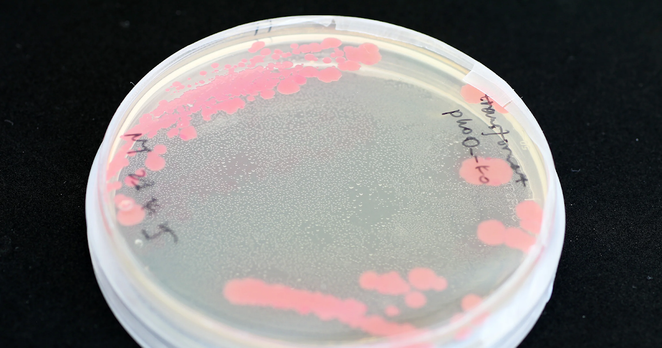
Negative hysteresis is an evolution-informed treatment strategy where an initial exposure to one antibiotic predictably induces a temporary cellular vulnerability in a bacterial pathogen to a second, different antibiotic. In the pathogen Pseudomonas aeruginosa, pretreatment with a β-lactam robustly sensitizes the bacteria to a subsequent aminoglycoside attack.
#Microbiology #EvolutionaryBiology #Pharmacology #sflorg
https://www.sflorg.com/2026/05/mcb05222601.html
Negative Hysteresis in Antibiotics

Discover how negative hysteresis uses sequential antibiotics to weaken resistant bacteria like Pseudomonas aeruginosa, fighting the AMR crisis.

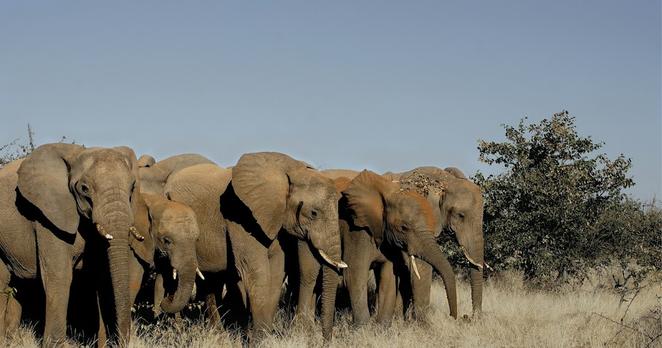
Mammal species that live in pairs or social groups consistently outlive solitary species, demonstrating that social organization naturally extends a species' maximum lifespan.
#PopulationBiology #EvolutionaryBiology #Ecology #sflorg
https://www.sflorg.com/2026/05/ebio05212601.html
Why Social Mammals Live Longer

Discover how living in pairs or groups helps social mammals outlive solitary species through collective defense and evolutionary biology

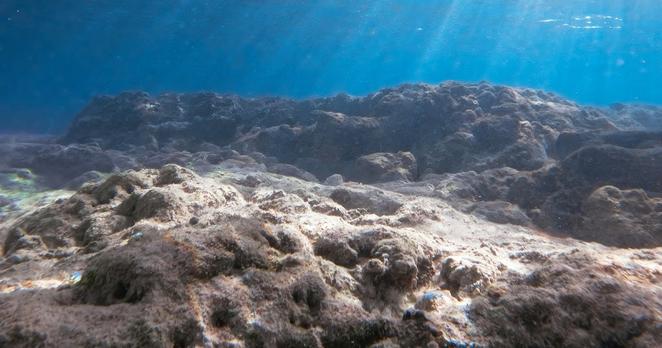
The earliest known eukaryotic organisms were exclusively benthic, inhabiting shallow, oxygenated marine seafloors rather than drifting in the anoxic open oceans. Their evolution and geographic distribution were fundamentally constrained by the highly localized availability of oxygen.
#Paleontology #Geochemistry #EvolutionaryBiology #Sedimentology #sflorg
https://www.sflorg.com/2026/05/pal05202601.html
Benthic Origins of Early Eukaryotes

New research reveals early eukaryotes lived in oxygenated seafloors 1.7 billion years ago, explaining their billion-year evolutionary delay.

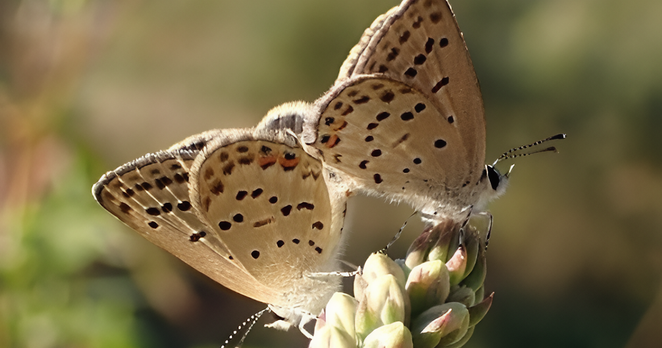
Feeding on non-native, invasive plant species during the larval stage significantly alters the adult wing coloration of the near-threatened Fischer's Blue butterfly (Tongeia fischeri), negatively impacting its reproductive success.
#Entomology #Ecology #Conservation #EvolutionaryBiology #sflorg
https://www.sflorg.com/2026/05/ent05192601.html
Invasive Plants Disrupt Butterfly Mating

A non-native larval diet changes the wing color of Fischer's Blue butterflies, disrupting visual mating signals and threatening reproductive success.

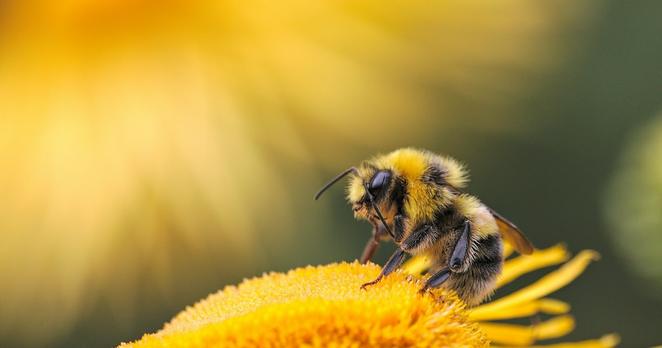
In bumble bee colonies, the development of a female larva into either a sterile worker or a reproductive queen is determined by the amount of juvenile hormone fed to them by adult worker bees.
#Entomology #EvolutionaryBiology #MolecularBiology #AnimalBehavior (Ethology) #sflorg
https://www.sflorg.com/2026/05/ent05182602.html
Worker Bees Control Bumble Bee Queens

Discover how worker bumble bees control colony hierarchy by feeding juvenile hormone to larvae, determining who becomes the next queen.

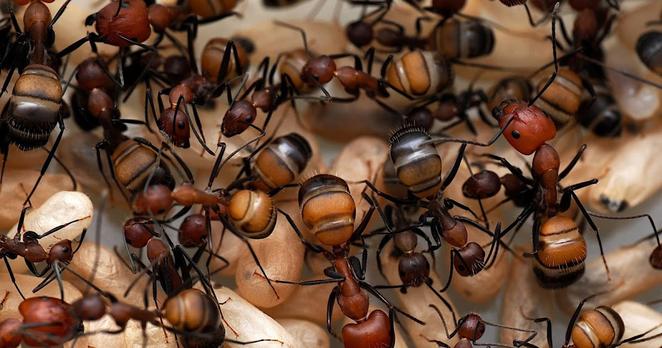
Researchers have identified 35 novel antimicrobial peptides, known as formicitoxins, within the venom of carpenter ants. These small protein molecules play a critical role in the management of microbes and the hygienic defense of insect communities.
#Entomology #Biochemistry #EvolutionaryBiology #Pharmaceutical #sflorg
https://www.sflorg.com/2026/05/ent05182601.html
New Antimicrobial Peptides in Ant Venom

Scientists discovered novel antimicrobial peptides in carpenter ant venom, offering breakthrough potential for medical drug discovery.

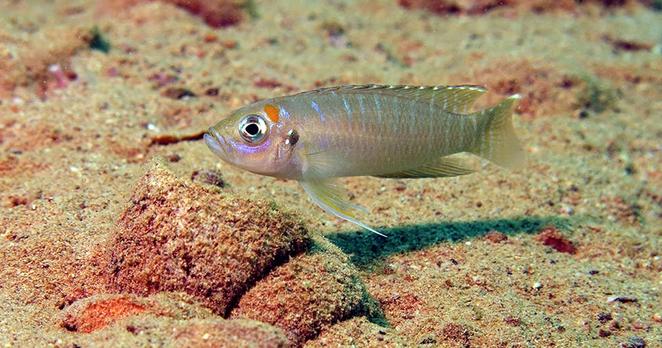
Evolutionary adaptation to different diets fundamentally reshapes not just outward physical traits, but the underlying cellular composition and functional genetic programming of an organism's intestinal tissue.
#EvolutionaryBiology #CellBiology #Ecology #sflorg
https://www.sflorg.com/2026/05/ebio05182601.html
Diet-Driven Cellular Evolution in Gut Tissue

Discover how distinct diets drive the rapid evolutionary adaptation of specialized intestinal cells in cichlid fishes and shape gut tissue.

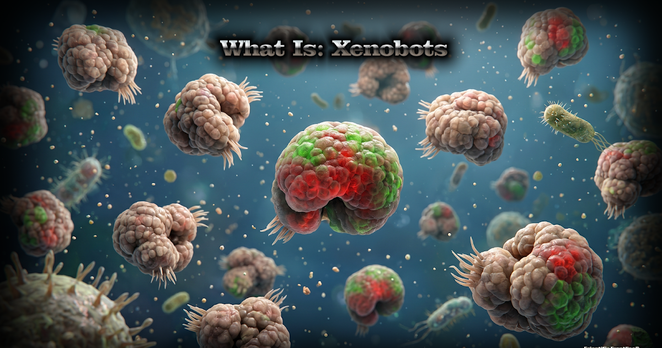
Xenobots are microscopic, programmable biological machines constructed entirely from living cells without any genetic modification. Measuring less than a millimeter, they lack traditional mechanical parts and are entirely organic, biodegradable, and derived primarily from embryonic stem cells of the African clawed frog (Xenopus laevis).
#WhatIs #EvolutionaryBiology #DevelopmentalBiology #SyntheticBiology #ComputationalBiology #SoftRobotics
https://www.sflorg.com/2026/05/wi05172601.html
What Is: Xenobots

What Is Xenobots, microscopic programmable machines built from living cells. Learn how they revolutionize regenerative medicine and synthetic biology.

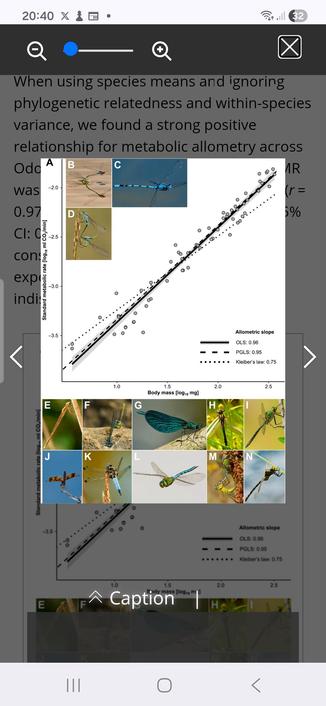
Happy to finally see or phylogenetic comparative study on the macroevolution of steep metabolic allometry in the insect order Odonata (dragonflies and damselflies) finally published in Ecology Letters!

https://onlinelibrary.wiley.com/doi/10.1111/ele.70399

#Evolution #EvolutionaryBiology #Odonata #insects #physiology #metabolism