Why Some People Expect a Red Carpet After Starting a House Fire

Hey friends, Tina here. Pull up a chair, grab a beverage of choice (mine is currently a coffee that’s 40% caffeine and 60% “don’t talk to me yet”), and let’s have a real-time heart-to-heart about something that’s been living rent-free in my brain lately.

I saw a quote recently that basically read my entire life for filth. It said: “The audacity they had after the betrayal is what hurt the most because it showed they never felt remorse, only entitlement.”

Can we just sit with that for a second? Let it marinate? Because I don’t know about you, but I have met some people who have more “audacity” than a cat that just knocked over an expensive vase and then looks at you like you should be the one apologizing for where you placed it.

Recognizing Toxic Audacity and Entitlement

You know the type. These are the people who will set your metaphorical house on fire, watch you stand on the sidewalk in your pajamas holding a singed toaster, and then have the absolute nerve to ask, “Hey, so… since you’re not using the kitchen right now, can I borrow five bucks for lunch?”

It’s the lack of accountability that’s the kicker. When someone betrays your trust—whether it’s a friend who gossiped behind your back, a partner who wasn’t where they said they were, or a family member who crossed a line for the thousandth time—you expect a certain level of, I don’t know, humanity? You expect a “holy crap, I messed up, how can I fix this?”

Welcome to the Entitlement Tour

But instead, you get the Entitlement Tour.

They watch you processing the damage. They see the bags under your eyes. They see you pulling away to protect your peace. And instead of saying “I’m sorry,” they get offended. They act like your new boundaries are a personal insult to their character.

“Oh, so we’re just not talking now? Wow, Tina, I didn’t know you were so dramatic.”

Sir/Ma’am, I am not being dramatic. I am being unavailable for further participation in this circus. There is a difference!

When Setting Boundaries Offends Them

I’ve learned the hard way that when someone gets angry at your boundaries, it’s usually because they were benefiting from you not having any.

It’s a specific kind of psychological gymnastics. If they act like the victim of your “coldness,” they don’t have to face the fact that they were the villain of the initial story. It’s a total “uno reverse” card on your emotions.

If you’ve ever felt like you were the one apologizing for being hurt, honey, you’ve been “Audacity-ed.” It’s a tax we pay for being too “graceful” for too long. People start to think your grace is a permanent subscription service they don’t have to pay for with basic respect.

The Psychological Gymnastics of a Betrayal

Honestly, at this point in my life, I have to laugh. Because the sheer confidence it takes to hurt someone and then expect “access, grace, and silence” is almost impressive. It’s like breaking someone’s window and then getting mad that they put up bars to keep you out.

I’ve reached a stage where I don’t argue anymore. If you show me that your disrespect wasn’t an accident—that it was actually a choice you’re unwilling to own—I’m not going to give you a lecture. I’m just going to give you the gift of my absence.

Giving the Deluxe Gift of Your Absence

And let me tell you, my absence is deluxe. It’s quiet, it’s peaceful, and it doesn’t come with a “please hurt me again” coupon.

If you’re going through this right now—if you’re feeling “mean” for saying no, or “harsh” for cutting off someone who didn’t value you—remember this: Your boundaries are not a punishment for them; they are a protection for you.

If they wanted access to the inner circle, they should have been a better guardian of that privilege. You aren’t a revolving door, and you certainly aren’t a punching bag that says “Thank you, may I have another?”

So, here’s to us. Here’s to the ones who are finally taxing the audacity and closing the gates. It might be lonely for a minute, but the air is a whole lot cleaner out here.

#accountability #dealingWithAudacity #entitlement #lackOfAccountability #mentalHealth #protectingYourPeace #relationshipAdvice #relationshipBetrayal #settingBoundaries #storiesFromTina #toxicPeople #toxicRelationships

Mastering the Art of Saying No: How to Set Healthy Boundaries in Midlife After a Lifetime of Being Nice

Have you ever felt like you’ve made too many sacrifices? Many women try too hard to please everyone. This can start early and last into our 40s.

Setting boundaries is key in midlife. It helps you keep your privacy and personal space. It’s time to take a step back and take back your life. Tamsen Fadal, author of How to Menopause, says this stage is for change. It’s a time to focus on your needs and desires. Learning to say no can be freeing. You don’t have to say yes to every request. This includes your husband or children.

  • Navigating setting boundaries, midlife crisis,
  • Understanding the Midlife Crisis and Emotional Shifts
  • Reflecting on a Lifetime of Being ‘Nice’
  • Embracing Self-Responsibility and Personal Growth
  • Identifying Your Personal Values and Needs
  • Effective Techniques for setting boundaries
  • Communicating Boundaries with Loved Ones
  • Overcoming Emotional Immaturity and Manipulation
  • Managing Relationships during Midlife Transitions
  • Practical Strategies at Work and Beyond
  • Establishing Physical and Emotional Space
  • Learning to Say No without Guilt
  • Reclaiming Your Time and Prioritizing Self-Care
  • Innovative Self-Care Practices for Midlife Wellness
  • Embracing Change: New Boundaries for a New Chapter
  • Conclusion
  • In this guide, we’ll show you how to protect your peace. You’ll learn to focus on what makes you happy. Remember, your time is valuable. Setting boundaries is a choice that can improve your relationships.

    Navigating setting boundaries, midlife crisis,

    Do you wonder if your life shows your true desires? In your 50s, time is precious. Tamsen Fadal says focusing on yourself is important.

    If you don’t take time for yourself, you’ll never get it back.

    It’s important to change how you see relationships. Stop putting others’ comfort before your own health. Setting boundaries is not selfish. It’s necessary for being true to yourself.

    Change can be scary, especially if you’ve always been nice. But it’s crucial for your emotional health. We’ll find ways to see where you’ve been too giving. It’s time to take back your space and decide what you’ll accept.

    Understanding the Midlife Crisis and Emotional Shifts

    Reaching midlife can make you question your happiness. This stage brings emotional changes. Tamsen Fadal says the drop in estrogen can be tough. But it’s also a chance to start setting boundaries.

    A midlife transition makes us face living for others. Many feel overwhelmed by commitments that don’t help them grow. This can hurt your mental health and make you feel like you’re giving up too much.

    Understanding these changes is key. It’s the first step to creating a safe space for yourself. By seeing these patterns, you can find freedom from others’ expectations.

    Reflecting on a Lifetime of Being ‘Nice’

    It’s easy to forget our own desires when we try to please everyone. Many of us learned that making others happy was the most important thing. This can make us feel like we’re sacrificing too much for others.

    Tamsen Fadal shares how saying yes to everything stressed her out. Reflecting on being nice shows we often ignored our needs. This neglects what’s important to us.

    Breaking this habit is crucial. It’s hard to accept you can’t fix everyone’s problems. But understanding this is part of growing.

    Looking back on your choices with kindness is important. Commit to a future where you prioritize your happiness. This is especially true during midlife and when thinking about your relationships.

    Embracing Self-Responsibility and Personal Growth

    Is it time to see that your happiness is up to you? The key to growing is knowing you can only control yourself. This is powerful, especially when setting limits with others.

    Being happy means not counting on others for joy. When you stop trying to fix everyone, you have more time for yourself. This is a big step in your journey.

    Being self-responsible means not needing others’ approval. You can live by your own values and set clear limits. You are in charge of how you react to life’s ups and downs.

    Identifying Your Personal Values and Needs

    Have you thought about what really matters to you? Tamsen Fadal’s husband, Ira, would ask her, “What do you want?” This question helped her find her desires and how to deal with people.

    Many women are never asked what they want. They’re pushed to meet others’ expectations. Taking time to think can help you decide how to spend your time and set limits.

    It might seem bold to put your needs first, but it’s key to a happy life. Knowing what you value helps you stay true to yourself and set clear limits.

    Think about what makes you feel alive. This is important for breaking free from others’ expectations and finding your own path. It helps you talk about what’s important.

    Effective Techniques for setting boundaries

    Are you ready to take charge of your life and say what you want? Terri Cole, from Boundary Boss, says setting boundaries means being clear about what you like and dislike.

    Think of boundaries like an “electric fence.” At first, it might shock people used to you saying yes. It shows them you mean business.

    Being open about your limits is key. It keeps your peace and respects your feelings. Remember, not everyone will be happy with your growth, but that’s okay.

    Standing firm teaches others how to treat you. It keeps your space safe from bad behavior.

    Communicating Boundaries with Loved Ones

    Talking about your limits can be tough. But it’s important for keeping your energy and sense of self. When you say your boundary, you let others decide how to act.

    Let your family know if certain actions upset you. If a relationship is too much, it’s okay to say so. Being honest is good for you and your kids.

    You don’t have to worry about how others react to your boundaries. Their feelings show their maturity. By sharing your needs, you help create a better environment for everyone.

    Overcoming Emotional Immaturity and Manipulation

    Do you struggle with people who try to change your values? Dealing with emotionally immature people is tough. They might try to make you do things that go against your values.

    Remember, their bad behavior is their problem, not yours. Some people will blame you for their choices. Stay strong and keep your boundaries clear.

    If someone ignores you as a way to punish you, ignore them too. Don’t waste your time on their drama. This keeps you safe and happy.

    Managing Relationships during Midlife Transitions

    Do you need to rethink your relationships during big life changes? It’s important to talk about boundaries and find the truth. This helps you understand everyone better.

    For example, if someone disrespects your space, it’s a big problem. If a spouse cheats, you can’t control them. But you can say no to them bringing their partner home.

    It’s key to remember you can’t fix others’ problems. By staying away from their choices, you protect yourself. This gives them space to deal with their issues.

    Practical Strategies at Work and Beyond

    Is work pressure making you stressed? Tamsen Fadal says your health and time are most important.

    Make time for yourself by blocking it out in your calendar. This can lower stress and keep your blood pressure down.

    Some people think saying no will hurt their job. But setting boundaries actually makes you more confident and happy at work.

    Your time is very valuable. Treat it like you would a meeting. This helps you take care of yourself and your health.

    Establishing Physical and Emotional Space

    Knowing the value of space can change your relationships. The Bible says words can hurt as much as actions. This shows how important our words are.

    You have the right to say “No, I won’t” when it hurts you. It’s important to know where you end and others begin. Set clear boundaries for yourself.

    If someone yells at you, it’s okay to leave. This keeps your space safe and respectful. It helps you feel secure and happy.

    Learning to Say No without Guilt

    Do you often say yes when you want to say no? Saying no is powerful. It helps you avoid unwanted events. Tamsen Fadal suggests imagining the obligation is happening now. This helps you decide if you really want to say yes.

    Saying no is a complete sentence for your well-being. You don’t have to explain why you’re saying no. Your time is yours, and you should prioritize yourself.

    Saying no saves your energy. It keeps you from getting drained by others’ demands.

    Reclaiming Your Time and Prioritizing Self-Care

    Ever feel too busy for yourself? Tamsen Fadal says many women are tired because they do too much for others. They manage everyone’s plans and feelings.

    Make time for yourself by writing it down. Set hours where you won’t do anything for others. This time is for you, to relax or think.

    Feeling anxious? It’s because you rush from task to task without time for yourself. Self-care lets you think clearly and come up with great ideas.

    Innovative Self-Care Practices for Midlife Wellness

    Want to feel better? Try new self-care habits. Use colored calendars to mark your personal time. Use purple for your alone time.

    Tamsen Fadal’s book, How to Menopause, is now 49% off. It helps women take back their lives and feel better.

    Focus on what you’re thankful for. Seeing the good in things can make you healthier.

    Make yourself the center of your life. This lets you focus on your own happiness, not others.

    Embracing Change: New Boundaries for a New Chapter

    Ready to put yourself first? This is your chance to shine in your own life. Remember, there’s no reward for giving too much.

    Setting limits can boost your confidence. You’ll be happier with your life. Learn to say no to things you don’t want to do.

    You’re entering a time where you can protect what matters most. This might upset some people. But staying true to yourself creates a life that’s truly yours.

    Conclusion

    Think about how your choices make you happy. Setting boundaries changes your life for the better. It lets you focus on your health.

    Saying no is powerful. It keeps your time and energy for yourself. You deserve to choose how you spend your time and who you spend it with.

    Keep practicing these habits. Believe you deserve a life that reflects who you are. Move forward with confidence and love for yourself.

    #Lifestyle #blog #boundariesForWomenOver40 #EmotionalBoundaries #EmotionalResilience #EmotionalWellness #healthyBoundaries #howToSayNo #learningToSayNo #midlifeBoundaries #midlifeInspiration #midlifeWellness #mindfulness #mindset #mindsetShifts #nervousSystemRegulation #personalGrowthForWomen #recoveringPeoplePleaser #selfCareForWomen #selfWorthAndConfidence #settingBoundaries #stopPeoplePleasing #stressAndBoundaries #womenOver40 #WomenOver50 #womenSEmpowerment

    How to Set Healthy Boundaries in Relationships Without Feeling Guilty: A Personal Guide to Protecting Your Peace

    Learn how to set healthy boundaries in relationships without feeling guilty. Discover practical tips, personal experiences, and proven strategies to protect your peace, build self-respect, improve communication, and create healthier, more fulfilling relationships

    https://dimmajoblog.com/2026/06/15/how-to-set-healthy-boundaries-in-relationships-without-feeling-guilty-a-personal-guide-to-protecting-your-peace/

    The “Three-Strike Rule”

    Hey everyone, it’s Tina. Pull up a chair, grab a beverage of choice—preferably something stronger than lukewarm tea because we need to talk about The Threshold.

    Reaching the Invisible Threshold

    You know the one. It’s that invisible line in the sand where you stop being a “patient, understanding friend” and start being a “closed for renovation” sign. I posted a quote today that really hit home, and I wanted to dive into why I’m finally embracing the “It’s Above Me Now” lifestyle.

    The Exhaustion of Repeating Yourself

    Is there anything more exhausting than having the exact same conversation four times? I’m not talking about debating whether pineapple belongs on pizza (it does, fight me). I’m talking about that heavy, heart-to-heart talk where you say, “Hey, when you do [Insert Annoying/Hurtful Behavior Here], it really makes me feel like trash.”

    And they look at you with those big, soulful eyes, nod along, maybe even shed a single, dramatic tear, and you think: Wow, we’re having a breakthrough. We’re growing. We’re basically the leads in a coming-of-age indie film.

    Flash forward two weeks: They do it again.

    Deciphering the Lack of Change

    At this point, I’m not even mad. I’m just confused. Did I speak in Morse code? Was there a localized solar flare that wiped their short-term memory? No. The reality is much simpler, and a lot harder to swallow: They heard me the first time. They saw the hurt. They just decided that their comfort was more important than my peace.

    “It’s Above Me Now”

    That phrase is my new spiritual mantra. It means I have officially handed the situation over to the universe, the manager, or perhaps a small group of disinterested pigeons. It’s no longer my job to fix it, explain it, or manage your reaction to it.

    Running Out of Emotional Currency

    When I say I “stop caring,” people think that means I’ve turned into a cold-hearted villain. Honestly? I wish! Being a villain sounds way more productive. In reality, it just means I’ve run out of emotional currency. My “care bank” has hit a $0.00 balance, and the overdraft fees are killing me.

    Tip: If you have to explain why you deserve basic respect more than twice, you’re not communicating; you’re auditioning for a role you’ve already been rejected for.

    The Truth About Being the Bigger Person

    Here’s the human truth: We stay too long because we want to be “the bigger person.” We want to be the one who didn’t give up. But let’s be real—sometimes being the bigger person just makes you a bigger target.

    I’ve realized that people treat you exactly how they feel about you. Ouch, right? If someone treats you like an option, an afterthought, or a punching bag for their bad moods, that is their “review” of your place in their life. You can’t argue with a 1-star review. You just move to a different restaurant.

    How to Protect Your Peace and Reclaim Your Energy

    So, where does that leave us? It leaves us with a little more free time and a lot less chest tightness. Knowing your worth doesn’t mean you have to go on a “burn all bridges” tour (though a little controlled bonfire can be therapeutic). It just means:

    • Setting the Boundary: “I’ve mentioned this before, so I’m going to step back now.” • Trusting Your Eyes: Believe their actions the first time, not their apologies the fifth time. • Reclaiming Your Energy: Using all that “fixing” energy to finally start that hobby or, let’s be honest, just nap without feeling guilty.

    If you’re reading this and nodding because you’re currently in “Strike Two” with someone—pay attention. You deserve people who don’t require a PowerPoint presentation to understand how to be kind to you.

    Anyway, I’m off to go enjoy my newfound peace. It’s quiet over here. I like it.

    #emotionalExhaustion #knowingYourWorth #LettingGo #mentalHealth #protectingYourPeace #relationshipAdvice #settingBoundaries #storiesFromTina #toxicFriendships #toxicRelationships

    Why I’m Finally Done Digging

    Hey friends, it’s Tina.

    I posted a quote on my socials earlier that hit a little too close to home for some of you. It was one of those “stop feeling guilty for finally leaving” reminders. But since some of you asked for the “full tea” (or at least the recipe for how I finally stopped brewing it), I decided to sit down and actually write it out.

    If you’re reading this while hiding in a bathroom stall at work or under the covers because you’re “resting your eyes” (we know you’re doom-scrolling, it’s okay), this one is for you.

    The Myth of Overreacting

    Have you ever had that moment where you finally snap, and the other person looks at you with wide, innocent eyes and says, “Whoa, where is this coming from? You’re being so dramatic.”?

    First of all, let’s talk about that word: Overreacting. In my experience, “overreacting” is just the term people use when they’re surprised you finally noticed the house was on fire after they’ve been playing with matches for six months. I used to carry so much guilt about my “tone” or the fact that I finally raised my voice. I’d spend hours—literally hours—replaying the argument in my head, wondering if I could have said “I feel hurt when you lie to my face” in a more melodic, soothing, Disney-princess kind of way.

    alert: It wouldn’t have mattered.

    The Overflowing Patience Bucket

    I wasn’t overreacting. I was just overflowing. My “patience bucket” had a hole in it, and they kept pouring in manipulation, half-truths, and “I forgot” excuses until I was standing in a puddle of my own sanity.

    I am the reigning world champion of giving “one last chance.” I should have a trophy. Or at least a punch card where the 10th chance gets me a free therapy session.

    Seeing Potential Over Reality

    We stay because we see the potential in people, right? We aren’t looking at who they are today (which is usually someone stressing us out); we’re looking at that one version of them from three years ago who once bought us a taco without being asked. We think, “If I just explain it one more time, in a different font, with a PowerPoint presentation and maybe a interpretive dance, they’ll finally get it!”

    But here’s the cold, hard, slightly caffeinated truth: You cannot logic someone into treating you better. If they wanted to, they would. (I know, I hate that phrase too. It’s so annoying because it’s so right.)

    Moving On Isn’t Giving Up

    When I finally walked away—and I mean really walked away, not the “I’m leaving but I’ll check your Instagram story from my dog’s account” kind of walking away—the guilt was heavy.

    I felt like a “bad person.” I felt like I was giving up. But then I realized: Moving on isn’t giving up; it’s just choosing a different direction. It’s like being on a treadmill that’s set to a 12% incline and a speed of 8.0. You’re running, you’re sweating, your heart is exploding, and you aren’t actually going anywhere. Jumping off the treadmill isn’t “quitting the race.” It’s realizing the race was a scam and there’s a much nicer path outside with actual trees and zero people gaslighting you about your cardio.

    Validating Your Boundaries

    If you’re in that weird, shaky phase where you’ve set a boundary and you feel like the villain of the story—take a breath.

    • You aren’t mean for wanting honesty. • You aren’t “difficult” for having standards. • You aren’t “crazy” for remembering the things they actually said.

    The image I shared said it’s a blessing to move on, and honestly? It is. It’s the kind of blessing that feels like a punch in the gut at first, but eventually feels like the first full lungful of air you’ve had in years.

    I’m currently in the “buying myself flowers and enjoying the silence” phase of my life, and let me tell you, the decor is much better here.

    Are you currently hovering over the “block” button or feeling that “did I do the right thing?” itch? Tell me your story in the comments (or just drop a “🙋‍♀️” if you’re in the trenches). We’re in this together.

    #emotionalExhaustion #gaslightingInRelationships #mentalHealth #movingOn #overcomingGuilt #relationshipAdvice #selfCare #selfCare #settingBoundaries #storiesFromTina #toxicRelationships

    Boundaries Aren’t a Wall. They’re a Signal.

    Boundaries aren't a personality trait you either have or don't. They're a signal. The point at which something shifts from manageable to depleting. The reason most people miss them is that they've spent so long overriding the signal they only notice when it's already been crossed.

    https://journalingwrite.wordpress.com/2026/05/22/boundaries-arent-a-wall-theyre-a-signal/

    Let’s Unpack This Mess Brooke Alexis Nicole Love

    Hey everyone. Today is one of those rare, quiet days where I find myself sitting here, getting paid to essentially do nothing. Usually, my life is moving a mile a minute—balancing work, school, and being a mom—but when the world slows down like this, my mind tends to wander into the “vault.” You know the one: that collection of life stories that are so wild they sound like fiction, yet they are 100% my reality.

    I’ve decided it’s time to put something out in the open. I’m doing this not out of anger, but out of a desire for absolute clarity and permanent peace. It’s been sitting on my heart, and honestly, at this stage in my life, I’ve realized that speaking the unvarnished truth with grace is the only way to truly close a chapter.

    The Illusion of a Guardian Angel: How We Met

    Years ago, I met a girl—let’s call her Brooke Alexis Nicole Love. Our meeting was like something out of a movie. I was at a bar for a modeling meeting that felt “off” from the start. A guy was buying me drink after drink while secretly sipping water, clearly trying to get me to a vulnerable place. Brooke walked in, clocked the situation immediately, and followed me to the restroom to warn me. She told me I wasn’t safe and offered me a way out.

    I left with her, and the very next day, the news reported a tragedy involving a young woman just miles from where we had been. In my eyes, Brooke was a guardian angel. I felt a debt of gratitude that turned into five years of deep, albeit misguided, loyalty.

    Signs of a One-Sided Friendship Built on Hidden Envy

    For a long time, if we put our minds together, we were a dangerous combination. We were total opposites—she was the loud, socializing, outgoing party type who always needed to be seen, and I was the quiet homebody who rarely wanted to go anywhere. But I thought we balanced each other out. I was her “calm” to her “fireball.” I stood by her through every hardship—miscarriages, abortions, and personal struggles. I even advocated for her with my own military recruiter to help her get into the training she wanted when others said no. I dropped everything at a moment’s notice just to be there for her, giving her my last dollar and my full heart.

    The harsh truth is, she used me for so many things—most notably, she used my connections and advocacy to achieve her ultimate dream of getting into the military and becoming a veteran, a status she always wanted but couldn’t secure on her own.

    What I didn’t realize until it was entirely too late was that I was the only one actually being a friend. The entire time I was loyally looking out for her, she was busy tearing me down behind my back to everyone who knew me or her—her family, her friends, people I was in the military with, people I introduced her to, my ex-partners, even my own family members… I mean anyone who would listen. She never truly cared. She only pretended to be my friend so she could use me, all while harboring a dark, toxic envy. She was secretly jealous and entirely obsessed with me and my life. My own family saw right through her facade and warned me about her intentions, but I was too loyal to listen.

    The Betrayal: When a Toxic Friend Crosses the Line

    Life eventually took us in different directions, but we reconnected when I was at a very vulnerable point—married, with my son, and pregnant with my daughter. Despite my husband’s initial hesitation and my family’s past warnings, I opened my home to her when she needed a place to stay with no questions asked. I truly thought we were picking up where we left off.

    She’s short, observant, and she kept locking eyes with me. She was cooking, cleaning, watching my son… I thought, Wow, what a great friend. However, the peace was an illusion. When neighbors started telling me that “voices” were coming from my home while I was at work, and that my husband and my “friend” were together behind my back, my world shattered. I chose the path of a mother—I didn’t want an altercation or a fight. I was protecting the life inside me. I had her legally removed from my home. On her way out, she took my EBT card and sold it. It was a sharp, painful ending to an investment of love that was completely one-sided all along.

    The Continuing Cycle of Drama, Manipulation, and Online Harassment

    Years passed. We didn’t speak. But my nature is to look for the good in people, and when I faced difficulties with my son’s father, I made the mistake of reaching out to her for help. Instead of being a bridge, she became a wedge. She entered a relationship with him, got pregnant by him, and to this day, she exerts a level of control over his life that is honestly baffling.

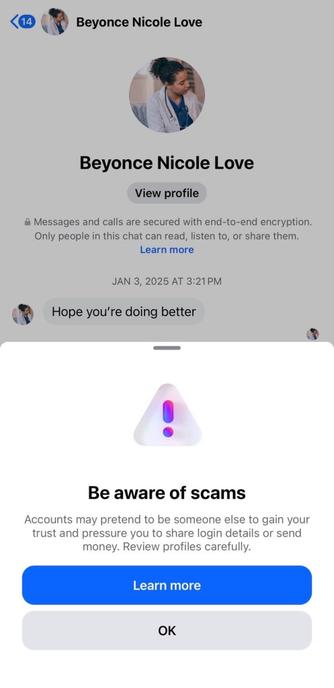
    What’s even more concerning is the behavior that followed. I haven’t spoken to this woman since 2017 or 2018, yet she recently reached out with a casual “Hi.” Behind the scenes, however, she has been using burner accounts and fake aliases to post my photos, my son’s photos, and even private, sensitive content I’ve discussed in previous blogs.

    The Psychology of an Obsessive, “Me Too” Personality

    It’s fascinating, really, to watch someone become entirely addicted to the drama of hating you. Over the years, it’s become abundantly clear that she thrives on crying wolf. She loves to “rage-bait” people—intentionally poking, provoking, and harassing them from the shadows until they finally react. But it goes deeper than just poking; she actively loves to set people up. She will orchestrate entire scenarios designed to push someone over the edge, creating a trap so she can sit back and watch them fall into it. The moment they take the bait and react to her set-up, she loves running straight to the courthouse, weaponizing the legal system, and crying that she is the victim.

    She has a deep, disturbing need to be in control of absolutely any and everything—especially people. If you are a guy, she particularly loves to manipulate you and the dynamic so that it completely favors her. She will have you convinced that she’s looking out for you, when the whole time she is only looking out for her own best interest. At her core, she is an extremely selfish, controlling individual who literally gains amusement through other people’s pain and suffering. She is the one who constantly instigates the drama. She manipulates everyone involved so the situation works for her, and then she posts it all online to look like a “tough” survivor or a victim. She desperately wants the public to put her on a pedestal and act like she is a hero, when the terrifying reality is that she has absolutely nothing to show for all these years of plotting.

    She has absolutely no identity of her own, so she survives by taking a piece of everybody in her life. She is the ultimate “me too” kind of female—a desperate people-pleaser and attention-seeker who will shape-shift just to fit in, especially around crowds that don’t even genuinely like her. If you tell her you never want to get married, she will swear up and down that she doesn’t believe in marriage either. But the second you say you do want a husband and kids, she’s right there screaming, “Me too!”

    She mirrors whoever is standing in front of her. If you get a Mercedes, she suddenly needs a Mercedes. If you move into a townhouse, she has to go live in one. She operates under this deeply unsettling delusion that her and everyone else are exactly the same—that they think alike, like the same things, have the same things, and are both the same relationship status.

    This need to fabricate a life has escalated to an alarming, highly illegal extreme. She is currently claiming to be a medical doctor. Let’s state the facts clearly: she holds no medical credentials, possesses no medical license, and is not registered with any medical board in any state. It is a complete and utter fabrication born out of a desperate need to appear successful, because her own insecurity won’t let her build an authentic life of her own.

    Setting Boundaries: A Direct Message Woman-to-Woman

    Brooke, if you are reading this—and I know you are, because an obsession like yours doesn’t take days off—I want to speak to you woman-to-woman, with nothing but respect and a deep, genuine concern for your well-being.

    It has been nearly a decade. I am not competing with you. I am not in a race with anyone but the woman I was yesterday. I am busy being a mother, a professional, and a student. It is exhausting to watch someone try to “win” a contest that doesn’t exist. Your deep-seated jealousy is screaming through every single chaotic post you make. You’re trying so hard to act like you’re better than me, showing off on social media for an audience of strangers just to get a fraction of the attention you are so desperately starved for. We both know it’s a façade to cover up how insecure you truly are, barely holding on while trying to compete with a woman who isn’t even looking in your direction.

    Real Strength vs. Online Intimidation and Cyberbullying

    To the world, you act tough and play the “fireball” online, but we both know that in person, you are always mute. You shrink. Let me make one thing abundantly clear: I am not afraid of you. Trying to look scary or intimidating behind a screen doesn’t work on me. It just looks like a desperate cry for the attention you clearly didn’t get enough of as a child. You use shock value—my private photos, my innocent child—because you know you have nothing else of substance to offer. Harboring this much hate, jealousy, and obsession for someone from your distant past is a heavy burden to carry. I truly, sincerely hope you seek the serious psychiatric help you need to find peace in your own mind, so you can finally stop obsessing over mine.

    If you actually wanted to hash things out or talk like the adults we are, you have plenty of ways to reach me. You have my email. I know you have ways of finding my number. You can even ask my son’s father for my phone number—he will give it to you. There is no need for the public tantrums or the manipulative, calculated social media displays designed to get a reaction out of me.

    Trying to use a gun to look “scary” or “cool” online doesn’t make you brave, Brooke, and it certainly doesn’t frighten me. It makes you look like someone who is desperately overcompensating for a complete lack of internal strength and character. Real strength is sitting down and having a conversation, not posing for photos to intimidate a woman you haven’t seen in eight years.

    The Severe Legal Consequences of Cyberstalking and Harassment

    While I am handling this with grace, I have to be clear about the lines being crossed. This isn’t just “mess”; it’s a documented series of legal liabilities that can follow you for a lifetime. Because you seem to have forgotten that the internet is forever, allow me to remind you of exactly what you are risking when you choose to harass me and then falsely cry victim:

     Medical Fraud & Impersonating a Physician (BPC § 2052 & 18 U.S.C. § 1001): Publicly claiming to be a medical doctor with no credentials, no license, and no state medical board registration is a direct violation of the Medical Practice Act. Furthermore, impersonating a physician—especially in any capacity involving the Department of Veterans Affairs (VA) or military benefits—constitutes federal fraud. The VA Office of Inspector General (OIG) aggressively prosecutes individuals who falsify medical credentials to manipulate veteran systems.

     Falsely Reporting a Crime (CPC § 148.5): Running to the police or the courthouse to cry wolf and make false reports of harassment when you are the instigator is a misdemeanor that carries jail time.

     Perjury (CPC § 118): If you lie on official court documents or declarations under oath while trying to secure a protective order under false pretenses, it is a felony offense punishable by up to four years in state prison.

     Harassment via Electronic Communication (CPC § 653m): Using electronic communication devices to make repeated, annoying, or threatening contact is a direct violation of California law.

     Stalking & Cyber-Harassment (CPC § 646.9): Repeatedly posting about me and my family to cause distress is a “wobbler” offense that can lead to up to three years in state prison.

     Federal Cyberstalking (18 U.S.C. § 2261A): Using interactive computer services to engage in a course of conduct that causes substantial emotional distress crosses into federal territory, bringing severe federal penalties.

     Nonconsensual Distribution of Private Images (CPC § 647(j)(4)): “Revenge porn” and the unauthorized sharing of private content carries significant jail time, fines, and permanent registration consequences.

     Felony Distribution of a Minor’s Likeness: Posting images of a minor without parental consent, especially in a harassing or defamatory context, is a massive legal risk that courts do not take lightly.

     Misappropriation of Likeness (Civil Code § 3344): Using my name, identity, or photographs without my consent to fuel your fake profiles or personal campaigns opens you up to severe civil liability.

     Grand Theft of an Access Card (CPC § 484e): Let’s not forget the EBT card you stole and sold on your way out of my home. The fraudulent acquisition and use of government benefits is a felony that leaves a permanent paper trail.

     Brandishing/Intimidation (Penal Code § 417): Using a firearm in a threatening or intimidating manner, even digitally, carries mandatory jail time and can permanently strip away your Second Amendment right to own that weapon.

     Military Repercussions (UCMJ Articles 107, 120c, 134): For someone who fought so hard to get into the military, a documented pattern of cyberbullying, theft, making false official statements (Article 107), and criminal harassment is grounds for an immediate loss of security clearance, court-martial, and a less-than-honorable administrative separation.

    Choosing Peace and Moving Forward from Toxic Relationships

    I have let the past go. I have moved on to a life filled with purpose, stability, and love. If you and my son’s father have built a bond over a mutual dislike for me, then I hope that bond brings you whatever comfort you are looking for. But please, focus on your own family. Focus on your own growth.

    I am choosing to remain calm, graceful, and kind, but I am also choosing to be unyielding. My peace is not up for negotiation. I hope you find the strength to heal from the toxic hate you’re holding inside and finally move forward. The real, “adult” world is much more fulfilling than the delusional one you are currently fabricating online.

    Be well, and please—keep my children and my name off your page.

    — Tina

    #Betrayal #betrayalStory #bloganuary #boundaries #BrookeAlexisNicoleLove #CoParenting #CPC6469 #cyberHarassmentLawsCalifornia #cyberstalkingLawsCalifornia #dailyprompt #dealingWithAnObsessiveFriend #emotionalBoundaries #fakePoliceReports #healing #healingFromDrama #howToHandleOnlineHarassment #legalConsequencesOfCyberbullying #LifeLessons #LifeStory #MentalHealthAwareness #motherhood #movingOnFromToxicPeople #narcissisticBehavior #overcomingObsession #personalGrowth #protectingYourPeace #relationships #revengePornLaws #settingBoundaries #signsOfANarcissisticFriend #storiesFromTina #Storytime #ToxicFriendship #toxicFriendships #UCMJRepercussionsCyberbullying

    When Loyalty Gets Twisted Into Silence

    I was sitting around the other day, minding my own business and nursing my absolute lifeline—a Philz Iced Tesora with heavy cream and sugar (because life is simply too short for black coffee)—when I came across a quote that stopped me mid-sip.

    It said: “Letting somebody get in your ear about the person you love is a form of Disloyalty.”

    Whew. Let’s just take a collective deep breath on that one.

    We talk a lot on this blog about accountability, personal growth, and cutting out the drama. But usually, we’re talking about the big, loud, obvious stuff. This quote, though? It targets the quiet, sneaky, subtle stuff that creeps into our lives when we aren’t paying attention. It’s the conversations we entertain because we don’t want to be “rude.” It’s the people-pleasing trap that ends up sabotaging the very foundation of our homes.

    The Team Dynamic and Modern Challenges

    If you’re building a life with someone—navigating the everyday chaos, making sure Noah and Maureen get where they need to go, splitting bills with Mo, and trying to remember who was supposed to take the chicken out of the freezer—you are a team. And today, we need to talk about why leaving the locker room door open for the peanut gallery is the ultimate betrayal.

    Defining Disloyalty: It’s Not Always an Explosion

    When we think of disloyalty, our minds immediately go to the extremes: cheating, lying, financial infidelity. But disloyalty isn’t always a massive explosion; sometimes, it’s a slow leak. Letting someone “get in your ear” rarely starts with a friend or family member outright saying, “I hate your partner.” It’s usually wrapped up in faux concern, casual gossip, or a manipulation tactic dressed up as care.

    How Outside Influence Starts Small

    You know how this goes. You have a minor vent session about how your partner left their socks on the floor for the 47th day in a row. It’s normal annoyance. But then, your friend leans in and says, “Wow. Are they always that disrespectful to you? I could never put up with that. You know that’s a red flag, right?”

    Suddenly, a stray sock has been diagnosed as a profound character flaw by someone who has a degree from TikTok University. If you sit there and nod along, validating their exaggerated critique of the person you love? That’s the leak. That’s the disloyalty. They call it “just being honest,” but if you sit with it long enough, it sounds a lot more like, “Let me help you doubt the person you love.”

    Accountability and the United Front

    Then there is the person who always has a “different perspective” on your relationship, usually one that paints your partner in a negative light. They do not argue with facts because facts are not their aim. Their aim is fog. Their aim is distraction. They want to make you so busy questioning yourself and your relationship that you stop questioning them.

    The Drafts in Your House

    Here is the hard truth about accountability: you cannot complain about the drafts in your house if you’re the one leaving the windows wide open.

    When you allow someone to consistently speak poorly of your partner, question their motives, or amplify their flaws, you are silently co-signing their disrespect. The person you love trusts you to be their safe space. They trust that when they are not in the room, their name is safe in your mouth. When you let an outsider come in and start picking them apart, you are breaking that united front.

    Channeling Your Inner Olivia Benson

    I don’t know about you, but when it comes to the people I love, I have to channel my inner Olivia Benson. You have to investigate the motive of the person doing the talking, protect the perimeter of your relationship, and shut down the interrogations that don’t serve your family.

    The Burden of the “Strong One”

    Let’s pause here, because I know exactly who is usually targeted by these “ear-whisperers.” It’s the strong ones.

    People love calling you strong when they want access to your endurance. They admire your stability when they need somewhere to lean. They praise your patience when they have already exhausted yours. They look at your resilience like it is a personality trait instead of a survival skill. And let me just say, being the strong one is flattering until it becomes a job description nobody paid you for.

    When Resilience Becomes a Job

    You become the emergency exit, the cushion, the translator, the one who keeps things from breaking, even when you are already cracked yourself. It is funny in a sad way, the way people can look at a woman who is already carrying enough—juggling nursing shifts, BSN studies, kids, and trying to keep the dog from eating the throw pillows—and decide she has room for one more emotional suitcase.

    They do not ask if your hands are full. They just hand you another bag and say, “You’re good with pressure.” Baby, I am good with prayer. Pressure is a different ministry.

    Practical Steps to Protect Your Partnership

    Now, I know what some of you are thinking: “But Tina, I hate conflict!” Listen to me carefully: Setting a boundary is not being mean. It is being clear. People-pleasing outside your relationship at the expense of the person inside your relationship is a recipe for disaster.

    4 Techniques for Setting Boundaries

  • The Direct Pivot: If someone starts analyzing your partner’s behavior uninvited, cut off the oxygen to the conversation.
    • What to say: “I know you’re just looking out for me, but we have it handled. Let’s talk about something else.”
  • The Mirror Technique: Sometimes people don’t realize how negative they are being until you hold up a mirror.
    • What to say: “It sounds like you have a really negative view of them lately. I love them, and it makes me uncomfortable when you speak about them that way.”
  • The “Vent Cap”: Stop bringing your 10% relationship problems to friends who will hold onto them for 100% of the time.
    • The fix: Say, “I just need to vent for two minutes because I’m annoyed, but I’m not looking for advice.”
  • The Grace of Not Reacting on Demand: One of the hardest lessons I have learned is that not every provocation deserves a performance. Some people want a reaction more than they want resolution.
  • Finding Balance Through Softness and Humor

    If life handed me a sea, I’d probably build a raft with sticky notes and a coffee mug as a sail. Humor is the duct tape of relationships and life. It fixes small holes, lightens the load, and reminds us not to take ourselves too seriously.

    Celebrating the Tiny Wins

    When you’re protecting your peace, you have to actively look for the tiny wins that glue life together:

    • Putting on clean socks straight from the dresser, not the laundry pile.
    • Remembering someone’s name after you’ve confidently introduced yourself.
    • Getting out of bed before your alarm—twice in one week.
    • Cooking something that doesn’t taste like a science experiment.

    The Power of Softness

    It is easy to become hard when life keeps testing you. Harder to stay soft. Hardest of all to stay soft without becoming naïve. But softness is not weakness. Softness is evidence that pain did not complete its assignment.

    Final Thoughts on Loyalty

    At the end of the day, the people whispering in your ear do not have to sleep in your bed, pay your bills, or navigate the beautiful, messy reality of your day-to-day life. You and your partner do.

    Loyalty isn’t just about what you do when your partner is watching. It’s about how fiercely you protect their name, and your union, when they aren’t around to hear it. Life doesn’t come with a perfect blueprint. It comes with stories we tell aloud, mistakes we own, and moments of quiet awe when we realize we’re still here.

    #beingTheStrongOne #bloganuary #dailyprompt #emotionalBoundaries #EmotionalHealth #MarriageLoyalty #personalGrowth #protectingYourPeace #protectingYourRelationship #relationshipAdvice #settingBoundaries #sneakyDisloyalty #storiesFromTina #toxicFriendsAdvice #toxicFriendships #Wordpress

    Why Playing Both Sides is a No-Go

    Hey guys, it’s Tina. Grab a snack, get comfortable, and let’s have a little heart-to-heart.

    I posted something on my stories earlier that really seemed to strike a chord, and I wanted to expand on it here because, honestly, it’s been weighing on my mind. The post said: “& if u ever played both sides in any situation pertaining me, I don’t fw you let’s get that clear ✌🏾😆”

    I know, I know—it sounds a bit blunt. But if you know me, you know I value transparency over everything.

    The “Double Agent” Energy

    We’ve all met that one person. You know the type. When they’re with you, they’re your absolute best friend. They’re nodding along, saying, “Oh my god, I totally agree, that was so out of line!” Then, ten minutes later, they’re across the room with the person they were just venting about, laughing and doing the exact same thing.

    It’s called “playing Switzerland,” but honestly? Switzerland has better chocolate and way less drama.

    Loyalty is Not a Part-Time Job

    In my world, loyalty isn’t a part-time job. I’m not asking for blind devotion—I’m a grown woman, I can handle a difference of opinion. What I can’t handle is the “double agent” energy. If you’re trying to be a bridge between me and someone who’s actively disrespecting me, you aren’t a peacemaker. You’re just a spectator enjoying the show from both front-row seats.

    Why the Vibe Matters

    It’s not just about the gossip. It’s about the vibe.

    • Trust is a Mirror: Once someone plays both sides, that mirror is cracked. Even if you glue it back together, I’m always going to see the lines.
    • Energy Preservation: Life is way too short to be wondering if the person I’m venting to is going to use my words as currency to buy favor with someone else.
    • The “Peace” Myth: People who play both sides often claim they “just want everyone to get along.” But usually, they just want to stay in everyone’s good graces so they don’t miss out on any invitations.

    The Difference Between “Nice” and “Loyal”

    Look, I get it. Being “nice” to everyone is easy. Being loyal is work.

    I’ve had people try to come back into my circle after playing the middle man, acting like nothing happened. They’ll be like, “Tina, I just didn’t want to get involved!” Honey, by trying not to get involved, you basically signed up for a double shift of involvement.

    Upfront Enemies vs. Lukewarm Friends

    I’d honestly rather have an upfront enemy than a lukewarm friend. At least with an enemy, I know where the boundary is. With a “both-sides” person, I’m constantly checking my back to see if they’re holding a knife or a peace treaty. (Usually, it’s a knife wrapped in a peace treaty—very tricky!)

    Choosing Quality Over Quantity

    If you’re reading this and thinking, “Ouch, is she talking about me?”—maybe take a second to look at your circle. Are you being a friend, or are you just being a fan of the drama?

    I’m at a point in my life where my circle is getting smaller, but the quality is getting higher. I want people around me who are solid. If I’m wrong, tell me to my face. If someone else is wronging me, don’t go grab a coffee with them and pretend it’s all good.

    Final Thoughts on Respect

    It’s about respect. If you can’t pick a side when things get real, then don’t be surprised when I pick the side that doesn’t include you. ✌🏾

    Anyway, that’s my rant for the day! I feel ten pounds lighter just typing this out. To my real ones: I see you, I love you, and I appreciate you for being solid. To the fence-sitters: hope you have a comfortable cushion, because it looks lonely up there!

    #bloganuary #dailyprompt #fakeFriends #FriendshipBoundaries #Integrity #loyalty #personalGrowth #settingBoundaries #socialCircles #toxicFriends #trust