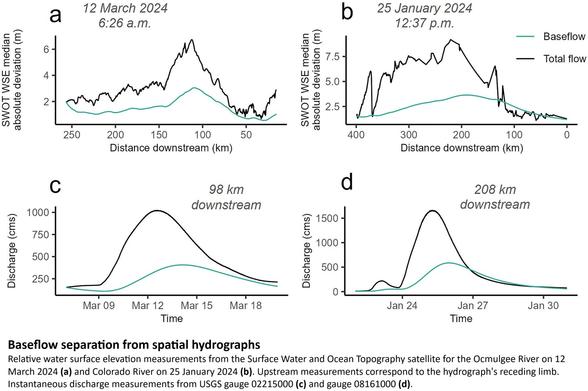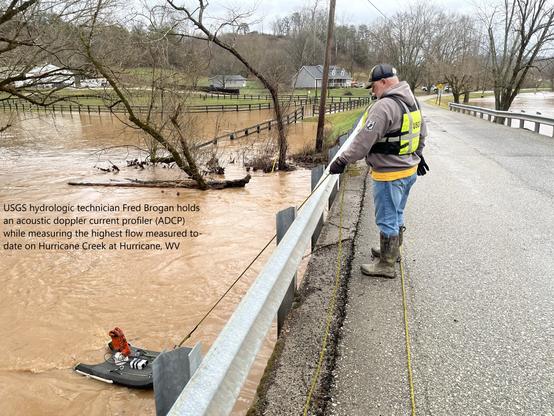
USGS Hydrology Technicians measure peak flows after a recent storm in West Virginia

Measuring high flow during storm events is a standard activitiy for our Hydrologic Technicians.

USGS

Switching to the high-flow nozzle on the PrusaXL made a huge difference in print speed! I printed 18 sturdy storage boxes using leftover Fiberlogy PETG in just 14 hours. These are structural, high-quality prints with excellent layer adhesion.

#3DPrinting #PrusaXL #HighFlow #StorageBoxes

XBOX 360 CUSTOM WATER COOLED

YouTube

#RSV #Highflow #Beatmung #Kinderklinik

In dem unten verlinkten Artikel steht "weil Kinder unter High-Flow-Therapie ein erhöhtes Risiko haben, beatmet werden zu müssen".

Aus reiner Neugier interessiert mich, wieso das so ist bzw. wie das gemeint ist, also ob es nur korreliert oder sogar kausal ist. Wäre toll, wenn einer aus der #MediBubble da was zu sagen könnte. 😬

https://mastodon.social/@Musician1980/109440492183564149

We reviewed and commented the #evidence on #HighFlow nasal #oxygen in acute hypoxemic #RespiratoryFailure: both before and after the #COVID19 pandemic.
Many new insights, and just as many remaining questions!
https://www.frontiersin.org/articles/10.3389/fmed.2022.1068327/full#.Y4DuLQ_Sa6c
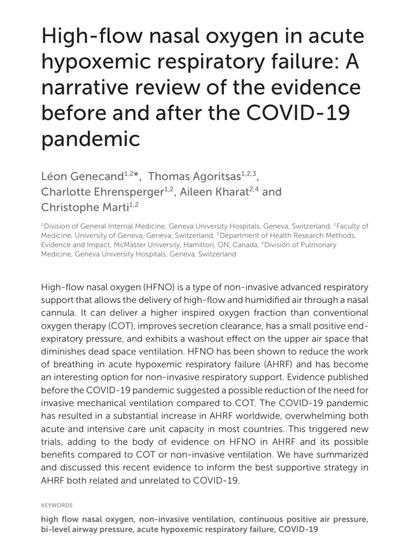
High-flow nasal oxygen in acute hypoxemic respiratory failure: A narrative review of the evidence before and after the COVID-19 pandemic

High-flow nasal oxygen (HFNO) is a type of non-invasive advanced respiratory support that allows the delivery of high-flow and humidified air through a nasal cannula. It can deliver a higher inspired oxygen fraction than conventional oxygen therapy (COT), improves secretion clearance, has a small positive end-expiratory pressure, and exhibits a washout effect on the upper air space that diminishes dead space ventilation. HFNO has been shown to reduce the work of breathing in acute hypoxemic respiratory failure (AHRF) and has become an interesting option for non-invasive respiratory support. Evidence published before the COVID-19 pandemic suggested a possible reduction of the need for invasive mechanical ventilation compared to COT. The COVID-19 pandemic has resulted in a substantial increase in AHRF worldwide, overwhelming both acute and intensive care unit capacity in most countries. This triggered new trials, adding to the body of evidence on HFNO in AHRF and its possible benefits compared to COT or non-invasive ventilation. We have summarized and discussed this recent evidence to inform the best supportive strategy in AHRF both related and unrelated to COVID-19.

Frontiers