❗ 𝗥𝘂𝘀𝘀𝗶𝗮❟ 𝘀𝗰𝗼𝗽𝗲𝗿𝘁𝗼 𝘂𝗻𝗼 𝘀𝗽𝗲𝘁𝘁𝗮𝗰𝗼𝗹𝗮𝗿𝗲 𝘁𝗲𝘀𝗼𝗿𝗼 𝗱𝗶 𝟰𝟬𝟵 𝗺𝗼𝗻𝗲𝘁𝗲 𝗱'𝗼𝗿𝗼 𝗱𝗲𝗹𝗹'𝗲𝗽𝗼𝗰𝗮 𝗱𝗲𝗴𝗹𝗶 𝘇𝗮𝗿

✨ La moneta più antica fu coniata nel 1848 e risale al regno di Nicola I, un'altra appartiene al regno di Alessandro III. La maggior parte delle monete risale al regno di Nicola II.

#archeologia #russia #monete #zar #scoperte

➡️ I dettagli su Storie & Archeostorie: https://wp.me/p7tSpZ-dbi

https://storiearcheostorie.com/2026/05/31/russia-scoperto-tesoro-monete-oro-zar/?utm_source=mastodon&utm_medium=jetpack_social

Scoperto in New Mexico un “coccodrillo” del Triassico di 212 mln di anni fa: era bipede e sdentato

https://fed.brid.gy/r/https://www.geopop.it/scoperto-in-new-mexico-un-coccodrillo-del-triassico-di-212-mln-di-anni-fa-era-bipede-e-sdentato/

Scoperto un gigantesco “T-rex dei mari” vissuto 80 mln di anni fa: 13 m di lunghezza e denti seghettati

https://fed.brid.gy/r/https://www.geopop.it/scoperta-nuova-gigantesca-specie-di-rettile-marino-preistorico/

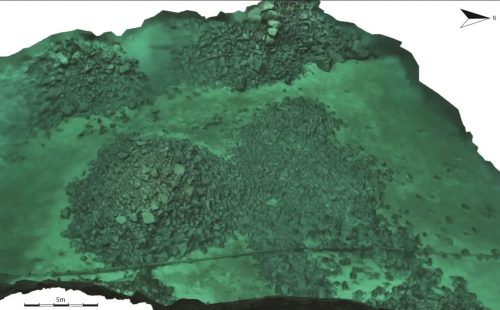
Le strutture immerse nella baia che denunciano la millenaria pratica per trucidare la balena norrena

Il suono, il ritmo, la creatura. Le onde che s'infrangono ad un ritmo quasi rallentato, mentre gli uomini e le donne del villaggio a Sotra, isola nella contea norvegese di Bergen, si precipitano in riva al ripido declivio, compiendo il balzo che separa il regno della terraferma dal confine galleggia

Il blog di Jacopo Ranieri

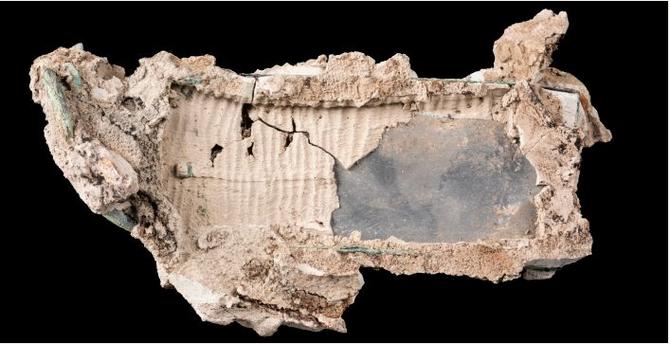
Una delle vittime dell’eruzione del Vesuvio del 79 d.C. sarebbe stato un medico: la nuova scoperta a Pompei

https://fed.brid.gy/r/https://www.geopop.it/scoperta-a-pompei-identita-vittime-eruzione-vesuvio-79-dc-forse-era-un-medico/

Nagatitan chaiyaphumensis, il più grande dinosauro del Sud-est asiatico lungo 27 m scoperto in Thailandia

https://fed.brid.gy/r/https://www.geopop.it/nagatitan-chaiyaphumensis-piu-grande-dinosauro-sud-est-asiatico-27-metri-scoperto-thailandia/

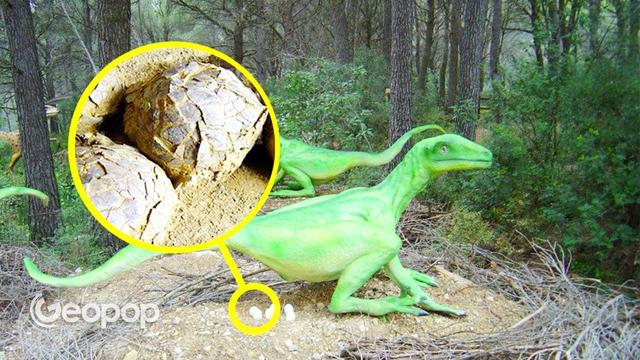
Come il fango del Cretaceo ha protetto i nidi delle uova di dinosauro in Francia per 70 mln di anni

https://fed.brid.gy/r/https://www.geopop.it/come-il-fango-del-cretaceo-ha-protetto-i-nidi-delle-uova-di-dinosauro-in-francia-per-70-mln-di-anni/

Mysterious and impressive ancient tunnel discovered in an archaeological excavation in Jerusalem

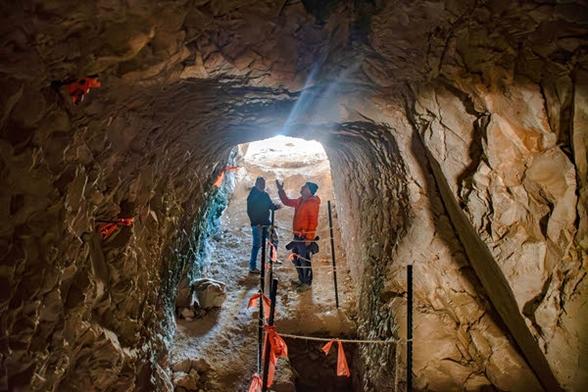
A mysterious and impressive ancient tunnel, hewn through the rock over a length of approximately 50 meters, was unexpectedly discovered near Kibbutz Ramat Rachel in Jerusalem. The extraordinary discovery was uncovered during archaeological excavations conducted by the Israel Antiquities Authority prior to the construction of a new neighborhood, funded and initiated by the Israel Lands Authority. The neighborhood plan, being advanced by the Israel Lands Authority north of Ramat Rachel, includes 488 housing units, thousands of square meters designated for employment and commercial use, over an area of approximately 58 dunams, as well as an elementary school and kindergartens.

https://youtu.be/ohDTKvkzLiE

“We were excavating in relatively rocky and exposed terrain when suddenly we discovered a natural karstic cavity,” said Dr. Sivan Mizrahi and Zinovi Matskevich, excavation directors on behalf of the Israel Antiquities Authority. “To our amazement, as the excavation progressed, this cavity developed into a long tunnel. Parts of it are still collapsed, so the tunnel has not yet revealed all of its secrets.”

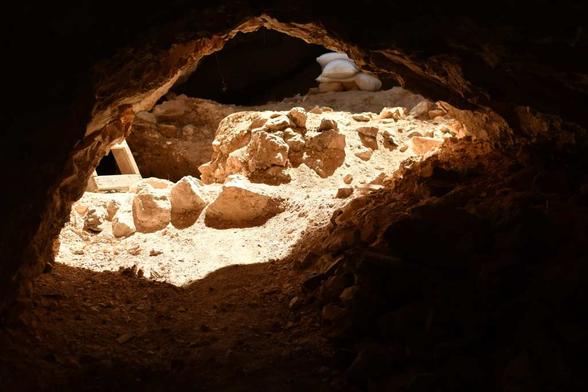
The entrance to the ancient complex from the surface was through a staircase descending to a hewn opening that led into the tunnel. The tunnel itself was discovered filled with layers of soil that had accumulated over hundreds, perhaps even thousands, of years.

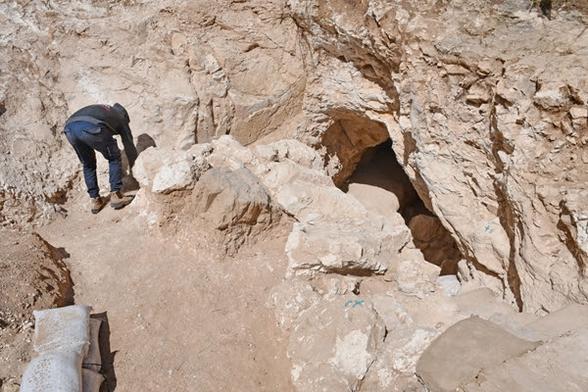
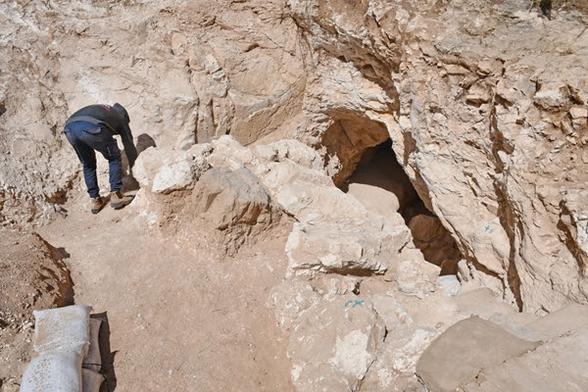
 One of the entrances to the underground complex uncovered in the Jerusalem excavations. Photo: Yoli Schwartz, Israel Antiquities Authority


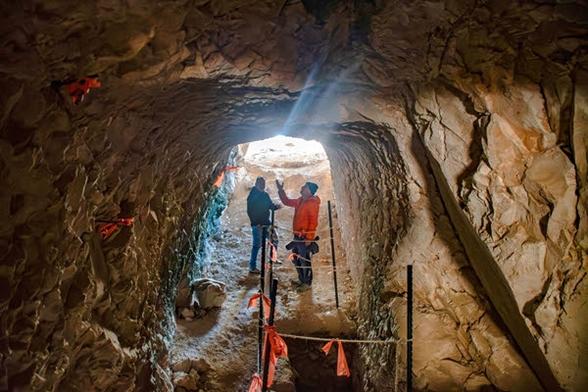
Excavation at several points inside the tunnel showed that it reaches a height of up to 5 meters and a width of approximately 3 meters.

“The quarrying was executed meticulously. It is clear that whoever carved this tunnel invested tremendous effort, careful planning, and possessed the capabilities and resources necessary to achieve this goal.”

Yet the purpose of the tunnel remains unclear.

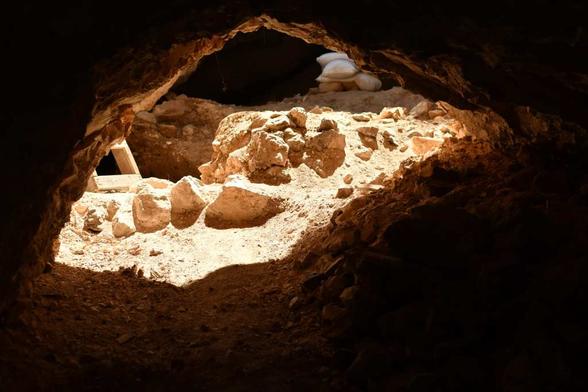
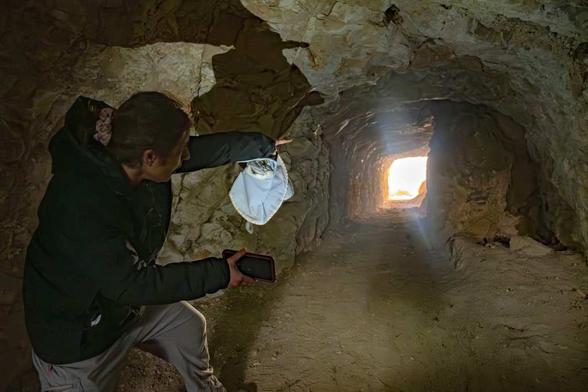
The ancient tunnel uncovered in Jerusalem. Photo: Yoli Schwartz, Israel Antiquities Authority

At first, researchers proposed that this was an ancient water installation intended to reach a spring source. This assumption, however, was ruled out, first because the tunnel walls are not plastered and, second, following consultation with a geologist, because no underground water horizons are known in this area, and the tunnel contains no indication of water accumulation.

The possibility that this was some kind of underground agricultural or industrial installation was then examined, but the scale of the work and the absence of comparable sites in the vicinity made this explanation unlikely.

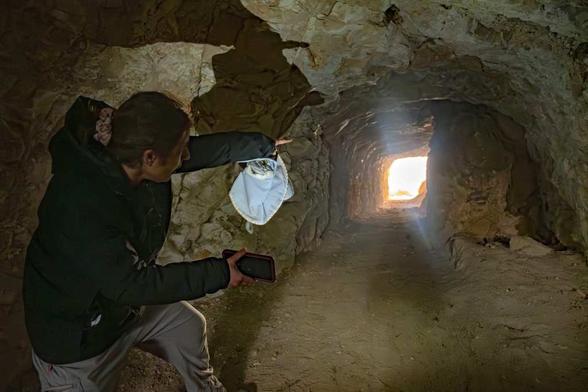
The ancient tunnel uncovered in Jerusalem. Photo: Yoli Schwartz, Israel Antiquities Authority

The researchers’ current assessment is therefore that the tunnel was intended to reach a chalk layer suitable for quarrying building stones or producing lime. Possible evidence supporting this interpretation includes a shaft carved into the tunnel’s ceiling, which may have been used for ventilation, as well as quarrying debris discovered on the tunnel floor – although this interpretation, too, remains uncertain.

Alternatively, the findings may indicate that the quarrying and construction of the tunnel were never completed, and therefore its intended purpose and nature remain unknown.

According to Dr. Mizrahi and Matskevich, “The date of the tunnel is also a mystery to us, since not even the smallest find was uncovered that could indicate when it was created. At the same time, the tunnel lies only a few hundred meters, as the crow flies, from two significant ancient sites – a public building from the Iron Age (First Temple period) in the Arnona neighborhood, and Tel Ramat Rachel, where settlement remains dating from the Iron Age through the Islamic period have been documented.”

Shikma Sig, Jerusalem Region Planner at the Israel Lands Authority, said: “The Israel Lands Authority promoted the plan north of Ramat Rachel, which includes a residential quarter alongside a unique archaeological park that will be established for the benefit of residents. The neighborhood offers a rare combination of modern urban development and preservation of historical heritage, providing the future community with a green open space that makes the treasures of history accessible just beneath their homes. The Israel Lands Authority is proud to advance sustainable urban development for the benefit of Jerusalem residents and the citizens of Israel as a whole.”

Dr. Amit Re’em, Jerusalem District Archaeologist at the Israel Antiquities Authority, added: “We are celebrating Jerusalem Day this week. This discovery joins many others being uncovered every day, hour by hour, throughout the city. The archaeologists and researchers of the Israel Antiquities Authority are constantly at work, because this city never ceases to surprise. Usually we have explanations for the discoveries we uncover, but sometimes, as in this case, we stand astonished and amazed.”

According to Israeli Minister of Heritage Rabbi Amichai Eliyahu, “During Jerusalem Day week, this special discovery reminds us of the deep and ancient connection of the Jewish people to Jerusalem. Beneath the city’s soil, extraordinary enterprises of life, creativity and construction are revealed time and again, testifying to generations of people who lived and worked here and left their mark. Jerusalem is not only the present-day capital of the State of Israel – it is also the heart of the historical story of the Jewish people, which continues to be uncovered before our eyes.”

This impressive discovery is expected to be incorporated into an archaeological park for the benefit of the public and the future residents of the neighborhood being planned by the Israel Lands Authority.

Source: IAA

#archaeology #archeologia #Israel #Jerusalem #notizie #scavi #scaviArcheologici #scoperte

Misterioso tunnel scoperto sotto Gerusalemme: gli archeologi non riescono ancora a spiegarne la funzione

S&A

Una sorprendente scoperta archeologica sta incuriosendo studiosi e ricercatori a Gerusalemme. Durante gli scavi preventivi condotti nei pressi del kibbutz Ramat Rachel, nell’ambito di un progetto edilizio promosso dalla Israel Lands Authority, gli archeologi hanno portato alla luce un antico tunnel sotterraneo scavato nella roccia, lungo circa 50 metri e ancora in parte inesplorato.

L’antico tunnel riportato alla luce a Gerusalemme. Foto Yoli Schwartz, Autorità israeliana per le antichità.

Il rinvenimento è avvenuto nel corso delle attività dell’Israel Antiquities Authority e potrebbe presto entrare a far parte di un futuro parco archeologico dedicato alla valorizzazione dell’area.

Un tunnel scavato con straordinaria precisione

Secondo i direttori dello scavo, Sivan Mizrahi e Zinovi Matskevich, tutto è iniziato con l’individuazione di una cavità naturale nel sottosuolo roccioso. Con l’avanzare delle indagini, però, gli archeologi si sono resi conto che non si trattava di una semplice formazione carsica, ma di un vero e proprio tunnel artificiale scavato con estrema accuratezza.

L’accesso originario avveniva tramite una scala che conduceva a un’apertura ricavata nella roccia. All’interno, il tunnel si presenta imponente: in alcuni punti raggiunge circa cinque metri di altezza e tre metri di larghezza.

Gli studiosi sottolineano come la realizzazione dell’opera abbia richiesto notevoli capacità tecniche, pianificazione e un importante investimento di risorse umane.

Uno degli ingressi al complesso sotterraneo portato alla luce durante gli scavi a Gerusalemme. Foto di Yuli Schwartz, Autorità per i Beni Archeologici

A cosa serviva il tunnel? Le ipotesi degli archeologi

Nonostante la grandiosità della struttura, la sua funzione resta ancora sconosciuta.

In un primo momento gli studiosi avevano pensato a un sistema idrico sotterraneo destinato a intercettare una sorgente. Questa teoria è stata però rapidamente esclusa: le pareti del tunnel non presentano tracce di intonaco impermeabilizzante e, secondo le analisi geologiche, nell’area non esistono falde acquifere sotterranee.

L’antico tunnel rinvenuto a Gerusalemme. Foto di Yuli Schwartz, IAA

È stata presa in considerazione anche l’ipotesi di una struttura agricola o industriale, ma l’assenza di confronti simili nella zona rende difficile sostenere questa interpretazione.

Forse una cava sotterranea per pietra o calce

L’ipotesi oggi ritenuta più plausibile è che il tunnel fosse destinato a raggiungere uno strato di gesso utile per l’estrazione di materiale edilizio o per la produzione di calce.

L’antico tunnel riportato alla luce a Gerusalemme. Foto: Yoli Schwartz, Autorità israeliana per le antichità.

A sostegno di questa teoria vi sarebbero alcuni elementi significativi, tra cui un pozzo scavato nel soffitto che potrebbe aver avuto funzione di ventilazione e i detriti di lavorazione rinvenuti sul pavimento del passaggio sotterraneo. Tuttavia, anche questa spiegazione resta ipotetica. Gli archeologi non escludono infatti che il progetto sia stato abbandonato prima del completamento, lasciando il tunnel incompiuto.

Video: il misterioso tunnel scoperto in Israele (in inglese)

https://www.youtube.com/watch?v=ohDTKvkzLiE

Un enigma anche per la datazione

A rendere ancora più affascinante il ritrovamento è l’assenza totale di reperti utili alla datazione. Gli scavi non hanno restituito ceramiche, monete o altri oggetti che possano indicare con precisione il periodo di costruzione del tunnel. Eppure l’area circostante è ricchissima di testimonianze storiche. A poca distanza sorgono infatti importanti siti archeologici collegati all’Età del Ferro e al periodo del Primo Tempio, oltre a Tel Ramat Rachel, frequentato dall’antichità fino all’epoca islamica.

Gerusalemme continua a sorprendere gli archeologi

Per Amit Re’em, archeologo distrettuale dell’Israel Antiquities Authority, il nuovo tunnel rappresenta l’ennesima dimostrazione di quanto il sottosuolo di Gerusalemme continui a custodire segreti ancora sconosciuti.

Gli archeologi lavorano quotidianamente in una città dove ogni cantiere può trasformarsi in una scoperta eccezionale. E proprio questo caso, privo per ora di risposte definitive, mostra quanto il passato possa ancora sorprendere anche gli studiosi più esperti.

📘 Notizia verificata

  • 📄 Fonte: IAA – Israel Antiquities Authority ✅
#archeologia #archeologiaSotterranea #EtàDelFerro #Gerusalemme #IsraelAntiquitiesAuthority #Israele #MedioOriente #notizie #PrimoTempio #RamatRachel #scavi #scaviArcheologici #scoperte #storiaAntica #tunnelAntico

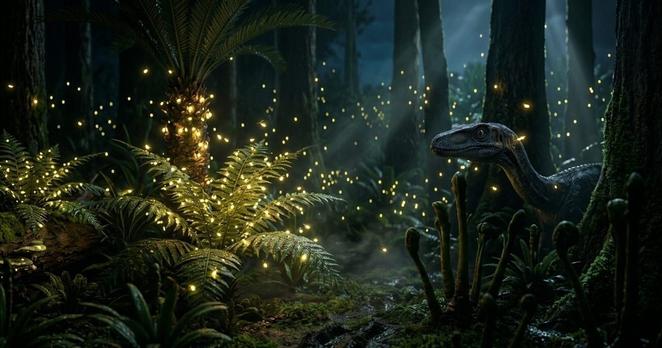
La lucciola scoperta nell’ambra birmana 99 milioni di anni fa: illuminava le notti dei dinosauri

https://fed.brid.gy/r/https://www.geopop.it/la-lucciola-scoperta-nellambra-birmana-99-milioni-di-anni-fa-illuminava-le-notti-dei-dinosauri/