 Author Carlo Carrasco
Japan’s Child Population Declines To New Low Of 13.29 Million
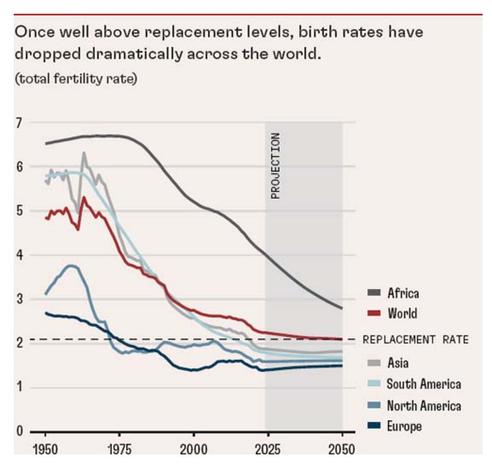
Japan, which is one of the largest economies of the world, has an enduring population growth problem as low fertility rates stubbornly remained. That said, the child population of Japan has declined yet again reaching a new all-time low of 13.29 million, according to a news report of Kyodo News. The said figure even includes foreign residents.
To put things in perspective, posted below is an excerpt from the news report of Kyodo News Some parts in boldface…
Japan’s child population has shrunk to an estimated 13.29 million as of April 1, down 350,000 from a year earlier and marking a new record low, the government said Monday.
The ratio of children under 15 dropped 0.3 percentage point to 10.8 percent of the total population, also the lowest since comparable data became available in 1950, according to data released by the Ministry of Internal Affairs and Communications ahead of the national Children’s Day holiday on Tuesday.
The figures, including foreign residents, were calculated using population estimates that are based on a national census conducted every five years.
While the Japanese government has prioritized measures to address the declining birthrate and designated the period through 2030 as a “final opportunity to reverse the trend,” the decline has continued for 45 years despite steps such as expanding financial support for child-rearing households.
By gender, there were 6.81 million boys and 6.48 million girls, according to the data.
By age, 3.09 million children were 12 to 14, whereas 2.13 million were 0 to 2, indicating a trend of fewer children being born.
The number of children, including foreigners, born in Japan in 2025 hit a record low of 705,809, declining for the 10th consecutive year, according to preliminary data released by the Ministry of Health, Labor and Welfare.
Japan’s child population has been falling since 1982, after peaking in 1954 at 29.89 million, while a second baby boom was observed between 1971 and 1974. The ratio of children has also been falling for the 52nd consecutive year since 1975.
Let me end this piece by asking you readers: What is your reaction to this development? Do you think the government’s efforts to reverse Japan’s low birthrate will eventually create positive results over the next several years? Are you convinced that allowing a larger number of foreigners to migrate to Japan will solve the birthrate problem? Do you think the government of Prime Minister Takaichi Sanae will come up with new plans to increase Japanese birthrates?
You may answer in the comments below. If you prefer to answer privately, you may do so by sending me a direct message online.
+++++
Thank you for reading. If you find this article engaging, please click the like button below, share this article to others and also please consider making a donation to support my publishing. If you are looking for a copywriter to create content for your special project or business, check out my services and my portfolio. Feel free to contact me with a private message. Also please feel free to visit my Facebook page Author Carlo Carrasco and follow me on Twitter at @CarloCarrascoPH as well as on Tumblr at https://carlocarrasco.tumblr.com/ and on Instagram athttps://www.instagram.com/authorcarlocarrasco
#Asia #Bing #birth #CarloCarrasco #ChatGPT #children #democracy #diversity #economics #economy #EconomyOfJapan #Facebook #fertilityRates #geek #geopolitics #Google #GoogleSearch #governance #immigration #Inclusion #Instagram #Instapundit #Investagrams #Japan #Japanese #kabataan #KyodoNews #nationalSecurity #Nippon #population #populationGrowth #PrimeMinisterOfJapan #SanaeTakaichi #security #socialMedia #TakaichiSanae #Tumblr #WordPress #WordPressCom #youth
 MediaFaro Analysis
 Pseudonymous

 ruinationipa at KillBait
 abra4471 at KillBait
 TinJar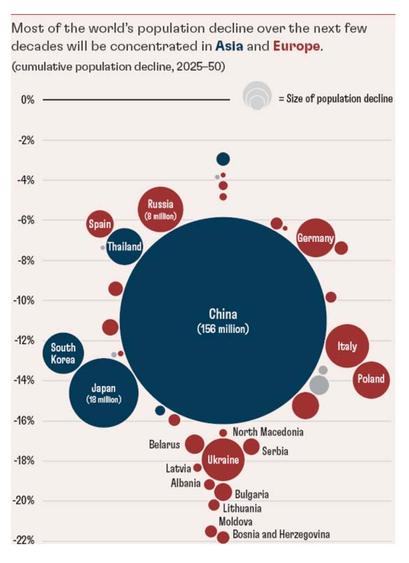
 TinJar

 The Times of Central Asia
