 Dorgaldirs Garden
🇬🇧
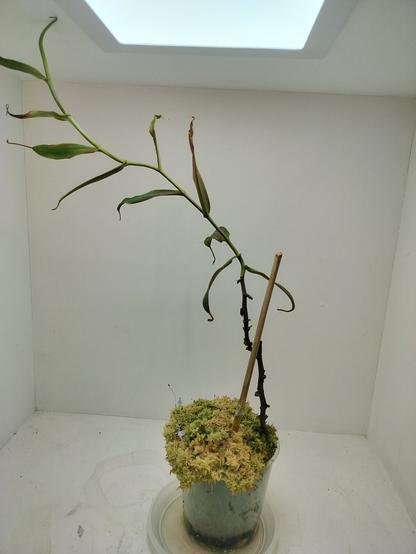
*Nepenthes ramispina* from Gunung Ulu Kali, Malaysia. This highland species is one of the more stubborn Nepenthes in cultivation: long, branching stems, narrow leaves, and a personality that says "I'll make pitchers when I feel like it." Currently… it does not feel like it. 😅
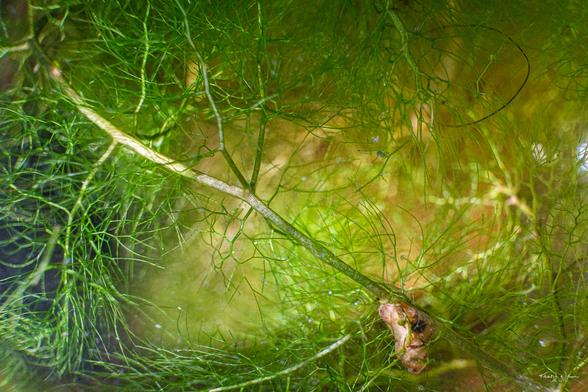
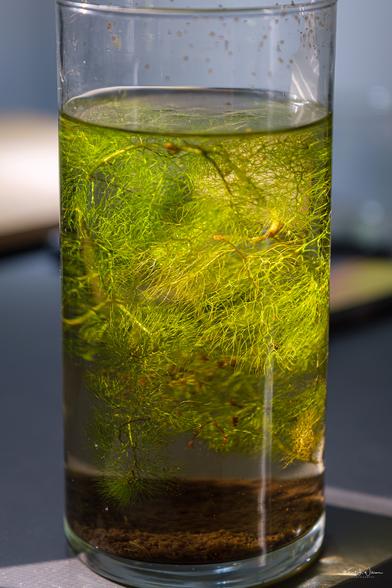
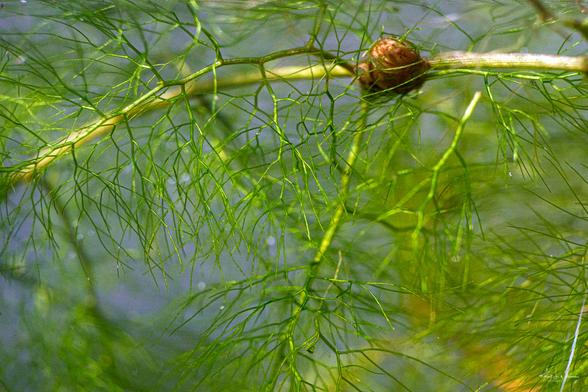
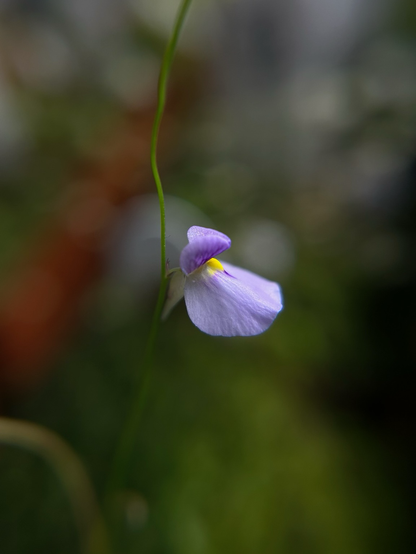
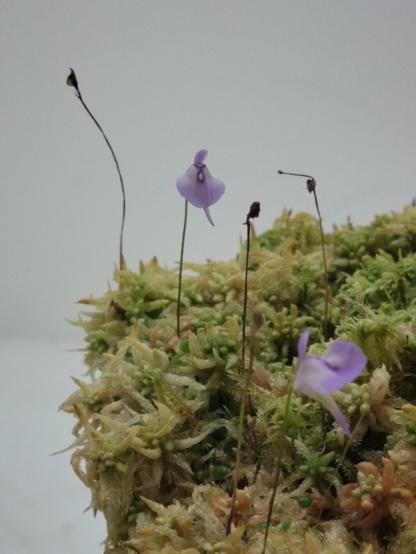
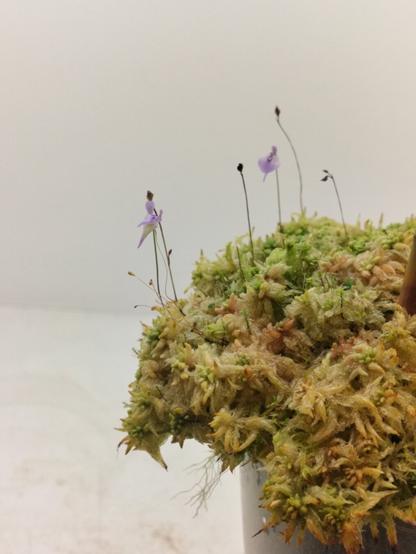
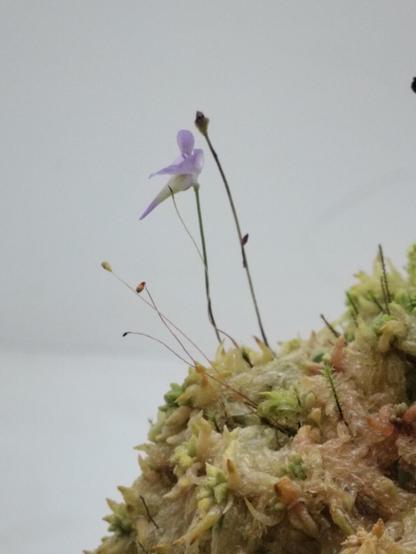
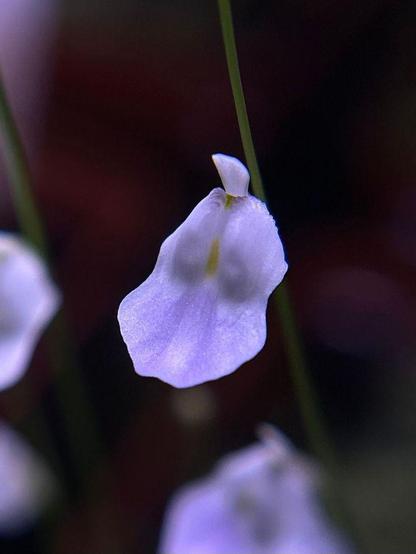
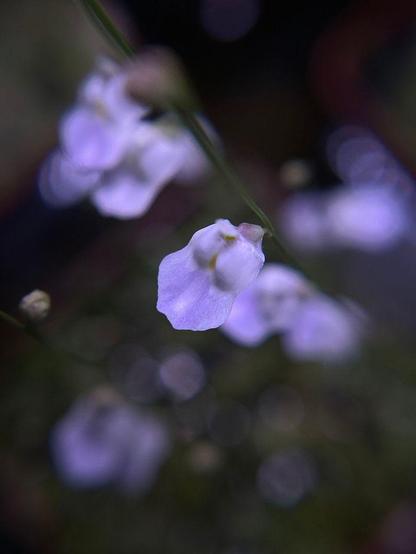
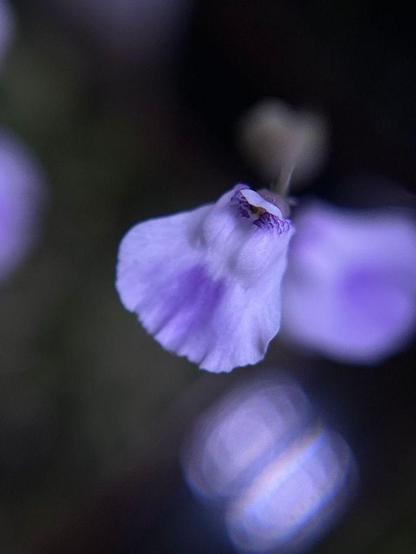
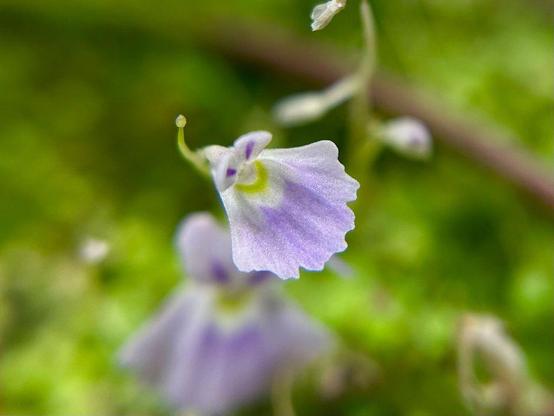
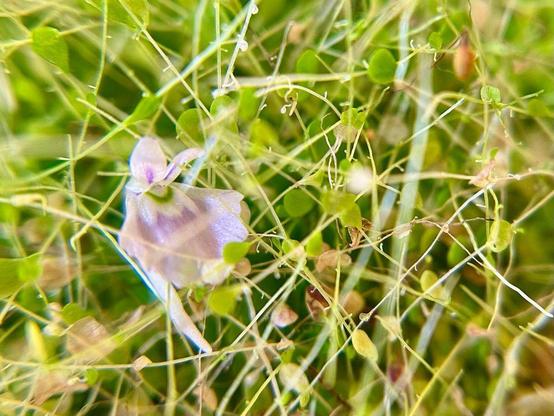
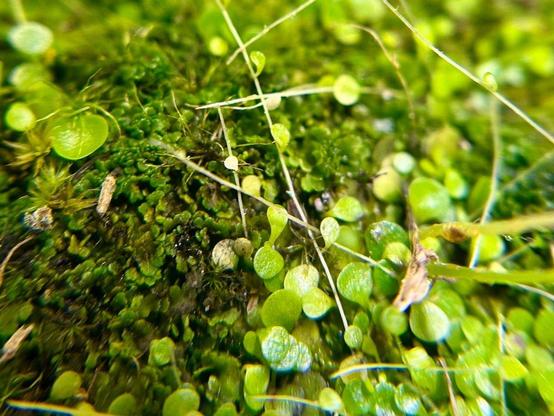
In the meantime, the sphagnum has been completely colonised by *Utricularia* — tiny bladderworts that have turned the pot into their own little wildflower meadow, complete with delicate purple blooms. Uninvited guests, but honestly rather charming.
*N. ramispina* is endemic to the mountains of Peninsular Malaysia and is known for its distinctive branching growth habit — hence the name (*rami* = branches, *spina* = spine/thorn). Worth the wait. Probably.
🇧🇪🇳🇱
*Nepenthes ramispina* van Gunung Ulu Kali, Maleisië. Deze hooglandsoort is een van de eigenwijzere Nepenthes in cultuur: lange, vertakkende stengels, smalle bladeren, en een persoonlijkheid die zegt "ik maak bekers als ík het wil." Op dit moment… wil hij dat niet. 😅
Ondertussen is het sphagnum volledig overgenomen door *Utricularia* — kleine blaasjeswortels die de pot hebben omgetoverd tot hun eigen kleine bloemenweidje, compleet met sierlijke paarse bloempjes. Ongenode gasten, maar eerlijk gezegd behoorlijk charmant.
*N. ramispina* is endemisch in de bergen van het Maleisisch Schiereiland en staat bekend om zijn kenmerkende vertakkende groeiwijze — vandaar de naam (*rami* = takken, *spina* = doorn). Het wachten is de moeite waard. Waarschijnlijk.
#Nepenthes
#NepenthesRamispina
#TropicalPitcherPlant
#CarnivorousPlants
#VleesetendePlanten
#Insecteneters
#HighlandNepenthes
#hooglandplanten
#Malaysia
#GunungUluKali
#Utricularia
#blaasjeswortels
#bladderwort
#sphagnum
#PlantCollection
#plantenverzameling
#DorgaldirsGarden
#Dorgaldirs_Garden
*Nepenthes ramispina* from Gunung Ulu Kali, Malaysia. This highland species is one of the more stubborn Nepenthes in cultivation: long, branching stems, narrow leaves, and a personality that says "I'll make pitchers when I feel like it." Currently… it does not feel like it. 😅
In the meantime, the sphagnum has been completely colonised by *Utricularia* — tiny bladderworts that have turned the pot into their own little wildflower meadow, complete with delicate purple blooms. Uninvited guests, but honestly rather charming.
*N. ramispina* is endemic to the mountains of Peninsular Malaysia and is known for its distinctive branching growth habit — hence the name (*rami* = branches, *spina* = spine/thorn). Worth the wait. Probably.
🇧🇪🇳🇱
*Nepenthes ramispina* van Gunung Ulu Kali, Maleisië. Deze hooglandsoort is een van de eigenwijzere Nepenthes in cultuur: lange, vertakkende stengels, smalle bladeren, en een persoonlijkheid die zegt "ik maak bekers als ík het wil." Op dit moment… wil hij dat niet. 😅
Ondertussen is het sphagnum volledig overgenomen door *Utricularia* — kleine blaasjeswortels die de pot hebben omgetoverd tot hun eigen kleine bloemenweidje, compleet met sierlijke paarse bloempjes. Ongenode gasten, maar eerlijk gezegd behoorlijk charmant.
*N. ramispina* is endemisch in de bergen van het Maleisisch Schiereiland en staat bekend om zijn kenmerkende vertakkende groeiwijze — vandaar de naam (*rami* = takken, *spina* = doorn). Het wachten is de moeite waard. Waarschijnlijk.
#Nepenthes
#NepenthesRamispina
#TropicalPitcherPlant
#CarnivorousPlants
#VleesetendePlanten
#Insecteneters
#HighlandNepenthes
#hooglandplanten
#Malaysia
#GunungUluKali
#Utricularia
#blaasjeswortels
#bladderwort
#sphagnum
#PlantCollection
#plantenverzameling
#DorgaldirsGarden
#Dorgaldirs_Garden
 Hunter Lindsay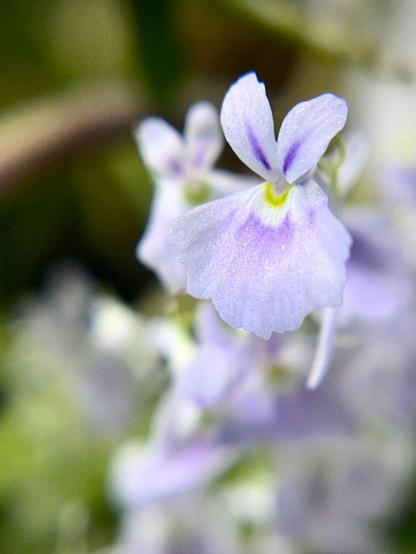
 Foo Chuan Wei
 Carlton Carnivores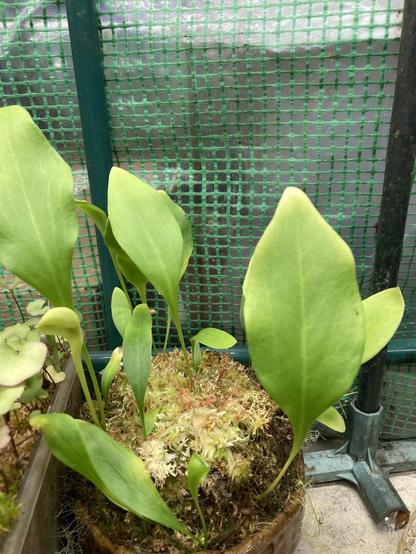

 Khürt Williams
 Khürt Williams