 roweb
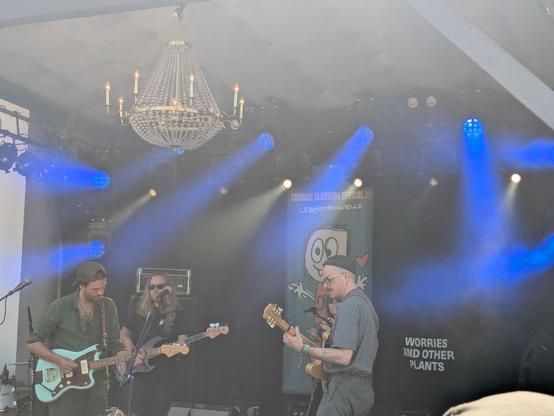
rowebworries and other plants, live, orange blossom special 28 #worriesandotherplants #worries #otherplants #other #plants #independent #indie #live #music #orangeblossomspecial #obs #beverungen #festival #lebenstankstelle
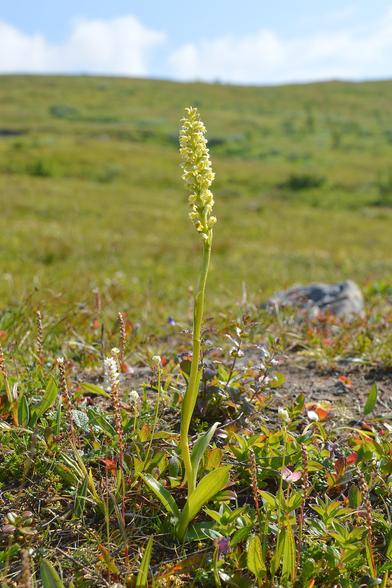
Vanilla-scent Bogorchid (Pseudorchis straminea)
#Orchid #ArtWithOpenSource #Darktable #CCBYSA #BloomScrolling #Florespondence #Flower #Flowers #FlowerPhotography #FlowersOfMastodon #Orchids #Plant #Plants #Nature #NaturePhotography #Photo #Photography
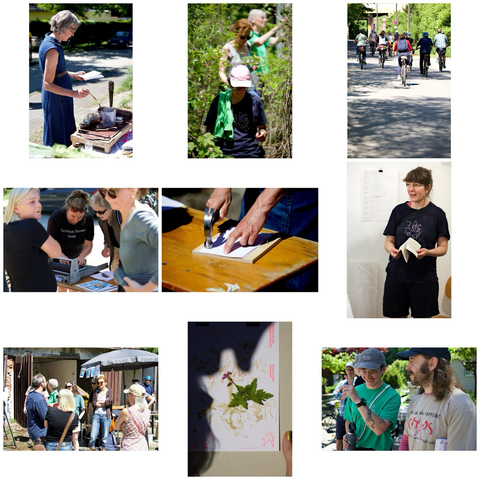
Am Samstag durfte ich das Kunstprojekt Green House - Stadt als Habitat der Griesbadgalerie mit meiner Kamera begleiten.
Künstler*innen:
Sean Roy Parker Aktionskünstler und Lyriker, UK
Franziska Klose Künstlerin und Fotografin, DE
Vojtěch Liebl Konzeptkünstler und Grafikdesigner, CZ
griesbadgalerie #pflanzen #greenhouse #plants #habitat #art
How important is a title for a blog in the grand scheme of things?
Rojie’s prompt today, May 26th, is:
If you could steal one trait from any blogger, what would it be?
I don’t know that there’s any one trait I’d want to steal from another blogger, it’s more something I’d like to copy from the entire blogging community, or at least the bloggers I follow. Some bloggers get dozens of responses to their blogs every day and they take the time to reply to each one of them and that’s not something I do. I blogged about this not so long ago but the search feature here doesn’t seem to work so good and I can’t find it to link back. So what I would like to steal from most every active blogger I follow is active engagement and gratitude.
About two weeks ago I punched some holes in the bottom of a 2-gallon plastic bucket and scooped some potting soil into it. Then I I sprinkled a bunch of Black-Eyed Susan seeds I got at the library across the top. The seeds were so tiny and they reminded me of chia seeds and I wondered if a person could eat them but the internet told me that the seeds are toxic to humans and I took that as a no. It also told me that handling the leaves, stems, or roots can cause a rash so that’s good information to know in case anything grows. And I think something is growing which is the whole reason for me talking about it now. Actually, I don’t think, I know something is growing in the bucket, I just don’t know what. It’s cottonwood time here in Minnesota and female cottonwood trees are dropping tens of millions of fluffy seeds that are floating around outside like snow and you can see in the picture below that some of them have landed in my little pot. So I could be growing cottonwood trees. Or it could be dandelion fluff and I’m growing dandelions which would be nice. Did you ever rub a dandelion under your chin as a kid and then if your chin turned yellow that meant you were in love?
Here’s my bucket of unidentified sprouts. Cottonwoods, dandelions, Black-eyed Susans, something that hitchhiked here on the Orion? Updates to follow.
https://www.youtube.com/watch?v=B55yVruFzJY&list=RDB55yVruFzJY&start_radio=1
#BlackEyedSusan #Cottonwood #CottonwoodTrees #dailyprompt #DandelionWine #Dandelions #Flowers #garden #Gardening #Nature #Orion #Photos #plants #RailroadEarth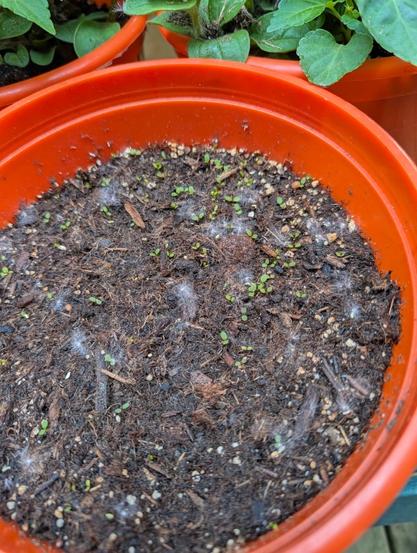
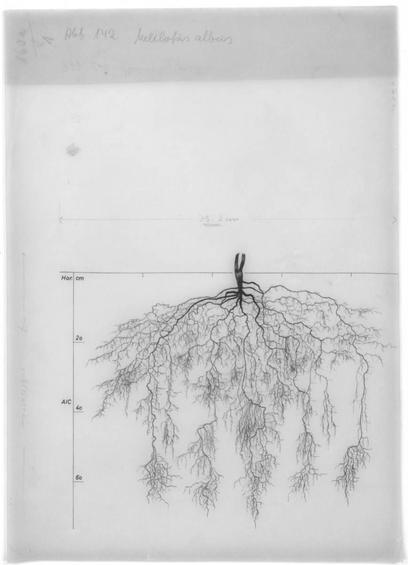
Melilotus albus. https://images.wur.nl/digital/collection/coll13/id/161/
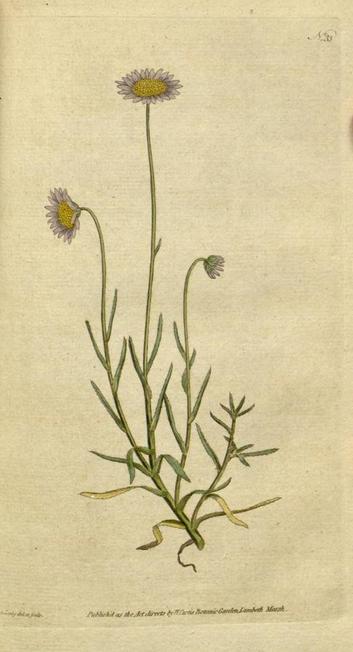
Daily botanical illustration from Curtis's Botanical Magazine.
Bristly-leav’d aster (Aster tenellus)
The Botanical magazine; or, Flower-garden displayed, volume 1, 1790
 Ryan Hodnett
 marco_kerler
 Przepiór 🦋🌀
 Michaelsfishbowl
 Erik Kelly
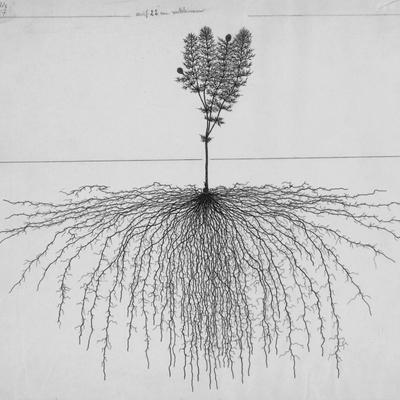 Roots
Roots William Curtis
 MUGISHA PHOCIT
 AJ Sadauskas