“Dinosaurs among us: The ancestry of birds”, an exhibition the American Museum of Natural History on its stop in Madrid’s Museum of Natural History Museo Nacional de Ciencias Naturales: reconstruction of Modern-day dinosaurs: stuffed birds. Madrid, Spain 🇪🇸 29th July 2026.

https://wp.me/p2yJaA-3dX

#Spain #España #Espana #Madrid #MadridSpain
#MuseoCienciasNaturales #MuseoNacionalCienciasNaturales #DinosauriosEntreNosotros #DinosaursAmongUs #DinosaursAmongUsTheAncestryOfBirds #AMNH #AmericanMuseumOfNaturalHistory #palaeontology #palentology #fossil #paleoart #palaeoart #birdsaredinosaurs #birds
#travel #travelphotography #traveling #travelling #trip #tourism
#JBinnacle

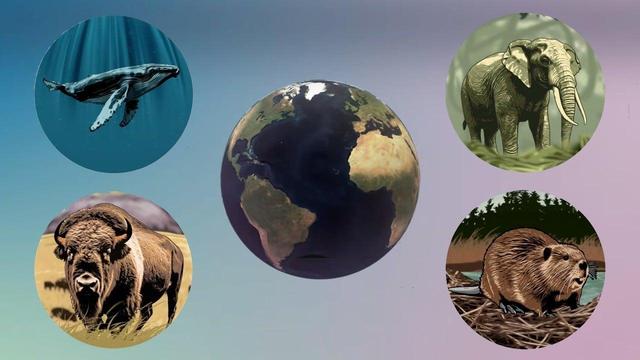
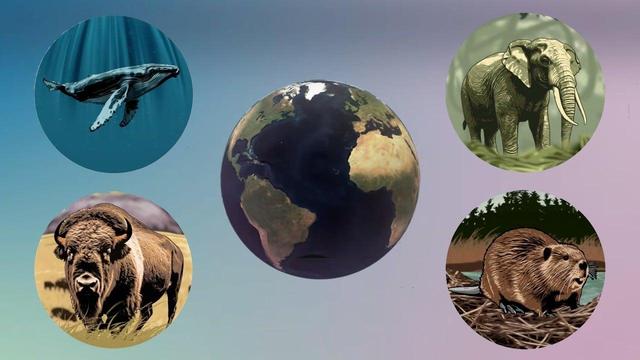
💁🏻‍♀️ ICYMI: 🦫🌊 Natural solutions like #beavers building dams and #bison grazing the plains can lock up #carbon better than many technologies we are currently building. This #video from the American #Museum of Natural #History shows how wild #animals manage carbon cycles to help stabilize the #climate.

👉 Learn more: https://seethis.tv/post/carbon-catchers-how-animals-and-plants-stabilize-earths-climate-video?utm_source=mastodon&utm_medium=social&utm_campaign=new_content&utm_content=carbon-catchers-climate

#amnh #biology #chemistry #climatechange #conservation #coral #earth #earthday #elephants #forest #geology #hydrology #manatees #nature #ocean #plants #poop #science #wetlands #whales #tksst

Unfortunately, this particular creature is kept in captivity.
(Raw photo. No filters, no editing)
American Museum of Natural History
#motyl #schmetterling #butterfly #amnh #macrophotography #animalphotography #motýlek #papillon #метелик #kelebek #mariposa #farfalla #leptir #vlinder #fjäril #borboleta #drugelis #蝶 #πεταλούδα #तितली #pillangó
City Beautiful blog delivers an in-depth look at the American Museum of Natural History's architectural evolution, tracing the museum's development from its founding vision through multiple expansions and additions. A compelling exploration of how museums grow and adapt over time while maintaining their core identity and purpose.
#AMNH #UrbanPlanning #Architecture #Museums #NYCHistory #MuseumArchitecture #CityBeautiful
https://citybeautifulblog.com/the-american-museum-of-natural-history/
The American Museum Of Natural History — City Beautiful BLOG

The American Museum of Natural History is one of the largest and most celebrated museums in the world. Spanning four city blocks, it forms a vast complex of

City Beautiful Blog

Our earth+ whole planetary system are self-sustaining with each one of us—fauna and flora too—are made of stardust. All the signs and wonders demonstrate how only as a community working together with free will that humanity thrives. Imbalance destroys.
We need to use brain and heart together.
💫

PLANETARY SYSTEM IN #AMNH UWS MANHATTAN NYC

If you just want to see the ants at the #AMNH just go around back by 80th st and they are right by the door on the left.

I go back there all the time.

This colony is voracious eating like six mulberry branches a day. They have a whole jungle gym to tire them out.

Walk through the asteroid strike that killed the dinosaurs with American Museum of Natural History’s new ‘Impact’ exhibit – Space

  • Astronomy
  • Solar System
  • Asteroids
  • Walk through the asteroid strike that killed the dinosaurs with American Museum of Natural History’s new ‘Impact’ exhibit

    News

    By Joanna Thompson published 19 hours ago

    “It sounds like science fiction or the stuff of Hollywood movies.”

    Comments (0)

    A 6-minute immersive panoramic video experience in ‘Impact: The End of the Age of Dinosaurs.’ (Image credit: Alvaro Keding and Daniel Kim / © AMNH).

    NEW YORK — The American Museum of Natural History (AMNH) in New York City has opened a new exhibition that takes a multidisciplinary perspective on the asteroid strike that ended the Cretaceous period and killed all the non-avian dinosaurs. The exhibit — aptly called “Impact” — chronicles what was, in the words of AMNH curator of paleontology Roger Benson, Earth’s “worst day of the last half-billion years.”

    One spring day 66 million years ago, a rock from outer space slammed into what is now the Yucatan Peninsula. The meteor was roughly the size of Mount Everest, and it struck with the force of 10 billion atomic bombs. Nearby forests instantly incinerated as atmospheric temperatures briefly soared to 500 degrees Fahrenheit. Many animals, including large dinosaurs, were buried in ash — though some were able to escape by digging underground or diving underwater.

    The tremendous impact also flung a mushroom cloud of ash and dust into the atmosphere, eventually shrouding the planet in a cold gloom. Tiny glass beads rained down as far away as Wyoming. At the same time, the impact triggered landslides, earthquakes and tsunamis around the world.

    Continue/Read Original Article Here: Walk through the asteroid strike that killed the dinosaurs with American Museum of Natural History’s new ‘Impact’ exhibit | Space

    #americanMuseumOfNaturalHistory #amnh #asteroidStrike #exhibits #impactExhibit #impactTheEndOfTheAgeOfDinosaurs #killedTheDinosaurs #newYork #newYorkCity #rogerBenson #space