 Raindrops and Roses
Horrific. Brutal. Disgusting.
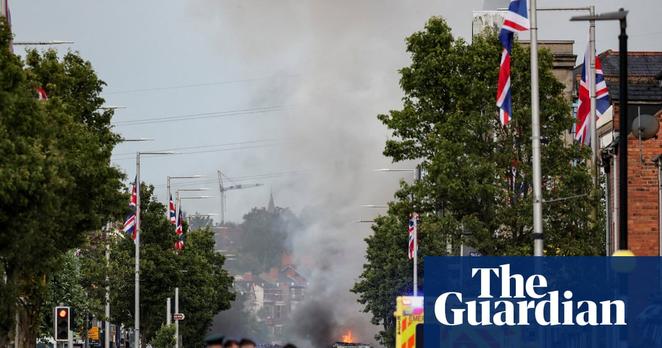
'As they stormed the property, some claimed to be “liberating” it. Graffiti nearby demanded “local homes for local people”. A woman in the crowd said to her friend: “There’s wee girls inside.”'
Horrific. Brutal. Disgusting.
'As they stormed the property, some claimed to be “liberating” it. Graffiti nearby demanded “local homes for local people”. A woman in the crowd said to her friend: “There’s wee girls inside.”'
Today in Labor History June 4, 1943: The Zoot Suit riots began in Los Angeles, with white soldiers attacking and stripping mostly Latino, but also some black, Italian and Filipino youth who wearing zoot suits. During this time, there was also a rise of pachuco culture among Latin youth. Chicano or pachuco jazz had become incredibly popular. Some of the great Pachuco band leaders included Lalo Guerrero, Don Tosti and Don Ramon Martinez.
https://www.youtube.com/watch?v=eyBLQg8CGJs
#workingclass #LaborHistory #racism #raceriot #Riot #ZootSuit #chicano #mexican #losangeles #propaganda #ww2 #WorldWarTwo #immigration #deportation #jazz #boogie #latinjazz
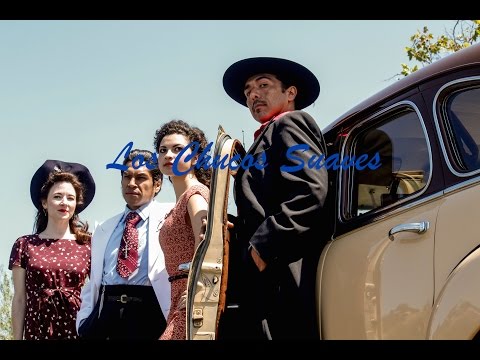
Today in Labor History June 3, 1943: The Zoot Suit riots began in Los Angeles, with white soldiers attacking and stripping mostly Latino, but also some black, Italian and Filipino youth, who wearing zoot suits. They did it in response to wartime propaganda vilifying the wearers of zoot suits as unpatriotic hoodlums. There was a government ban on zoot suits and other long, woolen articles of clothing because of war rationing. Additionally, the LA Times had been whipping up racial tensions by publishing propaganda associating Mexican and Hispanic youth with delinquency, particularly in the wake of the Sleepy Lagoon murder. Race riots also occurred that summer in Mobile, Beaumont, Detroit, Chicago, San Diego, Oakland, Philadelphia and New York City.
During the Great Depression, the U.S. had deported between 500,000 and 2 million Mexicans. Of the 3 million who remained, the largest concentration lived in Los Angeles. Because of discrimination, many were forced into jobs with below-poverty wages. And then, the U.S. military built a naval academy in the Latino community of Chavez Ravine, further exacerbating tensions.
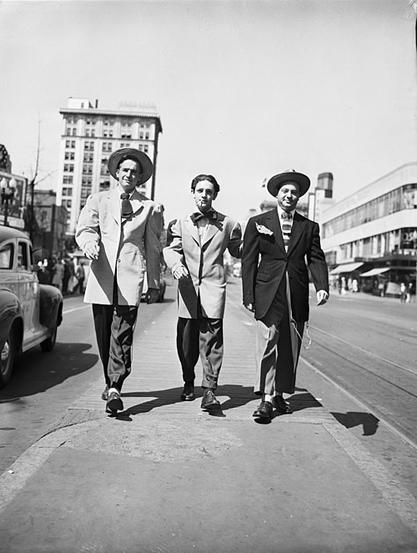
Zoot suits (baggy pegged pants with a long, flamboyant jacket that reached the knees) became popular in the early 1940s, particularly among young African American men. It was associated with a sense of pride, individuality and rebellion against mainstream culture. The trend quickly made its way into the Hispanic and Filipino subcultures in southern California. During this time, there was also a rise of pachuco culture among Latin youth. Chicano or pachuco jazz had become incredibly popular. Some of the great Pachuco band leaders included Lalo Guerrero, Don Tosti and Don Ramon Martinez. Margarita Engle depicted The Zoot Suit riots in her young adult novel, Jazz Owls (2018), which she wrote in verse.
#workingclass #LaborHistory #racism #raceriot #Riot #ZootSuit #chicano #mexican #losangeles #propaganda #ww2 #WorldWarTwo #immigration #deportation #jazz #boogie #hisfic #fiction #novel #books #author @bookstadon
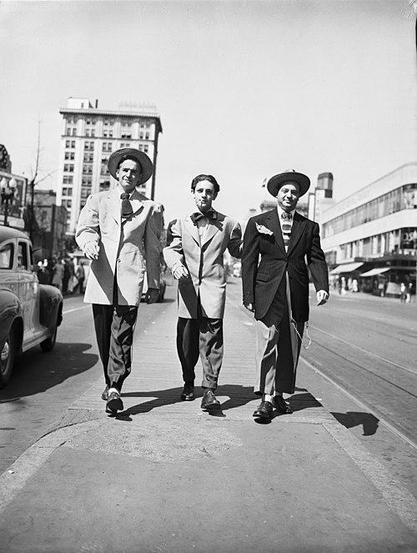
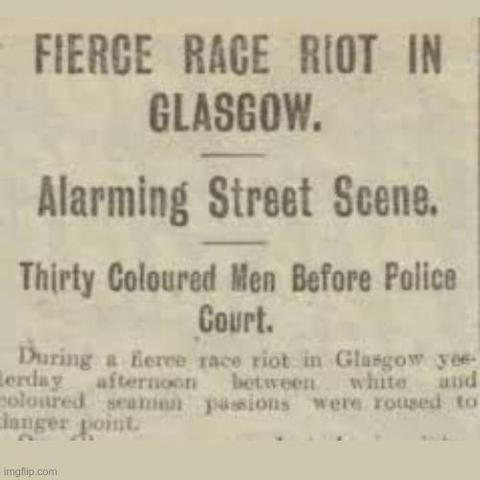
Today in Labor History June 4, 1943: The Zoot Suit riots began in Los Angeles, with white soldiers attacking and stripping mostly Latino, but also some black, Italian and Filipino youth who wearing zoot suits. During this time, there was also a rise of pachuco culture among Latin youth. Chicano or pachuco jazz had become incredibly popular. Some of the great Pachuco band leaders included Lalo Guerrero, Don Tosti and Don Ramon Martinez.
https://www.youtube.com/watch?v=iy7ep9e6qNo
#workingclass #LaborHistory #racism #raceriot #Riot #ZootSuit #chicano #mexican #losangeles #propaganda #ww2 #WorldWarTwo #immigration #deportation #jazz #boogie #latinjazz
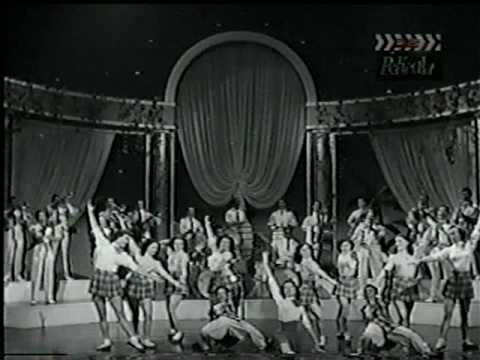
Today in Labor History June 4, 1943: The Zoot Suit riots began in Los Angeles, with white soldiers attacking and stripping mostly Latino, but also some black, Italian and Filipino youth who wearing zoot suits. During this time, there was also a rise of pachuco culture among Latin youth. Chicano or pachuco jazz had become incredibly popular. Some of the great Pachuco band leaders included Lalo Guerrero, Don Tosti and Don Ramon Martinez.
https://www.youtube.com/watch?v=nPGMuJFGaiI
#workingclass #LaborHistory #racism #raceriot #Riot #ZootSuit #chicano #mexican #losangeles #propaganda #ww2 #WorldWarTwo #immigration #deportation #jazz #boogie #latinjazz
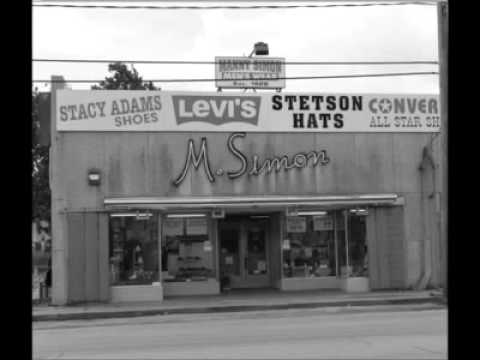
Today in Labor History June 4, 1943: The Zoot Suit riots began in Los Angeles, with white soldiers attacking and stripping mostly Latino, but also some black, Italian and Filipino youth who wearing zoot suits. During this time, there was also a rise of pachuco culture among Latin youth. Chicano or pachuco jazz had become incredibly popular. Some of the great Pachuco band leaders included Lalo Guerrero, Don Tosti and Don Ramon Martinez.
https://www.youtube.com/watch?v=eyBLQg8CGJs
#workingclass #LaborHistory #racism #raceriot #Riot #ZootSuit #chicano #mexican #losangeles #propaganda #ww2 #WorldWarTwo #immigration #deportation #jazz #boogie #latinjazz
Today in Labor History June 4, 1943: The Zoot Suit riots began in Los Angeles, with white soldiers attacking and stripping mostly Latino, but also some black, Italian and Filipino youth who wearing zoot suits. They did it in response to wartime propaganda vilifying the wearers of zoot suits as unpatriotic hoodlums. There was a government ban on zoot suits and other long, woolen articles of clothing because of war rationing. Additionally, the LA Times had been whipping up racial tensions by publishing propaganda associating Mexican and Hispanic youth with delinquency, particularly in the wake of the Sleepy Lagoon murder. Race riots also occurred that summer in Mobile, Beaumont, Detroit, Chicago, San Diego, Oakland, Philadelphia and New York City.
During the Great Depression, the U.S. had deported between 500,000 and 2 million Mexicans. Of the 3 million who remained, the largest concentration lived in Los Angeles. Because of discrimination, many were forced into jobs with below-poverty wages. And then, the U.S. military built a naval academy in the Latino community of Chavez Ravine, further exacerbating tensions.
Zoot suits (baggy pegged pants with a long, flamboyant jacket that reached the knees) became popular in the early 1940s, particularly among young African American men. It was associated with a sense of pride, individuality and rebellion against mainstream culture. The trend quickly made its way into the Hispanic and Filipino subcultures in southern California. During this time, there was also a rise of pachuco culture among Latin youth. Chicano or pachuco jazz had become incredibly popular. Some of the great Pachuco band leaders included Lalo Guerrero, Don Tosti and Don Ramon Martinez. Margarita Engle depicted The Zoot Suit riots in her young adult novel, Jazz Owls (2018), which she wrote in verse.
#workingclass #LaborHistory #racism #raceriot #Riot #ZootSuit #chicano #mexican #losangeles #propaganda #ww2 #WorldWarTwo #immigration #deportation #jazz #boogie #hisfic #fiction #novel #books #author @bookstadon
 MikeDunnAuthor
 Liam O'Mara IV, PhD
 Zuzana Chovanec
 Historianspeaks