 Mark A. Hanson
 michael
#Oxford #CafeSci is on #JumpingGenes #today. And their website is working again so read all about it here: http://www.rowingservice.com/cafescientifique/oxford/
#science #PublicUnderstanding #outreach #cafescientifique #events #lecture
#Oxford #CafeSci is on #JumpingGenes #today. And their website is working again so read all about it here: http://www.rowingservice.com/cafescientifique/oxford/
#science #PublicUnderstanding #outreach #cafescientifique #events #lecture
Study reveals how $RNA travels between cells to control #genes across #generations
#dsRNA #SID-1 #sdg-1 #jumpinggenes #epigenetic #C_elegans
https://phys.org/news/2025-02-reveals-rna-cells-genes-generations.html

RNA-based medicines are one of the most promising ways to fight human disease, as demonstrated by the recent successes of RNA vaccines and double-stranded RNA (dsRNA) therapies. But while health care providers can now successfully develop drugs that use dsRNA to accurately target and silence disease-causing genes, a major challenge remains: getting these potentially life-saving RNA molecules into cells efficiently.

Understanding the mechanism of LINE-1 is key to developing potential new treatments for cancer, autoimmune disorders, neurodegeneration, and even aging. Research published on December 14 in Nature sheds light on a small part of the so-called “dark genome” — the 98 percent of the human genome whos
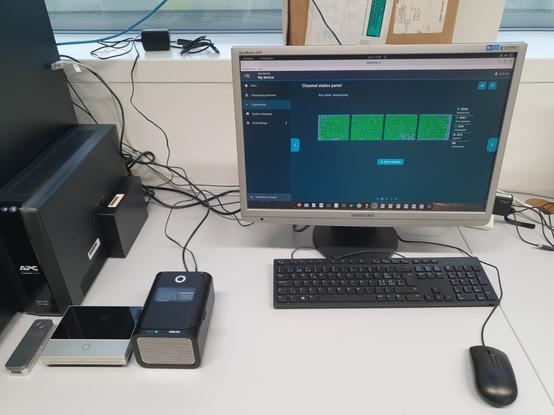
"A fungus that infects salamanders contains multiple copies of the same “jumping genes”, scientists have discovered.
Jumping genes, called transposons, can “copy & paste” themselves & impact the organism.
Most organisms have some repeated parts of their DNA, some of which are jumping genes, but this can be harmful.
The new study finds a possible evolutionary advantage of these jumping genes in a fungus called Batrachochytrium salamandrivorans".
#jumpinggenes
https://www.eurekalert.org/news-releases/975633
 CellBioNews
 Matt Willemsen
 Etienne Bucher 🌱🌾🧬
 RashaKamel