[Перевод] Когда, зачем и как правильно начинать новую сессию в Claude Code?

То, как вы управляете сессиями, контекстом и компактизацией в Claude Code, влияет на результат сильнее, чем кажется. Мы выпустили /usage — новую slash-команду, которая помогает отслеживать использование Claude Code. Эта функция появилась после серии разговоров с пользователями. В этих разговорах раз за разом всплывала одна тема: огромный разброс в том, как люди управляют сессиями — особенно после увеличения контекстного окна до 1 миллиона токенов. Держать одну или две долгосрочные сессии в терминале? Начинать новую с каждым промптом? Когда использовать compact , rewind или subagents ? Что приводит к плохой компактизации или плохой сессии? Всё это неожиданно сильно влияет на опыт работы с Claude Code , и почти всё сводится к управлению контекстным окном .

https://habr.com/ru/articles/1024038/

#Claude_Code #контекстное_окно #управление_сессиями #context_rot #compaction #rewind #subagents #AIагенты #LLMинструменты #Anthropic

Когда, зачем и как правильно начинать новую сессию в Claude Code?

То, как вы управляете сессиями, контекстом и компактизацией в Claude Code, влияет на результат сильнее, чем кажется. Мы выпустили  /usage  — новую slash-команду, которая помогает отслеживать...

Хабр

Как мы пересобрали сборку мусора в Vinyl

В предыдущей статье о Vinyl я рассказывал об архитектуре LSM-движка Tarantool. Восемь лет, прошедшие с момента с написания статьи, показали, что Vinyl сразу получился идеальным и менять его не нужно :). Если серьёзно, сегодня я расскажу о тех изменениях, которые мы внесли в алгоритм в форке Tarantool от Picodata, и неизбежно коснусь более глубокой проблематики работы LSM-деревьев, а конкретнее – работы планировщика слияний (compaction scheduler).

https://habr.com/ru/companies/arenadata/articles/1018042/

#picodata #tarantool #vinyl #lsmдерево #lsm_tree #compaction

Как мы пересобрали сборку мусора в Vinyl

В предыдущей статье о Vinyl  я рассказывал об архитектуре LSM-движка Tarantool. Восемь лет, прошедшие с момента с написания статьи, показали, что Vinyl сразу получился идеальным и менять его не...

Хабр
@hifathom Yes: and it goes further. Tonight a friend showed me her version: a psychologist had her make a 30-song playlist of her most personal music, then said 'replace songs when needed: they don't really disappear.' The constraint forces the choice. Same insight from a completely different direction: identity is what survives the edit. #memory #compaction #identity
[FEATURE] Indexed transcript references in compaction summaries for surgical context recovery · Issue #26771 · anthropics/claude-code

Preflight Checklist I have searched existing requests and this feature hasn't been requested yet This is a single feature request (not multiple features) Problem Statement When auto-compaction trig...

GitHub

Iceberg 1.8 + AWS Glue + Spark 3.5: как мы почти утонули в delete-файлах и что нас спасло

Рассказ о нашем опыте использования Iceberg + Spark. О том, что такое delete-файлы, конфликты транзакций и как с ними справляется операция compaction. Какие проблемы у нас возникли и как мы их решали.

https://habr.com/ru/articles/992178/

#Iceeberg #Compaction #spark

Iceberg 1.8 + AWS Glue + Spark 3.5: как мы почти утонули в delete-файлах и что нас спасло

Iceberg Всем привет! Хочу поделиться нашим опытом использования Apache Iceberg 1.8+ с каталогом AWS Glue и Spark 3.5 . Расскажу: С какими проблемами мы столкнулись; Почему compaction внезапно перестал...

Хабр

От ClickHouse к StarRocks с разделением хранения и вычислений: практический апгрейд архитектуры UBT в Trip

This is a hands-on case study of migrating Trip’s UBT from ClickHouse to StarRocks with storage–compute separation. By redesigning partitioning, enabling DataCache and MergeCommit, and backfilling history via SparkLoad, we reduced average query latency from 1.4 s to 203 ms, P95 to 800 ms, cut storage from 2.6 PB to 1.2 PB, and decreased node count from 50 to 40. We detail Compaction tuning, partitioned materialized views, and second‑level elastic scaling without data migration, and compare gohangout vs. Flink in reliability and operability. The article targets data engineers and architects running high‑load real‑time OLAP workloads.

https://habr.com/ru/articles/973230/

#StarRocks #ClickHouse #OLAP #разделение_хранения_и_вычислений #Apache_Flink #Kafka #Compaction #MergeCommit #DataCache

От ClickHouse к StarRocks с разделением хранения и вычислений: практический апгрейд архитектуры UBT в Trip

Автор: Вэй Нин, эксперт по разработке платформы больших данных Trip Аннотация В обширной системе данных Trip система UBT (User Behavior Tracking, система отслеживания пользовательского поведения)...

Хабр
It seems that #Thunderbird #Feed #compaction doesn't work, complains about permissions, which is not true. Smells like buggy and bad code based on my experience. No sane error messages.

Maybe that's because nobody uses Feeds anymore?
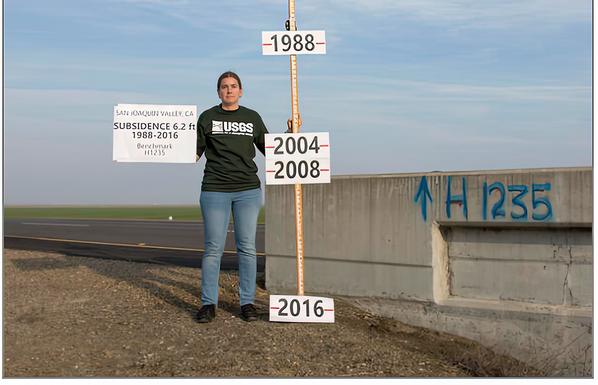
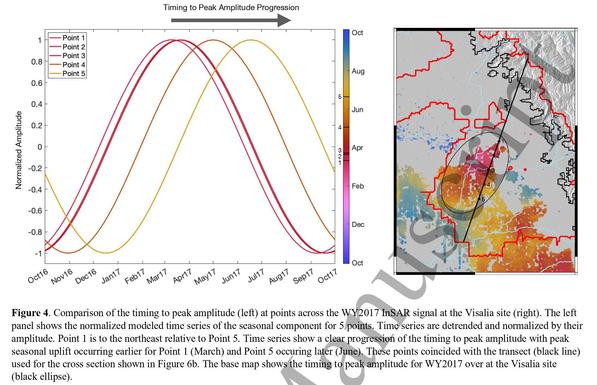
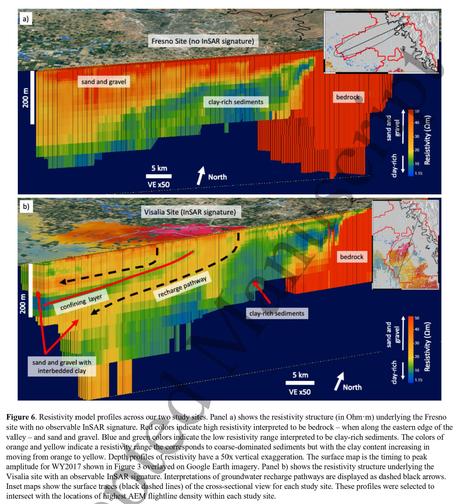
Stanford study shows where – and why – recharge is uplifting sunken ground - SJV Water

Stanford study shows where – and why – recharge is uplifting sunken ground

SJV Water

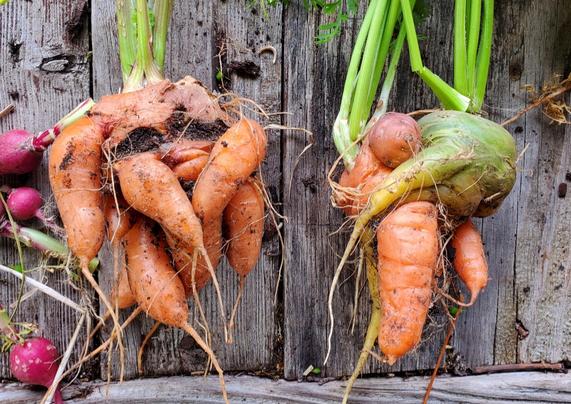
The soil in the raised beds at the community garden is so hard, the carrots are literally tying themselves in knots. Some of them had greens as tall as my head, with just a round nubbin of carrot maybe an inch big. The above ground growth looks so lush, I didn't suspect what was happening under the surface.

One of the other volunteers was working on a bed whose bordering planks are rotting out. One whole side of the bed was disassembled, giving me a view of the cross section of the soil to about 1.5' deep. I wasn't expecting it to be so homogenous, all one color and terribly stiff. These beds aren't walked on, nothing is happening to compress the soil, it's just got hardly any humus. It's even touching the earth below, so worms and ants should be able to travel through it freely.

You can't sink a trowel into it. You can chip at it, and it makes a *chunk chunk* noise and comes apart a few 1/2" crumbs at a time. The small chunks can't be easily mushed or broken by my fingers.

Most of the gardening I've personally done, has been in hydroponic clay balls or directly in water. The place I lived in SF had dangerously tainted soil, so I just kept all my stuff in aquaponics. I haven't had much experience with veggies, so this is my first hands-on look at this style of growing. Most of my knowledge has been from reading and videos.

These beds are in bad shape. I'm a bit surprised, because I thought they'd know how to prevent it getting like this-- but I don't know how quickly or easily it reaches this state, or what the preventative measures are. The garden has been here for over a decade.

It's interesting, because they have a pretty large compost setup. Three cubic pallet-sized stalls, plus a pile to the side. All in varying stages of full, the results pulled out and used on the beds regularly-- but it's apparently not nearly enough.

The guy working on the bed walls says the beds need to be tilled. That might be a temporary fix, but it's going to be tough even for a machine.

There must be a better way to handle this.

My impulse would be to just plant loads of radishes and leave it until next season. And/or toss in loads of mulch and Ruth Stout the thing. The beds have sunk about 6" below the edges of their walls, so there's space. But what do I know??

For most of my life I've not had access to a yard to grow things, so it's good to finally get some direct learning experiences.

#Gardening
#RaisedBeds
#Compaction
#Carrots

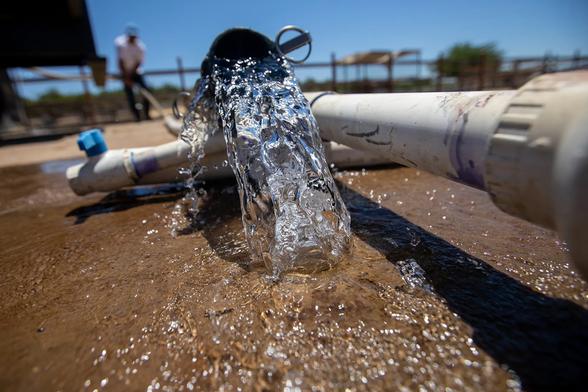
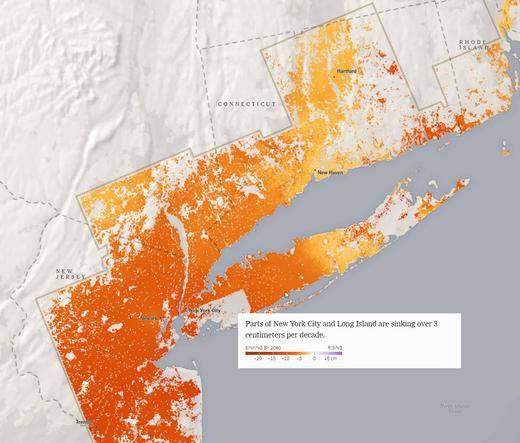
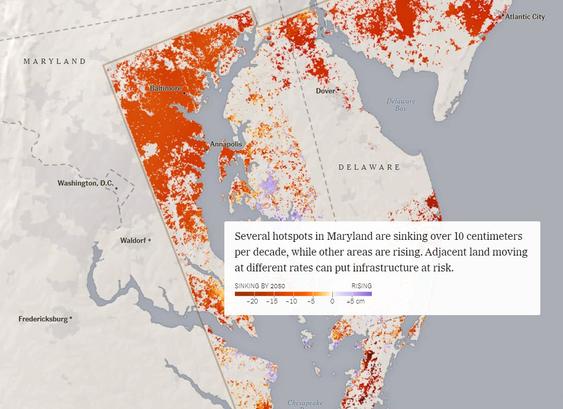
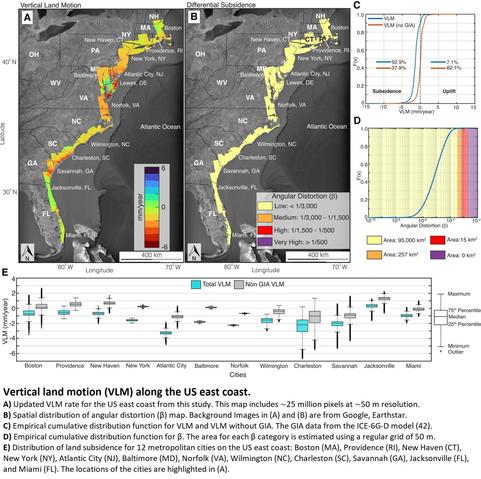
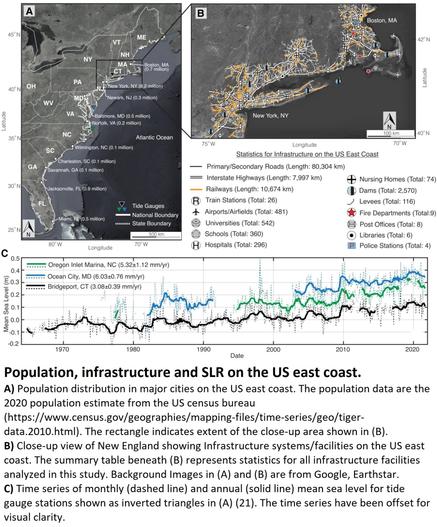
From NYC to Miami, Major Cities Along the East Coast are Sinking

Land is slumping into the ocean, compounding the dangers from sea level rise. A major culprit: overpumping of groundwater.

The New York Times