
Agi: "Gli Stati Uniti valutano l'occupazione dell'isola di Kharg in Iran"

AGI -  L'isola di Kharg nel mirino degli Stati Uniti. L'amministrazione Trump sta valutando di occupare o bloccare l'isola iraniana di Kharg per fare pressione sull'Iran affinché riapra lo stretto di Hormuz. Lo riferisce Axios citando quattro fonti.
L'isola di Kharg fulcro per l'export di petrolio 
Un'operazione per rilevare l'isola di Kharg, che si trova a 15 miglia al largo e processa il 90% delle esportazioni di petrolio greggio dell'Iran, potrebbe mettere le truppe statunitensi più direttamente nella linea di fuoco, sottolinea Axios. Per questo, si passerà in caso all'azione solo dopo che l'esercito americano avrà ulteriormente degradato la capacità militare dell'Iran intorno allo stretto di Hormuz.
"Un mese per prendere il controllo di Kharg"
"Abbiamo bisogno di circa un mese per indebolire di più gli iraniani con bombardamenti, catturare l'isola e poi prenderli per le palle e usarla per i negoziati", ha detto una fonte vicina alla Casa Bianca.
L'ipotesi di aumentare la presenza di militari Usa 
Un'operazione del genere, se approvata, richiederebbe anche più truppe. Tre diverse unità marine sono in viaggio verso la regione. La Casa Bianca e il Pentagono stanno pensando di inviare ancora più truppe presto, ha detto una fonte. Tuttavia la decisione di invadere Kharg "non è stata presa" al momento, ha assicurato un alto funzionario dell'amministrazione.
Da Kharg transita il 90% dell'export di petrolio iraniano  
L'isola di Kharg, nel Golfo Persico, è un piccolo territorio di circa 25 chilometri quadrati situato a una ventina di chilometri dalle coste iraniane. Da qui passa circa il 90% del petrolio esportato dall'Iran, destinato in gran parte alla Cina.
Le infrastrutture di Kharg sono vitali per l'Iran 
Le infrastrutture dell'isola sono considerate vitali per l'economia del Paese. Già durante la guerra Iran-Iraq (1980-1988), un rapporto della CIA sottolineava che il funzionamento continuo degli impianti di Kharg era "essenziale alla prosperità economica dell'Iran". L'importanza strategica resta intatta anche oggi: i pasdaran controllerebbero circa la metà delle entrate petrolifere del Paese.

The United States is assessing the occupation of the Kharg Island in Iran.

The U.S. is targeting the Kharg Island in Iran. The Trump administration is considering occupying or blocking the Iranian island of Kharg to pressure Iran into reopening the Strait of Hormuz. This is reported by Axios, citing four sources.

Kharg Island: A Hub for Oil Exports
An operation to seize Kharg Island, located 15 miles offshore and processing 90% of Iran's crude oil exports, could put U.S. troops more directly in the line of fire. Therefore, action will only be taken after the U.S. military has further degraded Iran's military capabilities around the Strait of Hormuz.

“A Month to Take Control of Kharg”
“We need about a month to further weaken the Iranians with airstrikes, capture the island and then take them to task and use it for negotiations,” said a source close to the White House.

The Idea of Increasing U.S. Military Presence
Such an operation, if approved, would also require more troops. Three different naval units are en route to the region. The White House and the Pentagon are considering sending even more troops soon, a source said. However, the decision to invade Kharg “has not been made” yet, an administration official assured.

90% of Iranian Oil Exports Pass Through Kharg
Kharg Island, in the Persian Gulf, is a small territory of about 25 square kilometers located twenty miles from the Iranian coast. Approximately 90% of Iran’s exported oil, largely destined for China, passes through it.

Kharg’s Infrastructure is Vital for Iran
The island’s infrastructure is considered vital to the country’s economy. During the Iran-Iraq War (1980-1988), a CIA report highlighted that the continuous operation of Kharg’s facilities was “essential to the economic prosperity of Iran.” Strategic importance remains unchanged today: the Revolutionary Guard would control about half of the country’s oil revenues.

#TheUnitedStates #theKhargIsland #Trump #Iranian #Kharg #theStraitofHormuz #Axios #HubforOilExports #KhargIsland #15miles #Hormuz #Iranians #theWhiteHouse #TheWhiteHouse #Pentagon #thePersianGulf #twentymiles #Approximately90% #China #theIran-IraqWar

https://www.agi.it/estero/news/2026-03-20/kharg-usa-valutano-occupazione-isola-36202153/
Il Tempo: “Attacchi missilistici dell'Iran calati del 90%”. Ma 100 droni al giorno colpiscono ancora

L'Iran sta prendendo di mira sistemi radar e di difesa aerea in diversi Paesi del Golfo Persico, tra cui Qatar, Emirati Arabi Uniti, Giordania, Bahrain, Kuwait e Arabia Saudita. Lo riferisce il Wall Street Journal, citando funzionari statunitensi, analisti e immagini satellitari. Gli attacchi, considerati ritorsioni contro i bombardamenti di Stati Uniti e Israele, avrebbero ridotto la capacità delle forze americane e alleate di monitorare i missili in arrivo. Le immagini satellitari mostrano danni a installazioni strategiche, tra cui un radar di allerta precoce presso la base aerea di Al-Udeid in Qatar, sede della più grande struttura Usa nella regione, e un radar Tpy-2 collegato a una batteria Thaad in Giordania. Sono state colpite anche le cupole radar a Camp Arifjan in Kuwait, le schiere di antenne per comunicazioni satellitari presso il quartier generale della Quinta Flotta Usa in Bahrain e un radar alla base aerea Prince Sultan in Arabia Saudita.

Funzionari statunitensi hanno assicurato al Wsj che le difese rimangono pienamente operative e che sono in fase di dispiegamento nuovi intercettori e apparecchiature. L'ammiraglio Brad Cooper ha dichiarato che dall'inizio del conflitto gli attacchi missilistici sono diminuiti di circa il 90% e quelli con droni dell'83%, anche se oltre 100 droni continuano a colpire quotidianamente gli Emirati Arabi Uniti. Gli esperti sottolineano che gli attacchi evidenziano la vulnerabilità dei radar avanzati e la difficoltà di difendersi da una gamma completa di minacce aeree, dai missili ai droni.

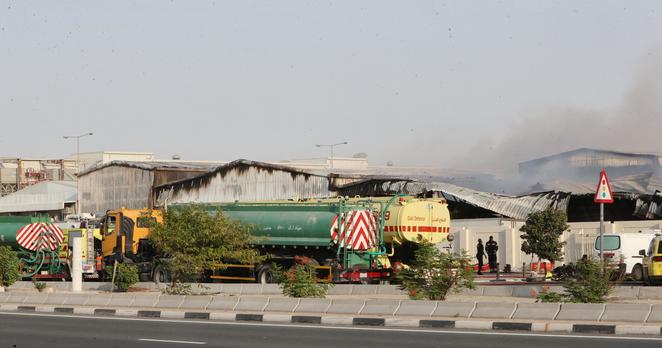
I Guardiani della Rivoluzione iraniani hanno inoltre riferito all'agenzia Fars di aver attaccato con droni e missili la base aerea di Al-Adiri in Kuwait. I vigili del fuoco del piccolo Paese del Golfo hanno annunciato su X che due pompieri sono "morti in servizio" senza specificare le circostanze dell'incidente. In precedenza le autorità del Kuwait avevano comunicato che erano in corso le operazioni di spegnimento di un incendio presso un deposito di carburante nell'aeroporto. Secondo Fars, l'attacco dei pasdaran ha distrutto un centro di riparazione di elicotteri statunitensi, depositi di carburante e un centro di comando. "Dopo questa ondata di attacchi, un terribile rogo si è sviluppato nella base e un denso fumo nero sta ancora salendo da questa base e può essere visto da lontano", afferma l'agenzia iraniana.

Iranian missile attacks down 90%. But 100 drones per day still strike.

Iran is targeting radar and air defense systems in several countries in the Persian Gulf, including Qatar, the United Arab Emirates, Jordan, Bahrain, Kuwait, and Saudi Arabia. This is reported by the Wall Street Journal, citing U.S. officials, analysts, and satellite imagery. The attacks, considered retaliation for the bombing by the United States and Israel, have reduced the ability of American and allied forces to monitor incoming missiles. Satellite imagery shows damage to strategic installations, including an early warning radar at Al-Udeid Air Base in Qatar, the location of the largest U.S. facility in the region, and a Tpy-2 radar linked to a Thaad battery in Jordan. Radar domes at Camp Arifjan in Kuwait, satellite communication antenna arrays at the U.S. Fifth Fleet headquarters in Bahrain, and a radar at Prince Sultan Air Base in Saudi Arabia were also struck.

U.S. officials assured the WSJ that the defenses remain fully operational and that new interceptors and equipment are being deployed. Admiral Brad Cooper stated that since the beginning of the conflict, missile attacks have decreased by approximately 90% and drone attacks by 83%, although over 100 drones continue to strike the United Arab Emirates daily. Experts point out that the attacks highlight the vulnerability of advanced radar systems and the difficulty of defending against a full range of aerial threats, from missiles to drones.

The Islamic Revolutionary Guard Corps of Iran also reported attacking the Al-Adiri Air Base in Kuwait with drones and missiles. The firefighters of the small Gulf country announced on X that two firefighters are “died in the line of duty” without specifying the circumstances of the incident. Previously, Kuwaiti authorities had announced that firefighting operations were underway at a fuel depot at the airport. According to Fars, the Pasdaran’s attack destroyed a U.S. helicopter repair center, fuel depots, and a command center. “After this wave of attacks, a terrible fire developed in the base and a dense black smoke is still rising from this base and can be seen from afar,” the Iranian agency states.

#Iranian #thePersianGulf #Qatar #Jordan #Bahrain #Kuwait #SaudiArabia #theUnitedStates #Israel #American #Al-UdeidAirBase #Thaad #CampArifjan #theUSFifthFleet #PrinceSultanAirBase #BradCooper #approximately90% #theAl-AdiriAirBase #Kuwaiti #Pasdaran

https://www.iltempo.it/esteri/2026/03/08/news/guerra-attacchi-iran-radar-basi-usa-golfo-danni-incendio-attacco-kuwait-pasdaran-46709491/

Guerra, l'Iran distrugge i radar Usa nel Golfo Persico. Nodo missili? I numeri svelano la realtà

L'Iran sta prendendo di mira sistemi radar e di difesa aerea in diversi Paesi del Golfo Persico, tra cui Qatar, Emirati Arabi Uniti, Giordania, Ba...