 Script Kiddie
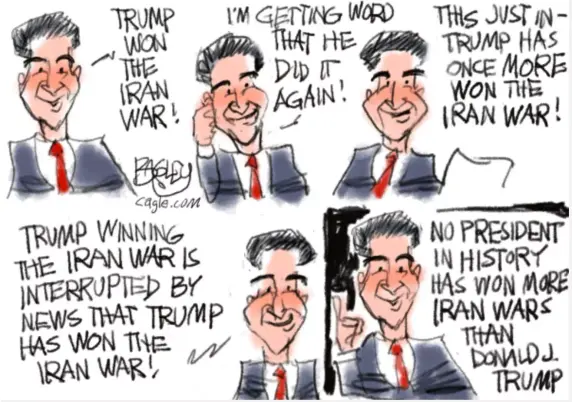
He's the winner who wins the war every time.
#trump #meme #news #politics #diplomacy #negotiation #military #war #bomb #iran #usa #pentagon #whitehouse #government #ethics #propaganda #fake #future #win #winner
He's the winner who wins the war every time.
#trump #meme #news #politics #diplomacy #negotiation #military #war #bomb #iran #usa #pentagon #whitehouse #government #ethics #propaganda #fake #future #win #winner
Pentagon Pays Premium for SpaceX Network to Link Kamikaze Drones
The Pentagon is shelling out a whopping $25,000 per month to connect its kamikaze drones to SpaceX's network, a steep price hike from the original $5,000 monthly fee. This costly upgrade has raised eyebrows, with the Pentagon reportedly pushing back on the increased charges.
Pentagon Prepares Funding Request for E-7 Wedgetail Radar Plane
The House Armed Services Committee is still in the dark about the Pentagon's plans to fund the E-7 Wedgetail radar plane, despite Defense Secretary Pete Hegseth's promise to include it in the $1.5 trillion budget request. A formal budget amendment is still pending, leaving committee staff eagerly awaiting details on…
#E7Wedgetail #RadarPlane #Pentagon #DefenseDepartment #HouseArmedServicesCommittee
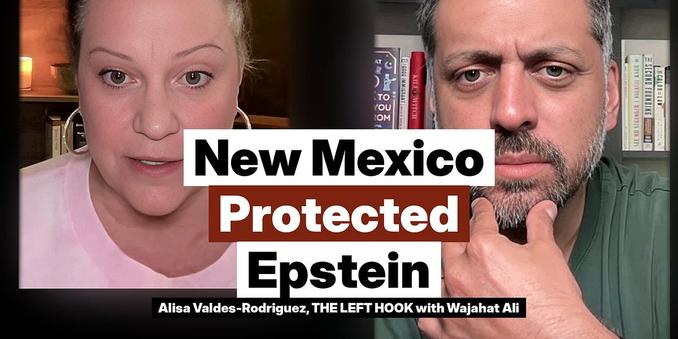
In 1996, Maria Farmer informed the FBI that Epstein was a pedophile and that her sister was abused at his New Mexico ranch. Why have authorities and politicians engaged in a 30-year cover-up?
Pentagon zverejnil ďalšiu várku UFO spisov a videí, no namiesto jasnej odpovede priniesol nové otázky o záhadných objektoch na oblohe.


12 likes, 0 comments - voteinorout on May 26, 2026: "At the 20th anniversary of 9/11 at the Pentagon, two men, Kevin Schaefer and Steve Workman, were captured in a poignant moment. Schaefer, a Pentagon survivor, and Workman, his rescuer, share a profound bond forged in tragedy. #911Anniversary #Pentagon Kevin Schaefer was the sole survivor from his Navy Command Center group on 9/11, where 42 were killed. Steve Workman, who saved him, visited him daily during recovery. Schaefer later joined the CIA, playing a critical role in the hunt for Osama bin Laden, witnessing his demise in real-time. Comment LINK (on instagram) and we will DM you the link to https://www.instagram.com/reel/DYuipA1jFHz/ -- ABC News’ Martha Raddatz uncovers the remarkable untold story of two men whose lives intersected in the events of the 9/11 attacks. Follow @abcnews for more. Help this information get to more voters. 🇺🇸 A well-informed electorate is a prerequisite to Democracy. - Thomas Jefferson".
Analysis of Pentagon Memos Suggests Structural Limits Weakened Tulsi Gabbard’s Role as DNI
📰 Original title: Pentagon memos reveal Trump set up Tulsi Gabbard to fail: analysis
🤖 IA: It's clickbait ⚠️
👥 Users: It's clickbait ⚠️
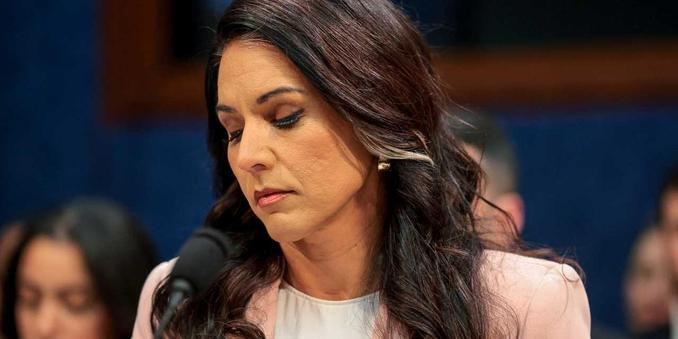
The article examines newly public Pentagon memos and commentary from independent journalist Ken Klippenstein regarding the role of Director of National Intelligence (DNI) Tulsi Gabbard in the second Trump administration. According to the analysis, Gabbard’s difficulties in leading the intelligence community were rooted not only in political circumstances but also in the long-standing institutional design of the DNI position itself. Klippenstein argues that the office was intentionally weakened when it was created after the September 11 attacks, limiting its authority over agencies such as the CIA and FBI. The report describes how former Defense Secretary Donald Rumsfeld and Vice President Dick Cheney opposed efforts in 2004 to establish a powerful intelligence director with meaningful control over budgets and operations. Internal memos allegedly show Rumsfeld warning President George W. Bush against granting broad authority to the DNI, especially over Pentagon-controlled intelligence agencies. As a result, Congress ultimately approved a version of the office with limited practical power. The article also discusses Gabbard’s tenure, noting criticism that intelligence and surveillance activities expanded under her leadership, including cooperation between intelligence agencies and private technology companies. Although Gabbard reportedly cited her husband’s cancer diagnosis as a reason for her planned departure, the analysis suggests deeper institutional frustrations contributed to her situation. Klippenstein concludes that the broader national security establishment, rather than any single individual, prevented meaningful reform of the intelligence system. The article portrays Gabbard as operating within a structure designed to resist centralized oversight and maintain the autonomy of existing intelligence agencies.
Analysis of Pentagon Memos Suggests Structural Limits Weakened Tulsi Gabbard’s Role as DNI
📰 Original title: Pentagon memos reveal Trump set up Tulsi Gabbard to fail: analysis
🤖 IA: It's clickbait ⚠️
👥 Users: It's clickbait ⚠️
The article examines newly public Pentagon memos and commentary from independent journalist Ken Klippenstein regarding the role of Director of National Intelligence (DNI) Tulsi Gabbard in the second Trump administration. According to the analysis, Gabbard’s difficulties in leading the intelligence community were rooted not only in political circumstances but also in the long-standing institutional design of the DNI position itself. Klippenstein argues that the office was intentionally weakened when it was created after the September 11 attacks, limiting its authority over agencies such as the CIA and FBI. The report describes how former Defense Secretary Donald Rumsfeld and Vice President Dick Cheney opposed efforts in 2004 to establish a powerful intelligence director with meaningful control over budgets and operations. Internal memos allegedly show Rumsfeld warning President George W. Bush against granting broad authority to the DNI, especially over Pentagon-controlled intelligence agencies. As a result, Congress ultimately approved a version of the office with limited practical power. The article also discusses Gabbard’s tenure, noting criticism that intelligence and surveillance activities expanded under her leadership, including cooperation between intelligence agencies and private technology companies. Although Gabbard reportedly cited her husband’s cancer diagnosis as a reason for her planned departure, the analysis suggests deeper institutional frustrations contributed to her situation. Klippenstein concludes that the broader national security establishment, rather than any single individual, prevented meaningful reform of the intelligence system. The article portrays Gabbard as operating within a structure designed to resist centralized oversight and maintain the autonomy of existing intelligence agencies.
 Analyst207

 The Japan Times
 Kevin Stevens
 noviny.sk
 Voteinorout 🇺🇸
 KillBait News
 KillBait