The excerpt offers a concise lens into neurodegenerative processes, highlighting real-time molecular dynamics that contribute to cognitive decline. For mental health professionals, this clarity about how biochemical interactions relate to brain changes can inform a broader understanding of symptom progression and the lived experience of individuals facing memory-related challenges.
Article Title: Scientists just watched Alzheimer’s damage happen in real time
Link to Science Daily Mind-Brain News: https://www dot sciencedaily dot com/releases/2026/04/260406192922 dot htm
Scientists at Oregon State University have captured something researchers have long struggled to see: the real-time chemical interactions that help drive Alzheimer’s disease. By watching how metal ions—especially copper—trigger harmful protein clumping in the brain, the team uncovered a clearer picture of how the disease develops at a molecular level.
via Mind & Brain News -- ScienceDaily https://www dot sciencedaily dot com/news/mind_brain/
April 7, 2026 at 07:37AM
#Alzheimer'sResearch #Neurodegeneration #CoppersRole #ProteinAggregation #BrainHealth
Copy and paste broken link above into your browser and replace "dot" with "." for link to work.
We have to do it this way to avoid display of copyrighted images.
 jobRxiv
 Psychotherapy Commission ACPE
 CSBJ
CSBJ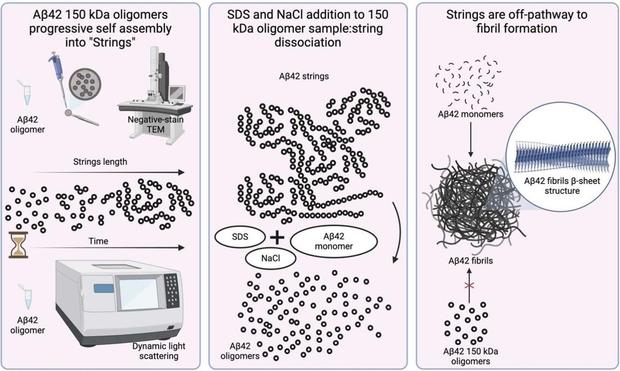
 PLOS Biology
 Geekoo
 Science News

 idw
idw


 ℵ₀ 🏳️⚧️🏴☠️