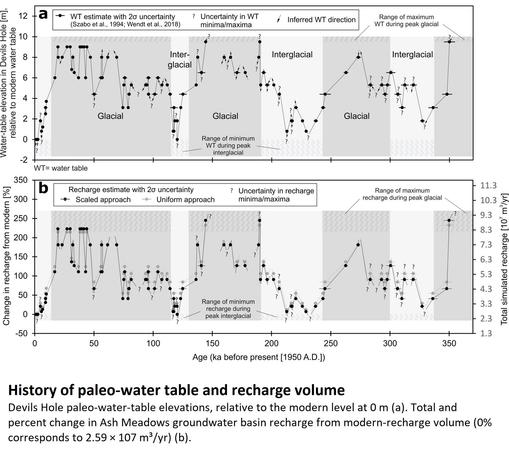
#Arctic will respond to #climate change, and for this they focused deep into the past on a time called the Last #Interglacial, between 130,000 and 115,000 years ago.
#EarthScience #Environmental #sflorg
https://www.sflorg.com/2025/09/es09222501.html
Rivers in the Sky, Arctic Warming, and What this Means for the Greenland Ice Sheet

Characterizing weather extremes from the past to add context to future impacts

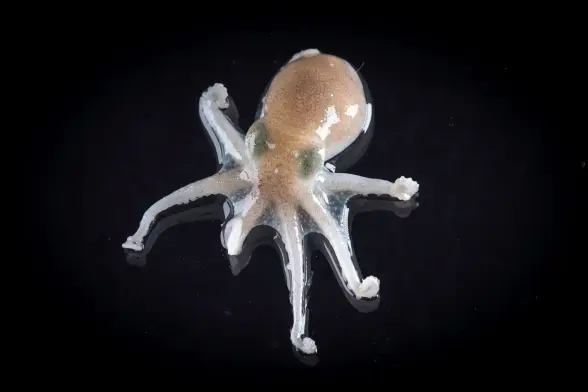
Paraledone octopus

Pareledone is a genus of octopus found only in Antarctic waters. These seafloor dwellers live in shallow water and as deep as 4,000 metres. Genetic analysis found that distinct populations from the Weddell, Amundsen and Ross seas interbred 125,000 years ago, showing that the West Antarctic ice sheet melted during the last #interglacial, a time with climate conditions much like today.

@photography
#MarineLife
#octopus
#Antarctica

#WeekendReading: Carrillo et al., on the non-linear behavior related to #glacial-#interglacial cycles and the importance of soils (and probably other shallow carbon storage) - insights we can take back in time.
https://www.pnas.org/doi/10.1073/pnas.2322926121
Scientists, including from British Antarctic Survey, have used #octopus #DNA to discover that the West #Antarctic Ice Sheet (WAIS) likely collapsed during the Last #Interglacial period around 120,000 years ago – when the global temperatures were similar to today.
#EarthScience #MarineBiology #sflorg
https://www.sflorg.com/2023/12/es12242301.html
Octopus DNA solves mystery of ice sheet’s past

This was a period when global average temperatures were 0.5 – 1.5 oC warmer than preindustrial levels

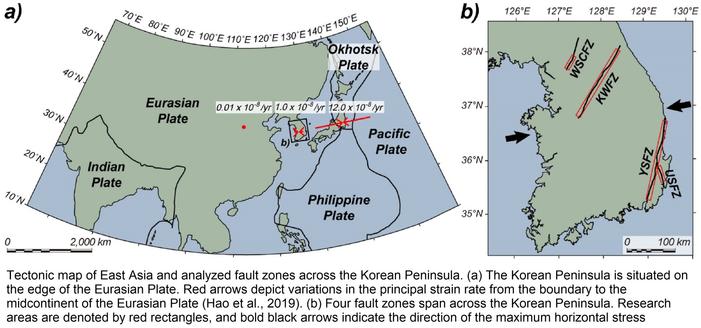
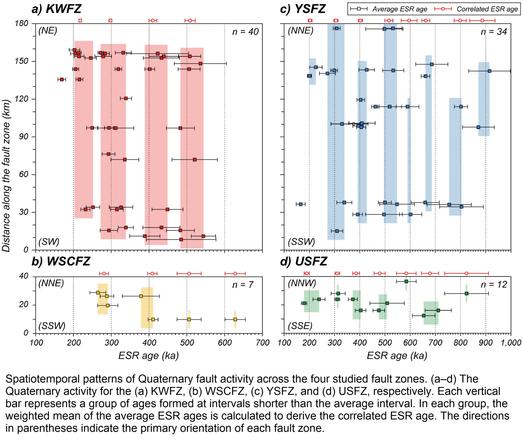
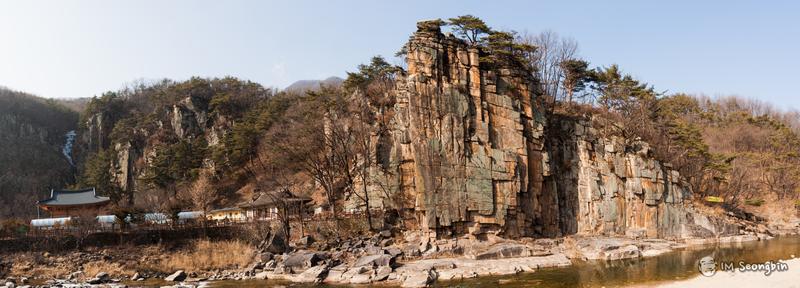
Long-Term Patterns Of Earthquakes Influenced By Climate Change - Insights From Earthquake Recurrence And Stress Field Changes Across The Korean Peninsula During Interglacial Periods [sea level changes]
--
https://doi.org/10.1016/j.quascirev.2023.108369 <-- shared paper
--
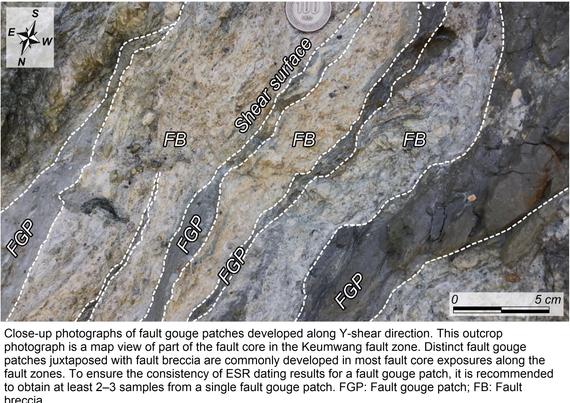
[my engineering geology Masters thesis way-back-when on primarily paleoseismology utilised - in part - fault gouge quartz for empirical dating although I was using SEM pics to look at the quartz’s abrasion levels, interesting to see this advancement]
#GIS #spatial #mapping #earthquake #earthquakepreparedness #fault #faulting #paleoseismology #Korea #SouthKorea #glacial #sediments #interglacial #faultgouge #climatechange #SLR #sealevel #sealevelrise #stressfield #changes #spatiotemporal #KoreanPeninsula #paleoearthquake #faultzones #dating #quartz #differentialstress #Quaternary #ESR #dating #periodicity #spatialanalysis #spatiotemporal #geology #engineeringgeology

"With each flip from a glacial to an #interglacial #climate there have been sudden, sharp rises in atmospheric #methane, likely from expanding tropical #wetlands.

These great climate flips that ended each #IceAge are known as #terminations.

Full terminations take several thousands of years to complete."

https://phys.org/news/2023-08-methane-earth-climate-termination-level-transition.html

Rising methane could be a sign that Earth's climate is part way through a 'termination-level transition'

Since 2006, the amount of heat-trapping methane in Earth's atmosphere has been rising fast and, unlike the rise in carbon dioxide (CO₂), methane's recent increase seems to be driven by biological emissions, not the burning of fossil fuels. This might just be ordinary variability—a result of natural climate cycles such as El Niño. Or it may signal that a great transition in Earth's climate has begun.

Phys.org

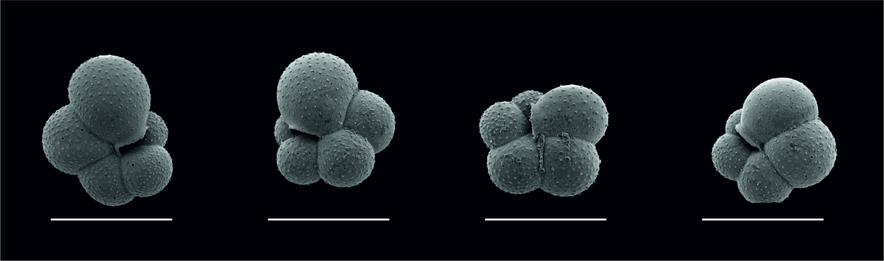
#Plankton evidence reveals a seasonally ice-free ocean during the Last Interglacial https://phys.org/news/2023-08-plankton-evidence-reveals-seasonally-ice-free.html #protists #forams

A seasonally ice-free Arctic Ocean during the Last #Interglacial: Flor Vermassen et al. https://www.nature.com/articles/s41561-023-01227-x

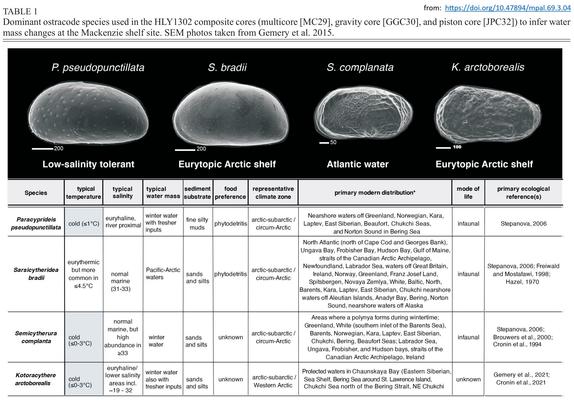
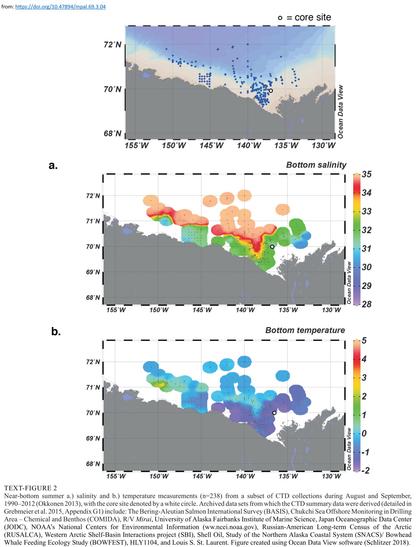
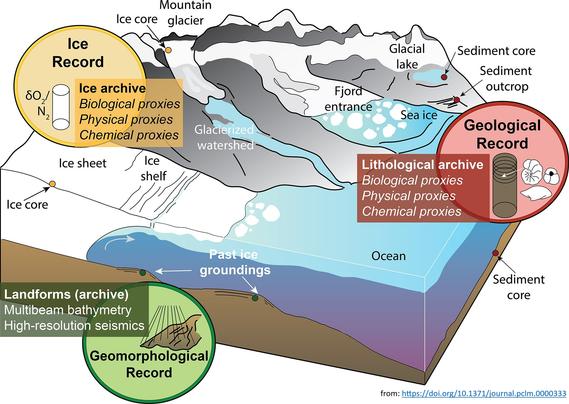
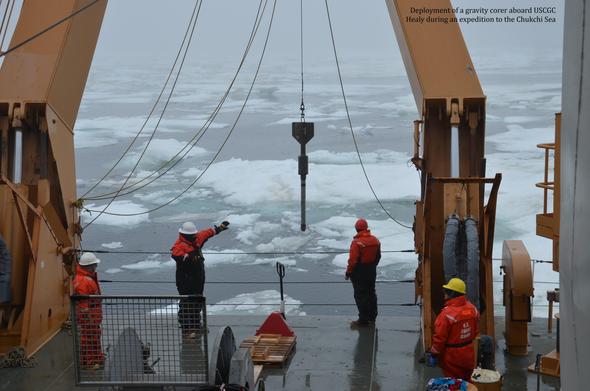
"A subpolar species associated with #Atlantic water expanded far into the #Arctic Ocean during the #LastInterglacial, analysis of #microfossil content of #SedimentCores reveals. This implies that summers in the #Arctic were ice free during this period."

Plankton evidence reveals a seasonally ice-free ocean during the Last Interglacial

A subpolar species associated with Atlantic water expanded far into the Arctic Ocean during the Last Interglacial, analysis of microfossil content of sediment cores reveals. This implies that summers in the Arctic were ice free during this period. The findings are published in Nature Geoscience.

Phys.org