 Dorgaldirs Garden
🇬🇧
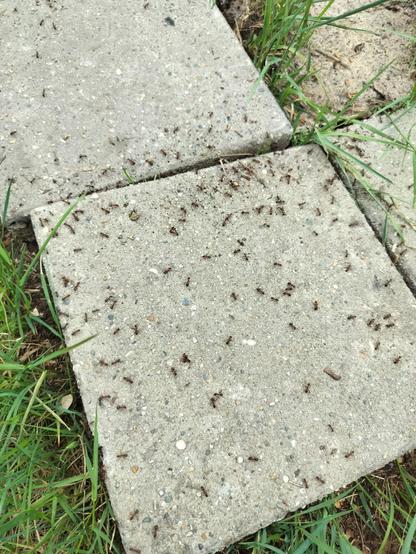
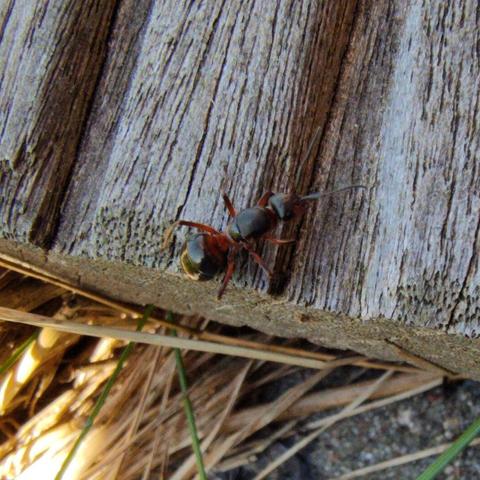
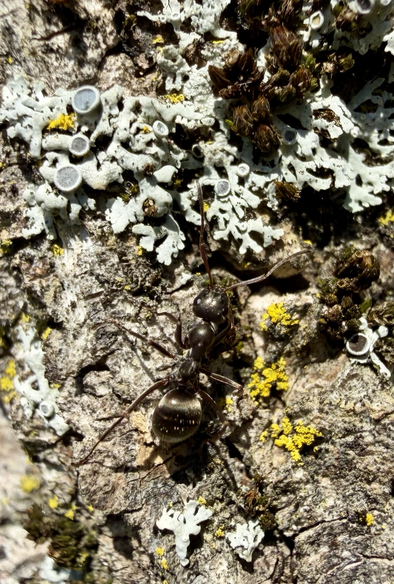
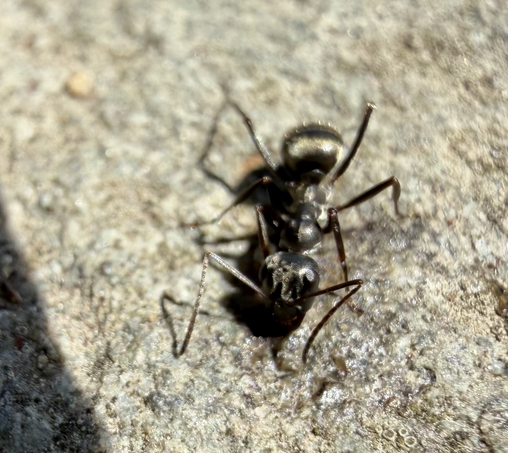
Looks like I'm not the only one using the garden paths. 🐜
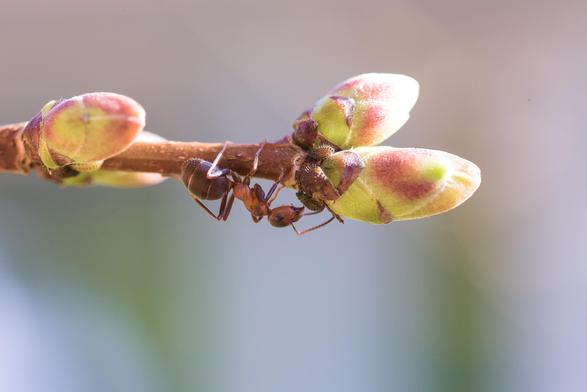
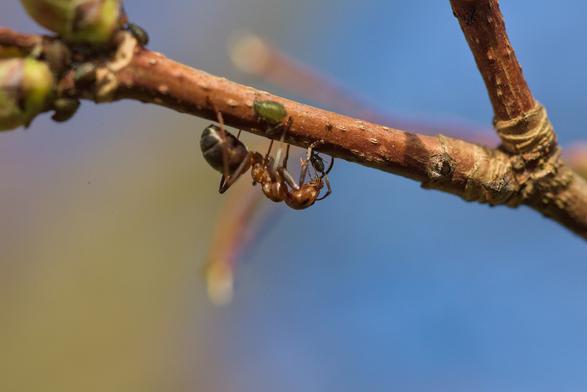
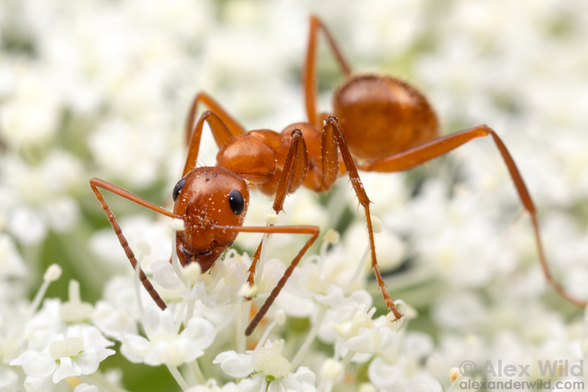
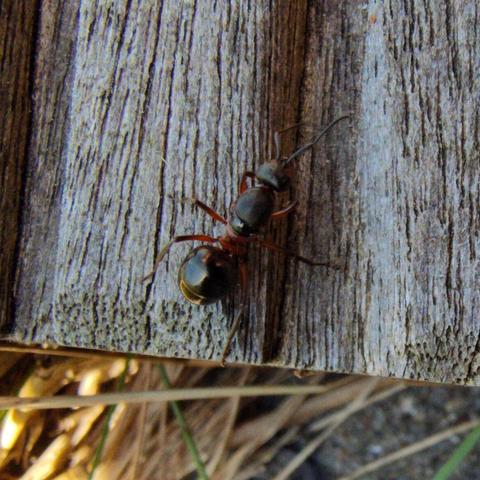
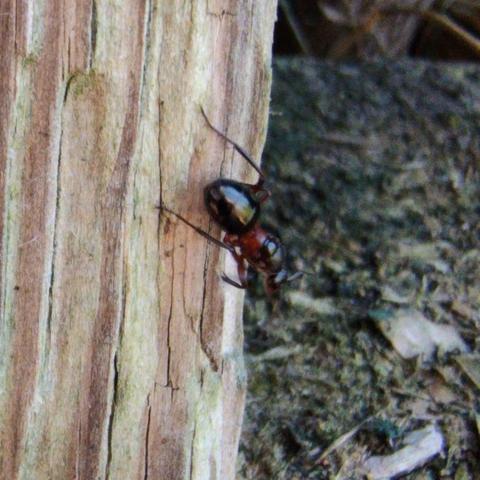
Red wood ants (*Formica* sp.) have made themselves at home between the stepping stones in my vegetable garden. These are fascinating insects — red wood ants are considered a keystone species, playing a crucial role in their ecosystem. They prey on garden pests, aerate the soil, and their colonies can contain hundreds of thousands of individuals working together like a single organism.
Spotting them in the garden feels like a good sign. As long as they stay out of the raised beds, we have a deal.
🇧🇪🇳🇱
Ik blijkt niet de enige te zijn die de tuinpaadjes gebruikt. 🐜
Rode bosmieren (*Formica* sp.) hebben zich genesteld tussen de stapstenen in mijn moestuin. Fascinerende insecten — rode bosmieren worden beschouwd als een sleutelsoort die een cruciale rol speelt in hun ecosysteem. Ze jagen op tuinplagen, luchten de bodem, en hun kolonies kunnen honderdduizenden individuen bevatten die samenwerken als één enkel organisme.
Ze in de tuin zien voelt als een goed teken. Zolang ze uit de moestuinbakken blijven, hebben we een overeenkomst.
#bosmieren
#woodants
#Formica
#rodebosmier
#redwoodant
#moestuin
#vegetablegarden
#tuinleven
#gardening
#bodemgezondheid
#soilhealth
#insectenvriendelijk
#biodiversiteit
#biodiversity
#natuur
#nature
#tuin
#garden
#DorgaldirsGarden
#Dorgaldirs_Garden
Looks like I'm not the only one using the garden paths. 🐜
Red wood ants (*Formica* sp.) have made themselves at home between the stepping stones in my vegetable garden. These are fascinating insects — red wood ants are considered a keystone species, playing a crucial role in their ecosystem. They prey on garden pests, aerate the soil, and their colonies can contain hundreds of thousands of individuals working together like a single organism.
Spotting them in the garden feels like a good sign. As long as they stay out of the raised beds, we have a deal.
🇧🇪🇳🇱
Ik blijkt niet de enige te zijn die de tuinpaadjes gebruikt. 🐜
Rode bosmieren (*Formica* sp.) hebben zich genesteld tussen de stapstenen in mijn moestuin. Fascinerende insecten — rode bosmieren worden beschouwd als een sleutelsoort die een cruciale rol speelt in hun ecosysteem. Ze jagen op tuinplagen, luchten de bodem, en hun kolonies kunnen honderdduizenden individuen bevatten die samenwerken als één enkel organisme.
Ze in de tuin zien voelt als een goed teken. Zolang ze uit de moestuinbakken blijven, hebben we een overeenkomst.
#bosmieren
#woodants
#Formica
#rodebosmier
#redwoodant
#moestuin
#vegetablegarden
#tuinleven
#gardening
#bodemgezondheid
#soilhealth
#insectenvriendelijk
#biodiversiteit
#biodiversity
#natuur
#nature
#tuin
#garden
#DorgaldirsGarden
#Dorgaldirs_Garden
 Dining and Cooking
 Беларуская Вікіпедыя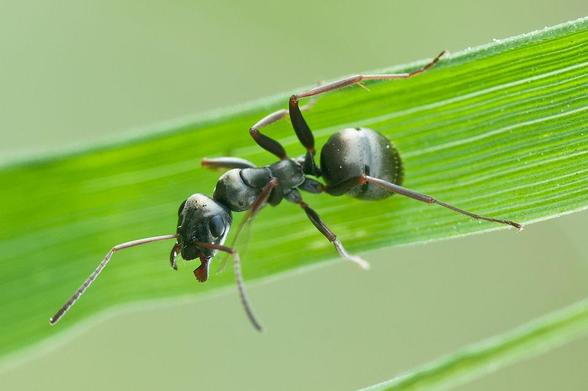
 Lasse Beyer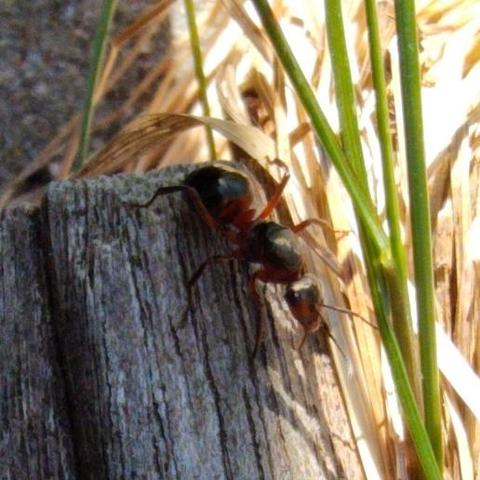
 myrmepropagandist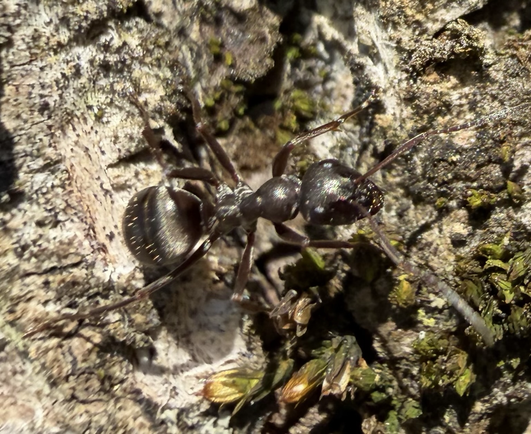
 Alex Wild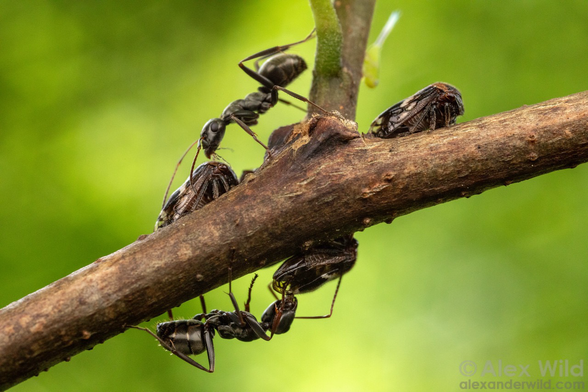
 K. Olbe