Navigating Suffering with Buddhist Wisdom

Navigating chronic illness and disability is challenging at times, often requiring us to confront unexpected setbacks and emotional hurdles. Discovering unique ways to cope, build resilience, and remain mindful is key to healing and mental well-being.

During meditation this morning, I realized that I can view my neurological disorders through the lens of the Four Noble Truths. This perspective offers a unique approach, allowing me not only to confront my struggles but also to embrace them as integral parts of my journey. I have often used the pain I experience as a path to understanding; however, I have not yet applied the Noble Truths as a process to work through health issues. By examining the nature of suffering and acknowledging its presence in my life, I can begin to explore the deeper causes behind it, leading me to cultivate mindfulness and compassion, both for myself and others who endure similar challenges. Recognizing that there is a path out of suffering encourages me to actively seek solutions and cultivate a more balanced state of being.

The four noble truths of Buddhism help us to see life through a different perspective and gain clarity on why we suffer and how to alleviate this. By understanding these fundamental principles, we begin to recognize the nature of suffering, which is an inherent part of the human experience. This realization encourages us to confront our pain rather than avoid it. The first truth identifies suffering as an unavoidable aspect of life, while the second truth explores the origins of this suffering, rooted in attachment and desire. The third noble truth offers hope, revealing that liberation from suffering is achievable, and the fourth truth provides a practical path through the Eightfold Path, guiding us on how to cultivate mindfulness, ethical conduct, and mental discipline to ultimately foster a more compassionate and fulfilled existence. Embracing these truths can transform our perception of life, allowing us to navigate our challenges with wisdom and resilience.

The Truth of Suffering (Dukkha): Life includes dissatisfaction, suffering, and pain. This encompasses obvious suffering (birth, sickness, death) and subtle dissatisfaction (impermanence, lack of fulfillment).
The Truth of the Cause of Suffering (Samudaya): Suffering is caused by craving, grasping, or thirsting for pleasure, existence, or non-existence. This stems from ignorance about the true nature of reality.
The Truth of the Cessation of Suffering (Nirodha): It is possible to end suffering and achieve a state of liberation known as Nirvana. This occurs by letting go of cravings and attachment.
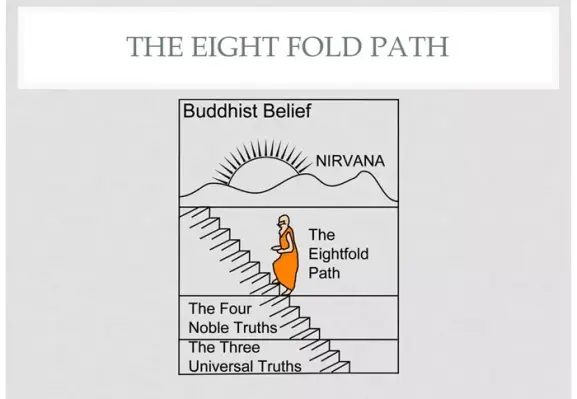
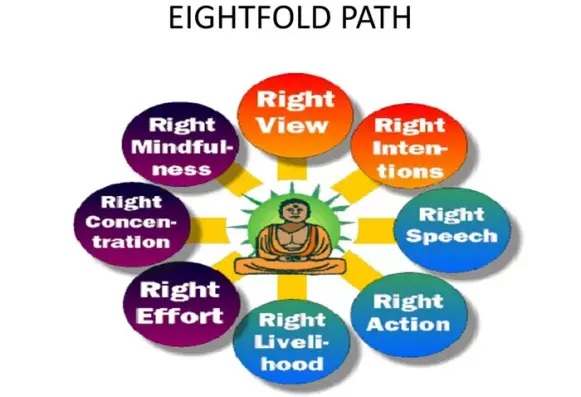
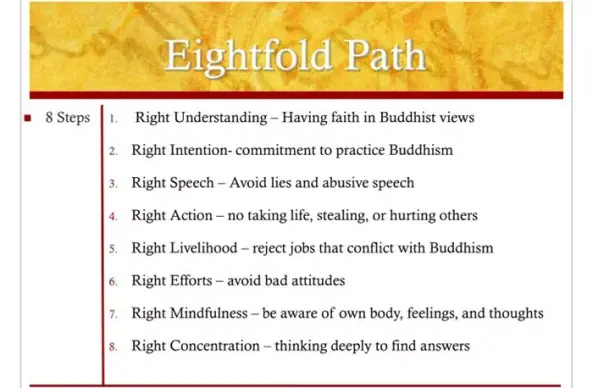
The Truth of the Path (Magga): The way to end suffering is the Noble Eightfold Path, which includes cultivating right understanding, intention, speech, action, livelihood, effort, mindfulness, and concentration.

~from Lion’s Roar

On The Path Of Truth

Now, to apply this to my physical health issues, I can begin with the first noble truth of suffering. Obviously, the pain I experience can be considered suffering, manifesting itself in both a physical and emotional burden that weighs heavily on my daily life. Move on to the second noble truth – the cause of suffering could be the dysregulation of my nervous system, which might lead to heightened sensitivity to pain and an inability to process discomfort in a healthy way. On the other hand, I could look at the cause of my suffering as my intense desire to avoid pain, which creates a cycle of fear and anxiety that exacerbates my condition. By viewing physical pain as only suffering, I am missing the point of the pain, for it can also be a valuable teacher, offering insights into my body’s limits and encouraging me to explore alternative healing methods, mindfulness practices, and ultimately, a deeper understanding of my own well-being.

Photo by Summer Stock on Pexels.com

Heeding the Messenger

Pain indicates a problem with the body’s balance. If I view pain as a messenger, I immediately alleviate some suffering, as the second noble truth reminds us that suffering is due to wanting or craving things to be other than they are. This perspective shift is not merely a change in thought but a profound transformation in my relationship with my own experience of discomfort. By embracing pain as a guide rather than an adversary, I can begin to uncover underlying issues that may be affecting my well-being. I recognize that every ache and pang carries vital information about my physical state, urging me to pay attention, to adjust, and perhaps to heal. This mindful awareness opens a pathway to understanding the intelligence of my body within the message of pain, enabling me to respond with compassion rather than resistance, and thus fostering a deeper connection with myself.

Releasing Suffering

The third noble truth explains how to remove suffering by eliminating craving. When I view pain as the intelligence of my body, the craving drops away, and the message becomes clearer, revealing insights I might have otherwise overlooked. In this way, I become an active listener to my body’s wisdom, fostering a deeper connection with myself. The pain indicates energies that should be cleared out, shifted, and realigned; it serves as a guiding signal that I need to pause, slow down, and be more in tune with my own physicality and emotional landscape. It urges me to explore the underlying causes of my discomfort rather than shying away from it. When I stop demanding the pain vanish, I allow myself to truly experience this moment, embracing instead of resisting, and I stop abandoning myself in the moments it appears, cultivating compassion and understanding for my own journey through discomfort and healing.

Discovering Truth

This softening, this release of craving, naturally leads to the Fourth Noble Truth: the path of liberation. With this shift in perspective, I find that I am no longer tied to the identity of my disability; instead, I embrace a broader definition of self that transcends physical limitations. I am no longer a person in pain but a vibrant entity filled with potential and possibility. I recognize that I am body, mind, and spirit, a flowing intelligence that is deeper than I can imagine, expressing itself in myriad ways that I begin to understand when I take the time to settle, quiet my mind, and listen deeply. This internal dialogue reveals an inherent intelligence that guides me, enabling my life to become expansive, interconnected, and richly textured. Through this journey of self-discovery, I uncover facets of my being that bring joy and fulfillment, creating a tapestry of existence that is not defined by suffering but rather illuminated by resilience and hope.

Walking The Path

The shift in my relationship with pain opens naturally into the eightfold path, not as a set of rules, but as a way of living that grows from this new understanding. When I listen to my body’s wisdom, right view becomes clarity, right intention becomes gentleness, and right mindfulness becomes a simple act of staying with myself. The path becomes a lived expression of liberation, a way of moving through the world with presence, compassion, and integrity. In this way, the Fourth Noble Truth is not an ending, but an invitation, a reminder that freedom is something I practice with each breath, each choice, each moment I refuse to abandon myself.

Sometimes, we all need a gentle reminder of our truth, of the inherent sacredness that resides within us. In the midst of our hectic and hurried lives, it’s so easy to lose sight of our innate worth and our unique place in the vast cosmos. Yet, when we take a moment to pause and truly embrace each experience, we open ourselves to the wonder that surrounds us, awakening our senses and rejuvenating our spirit. Consider giving yourself the gift of stillness and sacredness throughout your day by journeying inward, as we connect with the infinite through the soothing practices of meditation and affirmations.

#4NobleTruths #8FoldPath #anxiety #awareness #balance #buddha #buddhist #buddhistWisdom #challenges #disability #eightFoldPath #experience #flow #fourNobleTruths #healing #healingMigraine #learning #lifeLessons #lupus #meditaion #meditation #mentalHealth #mentalWellness #migraine #mindful #mindfulness #moments #neurologicalDisorders #practice #resilience #wisdom


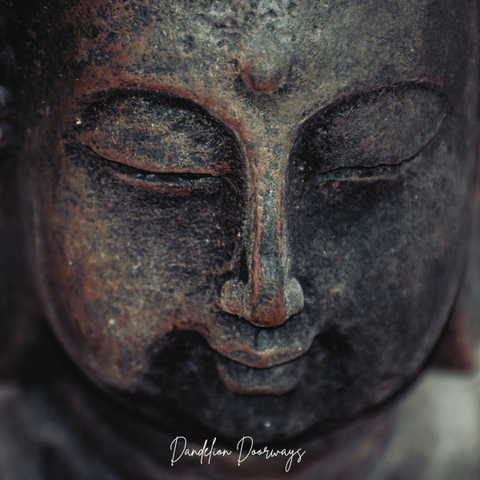
Navigating Suffering with Buddhist Wisdom

Navigating chronic illness and disability is challenging at times, often requiring us to confront unexpected setbacks and emotional hurdles. Discovering unique ways to cope, build resilience, and remain mindful is key to healing and mental well-being.

During meditation this morning, I realized that I can view my neurological disorders through the lens of the Four Noble Truths. This perspective offers a unique approach, allowing me not only to confront my struggles but also to embrace them as integral parts of my journey. I have often used the pain I experience as a path to understanding; however, I have not yet applied the Noble Truths as a process to work through health issues. By examining the nature of suffering and acknowledging its presence in my life, I can begin to explore the deeper causes behind it, leading me to cultivate mindfulness and compassion, both for myself and others who endure similar challenges. Recognizing that there is a path out of suffering encourages me to actively seek solutions and cultivate a more balanced state of being.

The four noble truths of Buddhism help us to see life through a different perspective and gain clarity on why we suffer and how to alleviate this. By understanding these fundamental principles, we begin to recognize the nature of suffering, which is an inherent part of the human experience. This realization encourages us to confront our pain rather than avoid it. The first truth identifies suffering as an unavoidable aspect of life, while the second truth explores the origins of this suffering, rooted in attachment and desire. The third noble truth offers hope, revealing that liberation from suffering is achievable, and the fourth truth provides a practical path through the Eightfold Path, guiding us on how to cultivate mindfulness, ethical conduct, and mental discipline to ultimately foster a more compassionate and fulfilled existence. Embracing these truths can transform our perception of life, allowing us to navigate our challenges with wisdom and resilience.

The Truth of Suffering (Dukkha): Life includes dissatisfaction, suffering, and pain. This encompasses obvious suffering (birth, sickness, death) and subtle dissatisfaction (impermanence, lack of fulfillment).
The Truth of the Cause of Suffering (Samudaya): Suffering is caused by craving, grasping, or thirsting for pleasure, existence, or non-existence. This stems from ignorance about the true nature of reality.
The Truth of the Cessation of Suffering (Nirodha): It is possible to end suffering and achieve a state of liberation known as Nirvana. This occurs by letting go of cravings and attachment.
The Truth of the Path (Magga): The way to end suffering is the Noble Eightfold Path, which includes cultivating right understanding, intention, speech, action, livelihood, effort, mindfulness, and concentration.

~from Lion’s Roar

On The Path Of Truth

Now, to apply this to my physical health issues, I can begin with the first noble truth of suffering. Obviously, the pain I experience can be considered suffering, manifesting itself in both a physical and emotional burden that weighs heavily on my daily life. Move on to the second noble truth – the cause of suffering could be the dysregulation of my nervous system, which might lead to heightened sensitivity to pain and an inability to process discomfort in a healthy way. On the other hand, I could look at the cause of my suffering as my intense desire to avoid pain, which creates a cycle of fear and anxiety that exacerbates my condition. By viewing physical pain as only suffering, I am missing the point of the pain, for it can also be a valuable teacher, offering insights into my body’s limits and encouraging me to explore alternative healing methods, mindfulness practices, and ultimately, a deeper understanding of my own well-being.

Photo by Summer Stock on Pexels.com

Heeding the Messenger

Pain indicates a problem with the body’s balance. If I view pain as a messenger, I immediately alleviate some suffering, as the second noble truth reminds us that suffering is due to wanting or craving things to be other than they are. This perspective shift is not merely a change in thought but a profound transformation in my relationship with my own experience of discomfort. By embracing pain as a guide rather than an adversary, I can begin to uncover underlying issues that may be affecting my well-being. I recognize that every ache and pang carries vital information about my physical state, urging me to pay attention, to adjust, and perhaps to heal. This mindful awareness opens a pathway to understanding the intelligence of my body within the message of pain, enabling me to respond with compassion rather than resistance, and thus fostering a deeper connection with myself.

Releasing Suffering

The third noble truth explains how to remove suffering by eliminating craving. When I view pain as the intelligence of my body, the craving drops away, and the message becomes clearer, revealing insights I might have otherwise overlooked. In this way, I become an active listener to my body’s wisdom, fostering a deeper connection with myself. The pain indicates energies that should be cleared out, shifted, and realigned; it serves as a guiding signal that I need to pause, slow down, and be more in tune with my own physicality and emotional landscape. It urges me to explore the underlying causes of my discomfort rather than shying away from it. When I stop demanding the pain vanish, I allow myself to truly experience this moment, embracing instead of resisting, and I stop abandoning myself in the moments it appears, cultivating compassion and understanding for my own journey through discomfort and healing.

Discovering Truth

This softening, this release of craving, naturally leads to the Fourth Noble Truth: the path of liberation. With this shift in perspective, I find that I am no longer tied to the identity of my disability; instead, I embrace a broader definition of self that transcends physical limitations. I am no longer a person in pain but a vibrant entity filled with potential and possibility. I recognize that I am body, mind, and spirit, a flowing intelligence that is deeper than I can imagine, expressing itself in myriad ways that I begin to understand when I take the time to settle, quiet my mind, and listen deeply. This internal dialogue reveals an inherent intelligence that guides me, enabling my life to become expansive, interconnected, and richly textured. Through this journey of self-discovery, I uncover facets of my being that bring joy and fulfillment, creating a tapestry of existence that is not defined by suffering but rather illuminated by resilience and hope.

Walking The Path

The shift in my relationship with pain opens naturally into the eightfold path, not as a set of rules, but as a way of living that grows from this new understanding. When I listen to my body’s wisdom, right view becomes clarity, right intention becomes gentleness, and right mindfulness becomes a simple act of staying with myself. The path becomes a lived expression of liberation, a way of moving through the world with presence, compassion, and integrity. In this way, the Fourth Noble Truth is not an ending, but an invitation, a reminder that freedom is something I practice with each breath, each choice, each moment I refuse to abandon myself.

Sometimes, we all need a gentle reminder of our truth, of the inherent sacredness that resides within us. In the midst of our hectic and hurried lives, it’s so easy to lose sight of our innate worth and our unique place in the vast cosmos. Yet, when we take a moment to pause and truly embrace each experience, we open ourselves to the wonder that surrounds us, awakening our senses and rejuvenating our spirit. Consider giving yourself the gift of stillness and sacredness throughout your day by journeying inward, as we connect with the infinite through the soothing practices of meditation and affirmations.

#4NobleTruths #8FoldPath #anxiety #awareness #balance #buddha #buddhist #buddhistWisdom #challenges #disability #eightFoldPath #experience #flow #fourNobleTruths #healing #healingMigraine #learning #lifeLessons #lupus #meditaion #meditation #mentalHealth #mentalWellness #migraine #mindful #mindfulness #moments #neurologicalDisorders #practice #resilience #wisdom

The Buddha’s Eightfold Path is a complete and practical guide to ending suffering and achieving inner peace. Its eight elements—Right View, Right Intention, Right Speech, Right Action, Right Livelihood, Right Effort, Right Mindfulness, and Right Concentration—form a harmonious way of living.
#EightfoldPath #wolink #ourbuddhismworld
https://www.ourbuddhismworld.com/archives/2955
What Is The Eightfold Path And What Are Its Eight Key Elements? - Ourbuddhismworld.com

Buddhism teaches that all living beings seek peace and freedom from suffering. The Buddha offered a clear way to achieve this freedom—the Noble Eightfold

OurBuddhismWorld

Did Buddha Create the Eightfold Path?

To answer the question, “Did Buddha create the Eightfold Path?” it is clear that Buddha did not create the path in the sense of inventing it.
#EightfoldPath #wolink #ourbuddhismworld
https://www.ourbuddhismworld.com/archives/2075

Did Buddha Create The Eightfold Path? - Ourbuddhismworld.com

Buddhism is a religion that focuses on understanding life, suffering, and the path to enlightenment. One of the core teachings in Buddhism is the Eightfold

OurBuddhismWorld
Eightfold Path is a key teaching in Buddhism that offers a way to end suffering and achieve enlightenment. It is not a book, but a set of practices that guide individuals on their spiritual journey.
#EightfoldPath #wolink #ourbuddhismworld
https://www.ourbuddhismworld.com/archives/2342
Is The Eightfold Path A Book? - Ourbuddhismworld.com

Buddhism is one of the world's oldest spiritual traditions. It was founded by Siddhartha Gautama, also known as the Buddha, around 2,500 years ago. One of the

OurBuddhismWorld

I've been a fan of #SusanPiver for years, admiring her spirit and guidance on meditation and Buddhism. I just stumbled on her "new" podcast, Buddhism Beyond Belief, with a series on The Noble Eightfold Path. Back to the Path.

#buddhism #eightfoldpath #enlightenment #spiritualgrowth #spiritualjourney

https://susanpiver.substack.com/s/podcast

Podcast | The Open Heart Project with Susan Piver | Substack

In Buddhism Beyond Belief, we will look at traditional Buddhist teachings like the four noble truths and the six paramitas and how to make it all personal and relevant in everyday life. New episodes on Fridays. Click to read The Open Heart Project with Susan Piver, a Substack publication with thousands of subscribers.

Which Religion Is the Wheel of the Noble Eightfold Path From

The Noble Eightfold Path is a fundamental teaching in Buddhism. It is a guide to end suffering and reach enlightenment.
#EightfoldPath #wolink #ourbuddhismworld
https://www.ourbuddhismworld.com/archives/3227

Which Religion Is The Wheel Of The Noble Eightfold Path From - Ourbuddhismworld.com

The Noble Eightfold Path is a fundamental teaching in Buddhism. It is a guide to end suffering and reach enlightenment. The Path is like a wheel with eight

OurBuddhismWorld
The Eightfold Path is not part of Taoism. It comes from Buddhism. But both religions teach us to live better lives. They ask us to be kind, aware, and balanced.
#EightfoldPath #wolink #ourbuddhismworld
https://www.ourbuddhismworld.com/archives/2620
What Is The Eightfold Path In Taoism? - Ourbuddhismworld.com

The Eightfold Path is a central concept in Buddhism. It is a path to end suffering and reach enlightenment. However, many people ask, "Is there an Eightfold

OurBuddhismWorld
The Eightfold Path is a powerful guide to moral living. Each part supports the others, creating a complete system for a good life. It builds wisdom, compassion, and discipline.
#EightfoldPath #wolink #ourbuddhismworld
https://www.ourbuddhismworld.com/archives/2959
How Does The Eightfold Path Shape Morals? - Ourbuddhismworld.com

The Eightfold Path is one of the core teachings in Buddhism. It is a practical guide to end suffering and live a good life. The path is part of the Four Noble

OurBuddhismWorld
A Precept For The New Year My New Year's thought one year ago. This year, too. rustyring.blogspot.com/2025/01/a-pr... #EightfoldPath, #enlightenment, #hermitpractice, #NewYears, #precept #vow, #Zen

A Precept For The New Year

Right action isn't optional.