 HawaiiGuide
Kona Winds in Hawaii: What Happens When the Trade Winds Stop https://www.hawaii-guide.com/blog/hawaii-kona-winds-visitor-guide?utm_source=dlvr.it&utm_medium=mastodon #KonaWinds #Hawaii #TradeWinds #HikingInHawaii #HawaiiTravel
Coriolis Effect ✍️
It explains why objects moving across a rotating world seem to curve from their straight path, even when no visible force pushes them sideways. Imagine throwing a ball straight across a spinning merry-go-round. To someone standing still outside, the ball travels in a straight line. But to someone riding the spinning platform, the ball appears to bend away from its path.
The same thing happens on Earth because our planet is constantly rotating beneath everything that moves. Air currents, ocean flows, and even long-range projectiles travel over a surface that is turning while they move. This creates the illusion of a sideways force, known as the Coriolis effect.
In the Northern Hemisphere, moving objects appear to bend to the right, while in the Southern Hemisphere they bend to the left. The effect grows stronger over larger distances and faster motions, but becomes almost unnoticeable in small, everyday movements.
Scientists use this effect to understand the spinning of hurricanes, the paths of trade winds, and the circulation of oceans. It reveals that motion is not always as simple as it seems when the ground beneath us is constantly in motion itself.
#CoriolisEffect #EarthScience #Physics #ScienceFacts #Geography #Meteorology #ClimateScience #Atmosphere #OceanCurrents #WeatherScience #Hurricanes #TradeWinds #PlanetEarth #EarthRotation #ScienceEducation #STEM #LearnScience #ScientificKnowledge #ScienceExplained #NatureOfScience #PhysicalGeography #FluidDynamics #EarthSystems #ScienceLovers #DidYouKnow #EducationalContent #KnowledgeSharing #CuriousMinds #ScienceCommunication #ExploreScience

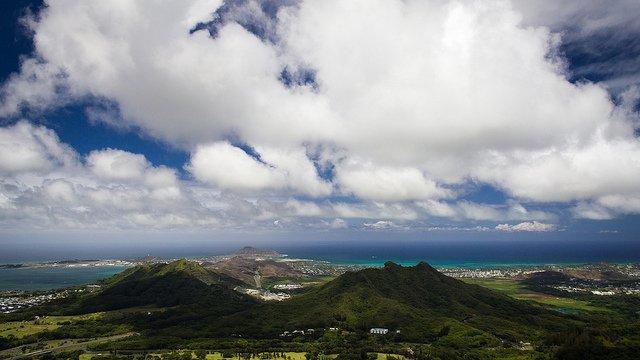
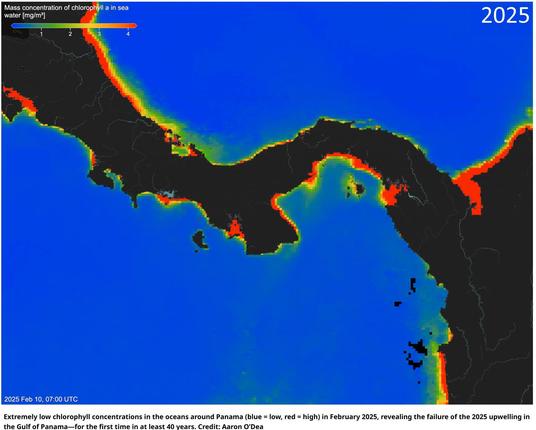
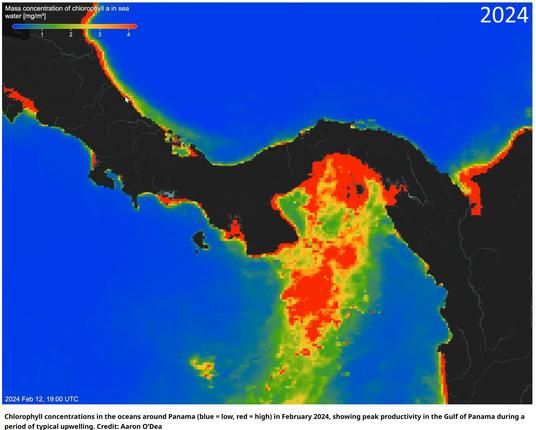
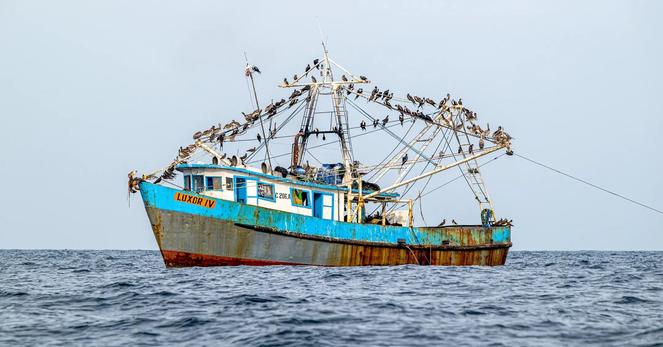
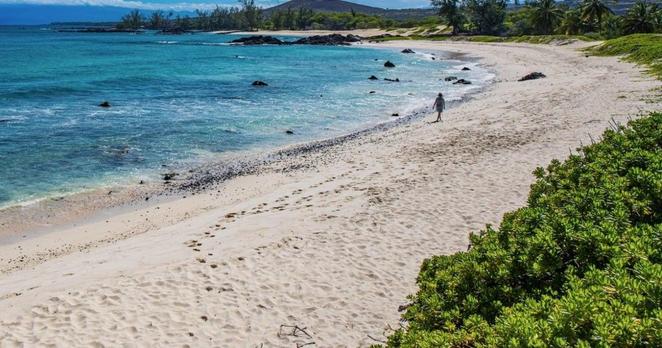
This week''s #TuneTuesday theme is #AtTheBeach. Here's a small selection of relevant songs from the mid-sixties:
The Shangri-Las: Remember (Walking In the Sand) (1964)
https://www.youtube.com/watch?v=KlwmyNmrSYw
The Beach-Nuts: Out In The Sun (Hey-O) (1965)
https://www.youtube.com/watch?v=jt2KKDPrbqE
The Pleasures: Let's Have A Beach Party (1965)
https://www.youtube.com/watch?v=AaT3VJpcgcs
The Trade Winds: Summertime Girl (1965)
https://www.youtube.com/watch?v=jpEwjoOw4ts
The Drifters: Under the Boardwalk (1964)
https://www.youtube.com/watch?v=PSddD6w5SKc


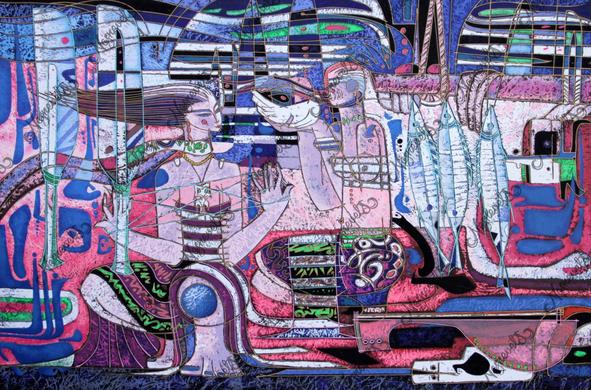
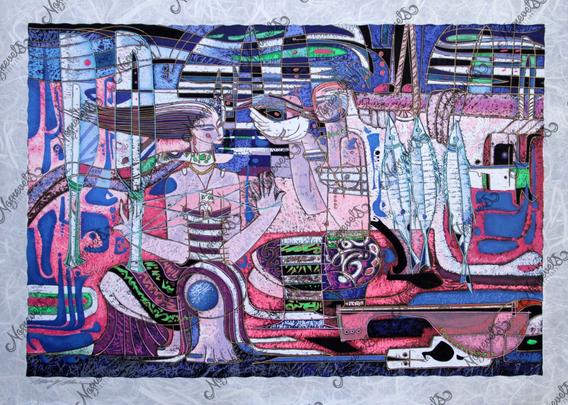
Tradewinds
Serigraph
Limited Edition of 100
27.5" H x 40" W
1988
Adrian Wong Shue
Prints now available!
https://www.adrianwongshue.com/product-page/tradewinds
#Tradewinds #Gouache #Painting #Serigraph #Art #1988 #Figures #Abstract #Bird #AdrianWongShue #ArtForSale #Jamaican #Chinese #yunnan #contemporaryart #fineart #collector #curator
 Pustam | पुस्तम | পুস্তম🇳🇵
 💧🌏 Greg Cocks
 Barbara Monaco
 martinosacchi60
 Calvin Gluck
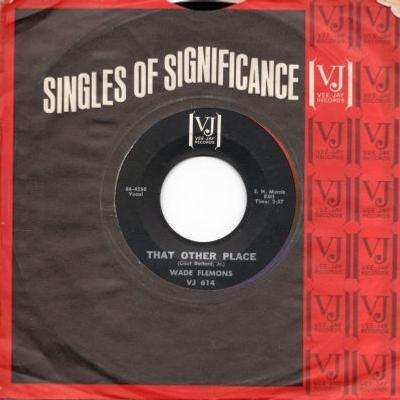 That Other Place
 Benjamin Carr, Ph.D. 👨🏻💻🧬
 Nosnevets