#California - #RoseCreek #HabitatRestoration

April 17, 2026 - 9:00 AM to 12:00 PM

#PacificBeachCA 92109

"Join the #SanDiegoBirdAlliance and #FriendsOfRoseCreek for #riparian habitat restoration.

Thank you San Diego Bird Alliance for leading the third Friday work parties.

During this maintenance event with the San Diego Bird Alliance, we will be removing invasive species, potentially watering new, planted native plants and learning about the riparian habitat. More than 30 species of #birds depend on this space during this time of year. Help us provide healthy #biodiversity to support all the wildlife in the area.

What to bring: Refillable water bottle, close-toed shoes, weather appropriate attire, hat and sunscreen

What is provided: All necessary tools, snacks and water.

The Native Plant Garden along Rose Creek was started in the 1990s by The Nature School. Help us care for and expand this special place."

FMI:
https://saverosecreek.org/events/habitat-restoration-10/

#SolarPunkSunday #RestoringNature #Rewilding #NativePlants #BuildingCommunity #SpendTimeInNature #CaliforniaEvents #Birds #WildlifeHabitat #HabitatRestoration

#Coccoloba #RiverOaksPreserve Plant Sale and Workday

Tue Mar 31, 2026 9:00 AM - 1:00 PM

Estero's River Oaks Preserve
9541 Broadway Ave E, Estero, FL 33928

"Estero’s River Oaks Preserve is a passive recreational area with a strong focus on concepts of simplicity, natural/native care of the land, #sustainability, and being 'one with nature.' This property will expose visitors to a lesser-known side of Florida – one with shiny blueberries, #hogplums, #GopherApple, #ButterflyMilkweed and where the gopher tortoises live.​

This Project is a partnership between the Coccoloba Chapter of the Florida #NativePlant Society and the Village of #Estero. Support includes USDA Natural Resources Conservation Service, #Audubon of Southwest #Florida and others.

Volunteer hours are Sundays and Tuesdays from 9-1. Come check us out!

Throughout the property, you will find:

- cabbage palm (Sabal palmetto)
- common fanpetals (Sida ulmifolia)
- common ragweed (Ambrosia artemisiifolia)
- kiss-me-quick (Portulaca pilosa)
- laurel oak (Quercus laurifolia)
- live oak (Quercus virginiana)
- Poor-man's-pepper (Lepidium virginicum)
- southern river sage (Salvia misella)
- Spanish needles (Bidens alba)
- tropical sage (Salvia coccinea)
- whitemouth dayflower (Commelina erecta) "

Learn more:
https://www.riveroakspreserve.org/river-oaks-preserve.html

#SolarPunkSunday #FloridaEvents #NativePlants #SpendTimeInNature #NaturePreserve

River Oaks Preserve

ESTERO'S RIVER OAKS PRESERVE ​9541 BROADWAY EAST ​ ESTERO, FL 33928

The Coccoloba and Naples Chapters of the Florida Native Plant Society

#FeathersOverFreeport On May 16 - Save the Date!

"Feathers Over Freeport, a birding festival for all ages, will be held on Saturday, May 23, 8:00 a.m. to 4:00 p.m. at Bradbury Mountain State Park, Pownal, and on Sunday, May 24, 10:00 a.m. to 2:00 p.m. at Wolfe's Neck Woods State Park.

The event includes #birdwatching for all ages and activities for children.

More details coming soon at the Feathers Over Freeport webpage [linked below]."

https://www.maine.gov/dacf/parks/discover_history_explore_nature/activities/feathers_over_freeport.shtml

#SolarPunkSunday #SpendTimeInNature
#MaineEvents #PownalME #FreeportME #WolfesNeckWoods #BradburyMountainStatePark #MaineStateParks #Birdwatching

#Maine - #Hawkwatch on Bradbury Mountain: Daily through May 15

"Watch the spring migration of hawks from the top of #BradburyMountain beginning March 15, from 9 AM to 5 PM daily through May 15. Hawk Counters will share the joys of hawk watching as they make their observations and record species information. #HawkCounter Zane Baker is returning for his record 7th season! The Hawkwatch was initiated by Jeannette and Derek Lovitch in 2007 to quantify the extent and duration of the northbound raptor flight over Bradbury Mountain State Park. Daily counts of all raptor and vulture species are posted at the summit, submitted to the Hawk Migration Association of North America, and posted to the BIRDHAWK Listserv. For a quick but steep hike take the Summit Trail. For a 1-mile gentle ascent to the summit take the Northern Loop Trail." - Chris Silsbee, Manager of Bradbury Mt. State Park

Trail map:
https://www.maine.gov/dacf/parks/docs/maps/bradburymountaintrailmapwest.pdf

Hawkwatch website:
https://www.freeportwildbirdsupply.com/bradbury-mountain-hawkwatch

Hawkcount website:
https://www.hawkcount.org/month_summary.php?r=on&rsite=616&go=Go+to+site

#SolarPunkSunday #SpendTimeInNature #MaineEvents #PownalME #BradburyMountainStatePark #MaineStateParks #Birdwatching

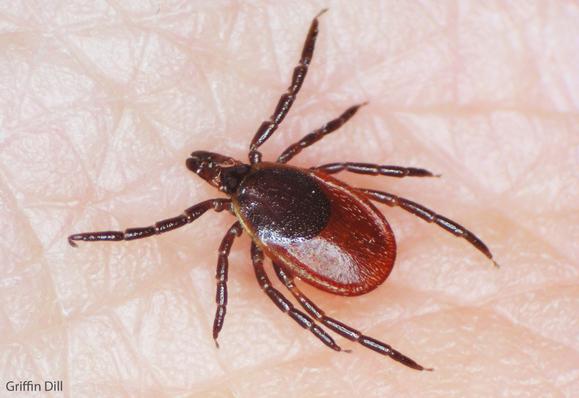
One more #Tick post, then I'll be moving onto other topics...

#TickIdentification: #NorthAmerica

"Tick Identification is extremely important for a number of reasons; the most important of which, is figuring out what pathogens a tick may carry (and transmit). While it’s typically much easier to identify an adult tick, immature ticks can also transmit diseases.

Of the 800+ species of ticks found throughout the world, only a few are known to bite and transmit disease to humans. There are nine are found in the United States. Naturally occurring populations of the ticks described on this website do not occur in Alaska, however, the brown dog tick is endemic to Hawaii."

Learn more (includes graphics):
https://ticksafety.com/tick-identification/

#SolarPunkSunday #TickSafety #TickIdentification #SpendTimeInNature #BeSafeOutdoors

#TickIdentification in #WashingtonState

Hard Ticks (Ixodidae)

#WesternBlackLeggedTick (Ixodes pacificus)

Western black-legged ticks can transmit Borrelia burgdorferi, the bacteria that causes Lyme disease. It can also transmit the pathogen that causes anaplasmosis. These ticks are mainly found in Western Washington as well as along the eastern slopes of the Cascade Mountains. They live in forested, oak savannah, or brushy areas. See CDC's map of where Ixodes pacificus has been found.

#WesternDogTick

Western dog ticks live primarily in eastern and parts of southwest Washington. They prefer woodland areas, medium height grasses and shrubs between wetlands and woods, and sunny or open areas around woods. Adult western dog ticks are common pests of dogs while larvae and nymphs prefer feeding on small mammals like rodents and rabbits.

#RockyMountainWoodTick (Dermacentor andersoni)

The Rocky Mountain wood tick’s life cycle may require up to two to three years for completion. Adult wood ticks feed primarily on large mammals while the larvae and nymphs feed on small rodents and rabbits. These ticks are found primarily on the eastern side of the state. They prefer woodland areas, medium height grasses and shrubs between wetlands and woods, and sunny or open areas along the edge of woods. Rocky Mountain wood ticks and western dog ticks look very similar to each other.


#SoftTicks (Argasidae)

Ornithodoros hermsi is the vector for tick-borne relapsing fever. Tick-borne relapsing fever is usually linked to sleeping in rustic, rodent-infested cabins in mountainous areas. Because soft ticks usually feed at night and remain attached for a very short time, most people never realize a tick bit them."

Learn more (includes photographs and resources):
https://doh.wa.gov/community-and-environment/pests/ticks/tick-photo-gallery

#SolarPunkSunday #TickSafety #WesternUS #TickIdentification #SpendTimeInNature #BeSafeOutdoors

Tick Photo Gallery

Hard Ticks (Ixodidae) Western Black-legged Tick (Ixodes pacificus) Western black-legged ticks can transmit Borrelia burgdorferi, the bacteria that causes Lyme disease. It can also transmit the pathogen that causes anaplasmosis.

Washington State Department of Health

#Ticks of #Maine

"There are fifteen different tick species that have been found in Maine, though not all are permanent residents. Some may arrive in the state on wildlife hosts and do not establish viable populations. Other species have thrived in Maine and are now widespread throughout much of the state. The biology and ecology of ticks can vary significantly based upon species and can determine the level of threat each species poses.

The Most Commonly Encountered Tick Species of Maine:

- Blacklegged Tick or #DeerTick (Ixodes scapularis)
- American #DogTick (Dermacentor variabilis)
- #WoodchuckTick (Ixodes cookei)

Other Tick Species Found in Maine:

- Brown Dog Tick or Kennel Tick (Rhipicephalus sanguineus)
- Gulf Coast Tick (Amblyomma maculatum)
- Ixodes angustus
- Ixodes brunneus
- Ixodes dentatus
- Ixodes gregsoni
- #LoneStarTick (Amblyomma americanum)
- Mouse Tick (Ixodes muris)
- Rabbit Tick (Haemaphysalis leporispalustris)
- Seabird Tick (Ixodes uriae)
- Squirrel Tick (Ixodes marxi)
- Winter Tick or Moose Tick (Dermacentor albipictus) "

Learn more about each species:
https://extension.umaine.edu/ticks/maine-ticks/

#SolarPunkSunday #TickIdentification #SpendTimeInNature
#BeSafeOutdoors #Ticksafety #MaineTicks #TicksInMaine

Ticks of Maine - Tick Lab - University of Maine Cooperative Extension

There are fifteen different tick species that have been found in Maine. Deer ticks and American dog ticks are most commonly encountered species. Learn more about the ticks in Maine.

Cooperative Extension: Tick Lab

#Tick tips from #TheFarmersAlmanac

7 Natural Tick Remedies That Work

Tick season is upon us. Try these natural and effective remedies and strategies to repel these nasty parasites without harmful chemicals.

by Deborah Tukua and Natalie LaVolpe Updated: July 18, 2025

"#DeerTicks and #DogTicks are growing in numbers and concern. Not only are they a nuisance, they carry many dangerous illnesses including Lyme disease. According to the CDC there are over 300,000 estimated new cases of #LymeDisease in the United States each year. Learn more facts and see our suggestions for effective natural #TickRepellents ."

Learn more:
https://www.farmersalmanac.com/7-natural-tick-remedies-work

#SolarPunkSunday #TickSpray
#TickRepellent #EssentialOils #NoDeet #SpendTimeInNature #BeSafeOutdoors #TickSafety

7 Natural Tick Remedies That Work

The CDC reports that there are over 300,000 new cases of Lyme Disease in the US each year. These effective natural tick repellents ...

Farmers' Almanac - Plan Your Day. Grow Your Life.

Some really good ideas here... Replacing #TallGrasses with #Sedges, getting rid of #Periwinkle (though maybe not all of it, since it is an early flowering plant), replacing #Pachysandra with #SweetWoodruff, etc., etc.

17 #TickAttracting Plants You Should Avoid In Your Yard (And What To Grow Instead)

By Hattie Grigsby
July 15, 2025

"A stunning yard shouldn’t double as a tick playground—but surprisingly, some popular landscape plants invite them in. Dense groundcovers like pachysandra or #ivy create cool, shaded spots where ticks love to hide, making your outdoor space riskier than it looks.

"Swapping those out for smarter choices can make a big difference. Consider tick-resistant alternatives like #lavender, #rosemary, or ornamental grasses—plants that still offer beauty without creating cozy tick hangouts. Plus, many of these double as #PollinatorFriendly and #DroughtTolerant options."

https://positivebloom.com/tick-attracting-plants-you-should-avoid-in-your-yard-and-what-to-grow-instead/

#SolarPunkSunday #TickRepellents #SpendTimeInNature #BeSafeOutdoors #TickSafety #Gardening

17 Tick-Attracting Plants You Should Avoid In Your Yard (And What To Grow Instead)

Boost curb appeal fast with 18 July bloomers—no redesign needed. These vibrant flowers add instant charm, color, and seasonal beauty.

Positivebloom

So, we have #Catnip, #LemonBalm and #Thyme growing in our backyard -- and they seem to help keep the #ticks down. And the bees love them -- especially the catnip!

17 Tick-Proof Plants That Create Safe Zones Around Your Home

By Ashley Gilbert
Posted on Last updated: June 1, 2025

"Some plants naturally repel ticks thanks to their scent or texture, creating little buffer zones between your home and the areas ticks like to hang out. It’s a low-effort, long-term way to make your yard safer for kids, pets, and anyone who’d rather not deal with a bite. These 17 plants don’t just look good—they’re working quietly in the background to help keep ticks at bay."

Read more:
https://plantisima.com/tick-proof-plants-that-create-safe-zones-around-your-home/

#SolarPunkSunday #TickRepellents #SpendTimeInNature #BeSafeOutdoors #Ticksafety

17 Tick-Proof Plants That Create Safe Zones Around Your Home - Plantisima

Ticks are one of those problems you don’t think about—until you have to. They show up quietly, often brought in by pets or hiding out …

Plantisima