Nanoparticles of Different Nature in Plant Biotechnology: Effectiveness, Safety, and Prospects of Application - Cytology and Genetics

Abstract Data on the biological activity of nanoparticles of various natures—metallic (Ag, Cu, Zn, Ti), silicon (Si), and carbon nanomaterials—on plants are summarized. Their influence on the growth, development, and resistance of plants to biotic and abiotic stresses at the molecular, cellular, and organismal levels is considered. Special attention is paid to nanoparticles obtained by “green” synthesis, which are characterized by high bioactivity, biocompatibility, stability, and environmental safety. The physiological and biochemical effects of the action of nanoparticles are analyzed, in particular their influence on seed germination, photosynthetic activity, antioxidant system, expression of stress-induced genes, etc. It has been demonstrated that biosynthesized nanoparticles cause a positive effect without toxicity in most cases, while chemically synthesized analogues can cause significant negative changes in plants. The advantages of biosynthesized nanoparticles are emphasized: their high level of environmental safety, fungicidal, antibacterial, and antiviral activity. The need for further research to optimize dosage, methods of application, and assessment of long-term effects of nanomaterials, taking into account the balance between efficiency and environmental safety, is emphasized. The obtained results demonstrate the prospects for the use of nanomaterials in cell biology, physiology, and biotechnology of plants.

SpringerLink
What If Your Car Paid For Its Own Fuel By Manufacturing Battery Materials? | Minds

...attery Materials?.

Minds
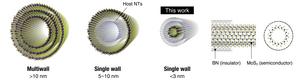
L’ingrédient-clé recherché depuis 20 ans pour produire des #nanotubes #supraconducteurs était sous nos yeux depuis le début Dans un laboratoire, un #pot de #sel banal a permis de résoudre un casse-tête que les #physiciens poursuivaient depuis vingt ans. media24.fr/2025/11/11/l...

L'ingrédient-clé recherché dep...
L'ingrédient-clé recherché depuis 20 ans pour produire des nanotubes supraconducteurs était sous nos ...

Dans un laboratoire, un pot de sel banal a permis de résoudre un casse-tête que les physiciens poursuivaient depuis vingt ans. Une équipe internationale de chercheurs vient de créer pour la première fois des nanotubes métalliques stables en disulfure de niobium, un matériau connu pour ses propriétés supraconductrices. L’ingrédient-clé de…

Media24.fr

L’ingrédient-clé recherché depuis 20 ans pour produire des #nanotubes #supraconducteurs était sous nos yeux depuis le début

Dans un laboratoire, un #pot de #sel banal a permis de résoudre un casse-tête que les #physiciens poursuivaient depuis vingt ans.

https://media24.fr/2025/11/11/lingredient-cle-recherche-depuis-20-ans-pour-produire-des-nanotubes-supraconducteurs-etait-sous-nos-yeux-depuis-le-debut/

L'ingrédient-clé recherché depuis 20 ans pour produire des nanotubes supraconducteurs était sous nos ...

Dans un laboratoire, un pot de sel banal a permis de résoudre un casse-tête que les physiciens poursuivaient depuis vingt ans. Une équipe internationale de chercheurs vient de créer pour la première fois des nanotubes métalliques stables en disulfure de niobium, un matériau connu pour ses propriétés supraconductrices. L’ingrédient-clé de…

Media24.fr

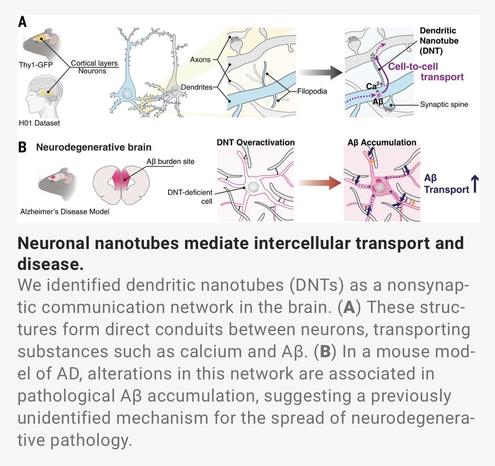
🧠 #Neurons can communicate via a hidden network of #nanotubes, new study finds. Chang et al. (2025) show that dendritic nanotubes (DNTs) are #actin-based #dendrite-to-dendrite conduits transferring Ca²⁺ and molecular cargo (incl. #Aβ), rising before plaque deposition in mouse #cortex. This overlooked pathway may expand our view of neuronal communication beyond #synapses:

🌍 https://www.science.org/doi/10.1126/science.adr7403

#Neuroscience

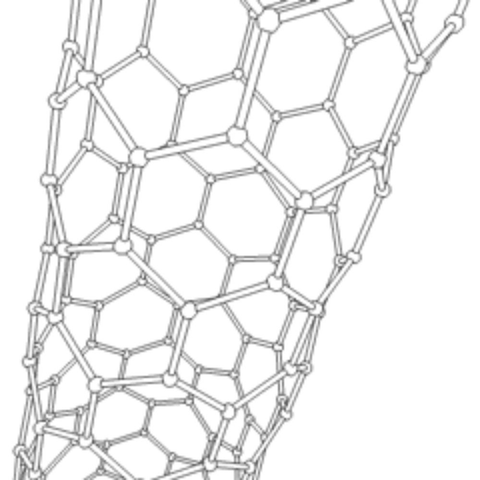
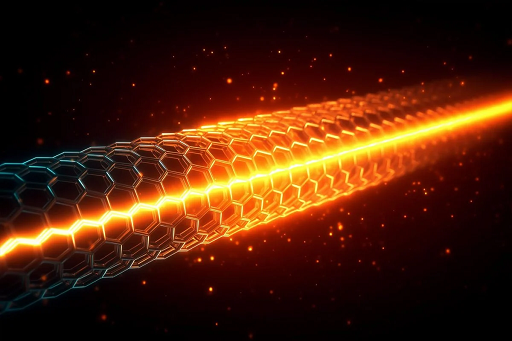
#Carbon #Nanotubes (CNTs) are cylindrical structures made entirely of carbon atoms, essentially a rolled-up sheet of graphene with diameters in the nanometer range. These fascinating nanomaterials possess extraordinary properties, including exceptional strength, high electrical and thermal conductivity, and a large surface area.

Their characteristics make them promising for diverse applications in electronics, composite materials, energy storage, and biomedicine.

https://knowledgezone.co.in/trends/browser?topic=Carbon-Nanotube

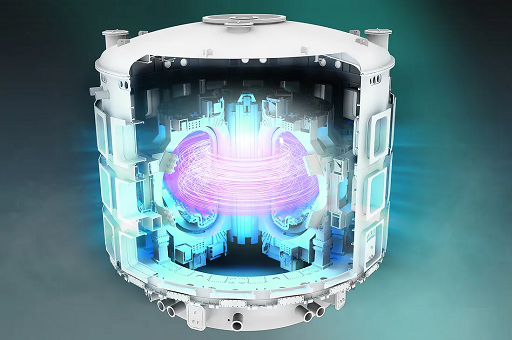
#Fusion #Energy’s #Secret #AchillesHeel May Have Been Solved : Medium

New #Light #Trick in #Carbon #Nanotubes Could Boost #SolarPower : Sci Tech

A new #AI #Translation system for #Headphones clones multiple voices simultaneously : Tech review

Check our latest #KnowledgeLinks

https://knowledgezone.co.in/resources/bookmarks

SciTech Chronicles. . . . . . . . .Mar 15th, 2025

  Mundus sine Caesaribus Vol II No 67 299 links Curated Nanomaterials could be used in more accurate sensors for healthcare. https://www.sci...

The Role of Aquaporins and Carbon Nanomaterials in Abiotic Stress in Plants - Cytology and Genetics

Abstract The homeostasis and survival of a plant cell is determined by the stability of its internal environment due to the controlled movement of various molecules and ions into the cell and intercellular space and are provided by the plasma membrane. Aquaporin membrane channel proteins are one of the important components of the plant cells. Plants are characterized by a large number and variety of these proteins, which have different localization, properties, and specificity. The functions of aquaporins are not limited to the transport of water, ions, and individual small molecules; these membrane proteins also play an important role in the development of the reaction-response of plants to the action of biotic and abiotic stress factors. Unfavorable growth conditions cause a change in the activity of aquaporins at transcriptional, translational, and posttranscriptional levels. Modern scientific data on the role of aquaporins in the implementation of the plant’s protective response to the action of various abiotic factors that change the osmotic balance and intracellular homeostasis were analyzed in the review. The effect of carbon nanomaterials (graphene, single- and multiwalled nanotubes, fullerene) on the regulation of the functional activity of aquaporins of various subfamilies and the expression of relevant genes under the influence of abiotic stresses on plants were also characterized.

SpringerLink