Modula-2, UCSD P-System, and the birth of Scala
I stumbled across this tidbit from Hacker News.
I never liked that #Borland stuffs. And used to program in #Pascal in #UCSD P-system (my alma mater). When I got to the US Department of Defense they wanted me for my #C and #COBOL skills and then they sent me to an Air Force School where I studied Modula-2 and Ada.
I did a lot of work in Modula-2, which doesn't exist anymore. Modula-3 does, but in the meantime Scala was in the works. #Ada is still actually a thing. We didn't want clever, like those one liner #Perl challenges that folks use to put in their signature lines to demonstrate how clever they thought they were through obfuscation.
Clever is bad. Clever opens up a whole universe of unexpected behavior and potential vulnerabilities. Maybe that's why #Rust became so organically popular - because it's safe by design and nowadays it's included in the Linux kernel more and more.
When you're designing software for missle guidance systems you most certainly do not want clever. The job is simple and ambiguity is potentially catastrophic in warfare.
Anyway, I really enjoyed this interview, I can identify with the #Timex_Sinclair - my dad bought me one and that membrane keyboard was horrendous, but I was persistent and eventually I was writing code in cutting edge languages on mainframes and #Vaxen.
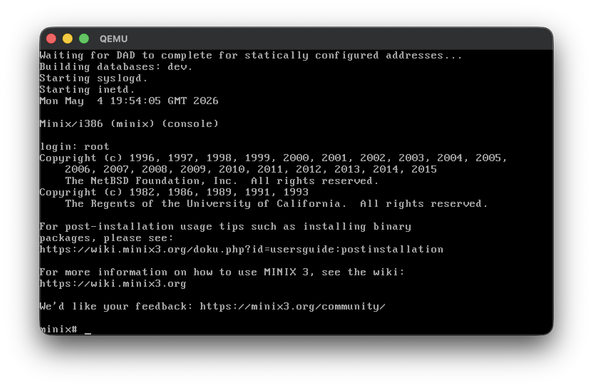
Many of the stories about how one thing or another came about were through frustrations; like the impetus for #Linus the #Linux kernel coz #MINIX just didn't cut it, and who wants to trodge through snow drifts in #Helsinki to the computer lab when you can be warm and cozy, drinking beers in your dorm room?
This story is kinda like that too, which I can really appreciate, even though I've never played with #Scala.
I hope you enjoy it too.
https://www.artima.com/articles/the-origins-of-scala
#tallship #FOSS #Modula_2 #Modula_3
⛵
LINUX podría ser UNA COPIA ILEGAL de MINIX