 Health Self Defense ❤️🔥😷
Depression is not caused by a lack of serotonin.
The lie of the serotonin hypothesis and how decolonizing also means letting go of bioessentialism
https://healthselfdefense.substack.com/p/depression-is-not-caused-by-a-lack
Over the last century, the disease-centered model for addressing “depressive behaviors” has become just another problem to solve, rather than the appealing solution it appears to be for the general population. We say appealing because for many people, evading responsibility by claiming that “it’s not me, or our circumstances, the problem is your brain” is a huge relief for protecting our short-term self-esteem.
It seems that asserting, without any evidence, that the problem of our excessive sadness and anhedonia lies in the brain poses no problem for anyone. Students have to make less effort to understand the phenomenon, professionals must treat most patients the same way, without considering their life context, and for the general population, it’s a great way to easily explain problems they are likely partly responsible for.
WHAT IS THE “SEROTONIN HYPOTHESIS”?
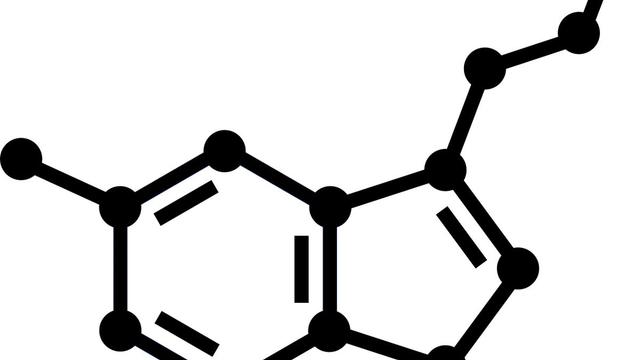
The serotonergic hypothesis posits that one of the main causes of depression (depressive responses) is related to a significant deficiency or absence of the neurotransmitter/biomolecule serotonin in the brain. The context of the monoamine hypothesis (dopamine, serotonin, norepinephrine, etc.) emerged in 1963 when Carlsson and Lindqvist discovered that neuroleptic drugs tested for the treatment of schizophrenia increased the turnover and quantity of dopamine in the brains of rodents.
However, despite serotonin being a chemical neurotransmitter traditionally associated with mood regulation in the nervous system, and despite the significant scientific advancements in its research, all efforts to empirically validate the serotonin hypothesis for depression have failed.
THE CONSEQUENCES OF PSYCHOLOGISTS’ LACK OF SELF-CRITICISM
Supporting a disease-centered model, and the biological alteration of serotonin as the cause of “depressive” behaviors, does not help students and professionals critically review the full range of theoretical approaches, while ignoring vast areas of theory and research and contradicting the principles of social work ethics and practice, including the crucial role of families and culture, client strengths and empowerment, and the individualized approach to each case.
The only certainty we have about the “serotonin hypothesis” is that things are always happening in the brain, no matter what we do. Interestingly, in many psychology and psychiatry clinics, they simply use questions and descriptions about our behavior, about whether we have been suffering excessively in recent months, to diagnose “depression,” without performing biological tests that demonstrate brain deficits of serotonin, which is supposedly where “depression” originates and resides. “An explanation is not more scientific simply because it is expressed in neurobiological terms.”
GENETIC STUDIES DISMANTLE THE “SEROTONIN THEORY”
If there truly were a lack of serotonin (or if serotonin receptors were less sensitive), genetic studies of serotonin-related biomolecules should demonstrate an alteration associated with high levels of homovanillic acid in cerebrospinal fluid, which has not been demonstrated in any conclusive study. Similarly, hormonal studies are inconclusive, having shown no abnormalities or differences in growth hormone and prolactin levels in subjects diagnosed with “depression.”
And most importantly, there are no conclusive studies linking an imbalance between serotonin 5-HT1A receptors and SERT (serotonin transporter) levels. As an explanation for these failures, we can say that, at the outset of the hypothesis, it was probably not foreseen that we would currently possess the tools to detect imbalances in the genes involved in serotonin production.
PSYCHOTROPIC MEDICATIONS ARE NOT PROOF OF ANYTHING
In general, any psychological and psychiatric treatment should always begin with the assumption that psychotropic medications are only a “complementary treatment” for people’s suffering, and not a sole and definitive treatment. However, the irresponsible and widespread use of “antidepressant” psychotropic medications has been justified by the idea that they act by correcting underlying biological abnormalities that produce suffering and behavioral problems. Although, as we have already seen, there is no evidence of such biological abnormalities in the brain of a person labeled with “depression.”
Unfortunately, therapeutic manipulation, a lack of information about the side effects of psychotropic drugs, censored accounts of lives ruined by SSRIs, and the prescription of “drug cocktails” are commonplace. Despite the fact that, in most cases, after taking an “antidepressant,” what is observed is simply the effect of the drug, and not relief or a change in the psychological root of the patient’s problem. “Antidepressants don’t solve your problems, they put them on ‘pause.’”
THE PHILOSOPHY OF SCIENCE DISMANTLES THE “SEROTONIN HYPOTHESIS”
According to Popper, the “serotonin hypothesis” has low falsifiability due to its lack of specificity (even abstraction). In this case, if one prediction about serotonin was not confirmed, another easily took its place, making it almost indestructible. According to Kuhn, we can assume that the “serotonin paradigm” has endured because a sufficiently prominent and more successful alternative hypothesis was never developed, so there has never been a real crisis that would incentivize an update and conversion of that paradigm.
According to Lakatos, the “serotonin hypothesis” is more accurately described as a degenerative than a progressive research program, due to its numerous failed predictions and many ad hoc alterations to the main hypothesis, resulting in the hypothesis’s core being excessively distorted.
 keyofG
 Loki Gwynbleidd 😷🏴🎨

 Zeph
Zeph &Cætera_et_caetera


 AutoDefensa Sanitaria
