Early Release – Novel Highly Pathogenic Avian Influenza A(H5N1) Virus, Argentina, 2025 – Volume 31, Number 12—December 2025 – Emerging Infectious Diseases journal

Disclaimer: Early r…
#NewsBeep #News #Headlines #Argentina #avianinfluenza #backyardpoultry #geneticshift #genotypeB3.2 #H5N1 #HighlyPathogenicAvianInfluenza #influenza #Latvia #LV #notifiabledisease #reassortment #respiratoryinfections #SouthAmericanlowpathogenicityavianinfluenza #viralgenome #viruses
https://www.newsbeep.com/305846/

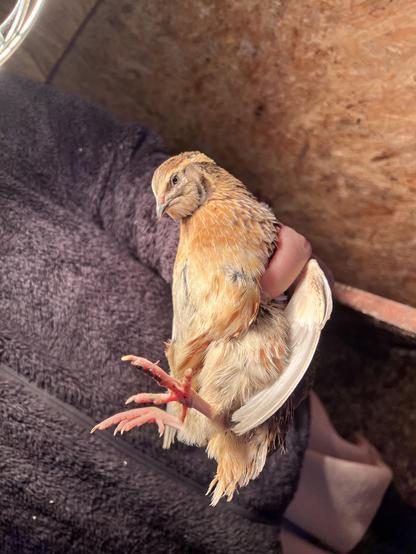
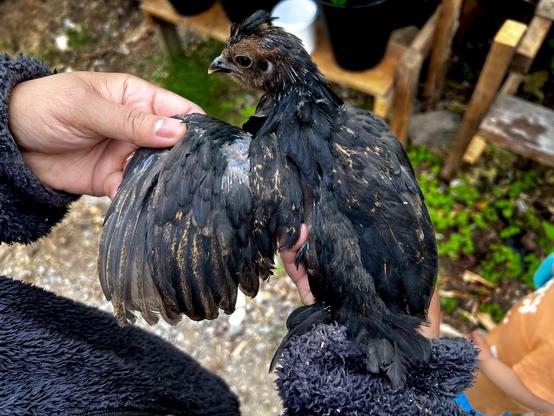
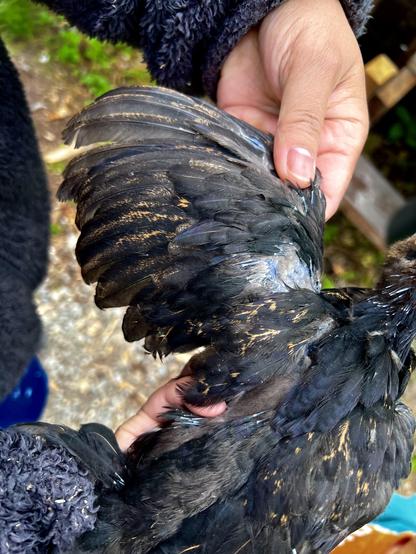
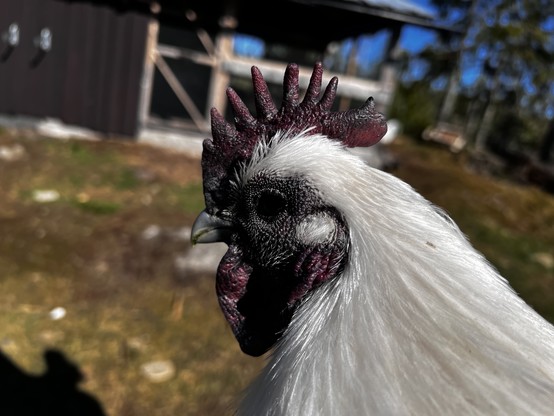
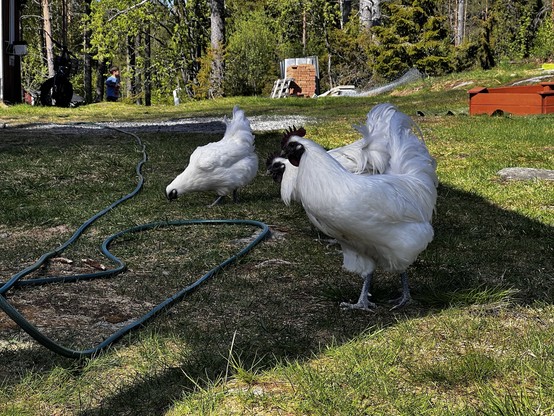
In the latest hatch experiment (f2) two came out with fluffy cheeks 🤣 no idea where that trait comes from! the white feathered one is of particular curiosity as it has a sort of "white coat" on top of its base black.

looking forward to see what they will turn out as once fully adults!

#backyardchicken #chicken #backyardpoultry #breeding

#BackyardPoultry face #BirdFlu risk when migrating #mallards stop to rest

February 24, 2025

Summary:
Knowing where, when and for how long mallard ducks -- natural carriers of avian influenza -- stop and rest as they migrate can help predict the probability that they will spread bird flu to backyard poultry flocks, according to a new study.

"Knowing where, when and for how long mallard ducks -- natural carriers of avian influenza -- stop and rest as they migrate can help predict the probability that they will spread bird flu to backyard poultry flocks, according to a Cornell University study.

"The finding, published in Scientific Reports, takes an important step in explaining the transmission dynamics of bird flu, a strain also known as Highly Pathogenic Avian Influenza (#HPAI), and could one day inform people with backyard poultry of the best times to take extra precautions to isolate their birds from wild ones.

"The researchers used a computer model to predict infection risk to backyard poultry, resident mallards and overwintering mute swans in Croatia, which serves as a stopover area for both migratory mallards and the swans.

"While #mallards tolerate avian influenza well, it is fatal to #MuteSwans; the dead birds can serve to alert people to the presence of bird flu that is otherwise hard to detect in the wild.

"Though Croatia served as a study system in this paper, the results are relevant to other places, including the #UnitedStates.

"'The virus has jumped independently at different times from wild birds to dairy cows,' said Sebastian Llanos-Soto, a doctoral student in the lab of senior author Renata Ivanek, professor of epidemiology.

"'There is an urgent need to improve our ability to predict the introduction of avian influenza at the wildlife-domestic animal interface and our study contributes to this goal,' Llanos-Soto said.

"In the study, the computer model was informed with migratory data, with migratory mute swans arriving in Croatia between September and November to winter and returning to breeding grounds between February and April.

"Mallards arrive between October and November for a stopover of seven to 28 days before continuing on their migration through the Mediterranean-Black Sea flyway.

"The model simulated the transmission of HPAI in an area considered to be of high risk for introduction into #poultry farms via #waterfowl.

"The model was validated with real-world bird and farm data from the study area.

"The study was funded by the College of Veterinary Medicine; the Cornell Institute for Digital Agriculture; and the U.S. Department of Agriculture National Institute of Food and Agriculture."

https://www.sciencedaily.com/releases/2025/02/250224122956.htm
#BirdMigrations #DuckMigrations #HPAINews #HPAI #AvianFlu #AvianInfluenza #USDA #CornellUniversity #Europe #Croatia

Backyard poultry face bird flu risk when migrating mallards stop to rest

Knowing where, when and for how long mallard ducks -- natural carriers of avian influenza -- stop and rest as they migrate can help predict the probability that they will spread bird flu to backyard poultry flocks, according to a new study.

ScienceDaily

#BirdFlu: Should You Take Down Your Feeders?

By Lori Vanover, updated April 2022

"In wild birds, waterfowl including ducks, geese, and swans, are the main group impacted. It can be fatal in these species, although often they carry and transmit the virus without showing symptoms. Other birds including raptors like hawks and eagles, as well as shorebirds and gulls have also tested positive for HPAI H5N1 during this outbreak. Research has shown songbirds are less likely to contract bird flu and are less likely to shed large amounts of the virus. A small number of corvid species (crows, jays, and magpies) have tested positive.

"Visible symptoms of bird flu include runny eyes, swelling, and lethargy.

"Poultry operations are especially feeling the effects of bird flu. When the disease is detected in domestic poultry, flocks are depopulated to prevent the disease from spreading and removed from the food system. Other area flocks are then monitored for the disease.

Is it Safe to Feed Wild Birds Right Now?

"A small number of corvids, including jays and crows, have tested positive for bird flu. [Other species as well. Outdated information!]

"There is no official recommendation to take down feeders unless you also keep domestic poultry, according to the National Wildlife Disease Program.

"Ken says, 'The Cornell Lab of Ornithology and United States Department of Agriculture have both stated that bird feeding is safe. Out of an abundance of caution, some agencies initially suggested taking feeders down, but these guidelines have been scaled back. Currently, I’m not aware of any restrictions in place on bird feeders.'

"He further explains if you raise poultry and live in an area where avian influenza is being reported, you could consider removing bird feeders in the short term. 'Past outbreaks of avian flu have generally waned by early summer,' he says.

"Joy O’Keefe, assistant professor and Illinois Extension wildlife specialist in the Department of Natural Resources & Environmental Sciences, advises homeowners to plant #NativeShrubs and #wildflowers this spring for their backyard birds. 'In the absence of feeders, birds should be able to find natural sources of food from sprouting native plants and emerging insects, she says. [However, this year, there was NOT as much berries because of #ClimateChange, drought, and heatwaves.]

"The Illinois Department of Natural Resources says hummingbird feeders and oriole feeders do not need to be removed. Check with your state wildlife agency for updated guidelines in your area.

Clean Your Feeders to Reduce the Spread of Disease

"Clean your feeders and bird baths regularly to keep birds healthy

"Maintaining clean feeders and bird baths is always important. Scrub your feeders clean with some soapy water and a good stiff brush. Then soak them in a 10% bleach solution (1 part bleach to 9 parts water) for a few minutes. Next, rinse them very thoroughly and let them dry completely before putting them back outside. Here’s how to clean a bird bath.

"Ken points out it’s also important to maintain a clean area around your feeders. 'If you aren’t feeding a no mess blend of seeds without any shells, rake up the empty hulls from under the feeders. You can also consider moving your feeding station around the yard to minimize accumulation,' he says. Try these no mess bird feeders to keep your yard clean.

"The USDA has issued #biosafety recommendations for #BackyardPoultry flocks. '#Poultry owners should keep things as clean as they can,' says Kenneth Koelkebeck, professor and Illinois Extension poultry specialist in the Animal Sciences department. 'Remove standing water if possible because it will attract migratory waterfowl.'

[A bunch of outdated information -- not included]

What to Do if You See Sick or Dead Birds

"Report sick or dead birds to your state wildlife agency or local agricultural extension agent. You can also contact the U.S. Department of Agriculture’s Animal and Plant Health Inspection Service Veterinary Services toll-free at 1-866-536-7593."

Source:
https://www.birdsandblooms.com/birding/birding-basics/bird-flu/
#HPAINews #H5N1 #HPAI #AvianInfluenza #BirdFlu #USHealth #Birding #Nature #BackyardFeeders #WeKeepUsSafe #CDCCensorship#Censorship #USFail
moving in less than a month so it's time to give away the last of the #quail.

going to miss them.

#coturnix #backyardbirding #backyardpoultry #birding

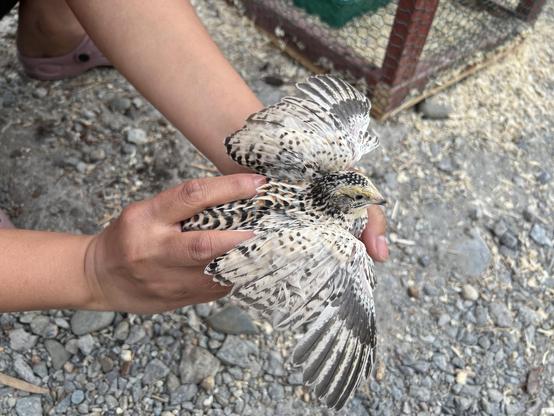
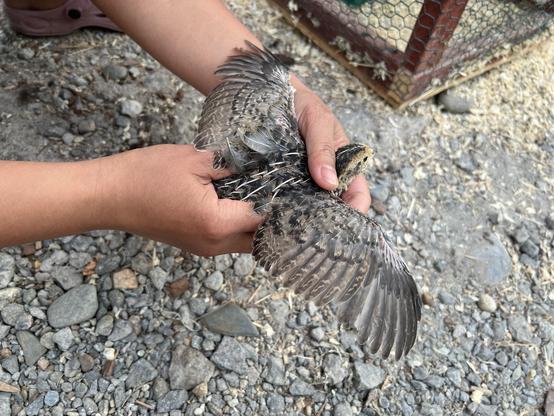
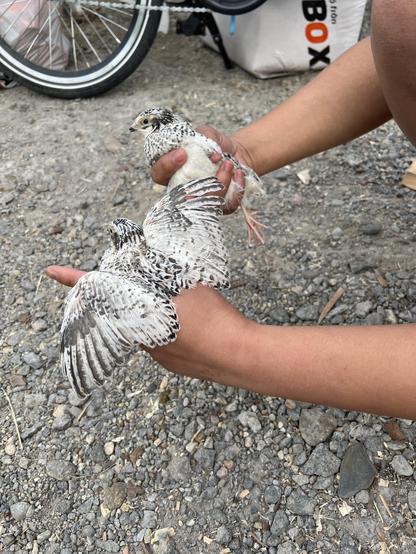
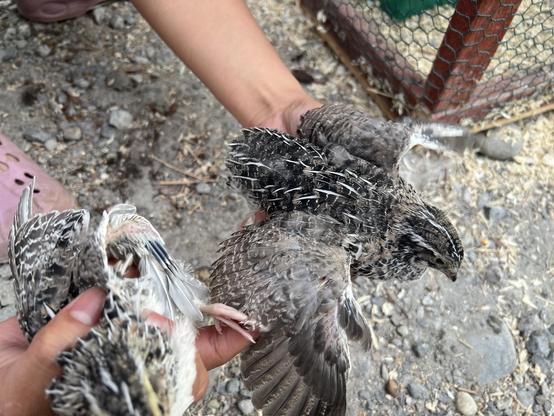
japanese #quail are so much fun in summer and we have such a large variety of colors in our population despite just 5 genes to work with, but since expressions changes depending on if they have 1 or 2 copies it gives a very varied group each hatch :)

they are awful for winter though, get smelly within the day. we will probably only save maybe 6-7 hens and 2 roosters over winter.

#backyardpoultry

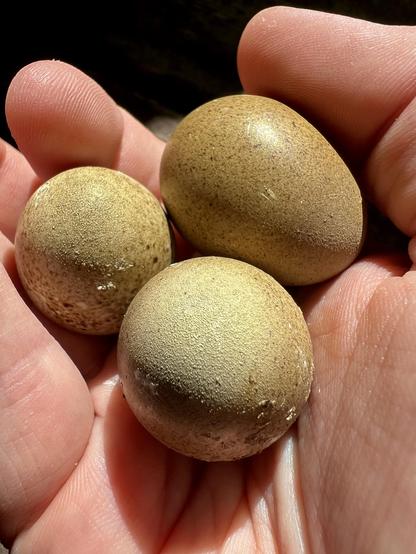
Been getting some neat looking eggs from a quail hen for the past few days 😁

#quail #backyardpoultry #coturnix

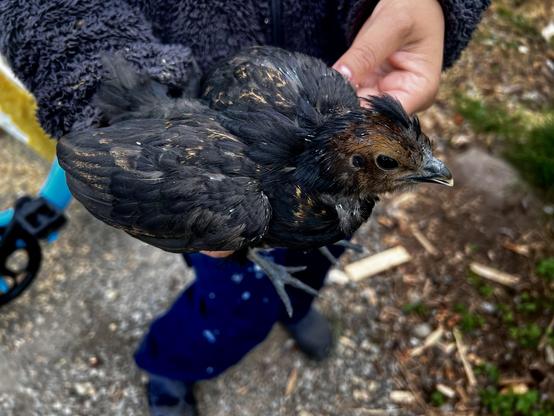
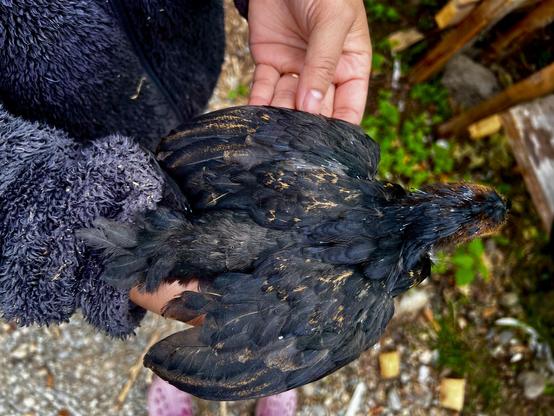
The paduan x h'mong. Still has some ways to go before it's fully feathered and colored. But definitely promising 😁

#backyardchickens #chicken #backyardpoultry #poultry

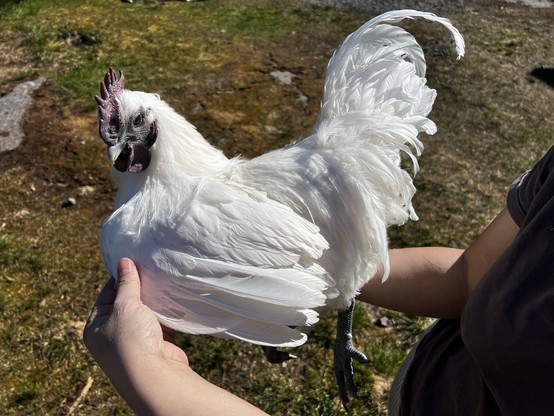
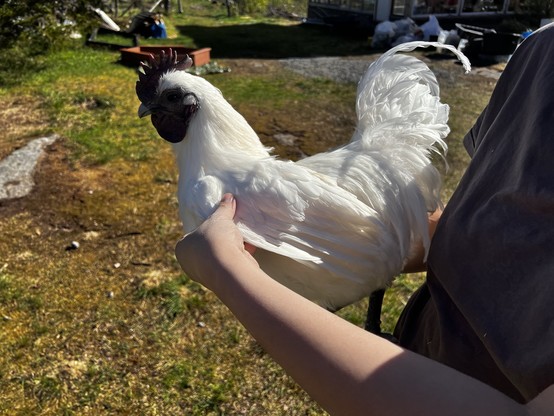
I realize I never took proper photos of the Ga H'mong. Honestly, those big black and curious eyes (camera makes the eyes look demonic 😅), makes them look so sweet and kind IRL; and they are very sweet and kind to go with it!

Definitely my favorite breed currently, maybe not the prettiest, but temperament, personality, and curiosity is miles ahead of any other breed we've tried, like silkies and paduan which is supposed to be like that but aren't.

#backyardpoultry #backyardchickens #gahmong