 Kit Peters
KENFIG: ‘Unacceptable’ — Welsh Water under investigation over sewage pollution of River Kenfig
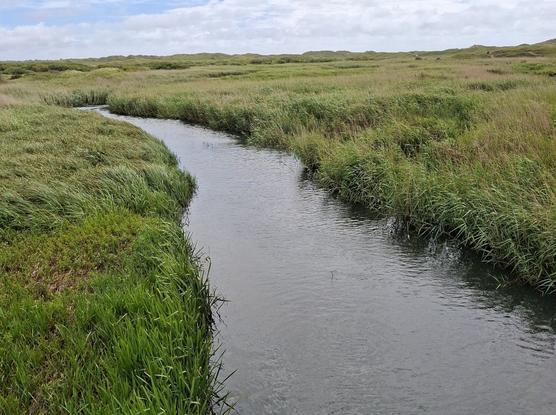
Welsh Water is under formal investigation over a string of pollution incidents that have caused “significant” damage to the River Kenfig — including to the Kenfig National Nature Reserve.
Natural Resources Wales says the environmental impact of repeated sewage discharges into the river is “unacceptable” — and has told the water company it expects a clean-up of affected stretches along with a long-term plan to restore the river’s biodiversity.
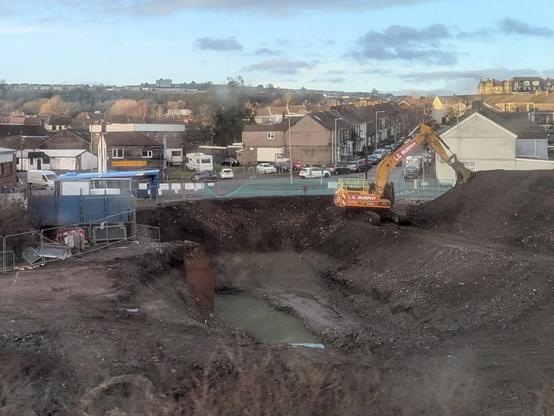
The problems centre on the Marlas Sewage Pumping Station near North Cornelly and its 9km rising main, which carries sewage to the Afan Wastewater Treatment Works in Port Talbot.
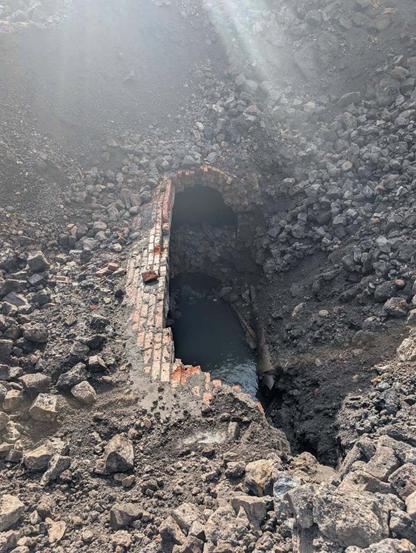
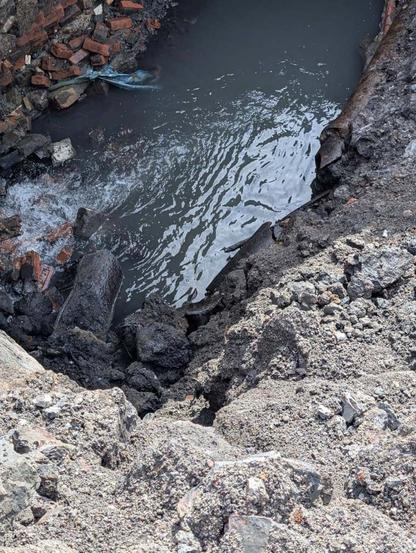
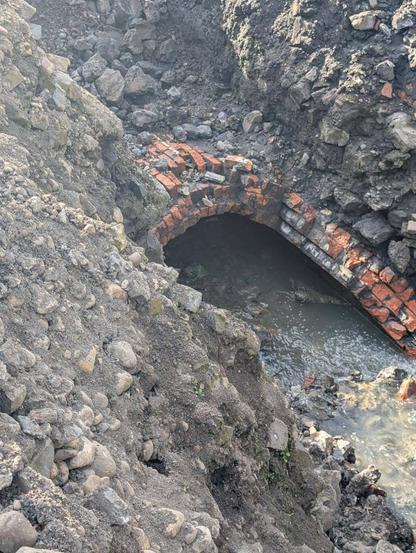
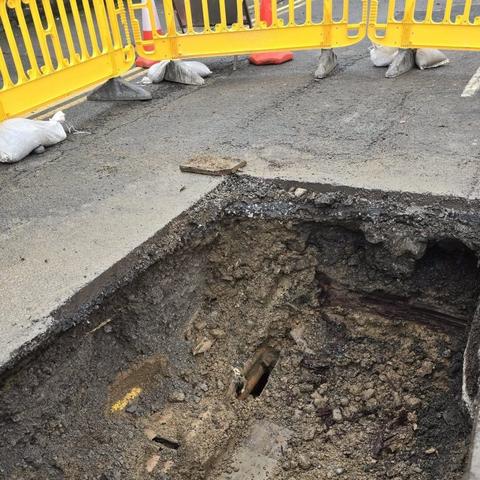
The pipeline has suffered recurring bursts since August 2023, leading to multiple pollution incidents — before the situation escalated in February this year with a continuous discharge from the pumping station itself.
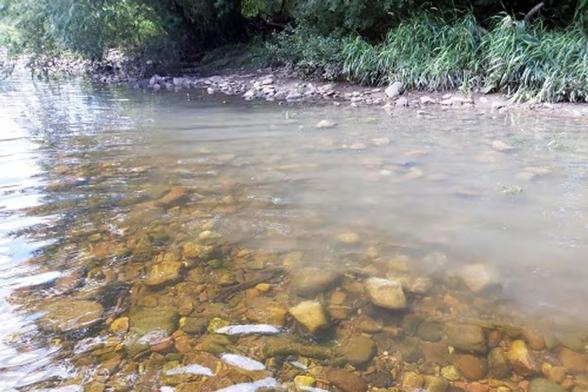
That forced Welsh Water — Dŵr Cymru — to commission a temporary sewage treatment plant at the site, while the discharges continued to flow into the river, causing pollution, odour and harm to fish and other wildlife downstream.
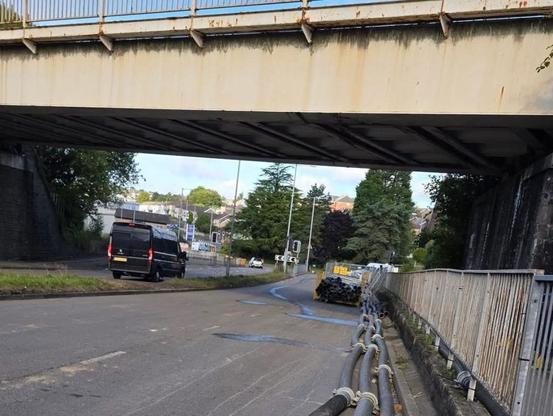
The continuous discharge finally stopped on Tuesday, after the company completed a temporary overland pipeline to bypass the failing main.
But NRW warns there “remains the potential for additional incidents” until the infrastructure problems are fully fixed — and says it is building a case that could lead to enforcement action.
Huwel Manley, NRW’s head of operations for south west Wales, said: “This issue is extremely serious. The scale of environmental impact on the River Kenfig is unacceptable, and we understand the concern and frustration this has caused for local communities, as well as the damage to wildlife and the wider environment, including Kenfig National Nature Reserve.
“We are undertaking detailed investigations into these incidents and will take the appropriate action in line with our Enforcement and Sanctions Policy.”
He said the regulator could not share detailed information during the formal investigation, as disclosure “could risk prejudicing any enforcement outcome”.
“But we want people to be assured that we are closely monitoring the situation as we build our case,” he said. “Our officers are attending the site regularly to undertake important monitoring work, to continually assess the environmental impact and are ensuring DCWW delivers the necessary improvements.
“We have informed DCWW that we expect them to undertake remedial work to clean up affected stretches of the River Kenfig along with a plan for longer term enhancement of the river and its biodiversity.”
The Marlas station operates under a discharge permit allowing storm sewage or emergency discharges only within specific criteria — and NRW says its investigation is assessing suspected breaches of those permit conditions across each incident.
Welsh Water, which operates the site, is responsible for meeting the permit conditions and managing the impact of the discharges.
The investigation lands with Welsh Water already under intense scrutiny over its environmental record — just last week the company confirmed a £44.7m sewage improvement package, dismissed by critics as too little, too late.
Earlier this month, the First Minister ordered an investigation into the River Tawe after sewage and sickness concerns were raised in the Senedd.
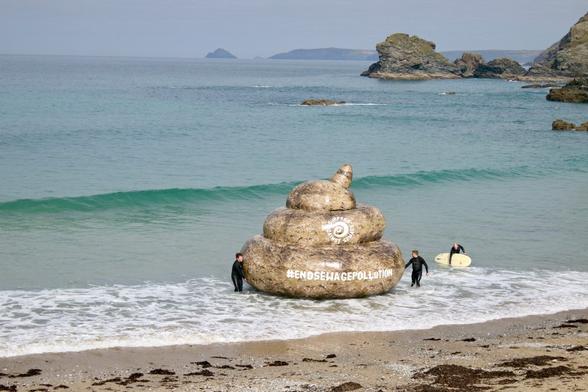
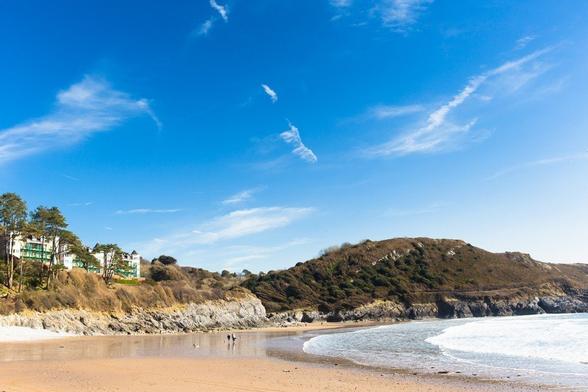
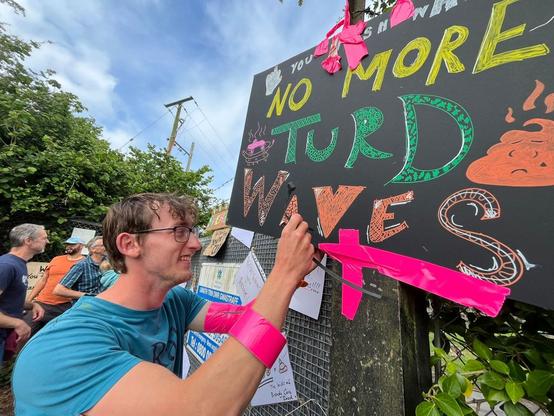
And in May, new data revealed the company’s worst decade for pollution — prompting protesters to rally at Caswell Bay.
In response, Welsh Water said it is replacing 6km and renewing 3km of sewer main in the Kenfig and Port Talbot area at a cost of more than £13m, “following the escalated deterioration of the current main”.
A spokesperson said: “To minimise the impact this had on the environment, we installed a full wastewater treatment process at Marlas Sewage Pumping Station.
“This was done while 4.9km of temporary overland pipe was laid to link to the treatment works in Port Talbot. This has been operational since Monday and the spill to the Kenfig, which consisted of water treated at the temporary works, has ceased.”
The company said it was looking at “a river recovery plan for the Kenfig and the wider catchment” to improve biodiversity and restore water quality — with an aeration system remaining in the river around the clock to increase oxygen levels and support fish and wildlife.
“We are continuing to work with NRW, who are being provided with results from our sampling in the river,” the spokesperson added. “We would like to apologise to the community for the disruption this work is causing and for the impact we have had on the local environment.”
NRW says it will keep the community updated through a dedicated incident webpage.
Related stories from Swansea Bay News
WELSH WATER: £44.7m sewage package confirmed — but critics say it is too little, too late
The company’s investment plans and the criticism that followed.
RIVER TAWE: First Minister orders investigation after sewage and sickness concerns raised in Senedd
The Tawe inquiry ordered after concerns were raised in the chamber.
GOWER: Protesters to rally at Caswell Bay — as new data reveals Welsh Water’s worst decade for pollution
The pollution figures that brought protesters to one of Swansea’s Blue Flag beaches.
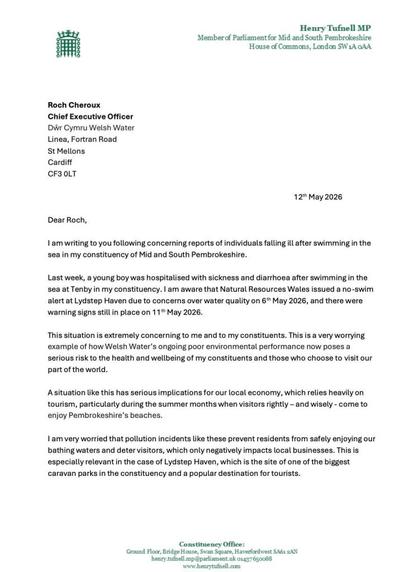
TENBY: MP demands Welsh Water answers after boy hospitalised swimming in sea
North Beach lost its Blue Flag for a third time as questions mounted.