SENEDD SHAKE-UP: Winners and losers revealed as First Minister on course to lose seat

A major new YouGov poll has sent shockwaves through Welsh politics — with projections suggesting the First Minister could lose her seat and Labour suffer heavy losses across west Wales.

The YouGov poll, using detailed constituency modelling for ITV Wales and Cardiff University, points to a Senedd transformed — with Plaid Cymru emerging as the largest party and Reform UK surging into second place.

Wales-wide picture: Plaid on top as Senedd expands

Across Wales, the poll suggests a dramatic shift in power as the Senedd prepares to expand from 60 to 96 members under a new electoral system.

Plaid Cymru is projected to win 43 seats, making it the largest party but still short of an overall majority.

Reform UK is forecast to take 30 seats — a huge leap for a party that has never fought a Senedd election before.

Labour is projected to fall to just 12 seats, with the Greens on 10, while the Conservatives collapse to a single MS and the Liberal Democrats fail to win any representation.

The key number is 49 — the threshold needed for a majority in the new Senedd.

Under these projections, Plaid Cymru and the Greens together would hold 53 seats, enough to form a government without Labour.

Analysts say the results point to a fragmented but firmly left-leaning Senedd — with Plaid in the strongest position to lead the next government.

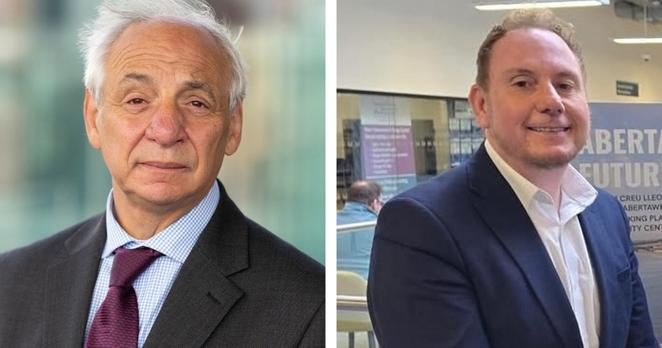
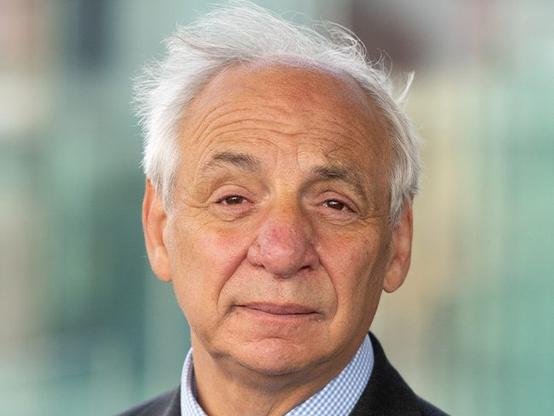
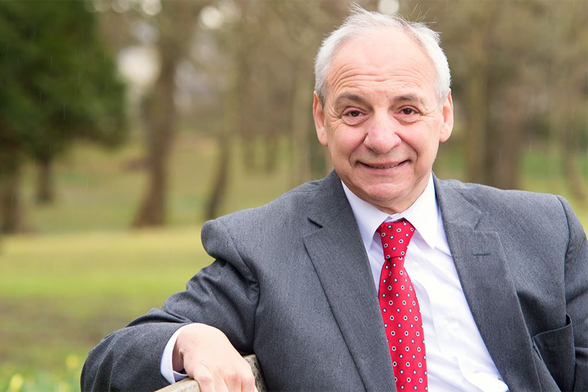
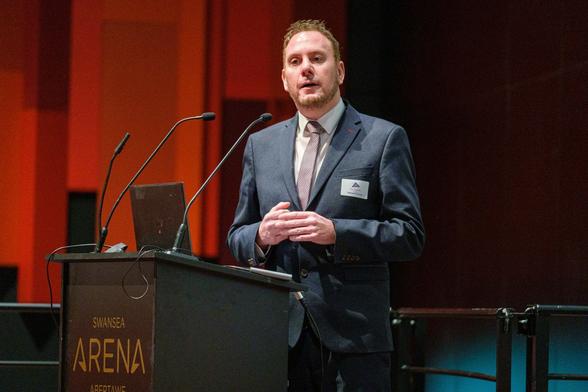
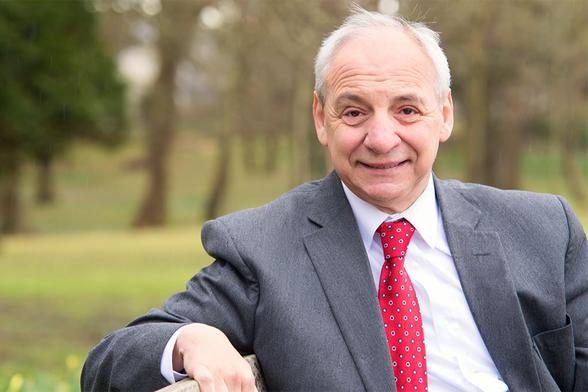
Mike Hedges is projected to retain his seatSwansea Council leader, Rob Stewart looks like missing out on a Senedd seat

Gŵyr Abertawe: big names miss out

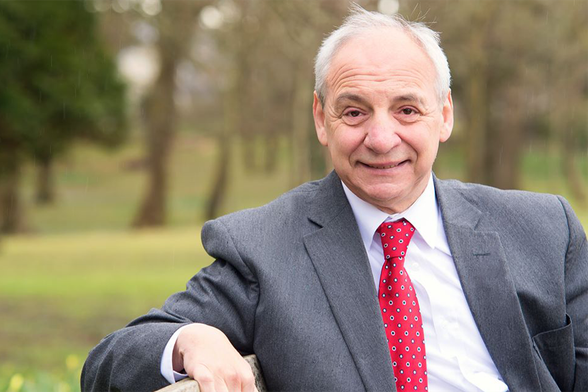
In Gŵyr Abertawe, Labour would return incumbent MS Mike Hedges, who tops the party’s list.

But there would be no seat for Swansea Council leader Rob Stewart, who sits second — despite his high-profile role in recent national debates.

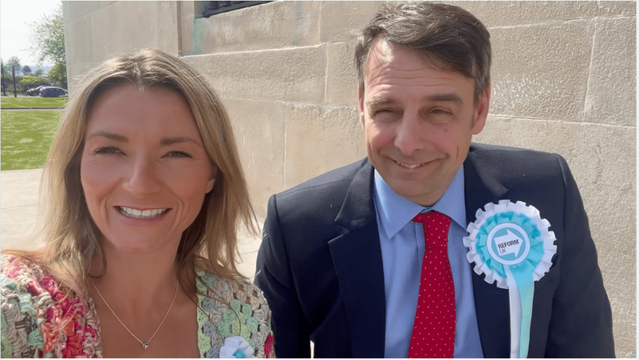
Reform UK would secure two seats, meaning former Conservative-turned-Reform councillor Francesca O’Brien would be elected alongside Steven Rodaway.

Plaid Cymru would return Gwyn Williams and Safa Elhassan, while West Cross councillor Chris Evans would take a seat for the Greens.

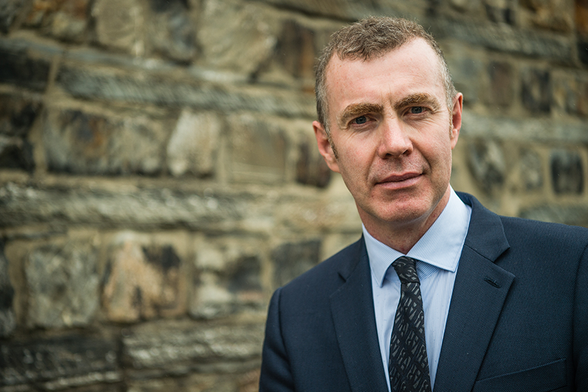
Adam Price looks like he’s set to remain in the Senedd, despite placing third on Plaid’s party list (Image: Plaid Cymru)

Sir Gaerfyrddin: Plaid dominance, Labour wiped out

In Sir Gaerfyrddin, Plaid Cymru is projected to dominate with four seats — returning Cefin Campbell, former Assembly Member Nerys Evans, ex-party leader Adam Price and Mari Arthur.

Reform would take the remaining two seats, with Gareth Beer — who came close to winning Llanelli at the last general election — joined by Carmelo Colasanto.

Labour is not projected to win a single seat in the constituency.

Welsh Lib Dem leader, Jane Dodds could be on the way out, with the party projected to not pick up a single seat

Brycheiniog Tawe Nedd: four-way split

In Brycheiniog Tawe Nedd, the result is finely balanced across four parties.

Plaid would return Sioned Williams and Rebeca Phillips, while Reform would elect James Evans and Iain Charles McIntosh.

Labour would hold onto one seat through Mahaboob Basha BEM — as previously reported when he topped Labour’s list for the area — while Neath Port Talbot councillor Nathan Goldup John would take a seat for the Greens.

The result would see Welsh Liberal Democrat leader Jane Dodds miss out on a seat in the constituency.

Deputy First Minister, Huw Irranca Davies looks likely to save his seatBuffy Williams looks set to miss out however

Afan Ogwr Rhondda: Labour heartland shaken

In Afan Ogwr Rhondda, Plaid is projected to take three seats, with Sera Evans, Alun Geraint Cox and Elyn Stephens all elected.

Reform would secure two seats through Benjamin McKenna and Sarah Cooper Lesard.

Labour would be reduced to a single representative — Deputy First Minister Huw Irranca-Davies — with current Rhondda MS Buffy Williams losing her place.

The result signals a major shift in one of Labour’s traditional strongholds.

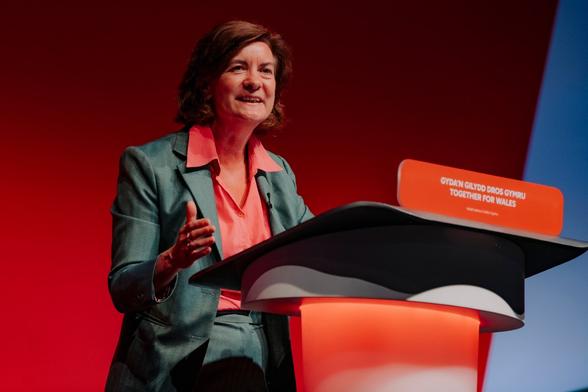
Eluned MorganSamuel KurtzPaul DaviesBig names on the way out

Ceredigion Penfro: First Minister loses seat

In Ceredigion Penfro, Plaid would again lead with three seats, returning Elin Jones alongside Kerry Elizabeth Ferguson and Anna Nicholl.

Reform would take two seats through Susan Claire Archibald and Paul Marr, while Amy Nicholass would be elected for the Greens.

Crucially, Labour is not projected to win any representation here — meaning First Minister Eluned Morgan would lose her seat.

The constituency would also see senior Conservatives Paul Davies and Samuel Kurtz both miss out.

Big picture: political map redrawn

Across west Wales, the projections point to a dramatic political shift — with Reform UK emerging as a major force and traditional parties losing ground.

Despite the upheaval, Plaid Cymru remains the dominant party across every constituency in the region.

For voters, the implications are significant — from who represents their communities to how decisions are made on key issues like healthcare, transport and the cost of living.

With the election approaching, these results suggest one thing above all else — the political landscape in west Wales is changing fast.

And for some of Wales’ biggest political names, this could mark the end of the road.

Related stories from Swansea Bay News

Plaid Cymru storms ahead as shock Senedd poll predicts political earthquake
Earlier polling pointed to major shifts now playing out across west Wales.

Latest poll puts Reform and Plaid neck and neck in key battleground
South west Wales is emerging as crucial to the outcome of the election.

Experts launch “fantasy football” style Senedd election platform
New tools are helping voters track candidates and outcomes ahead of polling day.

First Minister’s surprise Swansea visit draws attention
Eluned Morgan has been out on the campaign trail across Swansea communities.

#AdamPriceMS #BuffyWilliams #CefinCampbell #ElunedMorganMS #GarethBeer #HuwIrrancaDaviesMS #JaneDodds #MikeHedgesMS #PaulDaviesMS #PlaidCymru #polling #ReformUK #RobStewart #SamuelKurtzMS #Senedd #SeneddElection #SeneddElection2026 #SionedWilliams #WelshLabour #YouGov

Independence warning: Top Labour candidate says Wales ‘£15bn better off’ in UK

A senior Swansea politician has issued a stark warning over Welsh independence — claiming the country is currently up to £15 billion a year better off as part of the UK.

Mike Hedges says Wales benefits from significantly higher public spending than it generates in tax — with a gap he estimates at £12bn to £15bn annually, and potentially even higher.

Writing in an opinion piece for Nation Cymru, he argues that under the current system Wales receives around 10% more public spending per head than the UK average, while tax revenues per person are only about 75% of the UK level.

That imbalance, he says, is fundamental.

“If Wales were to keep its own revenues and fund its own public spending,” he suggests, “it would face a large fiscal deficit.”

He adds that the scale of the gap is comparable to the entire Welsh health budget — underlining what he sees as the economic reality of independence.

‘Stronger in a larger economy’

Hedges argues the UK’s size is a key advantage — allowing wealth to be redistributed and cushioning regions like Wales during economic shocks.

“Larger countries can more easily withstand economic storms,” he says, pointing to the role of UK-wide spending on areas such as defence, debt interest and national infrastructure.

He also suggests that any move towards fiscal autonomy would require significantly stronger economic performance in Wales before it could become viable.

Independence debate intensifies

The comments come as Plaid Cymru continues to poll strongly — with projections suggesting it could emerge as the largest party after May’s Senedd election.

Hedges’ intervention is likely to be seen as a direct challenge to that momentum — putting the economic risks of independence at the centre of the political debate.

Key seat in the spotlight

The issue is particularly significant in Swansea and Gower.

Hedges is the sitting MS for Swansea East and Labour’s top list candidate for the new Gŵyr Abertawe constituency, making him the party’s most likely candidate to be returned to the Senedd.

Under the new voting system, voters will select parties rather than individuals — with candidates elected based on their position on party lists.

Polling suggests Labour could win just one of the six seats available locally, placing added importance on Hedges’ top ranking.

Swansea Council leader Rob Stewart is second on the list and would likely need a stronger-than-expected Labour performance to secure a seat.

Battle lines drawn

With the election approaching, Hedges’ message draws a clear dividing line — between those pushing for greater independence and those arguing Wales is financially stronger within the UK.

And with billions of pounds — and the future direction of the country — at stake, that debate is only set to intensify.

Related stories from Swansea Bay News

“Constitutional outrage”: Labour MSs revolt over UK funding bypass
Mike Hedges joins colleagues in warning Westminster is undermining devolution in Wales. :contentReference[oaicite:0]{index=0}

Swansea Council leader ranked second on Labour Senedd list
Rob Stewart’s position highlights the high stakes under the new voting system in Gŵyr Abertawe.

‘Fantasy football for politics’ platform launched for Senedd election
New digital tool aims to help voters understand the impact of the upcoming Welsh election.

First Minister warns of ‘chaos’ if Plaid or Reform win election
Stark political warnings underline the increasingly heated battle ahead of May’s vote.

#GŵyrAbertawe #Independence #MikeHedgesMS #SeneddElection #SwanseaEast #WelshIndependence #WelshLabour

“Constitutional outrage”: Lee Waters and Mike Hedges join Senedd Labour revolt over UK Government funding bypass

Two prominent South West Wales politicians — Llanelli MS Lee Waters and Swansea East MS Mike Hedges — have joined a growing rebellion inside Welsh Labour over UK Government funding decisions that bypass the Senedd.

In a strongly worded letter to Prime Minister Sir Keir Starmer, signed by over a third of Labour Members of the Senedd, the group accuses Westminster of using Tory-era powers to override devolved responsibilities — calling it “deeply insensitive” and “a constitutional outrage.”

“Why is Whitehall deciding where to fix bus shelters in Wales?”

At the heart of the row is the Pride in Place programme, a UK Government initiative that funds local regeneration projects — including bins, toilets and bus shelters — directly through councils, without going through the Welsh Government.

The letter slams the use of the UK Internal Market Act 2020, originally passed by the Conservatives, to impose funding decisions in areas like regeneration that are fully devolved.

“Why is the UK Government directly funding Welsh Councils to fix bus shelters, reopen park toilets, and provide bins?” the letter asks.

“For our own Government to then come in and use the very same powers to act in devolved areas is at best deeply insensitive, at worst a constitutional outrage.”

Politics News

Follow the latest debates, decisions and political rows shaping Swansea, Llanelli and South West Wales.

View all Politics stories

Local voices speak out

Lee Waters, a former Welsh Government cabinet member, and Mike Hedges, one of the longest-serving MSs in the Senedd, are among 11 signatories demanding that Wales be treated as an equal part of the UK.

The group warns that the current approach undermines the Welsh Government’s authority and risks wasting public money by duplicating existing programmes.

“If this was being done by a Tory Government, we would be calling for a judicial review,” they write.

Pressure mounts on Starmer to act

The letter calls on the Prime Minister to recommit to devolving powers over rail infrastructure, policing, justice and the Crown Estate — pledges made in opposition but not yet delivered in government.

That last demand is particularly sensitive. Welsh Labour has long backed the devolution of the Crown Estate, arguing that profits from Welsh land and seabed should benefit Wales directly. But earlier this year, UK Labour ministers rejected a Commons amendment that would have transferred control, sparking anger among Senedd members and comparisons with Scotland, where the Crown Estate is already devolved.

With Llanelli MS Lee Waters and Swansea East veteran Mike Hedges among the signatories, the row has brought the issue home to South West Wales. Both have warned that bypassing the Welsh Government on regeneration projects undermines devolution and risks wasting public money.

The pressure is now firmly on Downing Street to respond — and to show whether Labour in power will deliver the reforms it promised in opposition, or face growing unrest from its own ranks in Wales.

Related stories from Swansea Bay News

Crown Estate funds new offshore wind programme in South Wales
New investment reignites debate over whether control of the Crown Estate should be devolved to Wales.

Welsh Government highlights Swansea in offshore wind ports prospectus
Ministers push for local control over infrastructure as Crown Estate plans major Celtic Sea rollout.

#CrownEstate #devolution #KierStarmer #LeeWatersMS #Llanelli #MikeHedgesMS #PrideInPlace #PrimeMinister #SwanseaEast #UKGovernment #UKInternalMarketAct2020 #UKLabour #WelshGovernment #WelshLabour

Swansea Council leader ranked second on Labour’s Senedd candidate list for Gŵyr Abertawe

Labour sets out its order for Gŵyr Abertawe

Welsh Labour has confirmed the order of its candidates for Gŵyr Abertawe, one of the 16 new “super constituencies” that will elect six members each at the next Senedd election.

The list is headed by Mike Hedges MS, the long‑standing representative for Swansea East, with Rob Stewart placed second. Rebecca Fogarty, a West Cross councillor and newly appointed cabinet member, is ranked third, followed by Rebecca Francis‑Davies, daughter of cabinet member Robert Francis‑Davies.

Also on the list are Sara Faye, political advisor to Julie James MS who is not standing in the next election; Kemba Hadaway‑Morgan, a trade unionist, member of Race Council Cymru and trade union representative on several Welsh Government committees; Patience Bentu, a Swansea councillor for Castle Ward and member of the Mid and West Wales Fire Authority, who has written about “the missing voices in Welsh politics and the need for diverse candidates for the Senedd election.”; and Victoria Holland a councillor for Pontlliw on Swansea Council.

A new system changes how votes count

The 2026 election will be the first under a new proportional voting system. Voters will no longer choose an individual candidate, but instead cast their ballot for a party. Each party’s candidates are then elected in the order they appear on the ranked list, depending on how many seats that party wins.

That means in Gŵyr Abertawe, a vote for Labour will first count towards electing Mike Hedges. If Labour secures enough support for a second seat, Rob Stewart would follow. Candidates further down the list would only enter the Senedd if Labour’s share of the vote is high enough to win additional seats.

Polls suggest two Labour seats

The latest Senedd polling, reported by Swansea Bay News in October, projected that in Gŵyr Abertawe Reform UK would win three of the six seats, Labour two, and Plaid Cymru one.

If that projection holds, it would mean Hedges and Stewart are the only Labour candidates elected in the constituency, underlining the significance of Stewart’s second‑place ranking.

Rivals already in the race

Other parties have also begun setting out their lead candidates. The Welsh Conservatives have named Tom Giffard MS as their top candidate, while the Green Party has selected Swansea councillor Chris Evans. The Liberal Democrats have announced Will Thomas as their lead candidate for Swansea and Neath.

Together, these announcements mean the contest in Gŵyr Abertawe is already taking shape, with party leaders and councillors positioning themselves for the first election under the new system.

What happens next

Labour’s rankings remain provisional until endorsed by the party’s Welsh Executive Committee. Once confirmed, the lists will determine the order in which candidates are elected, depending on the party’s share of the vote.

For voters in Swansea and Gower, the change means the focus will be less on individual personalities and more on how each party performs overall.

Related Articles

Tom Giffard named as Tory lead candidate for Gŵyr Abertawe Senedd seat
Welsh Conservatives confirm their lead candidate for the new super constituency.

Swansea councillor named Green Party lead candidate for 2026 Senedd elections
Greens set out their lead candidate for Swansea under the new system.

Lib Dems announce lead candidates for Swansea and Neath Senedd seats
Liberal Democrats confirm their top names ahead of next May’s election.

Reform UK pulls ahead as Plaid slips and Labour edges back in new Senedd poll
Latest polling projects three Reform, two Labour and one Plaid seat in Gŵyr Abertawe.

Two new councillors join Swansea Council Cabinet in reshuffle
Rebecca Fogarty among those appointed in a reshaped Cabinet led by Rob Stewart.

#CllrRebeccaFogarty #CllrRobStewart #CllrRobertFrancisDavies #CllrVictoriaHolland #Gower #GŵyrAbertawe #JulieJamesMS #KembaHadawayMorgan #MikeHedgesMS #PatienceBentu #RebeccaFrancisDavies #SaraFaye #SeneddElections2026 #Swansea #SwanseaWest #WelshLabour