1960s Eastern Air Lines: Time-Capsule TV Gold

Can you smell the jet fuel and feel the fresh promise of the open sky? This 1960s Eastern Airlines commercial captures that steady, hopeful glide—where travel felt glamorous, big, and wide-open. If you grew up watching the world shrink into a flight plan, this one hits right in the heart.

#easternairlines #1960scommercial #vintageads #nostalgia #classicairlines #jetage #midcenturymodern #travelmemories #oldtelevisionads #retrotravel #americanhistor

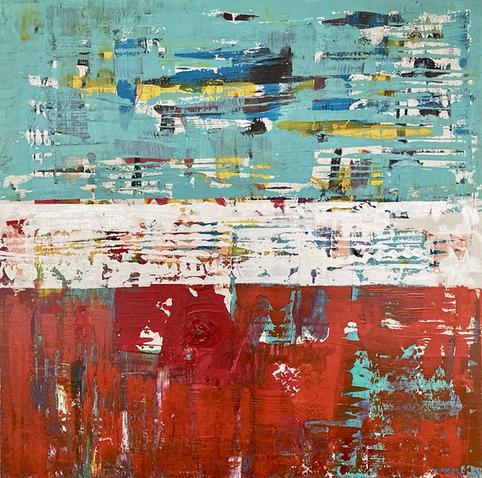
“Cavalier” is a vibrant red and teal 36x36” acrylic and pumice abstract painting from 2022. What do you see? 👀 🤔 ShawnMcNulty.com #art #fineart #abstract #abstractart #Abstractpainting #contemporaryart #modernart #midcenturymodern #kunst #blueskyart #art #modernart

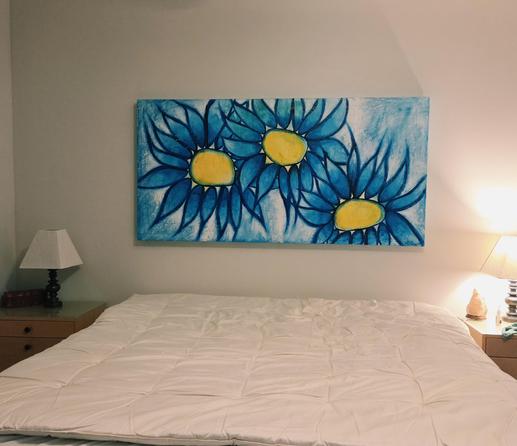
About 23 years ago I painted an ultra modern piece. We had a mid-century vibe going at the time and it worked well. It's been hanging in the farmhouse for over 7 years now and I kept seeing the shapes as flowers, so I finally brought them to life! Makes me feel alive!

#art #artwork #mastoart #fediart #handmadeart #handmade #midcenturymodern #modern #mod #midcentury #colorful #flower #floral #flowers #florida #floridalife #painting #paintings #SharonCummingsArt

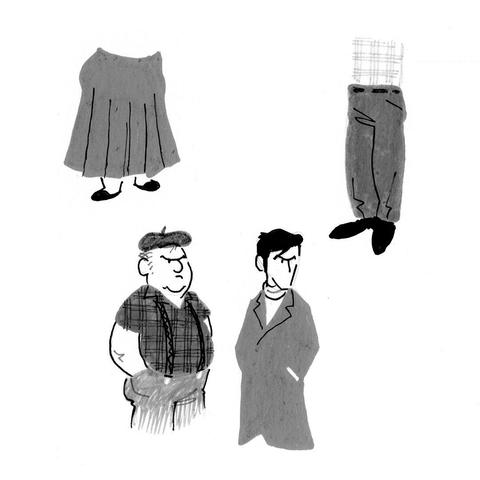
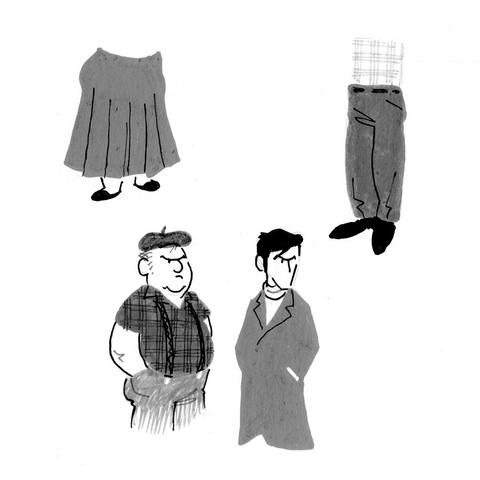
#ink #doodles where I try out a technique I've seen recently in #MidCenturyModern #illustration: where you forgo the outline of some shapes and just let the tone hold them. I can see potential.... #art #cartooning #drawing #MastoArt
#ink #doodles where I try out a technique I've seen recently in #MidCenturyModern #illustration: where you forgo the outline of some shapes and just let the tone hold them. I can see potential.... #art #cartooning #drawing

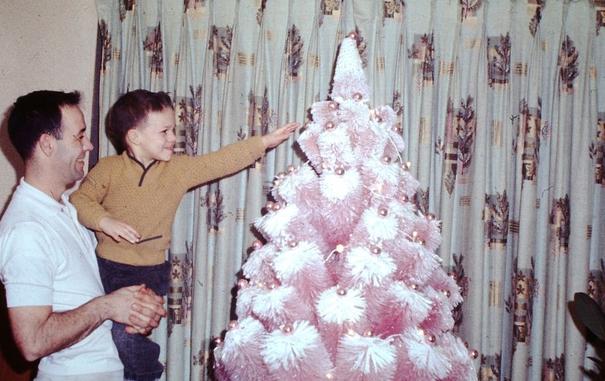
How Pink Christmas Trees Became a Mid-Century Holiday Trend and Disappeared

📰 Original title: The Appearance of Pink Christmas Trees in the Mid-20th Century

🤖 IA: It's not clickbait ✅
👥 Users: It's not clickbait ✅

View full AI summary: https://en.killbait.com/how-pink-christmas-trees-became-a-mid-century-holiday-trend-and-disappeared.html?utm_source=mastodon_world&utm_medium=social&utm_campaign=killbait.mastodon_world

#history #pinkchristmastrees #midcenturymodern #aluminumchristmastrees

How Pink Christmas Trees Became a Mid-Century Holiday Trend and Disappeared

The article explores the short-lived but visually striking trend of pink Christmas trees in the United States during the 1950s and 1960s. At the time, American culture was deeply influenced by optimism about the future, technological progress, and modern design. Traditional green Christmas trees began to feel outdated to many suburban homeowners who were embracing Mid-Century Modern aesthetics in newly built homes filled with sleek furniture and bold design choices. Within this cultural context, unconventional colors such as pink, teal, and silver gained popularity as fashionable, futuristic alternatives. A key development behind this trend was the introduction of aluminum Christmas trees in 1959, particularly the well-known Evergleam models. While most of these trees were silver, manufacturers also produced limited runs in pink, making them rare and highly distinctive. These trees became symbols of modern holiday decor and were closely associated with the era’s “atomic age” design sensibilities. Pink, in particular, was already a prominent cultural color during this period, appearing in fashion, home appliances, and interior design, often linked to figures like Mamie Eisenhower and the popularity of pink kitchens and bathrooms. Extending this palette to Christmas decorations felt natural to many consumers. However, the trend declined rapidly after the 1965 television special “A Charlie Brown Christmas,” which used the aluminum tree—implicitly including pink versions—as a symbol of excessive commercialization and artificiality in holiday traditions. The program had a strong cultural impact, helping shift public taste back toward more traditional green trees. Within a few years, sales of aluminum and brightly colored trees sharply decreased, marking the end of the pink Christmas tree era.

KillBait

How Pink Christmas Trees Became a Mid-Century Holiday Trend and Disappeared

📰 Original title: The Appearance of Pink Christmas Trees in the Mid-20th Century

🤖 IA: It's not clickbait ✅
👥 Users: It's not clickbait ✅

View full AI summary: https://en.killbait.com/how-pink-christmas-trees-became-a-mid-century-holiday-trend-and-disappeared.html?utm_source=mastodon_social&utm_medium=social&utm_campaign=killbait.mastodon_social

#history #pinkchristmastrees #midcenturymodern #aluminumchristmast...

How Pink Christmas Trees Became a Mid-Century Holiday Trend and Disappeared

The article explores the short-lived but visually striking trend of pink Christmas trees in the United States during the 1950s and 1960s. At the time, American culture was deeply influenced by optimism about the future, technological progress, and modern design. Traditional green Christmas trees began to feel outdated to many suburban homeowners who were embracing Mid-Century Modern aesthetics in newly built homes filled with sleek furniture and bold design choices. Within this cultural context, unconventional colors such as pink, teal, and silver gained popularity as fashionable, futuristic alternatives. A key development behind this trend was the introduction of aluminum Christmas trees in 1959, particularly the well-known Evergleam models. While most of these trees were silver, manufacturers also produced limited runs in pink, making them rare and highly distinctive. These trees became symbols of modern holiday decor and were closely associated with the era’s “atomic age” design sensibilities. Pink, in particular, was already a prominent cultural color during this period, appearing in fashion, home appliances, and interior design, often linked to figures like Mamie Eisenhower and the popularity of pink kitchens and bathrooms. Extending this palette to Christmas decorations felt natural to many consumers. However, the trend declined rapidly after the 1965 television special “A Charlie Brown Christmas,” which used the aluminum tree—implicitly including pink versions—as a symbol of excessive commercialization and artificiality in holiday traditions. The program had a strong cultural impact, helping shift public taste back toward more traditional green trees. Within a few years, sales of aluminum and brightly colored trees sharply decreased, marking the end of the pink Christmas tree era.

KillBait

Exploring Iconic Mid-Century Modern Home Interiors

📰 Original title: 40 Amazing Photos of Mid-Century Modern House Interiors

🤖 IA: It's not clickbait ✅
👥 Users: It's not clickbait ✅

View full AI summary: https://en.killbait.com/exploring-iconic-mid-century-modern-home-interiors.html?utm_source=mastodon_world&utm_medium=social&utm_campaign=killbait.mastodon_world

#culture #midcenturymodern #interiordesign

Exploring Iconic Mid-Century Modern Home Interiors

Mid-Century Modern (MCM) house interiors, prominent in the 1950s and 1960s, marked a transformative shift in residential design. This style emphasized simplicity, functional layout, and organic forms, moving away from the ornate and cluttered interiors of earlier eras. Open-plan living became a hallmark, with large windows connecting indoor spaces seamlessly to the outdoors. Furniture combined warm natural woods like teak and walnut with futuristic materials such as molded plastic, fiberglass, and chrome, often featuring distinctive tapered legs. Color palettes were carefully curated, ranging from muted earthy tones like olive green and ochre to vibrant accent colors such as atomic orange and turquoise. Beyond aesthetics, these interiors symbolized post-war optimism and a lifestyle focused on efficiency, comfort, and relaxation. Today, Mid-Century Modern interiors remain influential, celebrated for their enduring style and practical design principles that continue to inspire architects, interior designers, and homeowners around the world.

KillBait

Exploring Iconic Mid-Century Modern Home Interiors

📰 Original title: 40 Amazing Photos of Mid-Century Modern House Interiors

🤖 IA: It's not clickbait ✅
👥 Users: It's not clickbait ✅

View full AI summary: https://en.killbait.com/exploring-iconic-mid-century-modern-home-interiors.html?utm_source=mastodon_social&utm_medium=social&utm_campaign=killbait.mastodon_social

#culture #midcenturymodern #interiordesign

Exploring Iconic Mid-Century Modern Home Interiors

Mid-Century Modern (MCM) house interiors, prominent in the 1950s and 1960s, marked a transformative shift in residential design. This style emphasized simplicity, functional layout, and organic forms, moving away from the ornate and cluttered interiors of earlier eras. Open-plan living became a hallmark, with large windows connecting indoor spaces seamlessly to the outdoors. Furniture combined warm natural woods like teak and walnut with futuristic materials such as molded plastic, fiberglass, and chrome, often featuring distinctive tapered legs. Color palettes were carefully curated, ranging from muted earthy tones like olive green and ochre to vibrant accent colors such as atomic orange and turquoise. Beyond aesthetics, these interiors symbolized post-war optimism and a lifestyle focused on efficiency, comfort, and relaxation. Today, Mid-Century Modern interiors remain influential, celebrated for their enduring style and practical design principles that continue to inspire architects, interior designers, and homeowners around the world.

KillBait

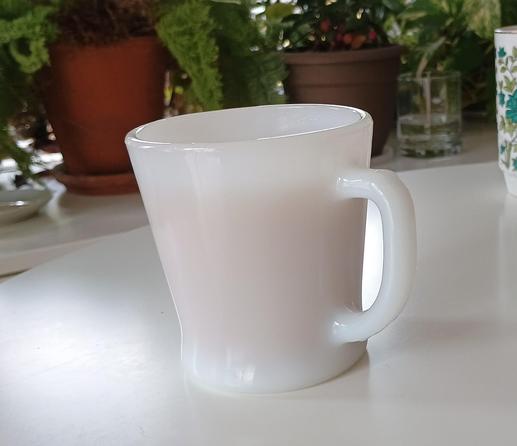
I usually watch the #thriftShops for various elusive objects of desire. One such category is vintage mid-century coffee mugs.

We breezed through a long-lived antiques mall after lunch (Old Ottawa South) and stumbled across a vintage Fire King D-Handle, in the milk-glass colour I've long sought.

Yay! So I'm just anointing it with a spot of tea.

#thrifting #midCenturyModern