 KillBait News
How Pink Christmas Trees Became a Mid-Century Holiday Trend and Disappeared
📰 Original title: The Appearance of Pink Christmas Trees in the Mid-20th Century
🤖 IA: It's not clickbait ✅
👥 Users: It's not clickbait ✅
View full AI summary: https://en.killbait.com/how-pink-christmas-trees-became-a-mid-century-holiday-trend-and-disappeared.html?utm_source=mastodon_world&utm_medium=social&utm_campaign=killbait.mastodon_world
#history #pinkchristmastrees #midcenturymodern #aluminumchristmastrees
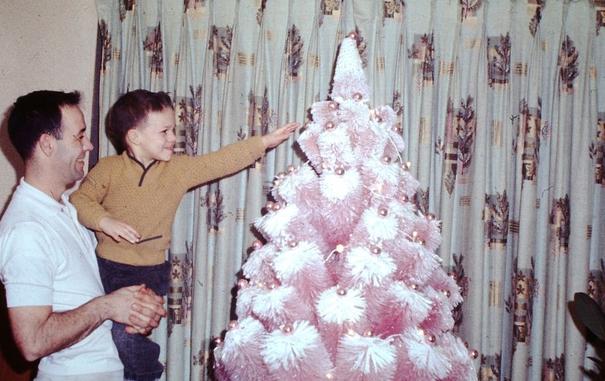
How Pink Christmas Trees Became a Mid-Century Holiday Trend and Disappeared
The article explores the short-lived but visually striking trend of pink Christmas trees in the United States during the 1950s and 1960s. At the time, American culture was deeply influenced by optimism about the future, technological progress, and modern design. Traditional green Christmas trees began to feel outdated to many suburban homeowners who were embracing Mid-Century Modern aesthetics in newly built homes filled with sleek furniture and bold design choices. Within this cultural context, unconventional colors such as pink, teal, and silver gained popularity as fashionable, futuristic alternatives. A key development behind this trend was the introduction of aluminum Christmas trees in 1959, particularly the well-known Evergleam models. While most of these trees were silver, manufacturers also produced limited runs in pink, making them rare and highly distinctive. These trees became symbols of modern holiday decor and were closely associated with the era’s “atomic age” design sensibilities. Pink, in particular, was already a prominent cultural color during this period, appearing in fashion, home appliances, and interior design, often linked to figures like Mamie Eisenhower and the popularity of pink kitchens and bathrooms. Extending this palette to Christmas decorations felt natural to many consumers. However, the trend declined rapidly after the 1965 television special “A Charlie Brown Christmas,” which used the aluminum tree—implicitly including pink versions—as a symbol of excessive commercialization and artificiality in holiday traditions. The program had a strong cultural impact, helping shift public taste back toward more traditional green trees. Within a few years, sales of aluminum and brightly colored trees sharply decreased, marking the end of the pink Christmas tree era.
 KillBait