 Wisdom in Space
You don't understand anything until you learn it more than one way.
-- Marvin Minsky

You don't understand anything until you learn it more than one way.
-- Marvin Minsky
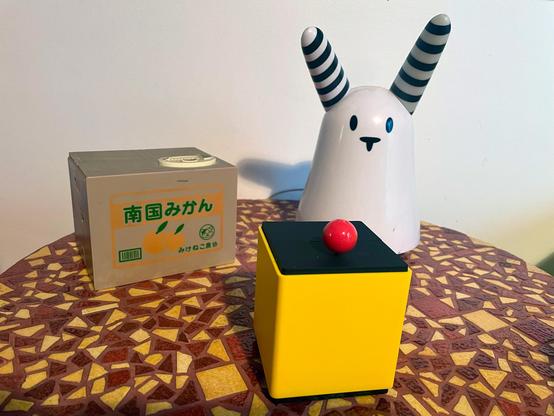
L'AMOUR À LA MACHINE
https://blogs.mediapart.fr/jean-jacques-birge/blog/270426/lamour-la-machine
#lamachine #oliviermevel #antoineschmitt #nabaztag #nabazmob #marvinminsky #jeanjacquesbirge
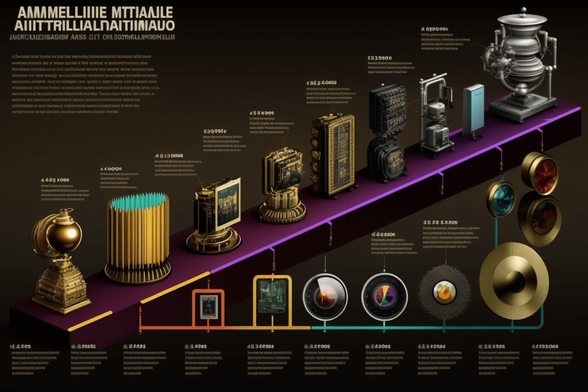
A Brief History of Artificial Intelligence
Like any complex technology, Artificial Intelligence has its roots in a number of fields. From philosophy to computer science, mathematics to linguistics, tracing the history of AI and automation is a difficult business. The field was officially named in the 1950s, but ideas about automated machines have existed since long before then. This is a history of the development of Artificial Intelligence from some of its earliest philosophical and theoretical inceptions through to modern day […]https://leonfurze.com/2023/02/11/a-brief-history-of-artificial-intelligence/


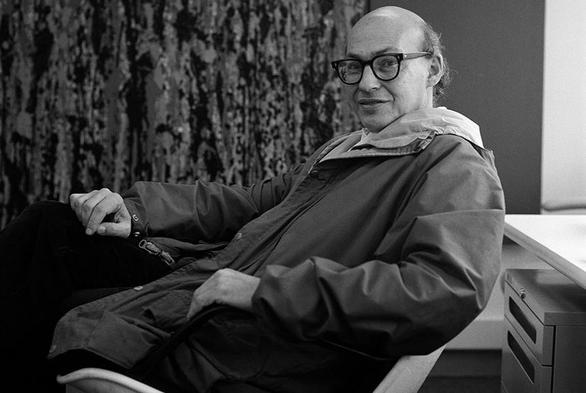
Hätte Minsky länger gelebt, hätte er noch mitbekommen, dass eine Frage wieder in den Mittelpunkt der Forschung rückt, die ihn sein Leben lang fasziniert hat: Wie funktioniert das menschliche Gehirn?

Er war 1956 dabei und prägte den Begriff Künstliche Intelligenz entscheidend mit: Vor zehn Jahren starb mit Marvin Minsky der letzte große KI-Pionier. Dass die Erinnerung an ihn umstritten bleibt, hängt nicht nur mit Jeffrey Epstein zusammen. Am 24. Januar 2016 starb mit Marvin Minsky, der letzte damals noch übrig gebliebene Teilnehmer der Dartmouth Sommerschule, […]
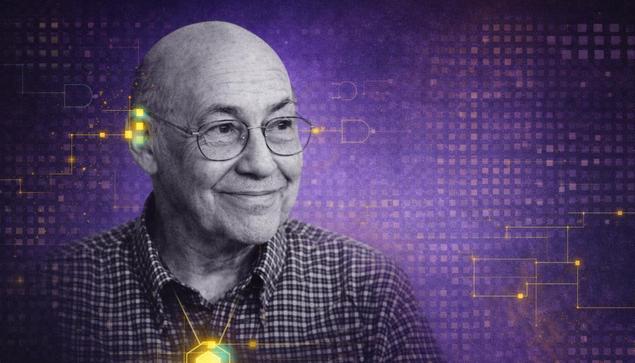
You don't understand anything until you learn it more than one way.
-- Marvin Minsky

Why the Real Computer Revolution Never Happened | Alan Kay & Anjan Katta
https://www.youtube.com/watch?v=MbEZ-DC0L-g
#Computing #parc #McLuhan #ai #agi #dynabook #MarvinMinsky #AlanKay #moores_law #Enshittification #software #history

"... one of the pioneers in the field, Marvin Minsky, defined AI as: '… the science of making machines do things that would require intelligence if done by men' (quoted from Bolter, 1986, p. 193). This is sometimes called weak AI. However, many AI researcher have pursued the aim of developing AI that is in principle identical to human intelligence, called strong AI."
#RagnarFjelland, 2020
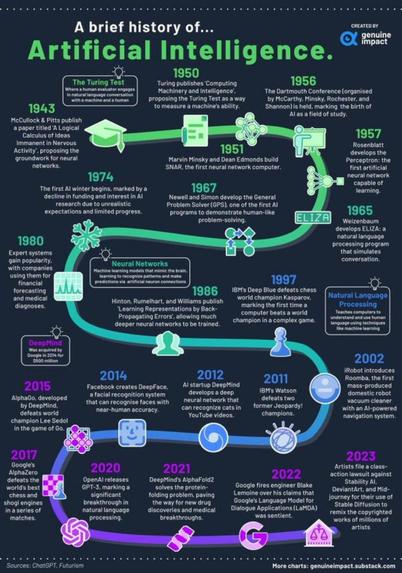
Pequeños y grandes pasos hacia el imperio de la inteligencia artificial
Fuente: Open TechTraducción de la infografía:
(!!) Test de Turing: donde un evaluador humano entabla una conversación en lenguaje natural con una máquina y un humano.
(!!) Redes neuronales: modelos de aprendizaje automático que imitan el cerebro y aprenden a reconocer patrones y hacer predicciones a través de conexiones neuronales artificiales.
(!!) DeepMind fue adquirida por Google en 2014 por 500 millones de dólares.
(!!) Procesamiento del lenguaje natural: enseña a las computadoras a comprender y utilizar el lenguaje humano mediante técnicas como el aprendizaje automático.
Gráfico: Open Tech / Genuine Impact
Entradas relacionadas
#ajedrez #alphafold2 #alphago #alphazero #aprendizajeAutomatico #articulo #artistas #aspirador #blakeLemoine #conferenciaDeDartmouth #copyright #deanEdmonds #deepBlue #deepface #deepmind #deviantart #eliza #facebook #gatos #genuineImpact #go #google #gps #gpt3 #grafico #hinton #ia #ibm #infografia #inteligenciaArtificial #irobot #jeopardy #kasparov #lamda #leeSedol #marvinMinsky #mccarthy #mccullock #midJourney #modelos #newell #openTech #openai #patrones #perceptron #pitts #plegamientoDeProteinas #predicciones #procesamientoDelLenguajeNatural #reconocimientoFacial #redesNeuronales #remezclar #robot #rochester #roomba #rosenblatt #rumelhart #shannon #shogi #simon #sistemaDeNavegacion #snar #stabilityAi #stableDiffusion #testDeTuring #turing #videos #watson #weizenbaum #williams #youtube
 Jean-Jacques Birgé
 Dr Leon Furze
 David Grayless
 MIT Technology Review DE
 Futura
 posixgnulinux
 Strypey
 Socied@d Reticular