What if ecological data wasn't just measured — but experienced?
New on the Local Haze blog: a conversation with Glorianna Davenport & Brian Mayton of Living Observatory on sensor networks, interdisciplinary collaboration, and documenting the arc of wetland restoration in #Massachusetts:
https://localhaze.humanlogic.com/2026/03/17/from-pixels-to-wetlands-a-discussion-with-glorianna-davenport-and-brian-mayton-from-living-observatory/
#Wetlands #EcologicalRestoration #DigitalStorytelling #OpenData #EnvironmentalTech #LivingObservatory #LocalHaze
AI Vision for Ocean Monitoring: Seeing Spills and Waste Before They Spread
The ocean doesn’t come with alarm systems.
know more:
https://zurl.co/YFJpb #Smidmart #AIVision #ComputerVision #OceanMonitoring #MarineProtection #EnvironmentalTech #Sustainability #DroneTechBuilding environmental monitors? Consider adding voice interaction! The KT148A chip brings clear audio warnings & guidance to devices like formaldehyde detectors. Features: 16KHz audio, ultra-low power, one-wire control, direct speaker drive. Ideal for making invisible threats audible. Complete implementation guide available.
https://lnkd.in/gpPPVHyw#KT148A #AirQuality #Formaldehyde #EnvironmentalTech #Embedded #OpenHardware #DIYElectronics #SafetyTechWho knew Al Gore was secretly building a Skynet for polluters? 🤖 Climate Trace is leveraging AI to pinpoint 660M sources of PM2.5, the fine particulate matter linked to 10M deaths yearly.
Makes you wonder what other 'invisible' tech is shaping our world, doesn't it?
Link: https://techcrunch.com/2025/09/24/how-al-gore-used-ai-to-track-660m-polluters/
#AIforGood #ClimateTech #EnvironmentalTech #TechNews

How Al Gore used AI to track 660M polluters | TechCrunch
A new tool from Climate Trace allows people to track the path of fine particulate matter, or PM2.5, which causes as many as 10 million deaths annually.

Google’s Shifting Sands: Net-Zero Pledge Removed Amidst AI’s Energy Appetite
As AI continues to evolve and reshape our world, companies must be transparent about their environmental impact and committed to finding innovative solutions.

How AI can help protect bees from dangerous parasites | The-14
AI offers a non-invasive way to detect deadly Varroa mites in beehives early, helping save Canada’s honey industry & protect pollinators critical to ecosystems.
Real Fish vs. Robotic Fish? It’s not science fiction—it’s happening now in China’s Yangtze River.
Researchers have deployed AI-powered robotic fish to monitor water quality, mimic natural movement, and blend into ecosystems—all without disturbing wildlife.
But what happens when machines start coexisting with nature?
🔍 Reas more: https://www.sparknify.com/post/real-fish-vs-robotic-fish-exploring-the-frontier-of-ecological-monitoring-and-conservation
#Sparknify #HumanVsAI #RoboticFish #EnvironmentalTech #EcoInnovation #YangtzeRiver #SustainableTech #NatureVsMachine

Real Fish vs. Robotic Fish: Exploring the Frontier of Ecological Monitoring and Conservation
In an era defined by rapid technological progress, innovations increasingly blur the boundaries between nature and technology. A groundbreaking example emerges from China, where researchers from Wuhan University have introduced a remarkable robotic fish into the waters of the Yangtze River. While this advanced machine doesn't exactly pit human intelligence against artificial intelligence, it intriguingly sets up a comparison of "Real Fish vs. Robotic Fish".
These glowing bacteria could one day protect crops, detect pollution, or help locate hazards—remotely, safely, and intelligently. #Biotech #SmartFarming #EnvironmentalTech
https://geekoo.news/living-sensors-bacteria-that-glow-for-miles/

Living Sensors: Bacteria That Glow for Miles | Geekoo
These glowing bacteria could one day protect crops, detect pollution, or help locate hazards—remotely, safely, and intelligently.
 Local Haze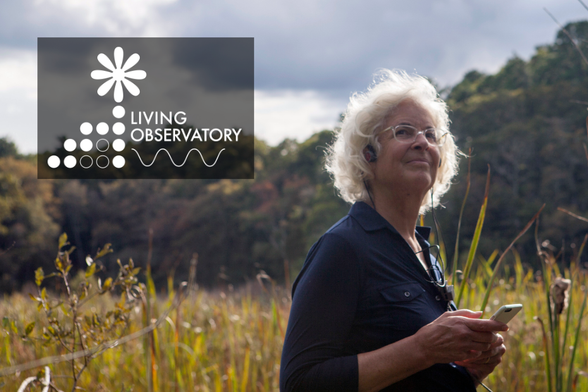
 Smidmart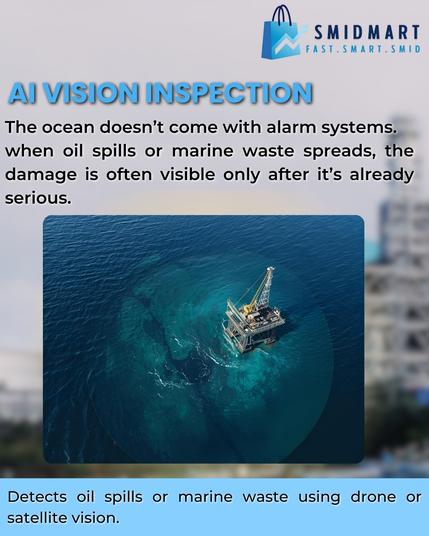
 BLE Voice


 Mind Lude
 Fikry Sami
 PB Media
 The-14
 Sparknify
 Geekoo