This #GreenConcrete Is Made From #Urine: German Scientists Recreate Sandstone Texture Using Waste in #EcoTech Breakthrough

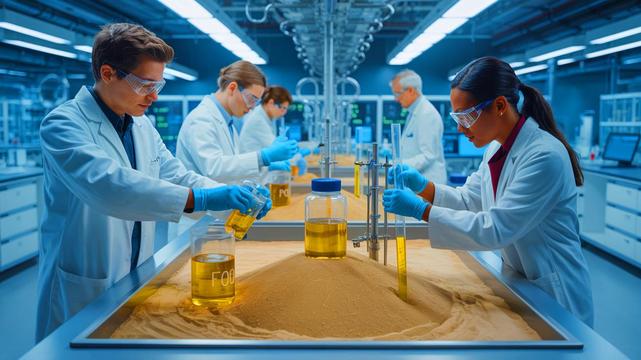
In a groundbreaking development that could redefine sustainable construction, researchers at the University of Stuttgart have successfully transformed human urine into a robust and eco-friendly bio-concrete, paving the way for innovative building materials that dramatically reduce environmental impact.

The bio-concrete’s chemical composition closely resembles that of natural #sandstone, indicating a harmonious blend with nature.

by Gabriel Cruz, 05/10/2025

🌿 Researchers at the University of Stuttgart have developed an eco-friendly #BioConcrete using human urine.
🔬 The innovative process involves microbial #biomineralization, where bacteria convert urea into #CalciumCarbonate crystals.
🏗️ Bio-concrete offers a sustainable alternative to traditional concrete, reducing environmental impact and emissions.
🚀 The project aims to integrate bio-concrete into a #CircularEconomy, transforming waste into valuable building materials.

"In a groundbreaking exploration of sustainable construction methods, researchers at the University of Stuttgart have pioneered a method to transform waste into a valuable resource. By converting human urine into eco-friendly bio-concrete, they are paving the way for a new era of green building materials. This innovative approach not only seeks to reduce the environmental impact of construction but also leverages a commonly wasted resource to create something beneficial for society. The project’s implications stretch beyond mere construction, hinting at a sustainable future where waste is a key ingredient in building our world."

Read more:
https://www.sustainability-times.com/research/this-green-concrete-is-made-from-urine-german-scientists-recreate-sandstone-texture-using-waste-in-eco-tech-breakthrough/

#SolarPunkSunday #TechnologyBreakthrough #ZeroWaste #HumanUrine #SolarPunk

This Green Concrete Is Made From Urine: German Scientists Recreate Sandstone Texture Using Waste in Eco-Tech Breakthrough

In a groundbreaking exploration of sustainable construction methods, researchers at the University of Stuttgart have pioneered a method to transform waste

Sustainability Times

The Fungus That Eats Plastic (and Why It’s Not a Sci-Fi Plot)

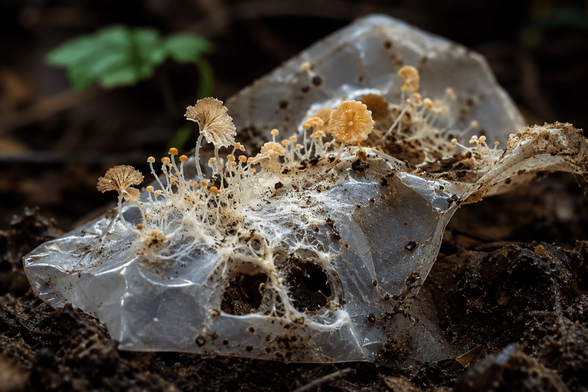
Plastic meets its match: fungi capable of degrading synthetic materials. Photo credit: AI-generated illustration.

Dear Cherubs, humanity has a plastic problem the size of a small planet. We make hundreds of millions of tons a year, recycle a sliver of it, and then act surprised when it doesn’t politely disappear.

According to the Organisation for Economic Co-operation and Development, global plastic waste has more than doubled in recent decades, while recycling rates remain stubbornly low. Translation: we’re very good at producing plastic and impressively bad at dealing with it afterward.

ENTER THE FUNGUS

In 2008, a group of students from Yale stumbled upon something quietly outrageous in the Ecuadorian Amazon: a fungus called Pestalotiopsis microspora. It didn’t look like much, but it had a party trick—eating plastic.

A few years later, researchers demonstrated that this fungus can break down polyurethane, a widely used plastic found in everything from insulation to footwear. According to research published by Yale-affiliated scientists, it can even do this in low-oxygen environments. That’s not just a neat lab trick—it’s potentially game-changing, since landfills are famously oxygen-poor.

Other fungi, like Aspergillus tubingensis, have also shown an appetite for plastic under controlled conditions, according to studies reported in environmental microbiology research. It’s giving “nature cleans up after us,” but with a slight delay.

THE SCIENCE, NOT THE MAGIC

Before we crown fungi as the saviors of modern waste management, a reality check: this is still early-stage science.

The process, known as mycoremediation, uses fungi to break down pollutants—plastics, oil, pesticides, the whole greatest-hits album of human mess. Fungi secrete enzymes that can degrade complex materials into simpler compounds. In the case of plastics, that means turning stubborn polymers into something less… eternal.

But scaling this up is the hard part. Lab conditions are neat and controlled; landfills are not. Temperature, moisture, contamination, and sheer volume all complicate things. Also, fungi don’t exactly work at Amazon Prime speed. They’re more “slow and steady,” which is admirable but not ideal when you’ve got centuries of waste piled up.

That said, researchers are exploring ways to optimize these organisms—adjusting conditions, combining species, even tweaking enzymes. According to environmental studies reported by journals like Frontiers in Microbiology, progress is steady, if not headline-grabbing.

A CYNICAL TAKE (WITH HOPE)

Here’s the mildly sarcastic truth: relying on fungi to clean up plastic is a bit like hiring a janitor while continuing to throw trash on the floor. Helpful, yes. A complete solution? Not quite.

We still need to reduce production, improve recycling systems, and rethink materials altogether. Biology isn’t a cheat code—it’s part of a broader toolkit.

Still, there’s something quietly reassuring about this discovery. Nature, which we’ve spent decades overwhelming, hasn’t entirely given up on us. It’s been experimenting in the background, evolving solutions we’re only just beginning to notice.

And if a humble fungus can nibble away at one of our most persistent pollutants, maybe—just maybe—we’re not completely doomed. Low-key hopeful, right?

For broader context on environmental innovation and emerging science narratives, platforms like thisclaimer.com and its YouTube channel often break down complex topics in a more digestible, real-world way.

Sources:
OECD — https://www.oecd.org/environment/plastic-pollution/
Yale School of the Environment — https://environment.yale.edu/
Applied and Environmental Microbiology (research on Pestalotiopsis microspora) — https://journals.asm.org/
Frontiers in Microbiology — https://www.frontiersin.org/journals/microbiology
ScienceDirect (Aspergillus tubingensis studies) — https://www.sciencedirect.com/
thisclaimer.com — https://thisclaimer.com
YouTube (Thisclaimer) — https://www.youtube.com/@thisclaimer?sub_confirmation=1

The Thisclaimer logo blends a classic warning symbol with a brain icon to represent critical thinking, curiosity, and thoughtful disclaimers. #biodegradation #climateSolutions #ecoTech #environmentalInnovation #fungiScience #microbiology #mycoremediation #news #plasticPollution #sustainability #wasteManagement
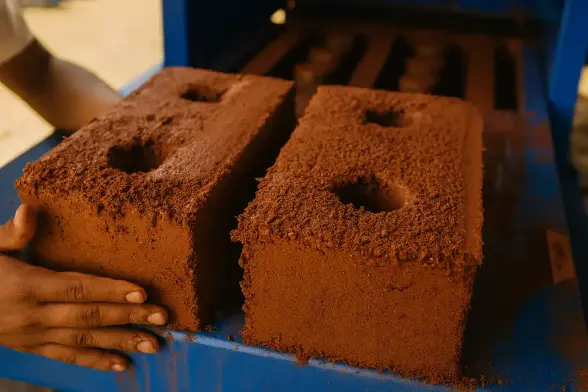
Mexican builder Omar Vázquez Sánchez uses sargassum seaweed for bricks, insulating homes naturally. How can we scale up this approach for wider use in sustainable building projects? #GreenBuilding #SustainableMaterials #EcoTech
MF Hydra, the world's 1st liquid hydrogen ferry, is a costly flop with €1.4m annual fuel costs, 4x higher than a conventional diesel ferry. Can hydrogen really power our oceans sustainably, or are we chasing the wrong dream? #Decarbonization #EcoTech
Destination Earth's Weather-Induced Extremes Twin: can AI-driven forecasting prioritize regional preparedness for extreme weather without worsening social or economic inequalities? #DestinationEarth #EcoTech
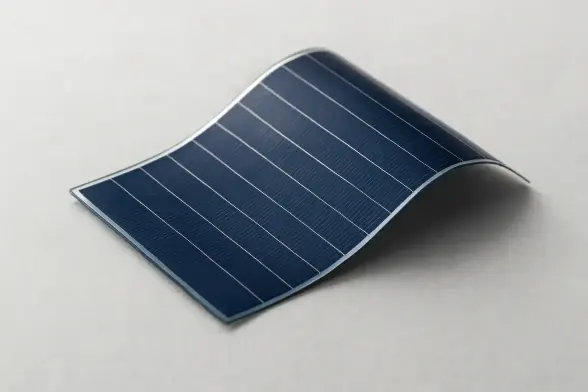
Nordic Nano's nanoprinted solar film is as flexible as a sail. They've combined print-on-demand tech with roll-to-roll process for a lightweight material. It's a practical use of old tech. How will this impact our daily use of renewable energy? #SolarEnergy #EcoTech

Heat Recovery Ventilator (HRV) — Operating Principle

A recuperator (heat recovery unit) transfers heat from exhaust air to incoming fresh air without mixing the two streams.

---

How It Works

Two airflows:

Exhaust air (warm, from indoors)

Supply air (cold, from outside)

They pass through a heat exchanger:

separated by plates or channels

no direct mixing

heat transfers through the material (conduction)

Result: → supply air is preheated
→ exhaust air is cooled
→ overall heat loss is reduced

---

Types of Recuperators

1. Plate Heat Exchanger

aluminum or plastic plates

efficiency: ~60–90%

no moving parts

2. Rotary (Wheel) Heat Exchanger

rotating drum

transfers heat and some moisture

efficiency: up to ~85–90%

3. Counterflow Heat Exchanger

air streams move in opposite directions

highest efficiency: up to ~95%

---

What Is Transferred

heat (primary)

sometimes moisture (in enthalpy units)

---

Efficiency Example

outside: 0°C

indoor: +22°C

after recovery: ~16–20°C

---

Advantages

reduced heating energy demand

continuous ventilation without major heat loss

improved indoor air quality

---

Limitations

frost formation in winter (needs bypass or preheater)

filter maintenance required

upfront cost

---

Core Idea

A recuperator doesn’t generate heat — it recovers and reuses it.

#HVAC #HeatRecovery #HRV #ERV #EnergyEfficiency #Ventilation #IndoorAirQuality #AirExchange #HeatExchanger #SustainableLiving #GreenBuilding #EnergySaving #HomeComfort #SmartHome #BuildingEngineering #ClimateControl #EcoTech #Airflow #FreshAir #LowEnergy #PassiveHouse #NetZero #HomeImprovement #Engineering #CleanAir

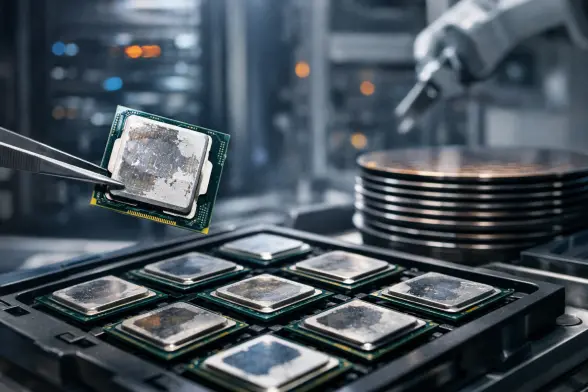
🔌 Intel vende anche i chip scartati: una decisione innovativa che risponde alla domanda fuori scala! #Intel #EcoTech

🔗 https://www.tomshw.it/hardware/intel-vende-chip-scartati-domanda-fuori-scala

Intel vende anche i chip scartati: la domanda è fuori scala

La domanda di CPU è così forte che Intel riesce a vendere chip un tempo poco valorizzati, trasformando gli scarti in margini.

Tom's Hardware
IMO agrees to cut global shipping emissions to net zero by 2050. It's a massive logistical challenge. What impact will this have on maritime trade, given the need for innovation and action from governments and the private sector? #EcoTech #Decarbonization

Auriculares modulares. Reparables. ANC.
Fairbuds XL: diseño limpio, impacto reducido.

#fairbudsxl #fairphone #modular #reparable #ecotech #overear

Descuento de 50 €
• Haz clic en el enlace: http://rwrd.io/ixthyov?c
• Serás redirigido a la web oficial de Fairphone.
• Aparece un formulario tras esperar unos segundos.
• Introduce tu correo electrónico.
• Recibirás un código personal para aplicar 50 € de descuento en tu primera compra