clarrisa_morton
Why Does CHD Affect Energy Levels in Children?
The heart works harder to deliver oxygen.
Less energy remains for activity.
Fatigue can appear quickly and last longer.
Why Does CHD Affect Energy Levels in Children?
The heart works harder to deliver oxygen.
Less energy remains for activity.
Fatigue can appear quickly and last longer.
Why Are Blue Lips in Newborns Taken Seriously?
Blue lips or tongue indicate low oxygen.
Often linked to heart or lung issues.
This is central cyanosis and requires urgent review.
Can Congenital Heart Disease Be Inherited?
Risk increases slightly if a parent has CHD.
Most babies are still born with healthy hearts.
Specialist scans help detect issues early.
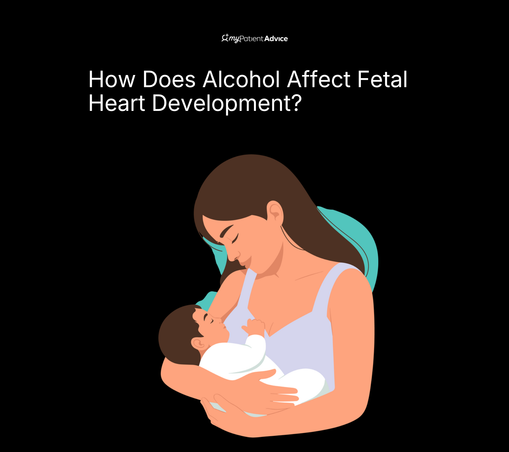
How Does Alcohol Affect Fetal Heart Development?
Alcohol can disrupt early heart formation.
It affects cell movement and structure.
This increases the risk of congenital defects.
Avoidance during pregnancy reduces risk.
Why Do Some Congenital Heart Defects Require Urgent Treatment?
Congenital heart disease varies in severity.
Mild defects may not affect circulation significantly.
Severe defects can limit oxygen delivery and require urgent care.
Management depends on impact, not just diagnosis.
Why Are Some Congenital Heart Defects Missed at Birth?
Some congenital defects cause minimal disruption early on.
The heart can compensate effectively for years.
Foetal circulation can also mask abnormalities.
Diagnosis depends on when the condition becomes detectable.
It was fantastic meeting Jeffrey Tucker in Austin, TX at the Children's Health Defense Conference this past weekend.


Abstract MicroRNAs (miRNAs) are widely referred to as gene regulators for different diseases. Single nucleotide polymorphism (SNP) in miRNA genes affects miRNA transcription, maturation, target specificity, and interaction, contributing to coronary heart disease (CHD). This case-control study aimed to investigate the association of five miRNA SNPs—rs2292832, rs3746444, rs11614913, rs1044165, and rs767649—with CHD risk in the Pakistani population using the TaqMan assay. Among these, rs3746444 showed a significant association with CHD under co-dominant, dominant, heterozygous, and additive inheritance models. Similarly, rs11614913 was linked to CHD under co-dominant, dominant, recessive, and additive models. The SNP rs767649 was associated with CHD across co-dominant, dominant, recessive, heterozygous, and additive models. A strong association between rs1044165 and CHD was observed under the heterozygous model. Variants in MIR499A, MIR196A2, MIR155, and MIR223 emerged as significant genetic risk factors for CHD, whereas MIR149 did not show a meaningful association in this cohort. These findings suggest a potential role of miRNA polymorphisms in CHD pathogenesis; however, further studies with larger sample sizes are required to validate these associations.

 Liam Sturgess
 Cytology and Genetics
 FrauZeitlos
 Games
Games