#WildRice and the #Ojibwe

by Jessica Milgroom

"Wild rice is a food of great historical, spiritual, and cultural importance for Ojibwe people. After #colonization disrupted their #TraditionalFoodSystem, however, they could no longer depend on stores of wild rice for food all year round. In the late 1950s and early 1960s, this traditional staple was appropriated by white entrepreneurs and marketed as a gourmet commodity. Native and non-Native people alike began to harvest rice to sell it for cash, threatening the health of the natural stands of the crop. This lucrative market paved the way for domestication of the plant, and farmers began cultivating it in paddies in the late 1960s. In the twenty-first century, many Ojibwe and other Native people are fighting to sustain the hand-harvested wild rice tradition and to protect wild rice beds.
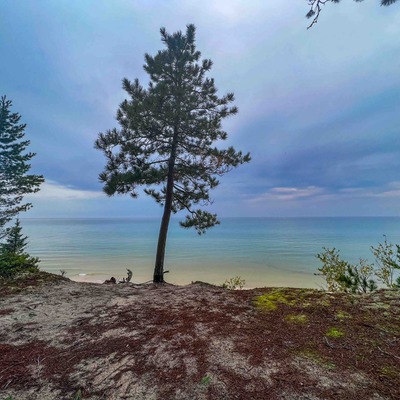
"Ojibwe people arrived in present-day Minnesota in the 1600s after a long migration from the east coast of the United States that lasted many centuries. Together with their #Anishinaabe kin, the #Potawatomi and #Odawa, they followed a vision that told them to search for their homeland in a place 'where the food floats on water.' The Ojibwe recognized this as the wild rice they found growing around Lake Superior (#Gichigami), and they settled on the sacred site of what is known today as #MadelineIsland (#Mooningwaanekaaning).

"In the Ojibwe language, wild rice (Zizania palustris) is called #manoomin, which is related by analogy to a word (minomin) meaning 'good berry.' It is a highly nutritious wild grain that is gathered from lakes and waterways by canoe in late August and early September, during the wild rice moon (manoominike giizis).

"Before contact with Europeans and as late as the early twentieth century, Ojibwe people depended on wild rice as a crucial part of their diet, together with berries, fish, meat, vegetables, and maple sugar. They moved their camps throughout the year, depending on the activities of seasonal food gathering. In autumn, families moved to a location close to a lake with a promising stand of wild rice and stayed there for the duration of the season. Men hunted and fished while women harvested rice, preparing food for their families to eat throughout the following winter, spring, and summer."

Read more:
https://www3.mnhs.org/mnopedia/search/index/thing/wild-rice-and-ojibwe

#TraditionalFoods #WildRiceHistory #NativeAmericanHistory #FoodHistory #IndigenousPeople #IndigenousPeoplesDay #FoodSovereignty

Wild Rice and the Ojibwe | MNopedia

Wild rice is a food of great historical, spiritual, and cultural importance for Ojibwe people. After colonization disrupted their traditional food system, however, they could no longer depend on stores of wild rice for food all year round. In the late 1950s and early 1960s, this traditional staple was appropriated by white entrepreneurs and marketed as a gourmet commodity. Native and non-Native people alike began to harvest rice to sell it for cash, threatening the health of the natural stands of the crop. This lucrative market paved the way for domestication of the plant, and farmers began cultivating it in paddies in the late 1960s. In the twenty-first century, many Ojibwe and other Native people are fighting to sustain the hand-harvested wild rice tradition and to protect wild rice beds.

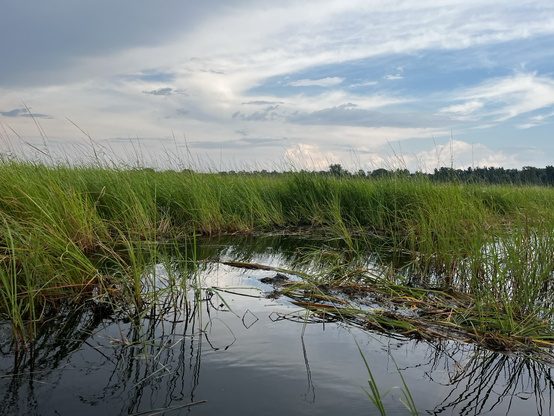
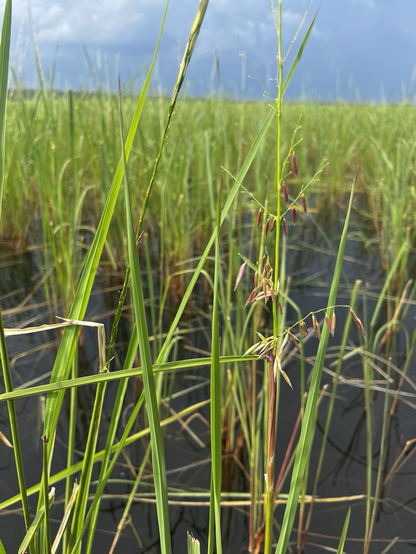
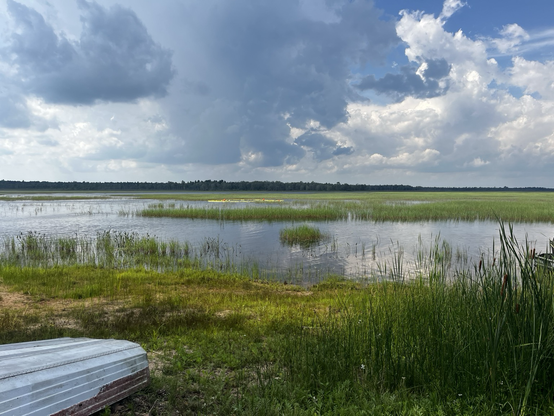
Yesterday had a wonderful opportunity to paddle to see #Manoomin (#WildRice ) in a #FreshWater inland #Lake. A thunderstorm just skirted us so the sky was beautiful as well as the rice, some just starting to bloom. #AquaticPlants #NativePlants #GreatLakes
Resistance to Line 3 Pipeline Seeks to Save Sacred Manoomin - UNICORN RIOT

Fon du Lac Reservation, MN – Indigenous-led resistance to the proposed Line 3 pipeline, one of the largest proposed infrastructure projects in North American history, has dozens gathering on private land in Northern Minnesota, dedicating their time and energy to defending the natural resources of the area, water and manoomin (wild rice). Line 3 is a […]

UNICORN RIOT

Pressure Builds to Protect #Manoomin (#WildRice)

"Laws aren’t always enough. We’re seeing a loss of wild rice all over #Minnesota. Threats from #ClimateChange, threats from pollution, threats from landowners that are ripping out wild rice stocks."

By Wabigonikwe, Contributor June 13, 2025, via @UnicornRiot

Excerpt: "Wild rice, often known by its #Objiwe name, manoomin, has been a means of sustenance for #DakotaLakota and Ojibwe peoples since time immemorial. It is the reason that Ojibwe people migrated to this region, 'the land where food grows on water' – without it, people’s health and wellbeing would suffer from not being able to live their way of life and not getting essential nutrients from the rice. (More on the importance of wild rice in UR’s 2017 report, Resistance to Line 3 Pipeline Seeks to Save Sacred Manoomin.)"

[...]

"Activists fear that legislators will use this time to review policies as an opportunity to take back provisions on the wild rice sulfate standard, a law put in place in 1973 limiting the amount of sulfate that mining companies pollute into wild rice waters."

https://unicornriot.ninja/2025/pressure-builds-to-protect-manoomin-wild-rice/

#Line3 #Line3Resistance #WaterIsLife #TraditionalFoods #TraditionalFarming #Sustenance #Mining #Pipelines #IndigenousPeoplesDay #IndigenousFood

Pressure Builds to Protect Manoomin (Wild Rice) - UNICORN RIOT

Activists have been showing up to meetings since the start of the 2025 MN legislative session in attempts to create legal protections for wild rice. 

UNICORN RIOT
To aid in restoration across the state, the Michigan Wild Rice Initiative, comprising tribes indigenous to the Great Lakes region, state officials, and academic experts, created a stewardship plan.#Indigenouscommunities #manoomin #wildrice
Groups fight to preserve future of Michigan’s indigenous wild rice | Great Lakes Now

To aid in restoration across the state, the Michigan Wild Rice Initiative, comprising tribes indigenous to the Great Lakes region, state officials, and academic experts, created a stewardship plan.

Great Lakes Now
Climate Change Threatens the Future of Wild Rice

As a precious plant struggles to thrive in the U.S. Upper Midwest, researchers are taking steps to understand the reasons for its decline.

Eos
> we are Native Tribal Nations, local landowners, family farmers, small business owners, elected officials, clergy, elders and children, mothers and fathers.. mobilizing to protect the water here. Our 50-year history is of turning down extractive projects, sulfide acid mining.. all kinds of projects that might have impacted our pristine water systems, the #Ojibwe Nation's "#Manoomin" and all that leads into beloved #LakeSuperior .
#UnitedByWater #HonorEarth #GreatLakesBasin #Watersheds

Brilliant essay by Peter Linebaugh, via Dave Roediger. What if we told our history of struggle in a way that integrated and centered Indigenous people and ecology?

https://www.counterpunch.org/2022/04/29/manoomin-may-day/

#manoomin #MayDay

Manoomin May Day

“The righteous shall inherit the land and dwell therein for ever.” – Psalms 37:29 The international worker’s day must become a day to protect the earth,

CounterPunch.org